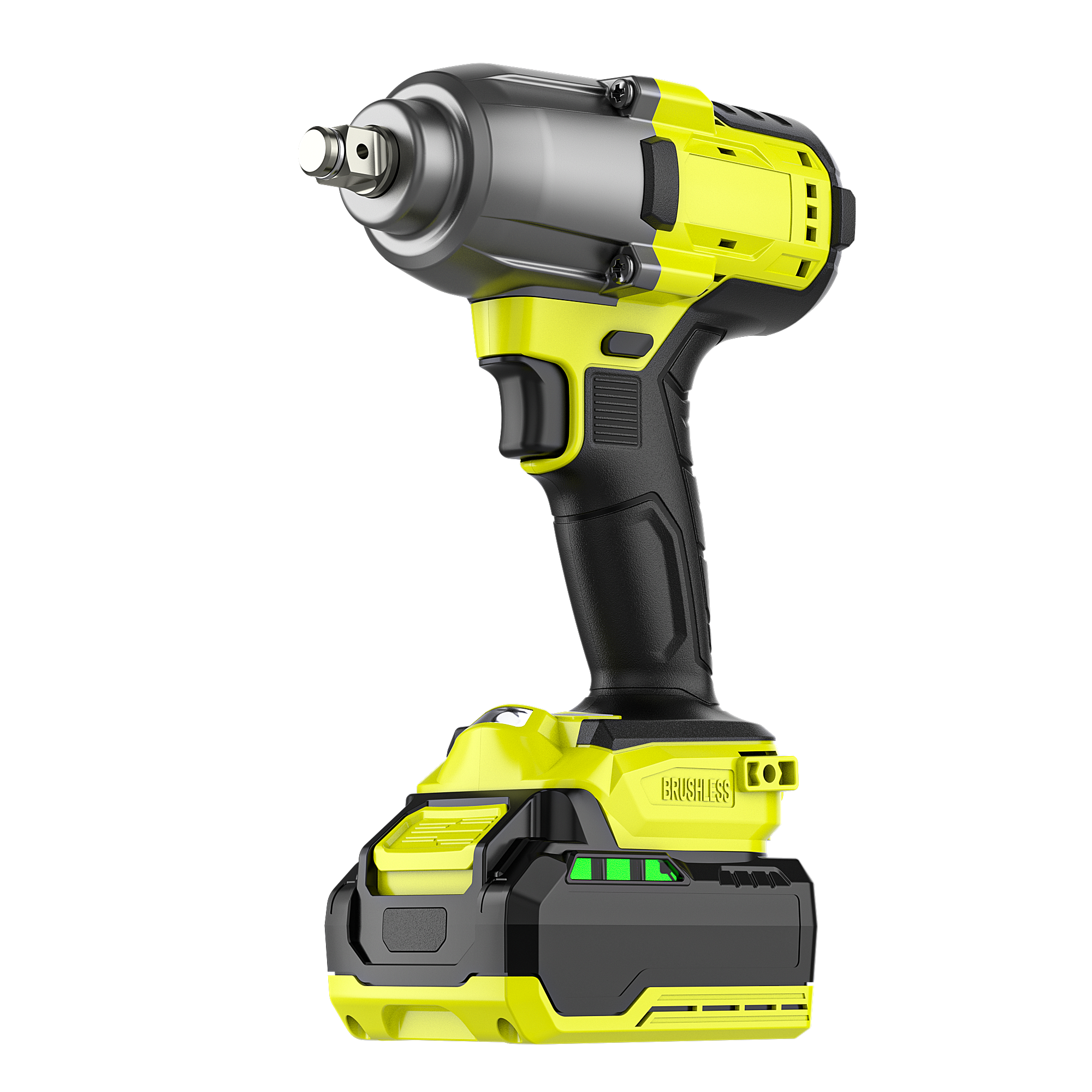
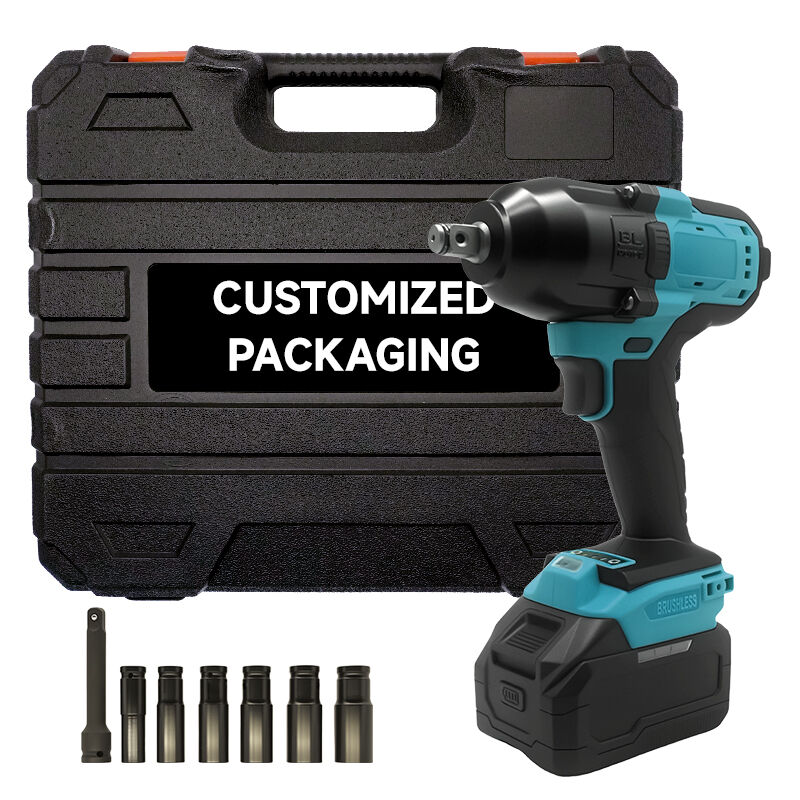
impact wrench
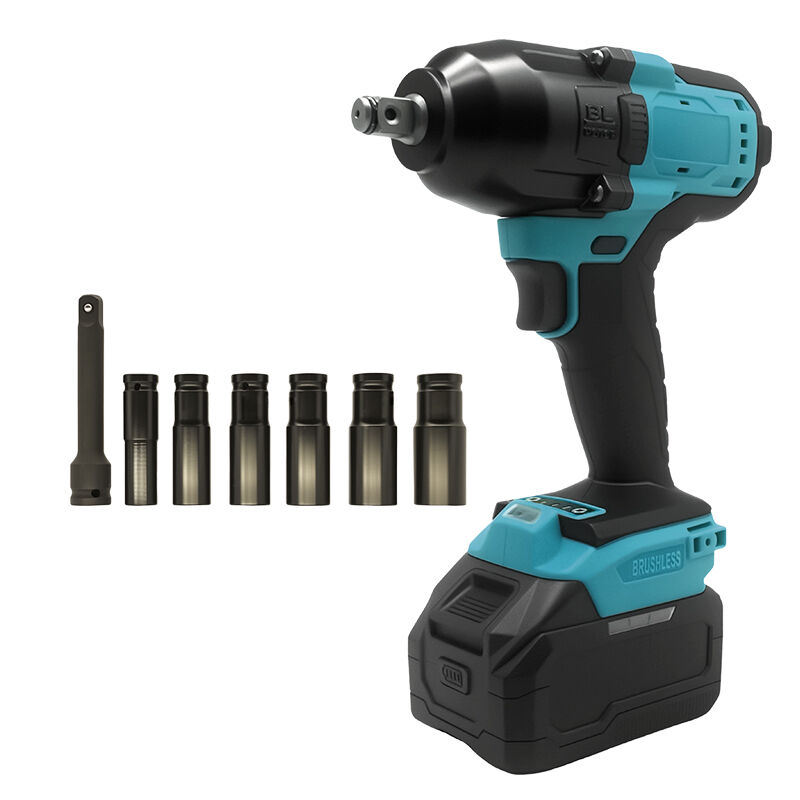
The impact wrench stands as one of the most revolutionary power tools in modern mechanical work, transforming how professionals and enthusiasts approach fastening and loosening operations. This pneumatic or electric-powered device delivers exceptional torque output through a sophisticated hammering mechanism that generates rapid, high-torque pulses. Unlike conventional wrenches that rely solely on continuous rotational force, an impact wrench utilizes an internal hammer and anvil system that creates sudden bursts of rotational energy, allowing users to tackle the most stubborn bolts and nuts with remarkable ease. The primary function of an impact wrench centers on its ability to apply tremendous rotational force without requiring excessive physical effort from the operator. This capability makes it indispensable for automotive repair, construction projects, and industrial maintenance tasks where standard hand tools simply cannot provide sufficient leverage. The technological features that distinguish modern impact wrenches include variable speed controls, reversible rotation mechanisms, and ergonomic designs that reduce operator fatigue during extended use periods. Many contemporary models incorporate brushless motor technology that enhances durability while minimizing maintenance requirements. The applications for impact wrenches span across numerous industries and professional settings. Automotive technicians rely heavily on these tools for tire changes, engine work, and suspension repairs. Construction workers utilize impact wrenches for structural assembly, while maintenance professionals depend on them for equipment servicing and infrastructure projects. The versatility of impact wrenches extends to residential applications as well, where homeowners find them invaluable for deck construction, furniture assembly, and general repair tasks. The combination of power, efficiency, and user-friendly operation has established the impact wrench as an essential tool that significantly reduces work time while improving overall productivity and reducing physical strain on operators across diverse working environments.
 EN
EN