 EN
EN

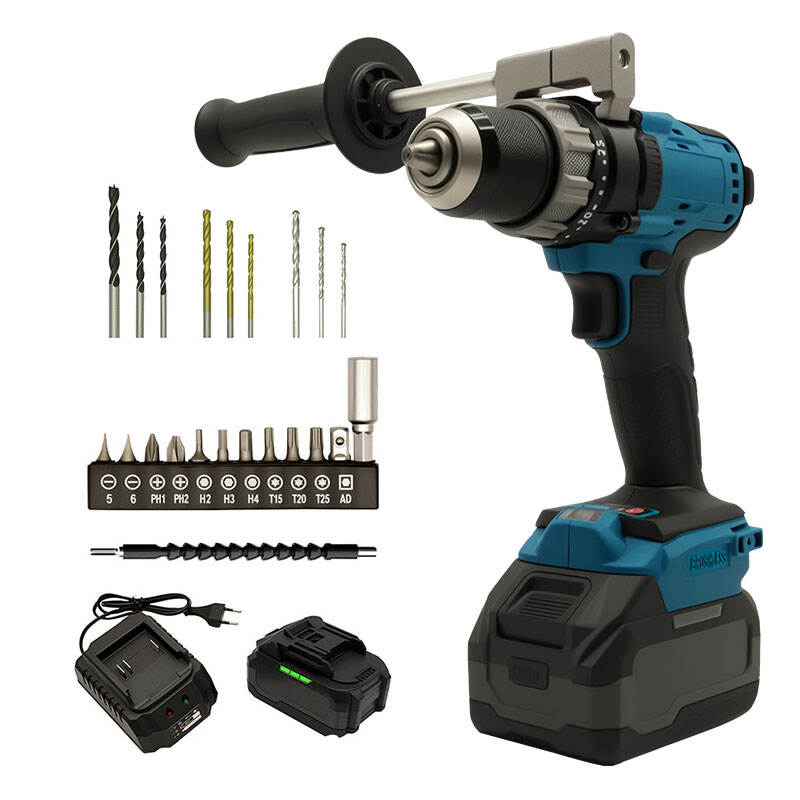
Choosing the right drill for your projects can significantly impact your productivity and results. Whether you're a professional contractor or a DIY enthusiast, understanding the fundamental differences between cordless and corded drill options will help you make an informed decision. The modern drill market offers various configurations, each designed to meet specific needs and applications. This comprehensive guide explores the key factors that should influence your drill selection process, ensuring you invest in the tool that best matches your requirements.
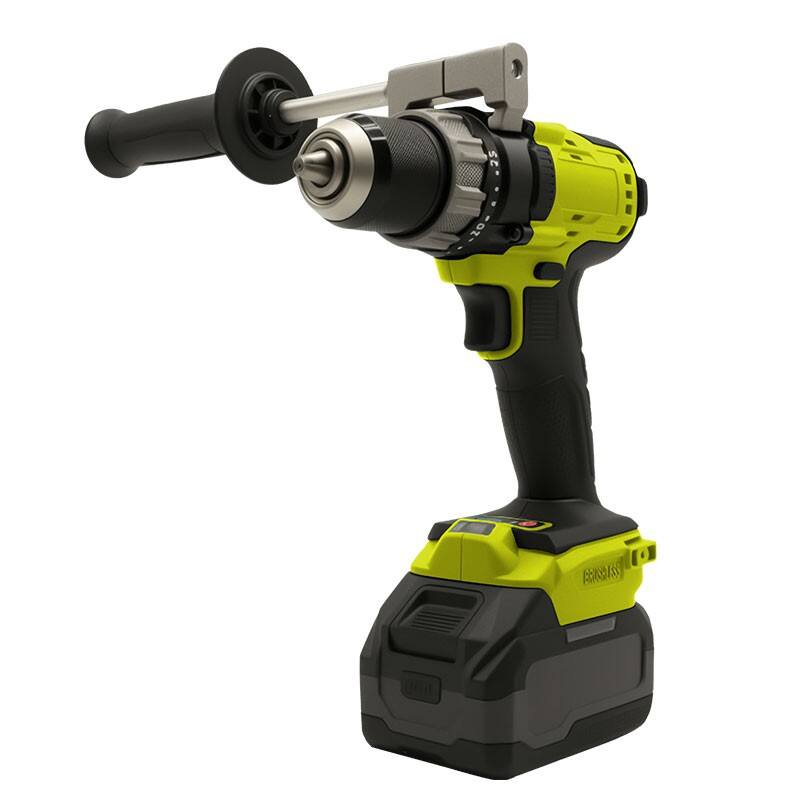
Understanding Cordless Drill Technology
Battery Power Systems
Modern cordless drill technology relies heavily on advanced lithium-ion battery systems that deliver consistent power throughout extended use. These battery-powered tools have revolutionized the construction and home improvement industries by providing unprecedented mobility and convenience. The evolution of battery technology has enabled manufacturers to create drill models that rival their corded counterparts in terms of torque and drilling capacity. Battery voltage typically ranges from 12V to 36V, with higher voltages generally providing more power for demanding applications.
The charging infrastructure for cordless drill systems has also improved dramatically over recent years. Fast-charging capabilities allow users to minimize downtime between projects, while backup battery systems ensure continuous operation during extended work sessions. Many professional-grade cordless drill platforms feature interchangeable batteries that work across multiple tool types, creating an efficient ecosystem for contractors and serious DIY enthusiasts.
Portability and Convenience Features
The primary advantage of any cordless drill lies in its exceptional portability and freedom from power cord constraints. This mobility enables users to work in remote locations, tight spaces, and elevated positions without worrying about electrical outlet access or cord management. The ergonomic design of most cordless drill models prioritizes user comfort during extended operation periods, reducing fatigue and improving overall productivity.
Modern cordless drill designs incorporate features like LED lighting systems, magnetic bit holders, and belt clips that enhance user convenience during various applications. The compact profile of these tools makes them ideal for overhead work, cabinet installation, and other scenarios where maneuverability is crucial. Weight distribution in quality cordless drill models has been optimized to reduce wrist strain while maintaining the structural integrity needed for heavy-duty applications.
Corded Drill Advantages and Applications
Consistent Power Delivery
Corded drill models provide unlimited runtime and consistent power delivery that remains constant throughout extended use periods. This reliability makes corded options particularly suitable for high-volume drilling applications, continuous operation scenarios, and projects requiring sustained high torque output. The direct electrical connection eliminates concerns about battery depletion during critical work phases, ensuring project continuity and deadline adherence.
Professional contractors often prefer corded drill options for workshop environments and job sites with reliable electrical infrastructure. The consistent power output enables these tools to handle demanding materials like hardwood, metal, and masonry without performance degradation over time. Many corded drill models feature variable speed controls and high-torque settings that accommodate diverse drilling requirements across different project types.
Cost-Effectiveness and Durability
The initial investment required for a quality corded drill is typically lower than comparable cordless alternatives, making them attractive options for budget-conscious buyers and occasional users. Without expensive battery systems and charging components, corded drill models often provide better value for users who primarily work in locations with convenient electrical access. The simplified design of corded tools generally translates to reduced maintenance requirements and longer operational lifespans.
Durability characteristics of corded drill models often exceed those of battery-powered alternatives due to fewer electronic components and the absence of rechargeable battery systems that eventually require replacement. Professional-grade corded drill options frequently feature heavy-duty motors and robust construction that can withstand years of intensive use in demanding environments. The repair and maintenance costs for corded tools are typically lower since replacement parts are more readily available and less expensive than battery system components.
Performance Comparison Factors
Power Output and Torque Specifications
When evaluating drill performance, power output and torque specifications serve as critical comparison metrics that directly impact tool effectiveness across different applications. Corded drill models typically offer higher sustained power levels, while modern cordless alternatives have significantly narrowed the performance gap through improved battery technology and motor efficiency. The torque delivery characteristics vary between corded and cordless designs, with each offering specific advantages depending on the intended application.
High-performance cordless drill models now achieve torque ratings that compete directly with corded alternatives, particularly in the compact and mid-size categories. The instant torque delivery of electric motors provides both cordless and corded drill options with excellent performance characteristics for most drilling and fastening applications. Users should consider their specific torque requirements when selecting between cordless and corded drill options, as this factor significantly influences overall tool effectiveness.
Speed Control and Versatility
Variable speed control systems in both cordless and corded drill models provide users with precise control over drilling and fastening operations across different materials. Modern drill designs incorporate sophisticated electronic speed controls that maintain consistent performance under varying load conditions. The versatility of contemporary drill models enables users to tackle diverse projects with a single tool, reducing the need for multiple specialized devices.
Advanced drill models feature multiple speed ranges and torque settings that accommodate everything from delicate electronic work to heavy-duty construction applications. The precision offered by modern speed control systems allows users to optimize drilling performance for specific materials and bit types. Both cordless and corded drill options now include features like hammer drill modes and impact functions that expand their utility across various project types.
Application-Specific Considerations
Professional Construction Use
Professional contractors require drill tools that deliver consistent performance under demanding conditions while providing the reliability needed for daily commercial use. The choice between cordless and corded drill options often depends on the specific work environment, project requirements, and existing tool ecosystems. Many professionals maintain both cordless and corded drill options to ensure they have the right tool for every situation.
Construction environments with reliable electrical infrastructure may favor corded drill models for their unlimited runtime and consistent power delivery. However, sites requiring frequent movement between locations or work in areas without convenient electrical access typically benefit more from cordless drill solutions. The decision often involves balancing power requirements, mobility needs, and budget considerations specific to each contractor's typical project profile.
Home DIY Projects
Home improvement enthusiasts and DIY project participants typically prioritize convenience, ease of use, and versatility when selecting drill tools for their workshops. Cordless drill models often provide the ideal combination of performance and convenience for typical household projects, furniture assembly, and general maintenance tasks. The storage and organization advantages of cordless systems appeal to homeowners with limited workshop space.
Occasional users may find that corded drill options provide better long-term value since they don't require battery replacement or charging system maintenance. The consistent availability of corded tools makes them reliable choices for users who may not use their drill regularly enough to maintain optimal battery performance. Many DIY enthusiasts ultimately choose based on their specific project patterns and workspace characteristics rather than purely technical specifications.
Cost Analysis and Value Considerations
Initial Investment Requirements
The upfront cost difference between cordless and corded drill options extends beyond the basic tool price to include batteries, chargers, and additional accessories that may be required for optimal performance. Quality cordless drill kits typically require a higher initial investment but provide comprehensive solutions that include multiple batteries, charging systems, and carrying cases. Budget planning for drill purchases should account for the total system cost rather than just the base tool price.
Professional users often find that the productivity benefits of cordless drill systems justify the higher initial investment through improved efficiency and reduced downtime. The calculation should include factors like time savings, increased job capacity, and the ability to work in locations that would otherwise require extension cords or portable generators. Many contractors recover their additional cordless drill investment through improved project completion times and expanded service capabilities.
Long-Term Operational Costs
Ongoing operational costs for drill ownership include battery replacement, electrical consumption, maintenance requirements, and accessory purchases over the tool's operational lifetime. Cordless drill systems eventually require battery replacement as lithium-ion cells naturally degrade over time and usage cycles. These replacement costs should be factored into the total ownership calculation when comparing drill options.
Corded drill models typically have lower ongoing operational costs since they don't require battery replacement and have fewer electronic components that might require service. However, the convenience and productivity benefits of cordless drill options may offset their higher operational costs for many users. The total cost of ownership analysis should consider individual usage patterns, project types, and the value placed on convenience and mobility features.
Making the Right Choice
Assessing Your Specific Needs
Selecting the optimal drill type requires careful consideration of your specific applications, work environment, and performance requirements. Users should evaluate factors like typical project duration, mobility requirements, available electrical infrastructure, and frequency of use when making their decision. The right choice varies significantly between different user profiles and application scenarios.
Professional contractors working on large construction sites with established electrical infrastructure might prioritize the unlimited runtime of corded drill models. Conversely, service technicians, maintenance personnel, and installers who frequently move between locations typically benefit more from the mobility offered by cordless drill systems. The decision should align with your primary use cases rather than attempting to optimize for every possible scenario.
Future Technology Considerations
The rapid advancement of battery technology and motor efficiency continues to improve cordless drill performance while reducing the traditional advantages of corded models. Future drill purchases should consider the trajectory of technology improvements and the potential for existing tools to become obsolete. Many manufacturers are expanding their cordless tool ecosystems, making battery platform compatibility an increasingly important consideration.
Investment in quality cordless drill platforms often provides access to expanding tool families that share battery systems, creating long-term value through component compatibility. The trend toward cordless tools in professional environments suggests that early adoption of quality cordless drill systems may provide better long-term value despite higher initial costs. Users should consider their potential future tool needs when making current drill purchase decisions.
FAQ
How long do cordless drill batteries typically last
Modern lithium-ion batteries in quality cordless drill systems typically provide 3-5 years of regular use before requiring replacement. The actual lifespan depends on usage frequency, charging habits, storage conditions, and the specific battery chemistry used. Professional users who operate their tools daily may need battery replacement sooner than occasional users. Proper charging practices and avoiding extreme temperatures can significantly extend battery life.
Can corded drills handle tougher materials better than cordless models
High-quality cordless drill models now match or exceed the performance of corded alternatives for most drilling applications. The key difference lies in sustained performance during extended use rather than peak power output. Corded drill options maintain consistent power throughout extended drilling sessions, while cordless models may experience slight power reduction as battery charge decreases. For occasional use and most DIY applications, this difference is rarely noticeable.
Which drill type is better for professional contractors
Professional contractors often benefit from having both cordless and corded drill options available to match different job site requirements. Cordless drill systems excel in residential work, service calls, and locations with limited electrical access. Corded drill models remain valuable for shop work, repetitive drilling operations, and projects requiring sustained high-power output. The choice depends on the contractor's specific work patterns and job site characteristics.
Are cordless drills worth the extra cost for home users
For most home users, the convenience and versatility of cordless drill systems justify the additional cost through improved project efficiency and expanded capability. The ability to work anywhere without cord limitations significantly enhances the user experience for typical household projects. However, users who rarely use power tools or work exclusively near electrical outlets may find better value in corded drill options. The decision should align with individual usage patterns and project requirements.
