 EN
EN

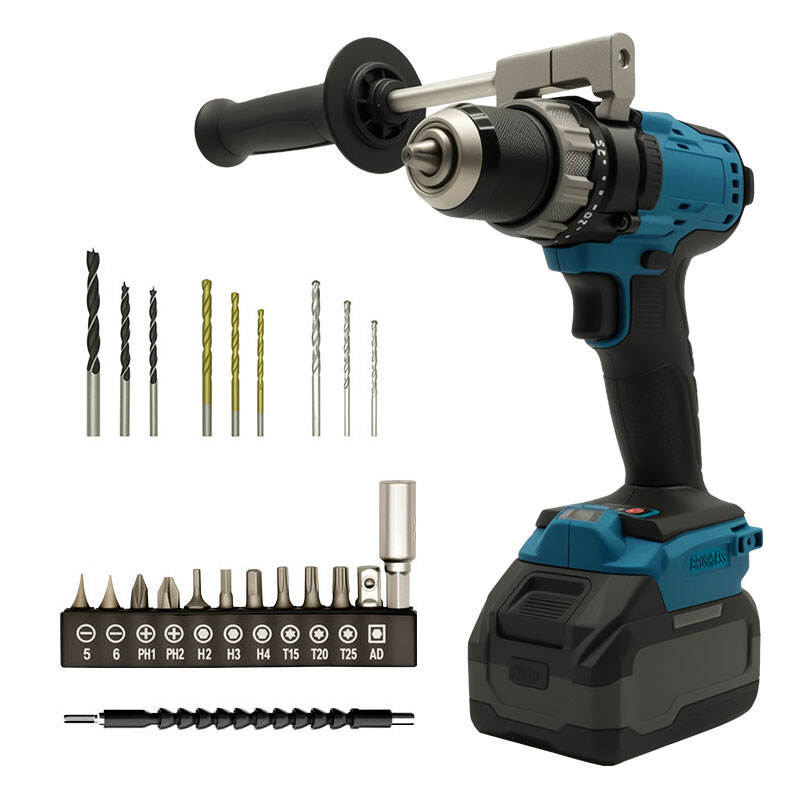
Power tool safety remains a critical concern for both professional contractors and DIY enthusiasts working on various projects. Understanding proper drill operation and maintenance procedures can significantly reduce the risk of workplace accidents and injuries. Modern drill technology has evolved considerably, offering enhanced safety features and improved ergonomic designs that help users maintain better control during operation. However, even the most advanced equipment requires proper handling techniques and adherence to established safety protocols to ensure optimal performance and user protection.
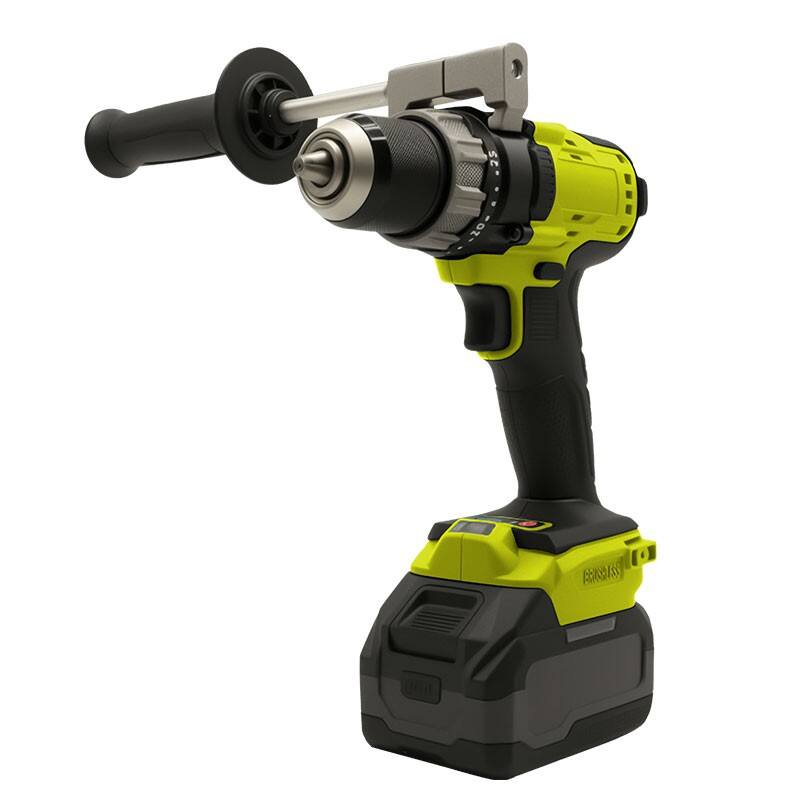
Essential Pre-Operation Safety Preparations
Workspace Assessment and Setup
Before operating any drill, conducting a thorough workspace evaluation helps identify potential hazards and establish a safe working environment. Clear the work area of debris, loose materials, and unnecessary tools that could create tripping hazards or interfere with drill operation. Adequate lighting ensures proper visibility of the drilling surface and surrounding areas, reducing the likelihood of accidents caused by poor visibility conditions. Consider the proximity of electrical wiring, plumbing, or gas lines when planning drilling locations, especially in wall or ceiling applications.
Proper ventilation becomes particularly important when drilling through materials that may produce dust, fumes, or particles. Ensure adequate air circulation in enclosed spaces, and consider using exhaust fans or opening windows when working with materials like concrete, drywall, or treated lumber. The drilling environment should remain dry and well-ventilated to prevent slipping hazards and maintain optimal tool performance throughout the work session.
Personal Protective Equipment Selection
Selecting appropriate personal protective equipment represents a fundamental aspect of drill safety that should never be overlooked or compromised. Safety glasses or goggles provide essential eye protection against flying debris, wood chips, metal shavings, and dust particles generated during drilling operations. Choose wraparound safety glasses for maximum coverage, or consider full-face shields when working with materials that produce significant amounts of debris or when using larger drill bits.
Work gloves offer protection against cuts, splinters, and abrasions while providing improved grip on both the drill and workpiece. However, avoid loose-fitting gloves that could become caught in rotating components or chuck mechanisms. Hearing protection becomes necessary when operating high-powered drills or working in environments where noise levels exceed safe thresholds. Dust masks or respirators protect against inhalation of particles, especially when drilling through materials containing silica, lead paint, or other hazardous substances.
Proper Drill Operation Techniques
Grip and Stance Fundamentals
Maintaining proper grip and stance while operating a drill directly impacts both safety and drilling accuracy. Hold the drill firmly with both hands whenever possible, using the primary handle and auxiliary handle if equipped. A secure grip prevents the tool from twisting unexpectedly when the bit encounters resistance or breaks through the material surface. Position your body to maintain balance and control, avoiding awkward positions that could compromise stability or limit your ability to react to unexpected situations.
Keep your feet planted firmly on a stable surface, maintaining a wide stance for optimal balance and leverage. Avoid overreaching or working from unstable positions such as chairs, boxes, or improvised platforms. When working at height, use appropriate ladders or scaffolding systems designed for the specific application. The drill should be positioned perpendicular to the work surface unless the application specifically requires an angled approach, which helps ensure straight holes and prevents bit binding or breakage.
Speed and Pressure Control
Understanding proper speed and pressure control techniques significantly improves drilling results while reducing the risk of equipment damage or personal injury. Start drilling at lower speeds to establish the hole location and prevent the bit from wandering across the surface. Gradually increase speed as the bit penetrates the material, adjusting based on material hardness and bit size. Excessive speed can cause overheating, premature bit wear, and loss of control, particularly when drilling through harder materials like metal or masonry.
Apply steady, consistent pressure rather than forcing the drill through the material. Let the bit do the work, maintaining just enough pressure to keep it engaged with the material without causing excessive strain on the motor or chuck assembly. Excessive downward pressure can cause bit breakage, motor overload, or sudden breakthrough that could result in loss of control. When the bit breaks through the material, be prepared for the sudden release of resistance and maintain firm control to prevent the drill from jerking or pulling away from the intended path.
Common Drilling Mistakes and Prevention Strategies
Bit Selection and Installation Errors
Selecting the incorrect drill bit for specific materials represents one of the most common mistakes that can lead to poor results and safety hazards. Different materials require specialized bit designs and cutting geometries to achieve optimal performance and prevent damage. Wood bits feature sharp points and wide flutes for efficient chip removal, while metal bits have different point angles and cutting edge designs optimized for harder materials. Masonry bits incorporate carbide tips specifically designed to handle the abrasive nature of concrete, brick, and stone.
Improper bit installation in the chuck can result in slippage, wobbling, or complete bit ejection during operation. Always ensure the bit shank is fully inserted into the chuck jaws and tightened securely using the appropriate chuck key or hand-tightening mechanism. Check bit alignment before starting the drill to prevent wobbling that could cause enlarged holes or bit breakage. Regular inspection of chuck condition and proper maintenance helps ensure secure bit retention throughout the drilling process.
Material-Specific Drilling Challenges
Each material type presents unique challenges that require specific techniques and considerations to achieve safe, successful results. When drilling through wood, be aware of grain direction and potential knots that could cause the bit to deflect or bind unexpectedly. Pre-drilling pilot holes for screws helps prevent wood splitting and reduces the torque required for final installation. Use backing boards when drilling completely through wood pieces to prevent splintering on the exit side.
Metal drilling requires slower speeds and steady feed rates to prevent overheating and premature bit wear. Use cutting fluid or lubricant when drilling through thicker metal sections to reduce heat buildup and extend bit life. Start with a center punch mark to prevent the bit from wandering on smooth metal surfaces. When drilling through sheet metal, support the material adequately to prevent deformation and use appropriate clamping techniques to secure the workpiece during drilling operations.
Equipment Maintenance and Inspection Protocols
Regular Cleaning and Storage Practices
Maintaining clean equipment extends tool life and ensures optimal safety performance throughout the drill's operational lifespan. Remove accumulated dust, debris, and material residue from the chuck, motor housing, and ventilation openings after each use. Compressed air provides an effective method for removing dust from internal components and cooling vents, helping prevent overheating and motor damage. Pay particular attention to the chuck mechanism, ensuring smooth operation and proper bit retention capabilities.
Proper storage protects the drill from environmental damage and maintains its operational readiness for future use. Store the tool in a dry environment to prevent corrosion of metal components and degradation of electrical connections. Remove batteries from cordless models during extended storage periods to prevent damage from battery leakage or deep discharge conditions. Organize bits and accessories in designated storage containers to prevent damage and ensure easy accessibility when needed for specific applications.
Performance Monitoring and Component Inspection
Regular inspection of drill components helps identify potential problems before they result in equipment failure or safety hazards. Check the power cord and plug for signs of damage, including cuts, exposed wires, or loose connections that could create electrical hazards. Inspect the chuck for excessive wear, damage, or signs of loosening that could affect bit retention during operation. Monitor motor performance for unusual noises, vibrations, or reduced power output that might indicate internal problems requiring professional service.
Battery-powered models require additional attention to charging system condition and battery performance characteristics. Monitor charging times and runtime performance to identify batteries that may be reaching the end of their useful life. Replace damaged or significantly degraded batteries promptly to maintain optimal tool performance and safety. Keep spare batteries charged and ready for use to avoid the temptation to continue working with depleted batteries that may not provide adequate power for safe operation.
Emergency Procedures and Injury Prevention
Recognizing Hazardous Situations
Developing the ability to recognize potentially dangerous situations before they result in accidents represents a crucial safety skill for all drill operators. Unusual vibrations, excessive noise, or changes in motor performance often indicate developing problems that require immediate attention. Binding or jamming during drilling operations can create sudden torque reactions that may cause wrist injury or loss of control. Stop operation immediately if the drill begins to behave abnormally or if you encounter unexpected resistance during drilling.
Environmental factors such as wet conditions, unstable work surfaces, or poor lighting can significantly increase accident risk and should be addressed before continuing work. Fatigue and distraction also contribute to increased accident rates, making it important to take regular breaks and maintain focus during drilling operations. Recognize when conditions are not suitable for safe tool operation and postpone work until proper conditions can be established.
First Aid and Response Protocols
Understanding basic first aid procedures and emergency response protocols helps minimize injury severity and ensures appropriate medical attention when accidents occur. Keep a well-stocked first aid kit readily available in the work area, including supplies for treating cuts, puncture wounds, and eye injuries that commonly occur during drilling operations. Know the location of emergency shut-offs for electrical power and understand proper procedures for dealing with electrical injuries or equipment malfunctions.
For eye injuries caused by flying debris, avoid rubbing the affected eye and seek immediate medical attention if particles cannot be safely removed by flushing with clean water. Puncture wounds from drill bits require careful assessment and may need professional medical evaluation, particularly if the wound is deep or located near vital structures. Document accident details and contributing factors to help prevent similar incidents in the future and improve overall workplace safety protocols.
FAQ
What safety equipment is essential when operating a drill
Essential safety equipment includes safety glasses or goggles to protect against flying debris, work gloves for grip and hand protection, hearing protection for high-noise environments, and appropriate respiratory protection when drilling materials that produce harmful dust. Additionally, ensure proper lighting, stable work surfaces, and clear workspace organization to prevent accidents and maintain optimal working conditions throughout the project.
How can I prevent drill bits from breaking during operation
Prevent bit breakage by selecting the correct bit type for your material, maintaining appropriate drilling speeds, and applying steady pressure without forcing the tool. Ensure bits are properly installed and tightened in the chuck, start drilling at lower speeds to establish the hole, and avoid excessive side pressure that can cause binding or breakage. Replace worn or damaged bits promptly to maintain optimal cutting performance.
What should I do if my drill starts binding or jamming
If your drill begins binding or jamming, immediately release the trigger and allow the motor to stop completely before attempting to resolve the issue. Carefully reverse the drill direction to back the bit out of the hole, or manually remove the bit if necessary. Inspect the bit for damage, clear any debris from the hole, and adjust your drilling technique before continuing with the operation.
How often should I inspect and maintain my drill equipment
Conduct basic inspection and cleaning after each use, checking for obvious damage, debris accumulation, and proper operation of all components. Perform more thorough maintenance monthly or after every 20-30 hours of use, including detailed inspection of electrical connections, chuck condition, and motor performance. Professional service should be sought annually or whenever unusual performance issues arise that cannot be resolved through basic maintenance procedures.
