 EN
EN

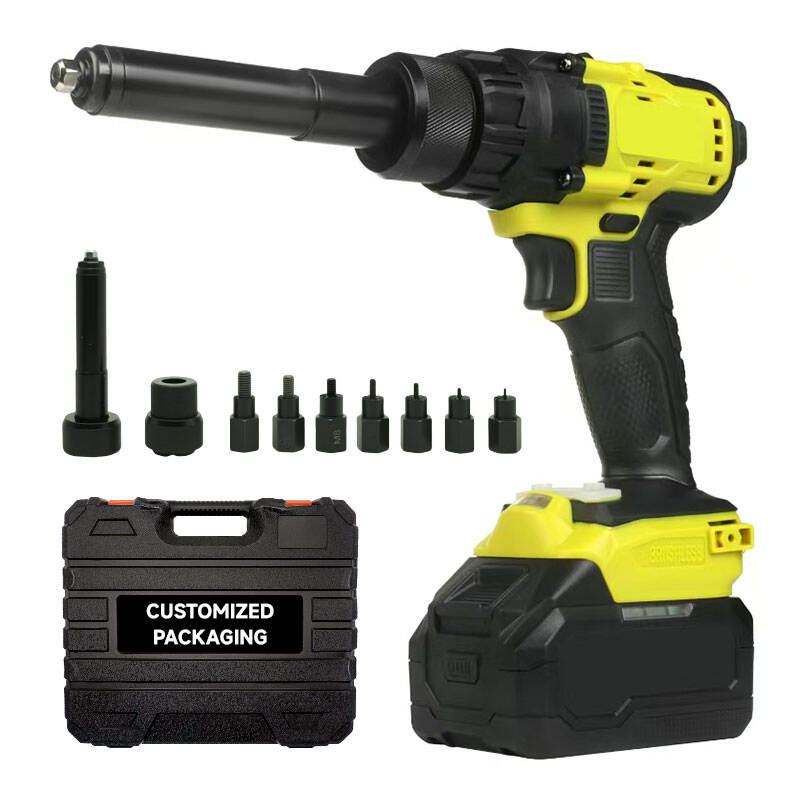
When selecting a rivet gun for your industrial or professional applications, the choice between electric and pneumatic models represents one of the most critical decisions affecting productivity, cost-effectiveness, and operational efficiency. Both electric and pneumatic rivet gun systems offer distinct advantages and limitations that directly impact their suitability for specific applications, work environments, and project requirements.
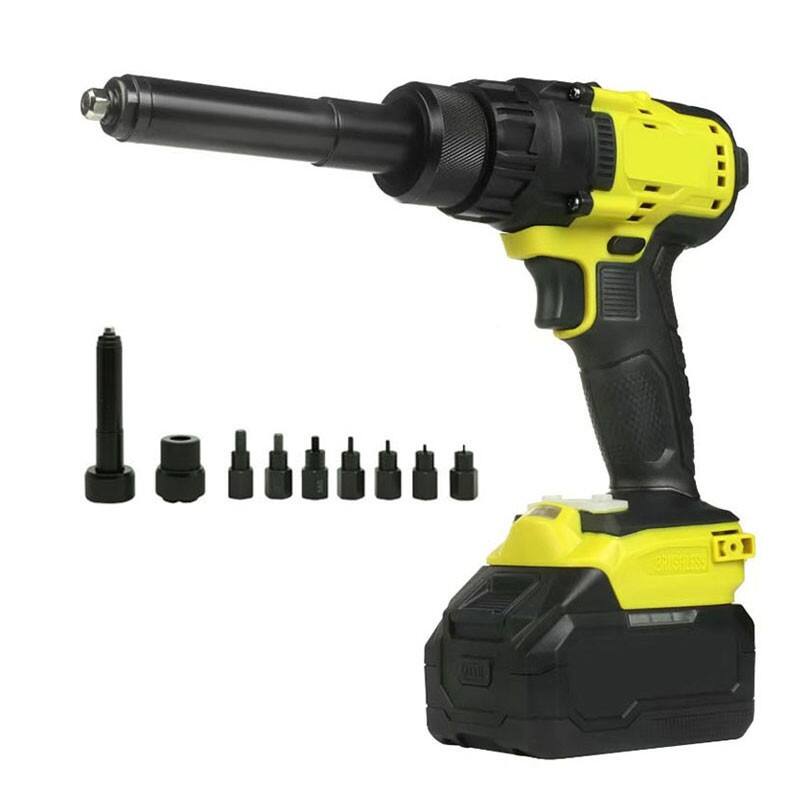
The decision between electric versus pneumatic rivet gun technology ultimately depends on factors including power requirements, mobility needs, operational costs, maintenance considerations, and the specific characteristics of your riveting applications. Understanding these fundamental differences enables informed decision-making that aligns tool selection with actual operational demands and long-term business objectives.
Power Source and Energy Delivery Systems
Electric Rivet Gun Power Characteristics
Electric rivet gun models derive power directly from electrical sources, utilizing motor-driven mechanisms to generate the force necessary for rivet installation. These systems typically operate on standard AC power or rechargeable battery configurations, providing consistent power delivery that remains stable throughout extended operation periods. The electric rivet gun design incorporates precise control systems that allow operators to adjust pulling force and speed settings according to specific rivet materials and joint requirements.
Modern electric rivet gun technology features advanced motor control systems that deliver consistent torque and pulling force across various rivet sizes and materials. These systems maintain power output stability regardless of ambient conditions, ensuring reliable performance in temperature-controlled environments where consistent results are paramount. The electrical power delivery system in a quality rivet gun provides immediate availability without warm-up periods or pressure buildup requirements.
Battery-powered electric rivet gun variants offer exceptional mobility while maintaining substantial pulling force capabilities. These portable systems typically feature lithium-ion battery technology that provides extended operation periods between charging cycles, making them particularly suitable for field applications where electrical power access remains limited or impractical.
Pneumatic Rivet Gun Power Delivery
Pneumatic rivet gun systems utilize compressed air as their primary power source, converting air pressure into mechanical force through precision-engineered cylinder and piston assemblies. These systems require connection to compressed air supply systems, typically operating at pressures ranging from 90 to 120 PSI depending on the specific rivet gun model and application requirements. The pneumatic power delivery mechanism provides exceptionally high power-to-weight ratios, enabling compact tool designs with substantial pulling force capabilities.
The compressed air power system in a pneumatic rivet gun delivers instantaneous maximum force upon activation, making these tools particularly effective for heavy-duty applications requiring rapid cycle times and consistent pulling force. Air-powered systems maintain consistent performance characteristics as long as adequate compressed air supply and pressure remain available, providing reliable operation in high-volume production environments.
Pneumatic rivet gun designs typically incorporate fewer moving parts compared to electric alternatives, resulting in simplified internal mechanisms that contribute to enhanced durability and reduced maintenance requirements. The air-powered operation eliminates heat generation associated with electric motors, preventing overheating issues during extended use periods and maintaining optimal performance in demanding production schedules.
Operational Mobility and Workspace Flexibility
Electric Rivet Gun Mobility Advantages
Electric rivet gun systems, particularly battery-powered models, provide exceptional mobility and workspace flexibility without the constraints associated with air hose connections or compressed air supply requirements. This mobility advantage makes electric models particularly valuable for construction sites, field repairs, and applications where workers must navigate complex structures or confined spaces while maintaining full tool functionality.
Cordless electric rivet gun designs eliminate the need for trailing power cords or air hoses, reducing workplace hazards and improving operator maneuverability in challenging work environments. The absence of external connections allows operators to work efficiently in elevated positions, tight quarters, or remote locations where establishing compressed air supply would be impractical or cost-prohibitive.
Modern battery technology in electric rivet gun systems provides sufficient power capacity for extended work sessions without compromising pulling force or operational speed. Fast-charging battery systems and interchangeable battery packs enable continuous operation by rotating battery sets, maintaining productivity levels comparable to corded or pneumatic alternatives while preserving mobility advantages.
Pneumatic Rivet Gun Workspace Considerations
Pneumatic rivet gun operation requires connection to compressed air supply systems through flexible air hoses, creating mobility limitations that must be considered in workspace planning and application design. The air hose connection, while providing unlimited operational duration, restricts operator movement radius and requires careful hose management to prevent tangling, damage, or workplace safety hazards.
Despite mobility limitations, pneumatic rivet gun systems excel in stationary or semi-stationary applications where compressed air infrastructure already exists. Manufacturing environments, assembly lines, and established workshops benefit from the continuous power availability and consistent performance characteristics that pneumatic systems provide without concerns about battery depletion or charging requirements.
Air hose management systems and retractable hose reels can minimize mobility restrictions associated with pneumatic rivet gun operation, enabling efficient workspace organization while maintaining the power and performance advantages of compressed air systems. Proper air supply infrastructure planning ensures adequate pressure and volume delivery to support multiple pneumatic tools simultaneously without performance degradation.
Performance Specifications and Application Suitability
Power Output and Force Capabilities
Electric rivet gun systems typically provide pulling forces ranging from 1,500 to 4,000 pounds, with high-end models capable of handling rivet sizes from 1/8 inch to 1/4 inch diameter across various materials including aluminum, steel, and stainless steel. The controlled power delivery in electric systems allows for precise force application, reducing the risk of rivet damage or joint over-stress while maintaining consistent results across different rivet specifications.
Premium electric rivet gun models incorporate variable speed and force controls that enable operators to optimize performance parameters for specific applications, materials, and joint requirements. These control systems provide enhanced versatility compared to fixed-output alternatives, allowing a single rivet gun to handle diverse application requirements without compromising installation quality or efficiency.
Pneumatic rivet gun systems generally deliver higher maximum pulling forces, often exceeding 5,000 pounds in heavy-duty models, making them particularly suitable for large-diameter rivets and high-strength materials. The instantaneous force delivery characteristic of pneumatic systems enables rapid cycle times and efficient processing of high-volume riveting applications where speed and consistency are paramount operational requirements.
Cycle Speed and Production Efficiency
Electric rivet gun operation typically provides controlled cycle speeds that can be optimized for specific applications, with advanced models offering programmable settings that ensure consistent installation parameters across multiple operators and production shifts. The precise control capabilities enable optimization of both speed and quality, reducing rework requirements and improving overall production efficiency.
Pneumatic rivet gun systems excel in high-speed production applications, delivering rapid cycle times that maximize throughput in volume manufacturing environments. The instantaneous power delivery and quick reset capabilities of pneumatic systems make them particularly effective for assembly line applications where cycle time minimization directly impacts production capacity and operational costs.
Both electric and pneumatic rivet gun systems can achieve professional-grade installation quality when properly selected and operated according to application requirements. The choice between systems often depends more on operational environment, power infrastructure, and specific application demands rather than fundamental quality differences between power technologies.
Cost Analysis and Economic Considerations
Initial Investment and Equipment Costs
Electric rivet gun systems typically require higher initial investment compared to pneumatic alternatives, particularly when considering battery-powered models that include charging systems and backup battery packs. However, the standalone nature of electric systems eliminates the need for compressed air infrastructure, potentially offsetting higher tool costs in applications where air supply systems would require significant installation investment.
Premium electric rivet gun models with advanced control systems, variable settings, and high-capacity batteries command premium pricing but provide enhanced versatility and operational flexibility that can justify increased investment in applications requiring diverse functionality. The ability to utilize electric systems immediately without infrastructure development provides significant value in temporary, mobile, or startup applications.
Pneumatic rivet gun tools typically offer lower individual tool costs, making them attractive for applications requiring multiple tools or where budget constraints limit initial investment capacity. However, pneumatic systems require compressed air infrastructure that may involve significant installation costs if not already available in the operational environment.
Operational and Maintenance Expenses
Electric rivet gun operational costs primarily involve electricity consumption and periodic battery replacement, with modern battery technology providing extended service life that minimizes replacement frequency. The sealed motor designs in quality electric systems require minimal maintenance beyond periodic cleaning and lubrication, reducing ongoing service expenses and downtime requirements.
Pneumatic rivet gun systems incur ongoing compressed air generation costs that vary based on local electricity rates and compressor efficiency. However, the simplified mechanical design of pneumatic tools typically results in lower maintenance requirements and longer service life, potentially offsetting operational energy costs through reduced replacement and repair expenses.
Long-term cost analysis should consider total ownership expenses including initial investment, infrastructure requirements, energy consumption, maintenance costs, and replacement intervals. The optimal choice varies significantly based on application volume, operational environment, and existing infrastructure availability, requiring careful analysis of specific operational parameters.
FAQ
What are the main advantages of electric rivet guns over pneumatic models?
Electric rivet gun systems provide superior mobility and workspace flexibility, particularly in battery-powered configurations that eliminate air hose constraints. They offer precise control over pulling force and speed, immediate availability without warm-up requirements, and independence from compressed air infrastructure. Electric models excel in field applications, construction sites, and situations requiring frequent position changes or work in confined spaces.
When should I choose a pneumatic rivet gun instead of an electric model?
Pneumatic rivet gun systems are ideal for high-volume production environments where compressed air infrastructure already exists, applications requiring maximum pulling force for large rivets or heavy materials, and situations where continuous operation without battery concerns is essential. They provide superior power-to-weight ratios, rapid cycle times, and typically offer lower per-tool costs in multi-tool installations.
How do I determine the right pulling force capacity for my rivet gun application?
Rivet gun pulling force requirements depend on rivet diameter, material strength, and joint specifications. Generally, 1/8-inch rivets require 1,500-2,000 pounds of pulling force, while 1/4-inch rivets may need 3,000-4,000 pounds or more. Consider material properties, with stainless steel and high-strength alloys requiring higher forces than aluminum. Always verify manufacturer specifications and conduct test installations to ensure adequate force capacity for your specific applications.
What maintenance differences exist between electric and pneumatic rivet gun systems?
Electric rivet gun maintenance primarily involves battery care, periodic motor cleaning, and occasional lubrication of mechanical components. Pneumatic systems require regular air filter maintenance, moisture separator servicing, and lubrication of air-powered components. Both systems benefit from regular inspection and cleaning, but pneumatic models typically have fewer electronic components that could require specialized repair services, potentially simplifying long-term maintenance requirements.
Table of Contents
- Power Source and Energy Delivery Systems
- Operational Mobility and Workspace Flexibility
- Performance Specifications and Application Suitability
- Cost Analysis and Economic Considerations
-
FAQ
- What are the main advantages of electric rivet guns over pneumatic models?
- When should I choose a pneumatic rivet gun instead of an electric model?
- How do I determine the right pulling force capacity for my rivet gun application?
- What maintenance differences exist between electric and pneumatic rivet gun systems?
