 EN
EN

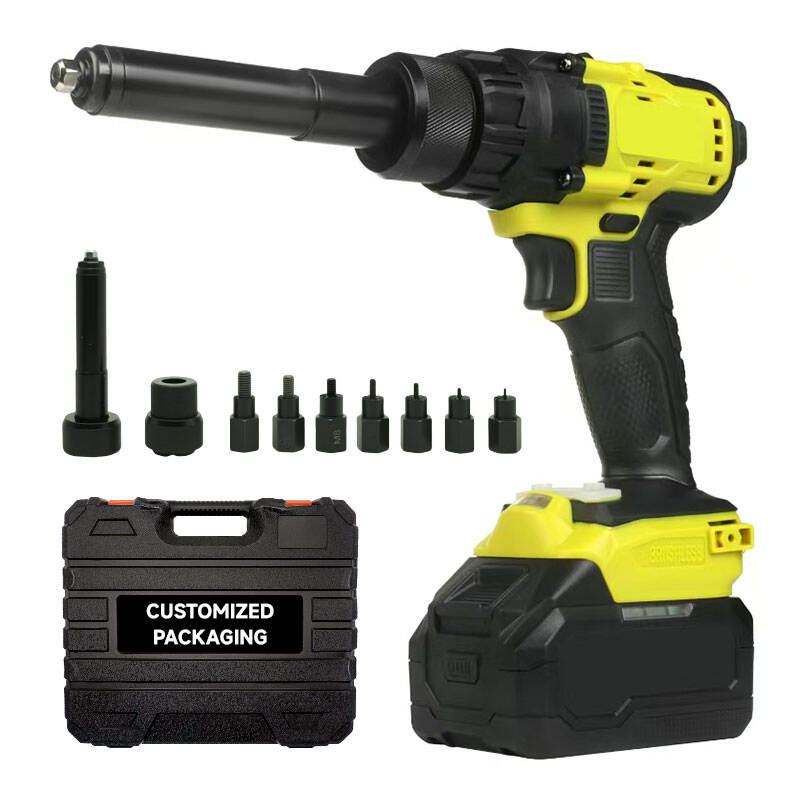
The industrial landscape of 2025 demands precision, efficiency, and reliability in every fastening operation, and the rivet gun has emerged as an indispensable tool across manufacturing, construction, automotive, and aerospace sectors. As industries evolve with automation, lightweight materials, and stricter quality standards, professional rivet gun applications have expanded beyond traditional metal joining to encompass composite materials, specialized coatings, and high-volume production environments. Understanding how modern rivet gun technology addresses these contemporary challenges enables industrial decision-makers to select appropriate fastening solutions that enhance productivity while maintaining structural integrity and operational safety.
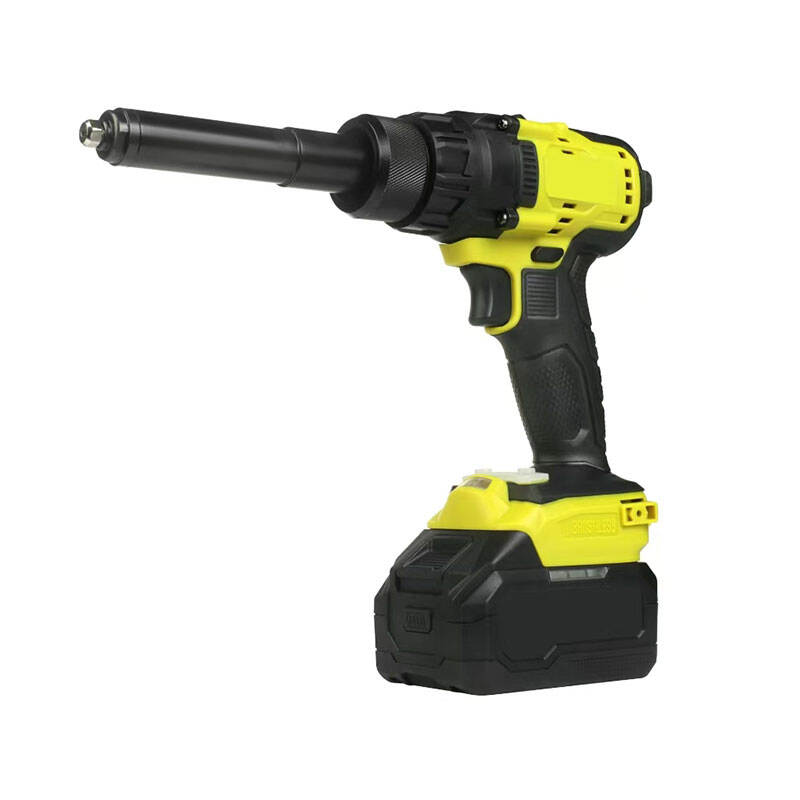
Professional applications in 2025 require rivet gun systems that deliver consistent force control, ergonomic operation during extended use, and compatibility with diverse material combinations that define contemporary product design. From electric-powered models with programmable torque settings to pneumatic systems optimized for high-speed assembly lines, the selection criteria for industrial rivet gun deployment now encompasses digital integration capabilities, maintenance predictability, and compliance with evolving workplace safety regulations. This comprehensive examination explores the specific industry applications where rivet gun technology proves essential, the technical characteristics that differentiate professional-grade equipment from consumer tools, and the operational considerations that determine successful implementation across varied manufacturing contexts.
Automotive Manufacturing and Assembly Line Integration
Structural Component Joining in Vehicle Production
Modern automotive manufacturing relies heavily on rivet gun technology for joining body panels, chassis components, and interior assemblies where welding proves impractical or where material combinations prevent effective thermal bonding. The 2025 automotive industry increasingly incorporates aluminum alloys, carbon fiber composites, and advanced high-strength steels that demand precise fastening methods to maintain structural integrity without thermal distortion. Professional rivet gun systems in this application provide consistent clamping force across thousands of daily cycles, ensuring each fastener meets torque specifications critical for crash safety performance and long-term durability under dynamic loading conditions.
Assembly line integration of rivet gun equipment in automotive plants now includes automated tool changers, digital torque verification systems, and real-time quality monitoring that documents every fastening operation for traceability compliance. Electric rivet gun models with programmable settings allow operators to switch between different rivet sizes and materials without manual adjustment, reducing changeover time between vehicle models on flexible production lines. The ergonomic design of contemporary professional rivet gun tools minimizes operator fatigue during repetitive fastening tasks, with balanced weight distribution and vibration dampening features that support continuous operation throughout standard work shifts while maintaining precision placement accuracy.
Electric Vehicle Battery Assembly Applications
Electric vehicle battery pack assembly represents a rapidly expanding application area where rivet gun technology provides critical advantages over welding methods that risk thermal damage to sensitive battery cells and electronic components. The fastening of aluminum enclosures, cooling plate assemblies, and structural reinforcement brackets requires controlled force application without spark generation, making pneumatic and electric rivet gun systems the preferred solution for high-voltage battery manufacturing environments. Professional battery assembly operations demand rivet gun equipment with insulated handles, static dissipation features, and precise stroke control that prevents over-compression of delicate thermal management materials sandwiched between metal components.
Battery module integration into vehicle chassis structures utilizes specialized rivet gun applications that accommodate restricted access spaces and require angular approach capabilities not achievable with standard perpendicular fastening tools. The 2025 generation of professional rivet gun models includes articulating heads, extended nose assemblies, and right-angle configurations specifically engineered for underbody battery installation where clearance limitations challenge conventional fastening approaches. Quality assurance protocols in electric vehicle production mandate documented verification of every rivet installation, driving adoption of smart rivet gun systems that transmit torque data, cycle counts, and operator identification to manufacturing execution systems for complete production traceability and warranty support documentation.
Aerospace Manufacturing and Aircraft Maintenance
Airframe Assembly and Structural Repair
Aerospace applications represent the most demanding professional use case for rivet gun technology, where fastener integrity directly impacts flight safety and structural performance under extreme environmental conditions. Aircraft fuselage assembly, wing skin attachment, and control surface construction require thousands of precision rivet installations that must withstand vibration, thermal cycling, and aerodynamic stress throughout decades of service life. Professional aerospace rivet gun systems meet stringent certification requirements with documented calibration procedures, force verification capabilities, and operator qualification protocols that ensure every fastener achieves specified clamp-up without material damage or dimensional deviation from engineering specifications.
The specialized nature of aerospace riveting demands rivet gun equipment designed for aluminum alloys, titanium components, and composite-to-metal joints that characterize contemporary aircraft construction. Pneumatic rivet gun models dominate aerospace manufacturing due to their consistent power delivery, lightweight construction for overhead work, and absence of electrical components that could interfere with sensitive avionics during installation or maintenance operations. Professional aerospace technicians utilize multiple rivet gun configurations including bucking bar systems for solid rivets, pull-type guns for blind fastener installation, and specialized squeeze riveters for confined space applications where conventional hammer-style tools cannot operate effectively.
Aircraft Maintenance, Repair, and Overhaul Operations
Maintenance, repair, and overhaul facilities rely on professional rivet gun equipment for structural repair work that restores aircraft to airworthiness standards after damage, corrosion remediation, or component replacement. These applications demand portable rivet gun systems with reliable performance in field conditions, compatibility with temporary power sources, and durability under challenging environmental exposures including temperature extremes and contaminated work areas. The 2025 aircraft maintenance environment increasingly emphasizes rapid turnaround times, driving adoption of quick-change rivet gun tooling systems that accommodate diverse fastener types without extensive setup procedures, allowing technicians to complete complex repair sequences efficiently while maintaining quality standards required for regulatory compliance.
Composite aircraft structures present unique challenges for rivet gun applications in maintenance scenarios, where repair procedures must avoid delamination, fiber damage, or resin cracking during fastener installation. Professional repair technicians utilize specialized rivet gun equipment with adjustable force limits, soft-start capabilities, and precision depth control that protects composite substrates while achieving adequate clamp-up for structural load transfer. The documentation requirements for aerospace maintenance operations necessitate rivet gun systems with integrated data logging that records installation parameters for each fastener, supporting maintenance records that demonstrate compliance with approved repair procedures and providing evidence for continued airworthiness certification during regulatory audits.
Industrial Construction and Structural Steel Fabrication
Metal Building and Infrastructure Assembly
Construction applications for professional rivet gun technology span metal building erection, bridge fabrication, industrial plant construction, and infrastructure projects where structural steel connections require field-installed fasteners that provide reliable load transfer without welding equipment or electrical power availability. Heavy-duty pneumatic rivet gun systems dominate these applications, powered by portable compressors that deliver sufficient force for large-diameter structural rivets in thick steel plates and connection angles. The 2025 construction industry increasingly values rivet gun solutions for their speed advantage over bolt installation, particularly in repetitive connection patterns where pneumatic tools achieve faster cycle times than manual wrench tightening while providing equivalent structural performance.
Steel building manufacturers utilize production-line rivet gun equipment for assembling roof panels, wall systems, and structural frames where consistent fastening quality supports prefabrication strategies that reduce field installation time and weather exposure. Professional construction rivet gun applications require robust tool construction that withstands jobsite handling, dust and moisture exposure, and operator use patterns that differ significantly from controlled manufacturing environments. The portability requirements of construction work favor rivet gun designs with integrated power sources, wireless operation capabilities, and reduced weight configurations that support work at height, awkward positions, and remote locations where access to compressed air lines or electrical outlets proves impractical.
HVAC Ductwork and Sheet Metal Fabrication
Sheet metal trades represent a substantial professional market for rivet gun applications in HVAC ductwork assembly, roofing system installation, and architectural metal panel attachment where lap joints, standing seams, and folded connections require secure fastening without compromising weather resistance or aesthetic appearance. Lightweight electric and pneumatic rivet gun models serve these applications with sufficient force for thin-gauge aluminum and galvanized steel while maintaining operator control for precise fastener placement along seams and edges. The 2025 sheet metal industry benefits from cordless battery-powered rivet gun technology that eliminates air hoses and power cords that impede movement on rooftops, scaffolding, and congested mechanical rooms where HVAC systems require installation and maintenance access.
Professional sheet metal contractors demand rivet gun equipment with quick-change mandrel systems that accommodate various rivet sizes and materials throughout diverse project scopes, from residential HVAC installation to commercial ventilation systems and industrial process ductwork. The visibility requirements for architectural applications drive preference for flush-mount rivet gun systems that seat fastener heads below surface level, supporting painted finishes and clean aesthetic presentation without protruding hardware. Noise reduction features in contemporary rivet gun designs address workplace safety concerns in occupied buildings where HVAC modification or expansion occurs during business hours, with quieter electric models replacing traditional pneumatic tools that generate disruptive sound levels incompatible with sensitive environments including hospitals, schools, and office settings.
Manufacturing Production Lines and Assembly Operations
High-Volume Consumer Product Assembly
Consumer electronics, appliance manufacturing, and furniture production utilize professional rivet gun systems for high-volume assembly operations where product design incorporates riveted joints for cost efficiency, aesthetic appeal, or functional requirements that favor mechanical fastening over adhesives or welding. Automated and semi-automated rivet gun installations on production lines achieve cycle rates exceeding one fastener per second, with programmable controllers that adjust installation parameters based on product model, rivet size, and material specifications communicated through manufacturing execution systems. The 2025 production environment emphasizes flexibility and rapid changeover capabilities, driving adoption of servo-electric rivet gun systems with digital setup procedures that eliminate mechanical adjustments between production runs.
Quality control integration represents a critical requirement for production rivet gun applications, with in-process monitoring systems that verify proper rivet installation through force-displacement analysis, acoustic signature recognition, and vision system inspection of finished joints. Professional manufacturing operations implement statistical process control using data collected from smart rivet gun equipment, identifying trends that predict maintenance needs, detect worn tooling components, and correlate installation parameters with downstream quality metrics including warranty returns and customer satisfaction scores. The ergonomic considerations for manual rivet gun operations in production settings drive continuous improvement in tool design, with counterbalance systems, articulating arms, and operator assist devices that reduce physical strain during repetitive fastening tasks performed throughout extended production shifts.
Industrial Equipment Fabrication and Heavy Machinery
Heavy equipment manufacturing for construction machinery, agricultural equipment, and industrial processing systems relies on professional rivet gun technology for assembling large structural components, attaching wear plates, and installing protective guards where fastener accessibility and field serviceability influence design decisions. Large-capacity pneumatic rivet gun models with extended reach capabilities serve these applications, providing sufficient force for oversized rivets in thick steel plates while accommodating the dimensional constraints of complex assemblies. The durability expectations for industrial equipment demand rivet gun installations that withstand vibration, shock loading, and environmental exposure throughout multi-decade service lives, requiring professional fastening techniques that ensure complete hole fill, proper clamp-up, and adequate edge distance to prevent joint failure under operational stresses.
Maintenance accessibility considerations in heavy equipment design favor rivet gun applications over welded construction in areas requiring periodic component replacement, wear surface renewal, or damage repair during equipment service life. Professional equipment manufacturers balance initial assembly efficiency against lifecycle serviceability, selecting rivet gun fastening methods for subassemblies and protective components while reserving welding for primary structural elements. The 2025 industrial equipment sector increasingly incorporates modular design strategies that utilize standardized rivet gun fastening patterns, supporting rapid reconfiguration of machinery for different applications and simplifying spare parts inventory management across diverse equipment populations operating in varied industrial environments.
Specialized Industrial Applications and Emerging Technologies
Marine and Shipbuilding Applications
Shipbuilding and marine equipment manufacturing represent specialized professional applications where rivet gun technology addresses unique challenges including corrosive salt water exposure, dissimilar metal joining, and regulatory requirements for fastener inspection and documentation. Aluminum vessel construction extensively utilizes rivet gun installations for hull plating, superstructure assembly, and interior joiner work where thousands of fasteners create watertight joints and structural continuity throughout complex three-dimensional geometries. Professional marine rivet gun equipment incorporates corrosion-resistant materials, sealed mechanisms that exclude moisture and contaminants, and ergonomic designs suited for overhead work, confined spaces, and awkward positions characteristic of shipyard fabrication environments.
The marine industry's emphasis on weight reduction for fuel efficiency drives increased adoption of aluminum and composite materials that favor rivet gun fastening over welding methods that risk distortion, heat-affected zone embrittlement, or galvanic corrosion at dissimilar metal interfaces. Professional shipbuilders utilize specialized rivet gun systems for underwater hull work, tank construction, and structural repairs that must maintain classification society approval for vessel certification. The harsh operating environment of marine equipment demands rivet gun installations that provide long-term reliability without maintenance access, requiring proper fastener selection, surface preparation, and sealant application techniques that prevent crevice corrosion and ensure decades of service life in saltwater immersion conditions.
Renewable Energy and Wind Turbine Manufacturing
Wind turbine manufacturing and solar panel mounting systems represent emerging applications for professional rivet gun technology as renewable energy infrastructure expands globally throughout 2025 and beyond. Turbine tower assembly, nacelle component installation, and blade root connection hardware utilize large-capacity rivet gun systems for field assembly operations where welding proves impractical due to access limitations, weather constraints, or quality control challenges. The scale of modern wind turbines demands rivet gun equipment capable of installing heavy-duty fasteners in thick steel flanges and connection plates, with portable power systems that support remote installation sites lacking electrical infrastructure.
Solar array mounting structures extensively employ rivet gun fastening for aluminum racking systems that support photovoltaic panels across commercial and utility-scale installations. Professional solar contractors favor rivet gun technology for rapid installation, electrical isolation between dissimilar metals, and mechanical reliability that withstands decades of thermal cycling and environmental exposure without maintenance intervention. The 2025 renewable energy sector increasingly emphasizes installation speed and labor efficiency, driving adoption of battery-powered rivet gun systems that eliminate compressed air requirements and support rapid deployment across expansive solar farms where traditional pneumatic equipment proves logistically challenging to supply and maintain throughout distributed work areas.
FAQ
What distinguishes professional rivet gun equipment from consumer-grade tools for industrial applications?
Professional rivet gun systems feature higher duty cycles supporting continuous operation throughout production shifts, superior force consistency ensuring uniform fastener installation across thousands of cycles, documented calibration procedures with traceability for quality assurance compliance, and robust construction withstanding industrial environments. These tools incorporate ergonomic designs minimizing operator fatigue, quick-change tooling systems accommodating diverse fastener types, and compatibility with automated production equipment through programmable controls and digital communication interfaces that consumer tools lack.
How do electric and pneumatic rivet gun systems compare for different industrial applications in 2025?
Electric rivet gun models offer programmable force control, integrated data logging capabilities, cordless portability with battery power, and quieter operation suitable for occupied facilities, making them ideal for assembly line integration, field service work, and noise-sensitive environments. Pneumatic rivet gun systems provide higher peak force capacity for heavy-duty applications, lighter tool weight for extended overhead work, intrinsic safety in explosive atmospheres, and lower initial equipment cost, favoring aerospace manufacturing, structural steel fabrication, and high-production environments with existing compressed air infrastructure.
What maintenance requirements ensure reliable performance of professional rivet gun equipment?
Professional rivet gun maintenance includes regular lubrication of pneumatic components, inspection and replacement of worn nose pieces and mandrel collection systems, periodic calibration verification against documented force standards, and cleaning of debris from tool mechanisms. Electric models require battery conditioning, electrical connection inspection, and motor brush replacement according to manufacturer specifications. Documented maintenance records support quality system compliance and extend tool service life while preventing unexpected failures during critical production operations.
Which material combinations in 2025 manufacturing require specialized rivet gun techniques?
Composite-to-metal joints demand rivet gun systems with controlled force application preventing delamination and fiber damage while achieving adequate clamp-up for load transfer. Aluminum-to-steel assemblies require isolation measures preventing galvanic corrosion and rivet gun techniques ensuring proper hole preparation without galling or material displacement. Advanced high-strength steels necessitate rivet gun equipment with sufficient force capacity overcoming material hardness while maintaining fastener integrity throughout installation, requiring specialized tooling and technique training for consistent results across varied material combinations characterizing contemporary product designs.
Table of Contents
- Automotive Manufacturing and Assembly Line Integration
- Aerospace Manufacturing and Aircraft Maintenance
- Industrial Construction and Structural Steel Fabrication
- Manufacturing Production Lines and Assembly Operations
- Specialized Industrial Applications and Emerging Technologies
-
FAQ
- What distinguishes professional rivet gun equipment from consumer-grade tools for industrial applications?
- How do electric and pneumatic rivet gun systems compare for different industrial applications in 2025?
- What maintenance requirements ensure reliable performance of professional rivet gun equipment?
- Which material combinations in 2025 manufacturing require specialized rivet gun techniques?
