 EN
EN

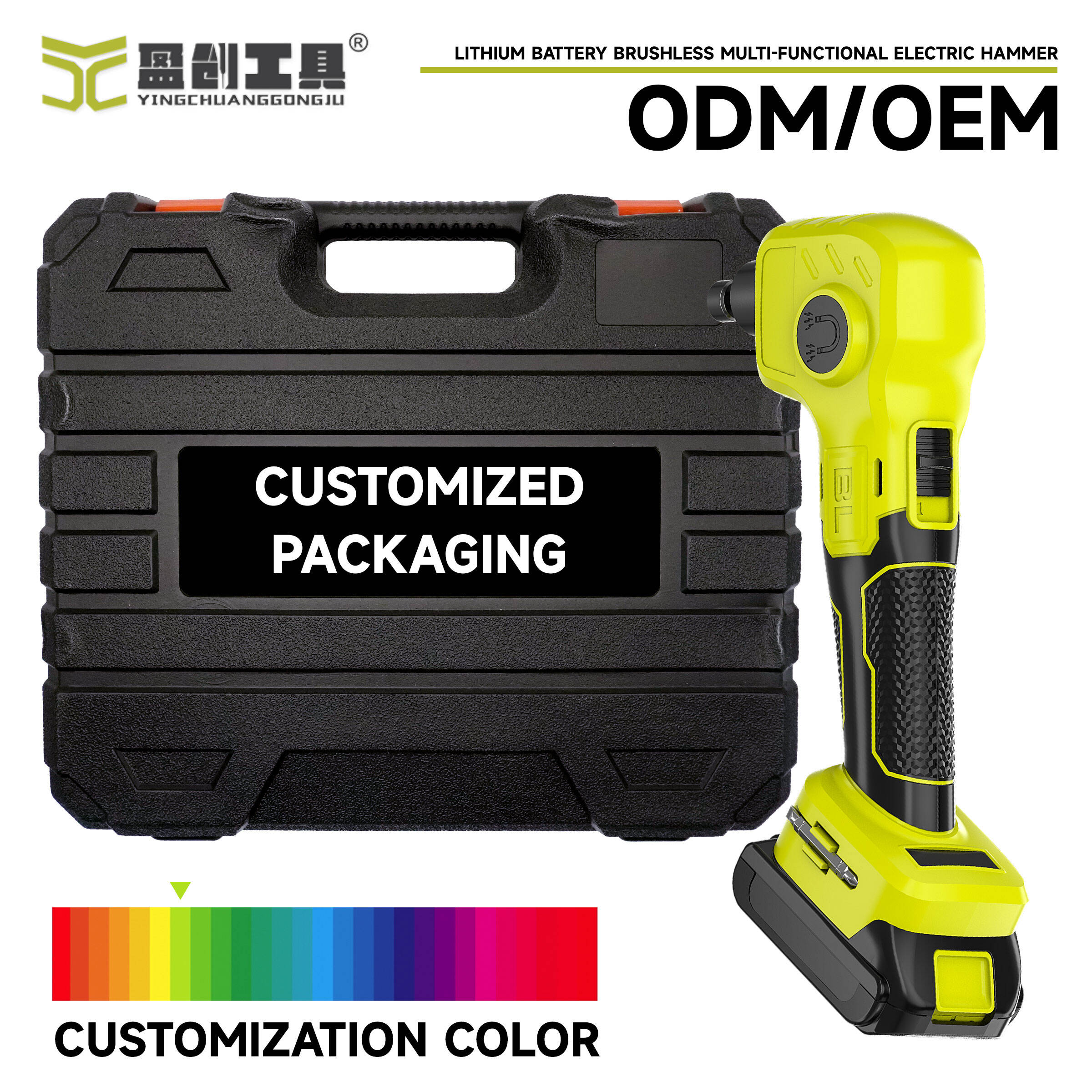
Čína se upevnila jako světový lídr v oblasti původního návrhového výrobního závodu (ODM), kde tisíce specializovaných společností nabízí komplexní služby v oblasti návrhu a výroby v různorodých odvětvích. ODM scéna v Číně se i v roce 2025 stále rychle vyvíjí, a to díky technologickým inovacím, výrobnímu mistrovství a stále sofistikovanějším možnostem dodavatelských řetězců, které umožňují podnikům po celém světě efektivně uvádět své výrobky na trh.

Tato komplexní adresářová služba poskytuje zásadní poznatky o čínském ODM ekosystému, přičemž zdůrazňuje klíčové průmyslové shluky, výrobní kapacity a strategické výhody, které činí čínské ODM společnosti nezbytnými partnery pro mezinárodní značky. Porozumění současnému stavu trhu pomáhá podnikům identifikovat nejvhodnější ODM partnery pro jejich konkrétní požadavky na vývoj a výrobu produktů v dnešní konkurenční tržní situaci.
Porozumění čínskému ODM výrobnímu ekosystému
Základní ODM kapacity a integrace služeb
Čínské společnosti ODM vyvinuly sofistikované schopnosti, které sahají daleko za tradiční výrobu. Tyto společnosti integrují návrh výrobků, inženýrské činnosti, výrobu vzorových kusů a sériovou výrobu v rámci jednotné organizační struktury, čímž umožňují plynulé řízení projektů a zkracují dobu vývoje produktu do fáze uvedení na trh. Model ODM umožňuje mezinárodním značkám využít čínskou výrobní expertizu, aniž by musely odchýlit pozornost od svých základních obchodních činností, jako jsou marketing, distribuce a služby zákazníkům.
Moderní ODM operace v Číně obvykle zahrnují průmyslový design, strojní inženýrství, vývoj elektroniky, softwarovou integraci a procesy zajištění kvality. Tento komplexní přístup zajišťuje, že výrobky splňují mezinárodní normy a zároveň využívají cenově výhodných výrobních řešení. Integrace pokročilých technologií, jako je umělá inteligence, IoT funkce a chytré výrobní procesy, dále posílila hodnotovou nabídku čínských ODM služeb.
Řízení dodavatelského řetězce představuje další klíčovou sílu čínského ODM ekosystému. Významné společnosti udržují rozsáhlé sítě dodavatelů komponent, zdrojů surovin a logistických partnerů, což jim umožňuje optimalizovat náklady i dodací lhůty. Tento integrovaný přístup umožňuje ODM partnerům poskytovat kompletní řešení – od vývoje konceptu až po dodání finálního výrobku na globální trhy.
Geografické rozložení a průmyslové klastry
ODM průmysl v Číně je soustředěn v několika klíčových geografických oblastech, z nichž každá se specializuje na konkrétní kategorie výrobků a výrobní technologie. Perla řeky Zhujiang, jejímž střediskem jsou města Shenzen a Kanton, je hlavním centrem pro ODM činnosti v oblasti elektroniky a domů pro tisíce společností specializujících se na spotřební elektroniku, telekomunikační zařízení a chytré zařízení. Tato oblast těží z blízkosti finančních služeb v Hongkongu a zavedených mezinárodních obchodních vazeb.
Jang-c’-čiangská delty, včetně Šanghaje, Sü-čou a okolních měst, se zaměřuje především na automobilové komponenty, průmyslové zařízení a precizní výrobu. ODM společnosti v tomto regionu často poskytují služby mezinárodním značkám automobilů a výrobcům průmyslového zařízení, čímž využívají pokročilých výrobních technologií a kvalifikované inženýrské odbornosti. Silná infrastruktura a logistické kapacity regionu podporují složité operace dodavatelských řetězců vyžadované těmito odvětvími.
Mezi další významné ODM shluky patří oblast Pohai-wan kolem Pekingu a Tchien-ťinu, specializující se na letecký a kosmický průmysl, telekomunikace a těžké průmyslové zařízení. Jihozápadní regiony, jako jsou Čcheng-tu a Čchung-čching, se staly důležitými centry pro montáž elektroniky a rozvoj nových technologií, zatímco pobřežní provincie nadále dominují tradičním výrobním odvětvím.
Klíčová odvětví a specializace
Spotřební elektronika a chytrá zařízení
Odvětví spotřební elektroniky představuje největší koncentraci čínských společností poskytujících služby ODM, kdy tisíce specializovaných firem obsluhuje globální značky v oblasti chytrých telefonů, tabletů, nositelných zařízení a produktů pro chytré domácnosti. Tyto partneři ODM disponují hlubokými odbornými znalostmi v oblasti miniaturizace, technologií baterií, bezdrátových komunikací a návrhu uživatelského rozhraní. Významné společnosti v tomto odvětví často udržují vyhrazená výzkumná a vývojová střediska zaměřená na nově vznikající technologie, jako je například připojení 5G, zpracování umělé inteligence a pokročilá integrace senzorů.
Specialisté na ODM chytrých zařízení vyvinuli konkrétní odbornost v oblasti aplikací Internetu věcí (IoT), což umožňuje rychlý vývoj připojených produktů pro domácí automatizaci, sledování zdraví a průmyslové aplikace. Tyto společnosti obvykle nabízejí komplexní služby, včetně návrhu hardwaru, vývoje firmwaru, tvorby mobilních aplikací a integrace cloudových služeb. Schopnost poskytovat kompletní řešení „od konce do konce“ se stává stále důležitější, protože ekosystémy produktů jsou čím dál složitější a více propojené.
Zajištění kvality a dodržování předpisů představují klíčové schopnosti pro spotřební elektroniku ODM společnosti. Významné firmy mají certifikaci pro mezinárodní normy, jako jsou CE, FCC, RoHS a různé regionální předpisy. Tato odbornost umožňuje mezinárodním značkám uvádět své produkty současně na více globálních trhů a zároveň zajišťovat jejich soulad s místními předpisy a bezpečnostními standardy.
Automobilové komponenty a systémy
Čínský automobilový sektor ODM zažil obrovský růst, protože se domácí automobilový trh rozšiřoval a mezinárodní výrobci zřizovali místní výrobní zařízení. Společnosti ODM v tomto odvětví se specializují na různé automobilové systémy, včetně komponent pohonného ústrojí, elektronických řídicích jednotek, informačně-zábavních systémů a pokročilých systémů pro podporu řidiče. Přechod k elektrickým vozidlům (EV) vytvořil nové příležitosti pro specialisty ODM v oblasti systémů řízení baterií, řídicích jednotek elektrických motorů a nabíjecí infrastruktury.
Automobilové společnosti ODM musí splňovat přísné normy kvality, včetně certifikace ISO/TS 16949 a různých požadavků konkrétních výrobců OEM. Tyto firmy obvykle významně investují do zkušebních zařízení, systémů řízení kvality a procesů neustálého zlepšování, aby splnily očekávání automobilového průmyslu. Komplexita dodavatelských řetězců v automobilovém průmyslu vyžaduje, aby partneři ODM prokázali dlouhodobou stabilitu, finanční sílu a závazek k trvalému technologickému rozvoji.
Technologie elektrických vozidel se staly zvláště důležitou oblastí zaměření čínských automobilových společností ODM. Mnoho firem vyvinulo specializované schopnosti v oblasti systémů lithiových baterií, výkonové elektroniky a řešení pro propojení vozidel. Tato odborná způsobilost je umisťuje do výhodné pozice pro obsluhu jak domácích, tak mezinárodních automobilových výrobců v souvislosti s přechodem průmyslu k elektromobilitě a technologiím autonomního řízení.
Průmyslové zařízení a stroje
Průmyslové společnosti ODM v Číně obsluhují různorodé odvětví, včetně stavební techniky, zemědělských strojů, textilního vybavení a systémů pro automatizaci výroby. Tyto firmy obvykle disponují silnými schopnostmi v oblasti strojního inženýrství, pokročilým výrobním zařízením a odborností v hydraulických systémech, řídicí elektronice a technikách těžké výstavby. Průmyslový sektor ODM těží z rozsáhlých čínských projektů rozvoje infrastruktury a rostoucí domácí poptávky po pokročilém výrobním vybavení.
Automatizace a robotika představují rychle rostoucí specializační oblasti v rámci čínského průmyslového ODM sektoru. Společnosti působící v tomto odvětví vyvíjejí komplexní řešení pro automatizaci, včetně robotických systémů, programovatelných logických automatu (PLC), rozhraní člověk-stroj (HMI) a integrovaných softwarových platforem. Kombinace mechanické odbornosti, integrace elektroniky a schopností vývoje softwaru umožňuje těmto ODM partnerům poskytovat komplexní řešení pro automatizaci v různých průmyslových aplikacích.
Kvalitní standardy pro průmyslové ODM společnosti často zahrnují certifikaci ISO 9001 spolu s odvětvově specifickými standardy, jako je označení CE pro evropské trhy nebo certifikace UL pro aplikace v Severní Americe. Významné společnosti udržují rozsáhlé zkušební zařízení a procesy zajištění kvality, aby zajistily, že jejich výrobky splňují náročné požadavky průmyslových aplikací, včetně odolnosti, bezpečnosti a výkonových specifikací.
Inovace technologií a výzkumné kapacity
Výzkumná a vývojová infrastruktura
Vedoucí čínské společnosti poskytující služby ODM významně investovaly do výzkumu a vývoje, přičemž zřídily specializovaná inovační centra, zkušební laboratoře a týmy zabývající se technologickým vývojem. Tyto investice umožňují partnerům ODM zůstat na aktuální úrovni nově vznikajících technologií, vyvíjet vlastní řešení a poskytovat cenný příspěvek již v fázích koncepce výrobků. Mnoho společností udržuje úroveň výdajů na výzkum a vývoj srovnatelnou s mezinárodními technologickými firmami a zaměřuje své zdroje na oblasti jako umělá inteligence, pokročilé materiály a udržitelné výrobní procesy.
Spolupráce s univerzitami a výzkumnými institucemi se stává mezi nejlepšími ODM společnostmi stále běžnější. Tyto partnerství poskytují přístup k nejnovějším výzkumům, talentovaným absolventům technických oborů a programům vládního financování podporujícím technologický rozvoj. Mnoho ODM firem udržuje společné laboratoře s předními čínskými univerzitami, zaměřené na konkrétní technologické oblasti, které jsou relevantní pro jejich tržní specializace a požadavky zákazníků.
Mezinárodní technologická partnerství a licenční dohody umožňují čínským ODM společnostem přístup k pokročilým technologiím, zatímco tyto společnosti přispívají svými odbornými znalostmi v oblasti výroby a tržními informacemi. Tyto vztahy často vedou k dohodám o převodu technologií, které přinášejí výhody oběma stranám: ODM společnosti získávají přístup k proprietárním technologiím, zatímco mezinárodní partneři profitují z nákladově efektivní výroby a rychlých schopností vývoje produktů.
Výrobní technologie a automatizace
Pokročilé výrobní technologie se staly základními konkurenčními výhodami pro přední čínské společnosti poskytující služby ODM. Investice do automatizovaných výrobních linek, zařízení pro přesné obrábění a systémů řízení kvality umožňují těmto firmám dosahovat mezinárodních norem kvality a zároveň udržovat cenovou konkurenceschopnost. Mnoho společností implementovalo koncepty průmyslu 4.0, včetně propojeného výrobního vybavení, monitorování výroby v reálném čase a systémů prediktivní údržby.
Aditivní výroba a schopnosti rychlého prototypování umožňují společnostem poskytujícím služby ODM urychlit vývojové cykly produktů a zkrátit dobu vývoje nových produktů do fáze uvedení na trh. Významné firmy disponují rozsáhlými zařízeními pro 3D tisk, která podporují různé materiály a výrobní procesy, a umožňují tak rychlou iteraci během fází návrhu i malosériovou výrobu pro testování na trhu. Tyto kapacity jsou zvláště cenné v oblasti spotřební elektroniky a automobilového průmyslu, kde se vývojové cykly neustále zkracují.
Systémy řízení kvality v pokročilých zařízeních ODM zahrnují statistickou regulaci procesů, automatické inspekční systémy a technologie pro sledovatelnost, které splňují mezinárodní normy kvality. Mnoho společností získalo certifikaci Six Sigma a uplatňuje principy štíhlé výroby (lean manufacturing) za účelem optimalizace efektivity a minimalizace vad. Tyto systematické přístupy k řízení kvality umožňují partnerům ODM dodávat konzistentní výsledky i při výrobě ve velkém množství.
Kritéria výběru a aspekty partnerských vztahů
Technické schopnosti a certifikace
Hodnocení technických schopností představuje nejdůležitější faktor při výběru čínských ODM partnerů. Společnosti by měly posoudit inženýrskou způsobilost, výrobní zařízení, systémy řízení kvality a zkušební zařízení vzhledem ke svým konkrétním požadavkům na výrobek. Významní ODM dodavatelé obvykle disponují komplexním portfoliem certifikací, včetně standardů kvality ISO, odvětvově specifických certifikací a regulačních schválení pro cílové trhy. Tyto certifikace svědčí o závazku k řízení kvality a dodržování regulačních předpisů.
Zvažování výrobní kapacity a škálovatelnosti zahrnuje schopnost dosahovat požadovaného objemu výroby, dostupnost zařízení a schopnost reagovat na kolísání poptávky. Úspěšné ODM partnerství vyžaduje soulad mezi objemovými požadavky zákazníka a výrobními kapacitami dodavatele. Společnosti by měly posoudit nejen současnou kapacitu, ale také potenciál rozšíření a flexibilitu, která umožní uspokojit rostoucí podnikatelské potřeby nebo sezónní kolísání poptávky.
Schopnosti ochrany duševního vlastnictví se stávají stále důležitějším faktorem pro mezinárodní společnosti, které spolupracují s čínskými ODM firmami. Významné společnosti zavádějí komplexní politiky ochrany duševního vlastnictví, udržují zabezpečené databáze návrhů a stanovují jasné smluvní rámce pro správu důvěrných informací. Tyto opatření pomáhají zajistit, že návrhy a technologie zákazníků zůstanou chráněny po celou dobu vývoje a výroby.
Integrace a logistika dodavatelského řetězce
Schopnosti řízení dodavatelského řetězce přímo ovlivňují úspěch partnerství s ODM společnostmi, zejména u složitých výrobků vyžadujících více zdrojů komponent a montážních procesů. Významné ODM společnosti udržují rozsáhlé sítě dodavatelů, zavádějí programy kvalifikace dodavatelů a poskytují zákazníkům transparentnost dodavatelského řetězce. Tyto schopnosti umožňují lepší kontrolu nákladů, zajištění kvality a řízení dodacích lhůt v průběhu celého životního cyklu výrobku.
Logistické a distribuční kapacity zahrnují domácí přepravu, mezinárodní zásilky, celní vybavení a skladové služby. Mnoho ODM společností vyvinulo komplexní logistická řešení, která zjednodušují procesy mezinárodního obchodu pro své zákazníky. Tyto služby často zahrnují možnosti konsolidace zásilek, správu dokumentace a koordinaci s dopravci a celními makléři za účelem optimalizace dodávek produktů.
Řízení rizik a plánování kontinuity podnikání se staly nezbytnými aspekty po nedávných globálních poruchách dodavatelských řetězců. Významné ODM společnosti uplatňují diverzifikované strategie týkající se dodavatelů, udržují strategické úrovně zásob a vypracovávají náhradní plány pro různé scénáře poruch. Tyto kapacity pomáhají zajistit konzistentní výrobní a dodací výkon i v případě externích výzev, jako jsou nedostatky surovin nebo přerušení dopravy.
Často kladené otázky
Jaké jsou hlavní výhody spolupráce s čínskými ODM společnostmi?
Čínské společnosti ODM nabízejí několik klíčových výhod, mezi něž patří komplexní návrhové a výrobní kapacity, cenově výhodná řešení pro výrobu, rozsáhlé dodavatelské sítě a rychlé cykly vývoje produktů. Poskytují integrované služby od vývoje konceptu až po sériovou výrobu, čímž umožňují mezinárodním značkám zaměřit se na marketing a distribuci a zároveň využívat čínskou výrobní odbornost. Kromě toho mnoho čínských společností ODM vyvinulo pokročilé technologické kapacity a udržuje standardy kvality srovnatelné s mezinárodními konkurenty.
Jak ověřím kvalitu a spolehlivost čínských dodavatelů ODM?
Verifikace by měla zahrnovat přezkum certifikátů společnosti, jako je např. ISO 9001 a odvětvové normy, provedení auditů výrobních zařízení za účelem posouzení výrobních kapacit a systémů řízení kvality, ověření referencí zákazníků a studií případů, a také hodnocení finanční stability a obchodní historie. Služby třetích stran pro verifikaci mohou poskytnout nezávislé posouzení schopností dodavatelů, zatímco pilotní projekty nebo objednávky malých dávek umožňují přímé vyhodnocení kvality výrobků a výkonnosti služeb ještě před uzavřením rozsáhlejších partnerství.
Jaké typické minimální množství objednávek bych měl očekávat od čínských ODM společností?
Minimální objednací množství se výrazně liší v závislosti na složitosti produktu, požadavcích na přizpůsobení a zapojených výrobních procesech. Společnosti poskytující ODM služby pro spotřební elektroniku obvykle vyžadují minimální objednávky v rozmezí 1 000 až 10 000 kusů, zatímco u průmyslového zařízení nebo automobilových komponent mohou být minimální množství nižší kvůli vyšší ceně za kus. Mnoho ODM společností nabízí flexibilní podmínky pro minimální objednací množství u prvních objednávek nebo fází tvorby prototypů, přičemž pro následné objednávky po zavedení výrobních procesů jsou minimální množství snížena.
Jak mohu chránit své duševní vlastnictví při spolupráci s čínskými ODM partnery?
Strategie ochrany duševního vlastnictví zahrnují uzavírání komplexních dohod o nediskuzi, registraci obchodních značek a patentů v Číně, spolupráci s ODM společnostmi, které mají prokázané politiky ochrany duševního vlastnictví, a zavedení bezpečných postupů pro správu návrhových dat. Mnoho úspěšných partnerství zahrnuje postupné odhalování technických informací, přičemž kritické vlastní prvky jsou zveřejněny až po vytvoření důvěry a uzavření smluvní ochrany. Kromě toho spolupráce se zavedenými ODM společnostmi, které obsluhují mezinárodní značky, obvykle poskytuje lepší ochranu duševního vlastnictví díky jejich obavám o reputaci a stávajícím rámům dodržování předpisů.
