 EN
EN

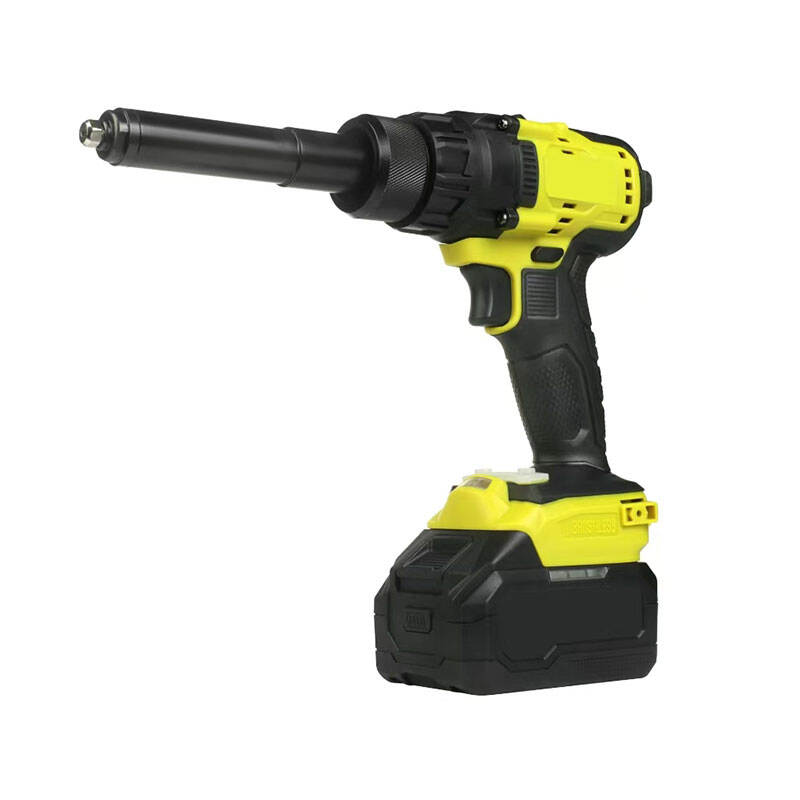
Auswahl der richtigen nietpistole für Ihre professionellen oder Heimwerkerprojekte erfordert ein Verständnis der wichtigsten Merkmale, der Preiskriterien sowie der Faktoren, die die Zuverlässigkeit einer Marke bestimmen. Eine hochwertige Nietpistole ist ein unverzichtbares Befestigungswerkzeug in zahlreichen Branchen – von der Kfz-Reparatur bis zum Bauwesen – und macht die Kaufentscheidung daher entscheidend für langfristige Produktivität und Wirtschaftlichkeit.
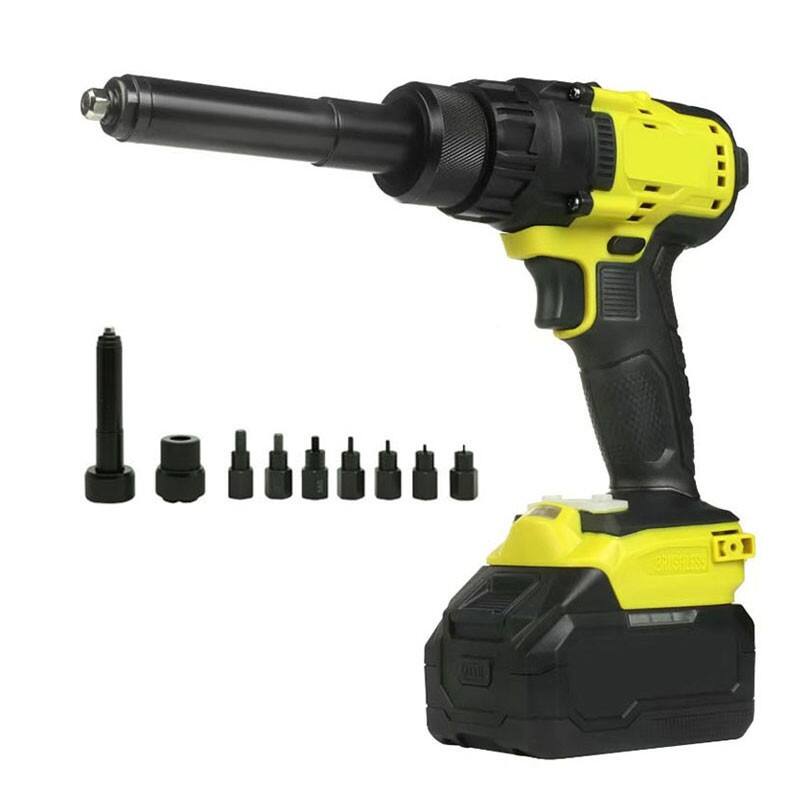
Dieser umfassende Kaufleitfaden untersucht die wesentlichen Merkmale, die die Leistung einer Nietpistole bestimmen, beleuchtet realistische Preisvorstellungen innerhalb verschiedener Werkzeugkategorien und liefert praktische Tipps zur Markenbewertung, um sicherzustellen, dass Ihre Investition zuverlässige Ergebnisse liefert. Ob Sie eine pneumatische Nietpistole für anspruchsvolle industrielle Anwendungen oder ein elektrisches Modell für den mittleren Werkstatteinsatz benötigen – das Verständnis dieser zentralen Faktoren führt Sie zu der am besten geeigneten Wahl für Ihre spezifischen Anforderungen.
Wesentliche Merkmale einer Nietpistole, die es zu bewerten gilt
Energiequelle und Betätigungsmechanismus
Die Energiequelle bestimmt grundlegend die Leistungsfähigkeit und die betriebliche Flexibilität Ihrer Nietpistole. Pneumatische Nietpistolen liefern eine konstant hohe Drehmomentleistung, die sich ideal für den kontinuierlichen industriellen Einsatz eignet; sie erfordern jedoch eine zuverlässige Druckluftversorgung, bieten aber ein überlegenes Leistungs-Gewichts-Verhältnis. Elektrische Nietpistolen bieten bequeme Mobilität und sofortige Einsatzbereitschaft ohne externe Luftkompressoren und eignen sich daher für Werkstattumgebungen sowie mobile Anwendungen.
Manuelle Nietpistolen arbeiten über mechanische Hebelwirkung und bieten vollständige Unabhängigkeit von Energiequellen, beschränken jedoch die erzielbare Kraft und Geschwindigkeit. Akkubetriebene kabellose Modelle vereinen Mobilität mit einer angemessenen Leistungsstufe, wobei jedoch Laufzeit und Ladeanforderungen die Durchgängigkeit des Arbeitsablaufs beeinträchtigen können. Ihre Wahl sollte auf Ihre typische Arbeitsumgebung, die verfügbare Infrastruktur und die erforderlichen Leistungsmerkmale abgestimmt sein.
Drehmomentausgang und Zugkraft
Die maximale Zugkraft steht in direktem Zusammenhang mit der Fähigkeit Ihrer Nietpistole, verschiedene Nietmaterialien und -größen effektiv zu verarbeiten. Professionelle Werkzeuge erzeugen typischerweise eine Zugkraft von 2.000 bis 4.000 Pfund, wodurch eine sichere Montage von Aluminium-, Stahl- und Edelstahlnieten mit einem Durchmesser von bis zu 6,4 mm gewährleistet ist. Höhere Drehmomentwerte erweitern die Materialkompatibilität und stellen eine konsistente Nietformgebung bei anspruchsvollen Anwendungen sicher.
Berücksichtigen Sie Ihre üblichen Nietfestlegungen bei der Bewertung der erforderlichen Zugkraft, da unterdimensionierte Werkzeuge bei größeren Verbindungselementen an ihre Grenzen stoßen, während überdimensionierte Modelle empfindliche Materialien beschädigen können. Stufenlose Drehmomentregelungen ermöglichen eine Feinabstimmung für unterschiedliche Anwendungen und verhindern so eine Überkompression, während gleichzeitig eine ausreichende Haltekraft für die strukturelle Integrität sichergestellt wird.
Ergonomisches Design und Benutzerkomfort
Eine längere Nutzung erfordert ein ergonomisches Griffdesign und eine ausgewogene Gewichtsverteilung, um die Ermüdung des Bedieners zu reduzieren und die Präzision zu bewahren. Hochwertige Nietpistolen verfügen über formschöne Griffe mit rutschfesten Oberflächen, Auslösemechanismen, die nur einen geringen Fingerdruck erfordern, sowie eine gesamte Werkzeuggeometrie, die während des Betriebs eine natürliche Handgelenksausrichtung fördert.
Die Gewichtsverteilung beeinflusst die Handhabung erheblich – insbesondere bei Anwendungen über Kopf oder bei längerer Einsatzdauer. Gut konstruierte Werkzeuge platzieren schwerere Komponenten nahe dem Griffbereich, wodurch ein nose-heavy-Gleichgewicht (Schwerpunkt vorne) vermieden wird, das zu einer Überlastung des Arms führt. Systeme zur Schwingungsdämpfung steigern zudem den Komfort und verbessern gleichzeitig die Genauigkeit bei präzisen Positionieraufgaben.
Preisstruktur und Wertüberlegungen für Nietpistolen
Einsteigerpreisbereich und Leistungsfähigkeit
Einfache manuelle Nietzangen kosten in der Regel zwischen 15 und 50 US-Dollar und bieten eine ausreichende Leistung für gelegentliche Heimwerkerprojekte und leichte Anwendungen. Diese Werkzeuge verarbeiten Standard-Aluminiumniete effektiv, stoßen jedoch bei härteren Materialien oder bei häufigem Einsatz an ihre Grenzen. Einstiegsmodelle mit Elektroantrieb liegen im Preisbereich von 80 bis 150 US-Dollar und bieten motorisierte Unterstützung bei gleichzeitig erschwinglichen Preisen für Hobbyanwender und kleine Werkstätten.
Preisbewusste Käufer sollten die Verarbeitungsqualität sorgfältig prüfen, da extrem günstige Modelle oft auf Kosten von Langlebigkeit und Präzision gehen. Angemessene Investitionen in Einsteigermodelle gewährleisten zuverlässige Leistung für entsprechende Anwendungen und vermitteln zugleich erste Erfahrungen mit nietpistole der Bedienung, bevor auf professionelle Geräte umgestiegen wird.
Preise und Leistung professioneller Geräte
Industrielle pneumatische Nietpistolen kosten zwischen 200 und 800 US-Dollar und zeichnen sich durch eine robuste Konstruktion, konsistente Leistung sowie hohe Erwartungen an die Lebensdauer aus. Diese Werkzeuge rechtfertigen ihre höhere Kosten durch überlegene Drehmomentleistung, präzise Steuerungssysteme und die Fähigkeit, einen kontinuierlichen Betrieb über mehrere Schichten hinweg ohne Leistungseinbußen zu gewährleisten.
Hochwertige elektrische Nietpistolen liegen im Preisbereich von 300 bis 1.200 US-Dollar und verfügen über fortschrittliche Motortechnologie, elektronische Drehmomentsteuerung sowie hochwertige Materialien, die speziell für professionelle Einsatzumgebungen entwickelt wurden. Eine Investition in dieser Preisklasse bietet in der Regel eine mehrjährige Einsatzdauer mit nur geringem Wartungsaufwand, wodurch die höhere Anschaffungskosten für regelmäßige Anwender wirtschaftlich sinnvoll sind.
Gesamtkosten der Nutzung Faktoren
Neben dem Anschaffungspreis sind auch die laufenden Betriebskosten zu berücksichtigen, darunter Ersatz-Nasenstücke, Wartungsanforderungen und Verbrauchsteile. Pneumatische Systeme erfordern den Betrieb eines Luftkompressors sowie gelegentlich den Austausch von Dichtungen, während elektrische Modelle im Laufe der Zeit möglicherweise Batteriewechsel oder Motorwartung benötigen.
Hochwertige Werkzeuge verfügen häufig über vom Anwender austauschbare Verschleißteile, wodurch sich die Nutzungsdauer verlängert und die Gesamtbetriebskosten im Vergleich zu Einwegalternativen gesenkt werden. Zu berücksichtigen sind zudem Produktivitätsvorteile durch zuverlässigen Betrieb, da Ausfälle von Werkzeugen während kritischer Projekte deutlich höhere Kosten verursachen können als die anfängliche Investition in bewährte Geräte.
Markenbewertung und Auswahlkriterien
Etablierter Markenruf und Marktposition
Anerkannte Hersteller von Nietpistolen pflegen in der Regel konsistente Qualitätsstandards, umfassende Service-Netzwerke und leicht verfügbare Ersatzteile. Recherchieren Sie die Markengeschichte auf professionellen Werkzeugmärkten, wobei der Fokus auf Unternehmen mit nachgewiesener Expertise in der Verbindungstechnik und nicht auf solchen liegen sollte, die sich aus nicht verwandten Branchen heraus diversifiziert haben.
Fachliche Empfehlungen erfahrener Techniker liefern wertvolle Einblicke in die praktische Leistungsfähigkeit und Zuverlässigkeit. Fachverbände, technische Foren und branchenspezifische Publikationen heben häufig Marken hervor, die sich unter anspruchsvollen Bedingungen stets bewährt haben, was bei der Identifizierung geeigneter Hersteller hilfreich ist.
Garantieleistungen und Supportdienstleistungen
Umfassende Garantiebedingungen signalisieren das Vertrauen des Herstellers in die Produktlanglebigkeit und schützen Ihre Investition vor vorzeitigem Ausfall. Achten Sie darauf, dass die Abdeckung über bloße Material- oder Herstellungsfehler hinausgeht und auch Verschleißteile umfasst, sowie auf klare Regelungen zu Reparatur- oder Austauschverfahren.
Die Verfügbarkeit lokaler Serviceleistungen beeinflusst die langfristige Zufriedenheit mit dem Fahrzeugbesitz, insbesondere bei professionellen Anwendungen, bei denen Ausfallzeiten unmittelbar die Produktivität beeinträchtigen. Marken, die autorisierte Servicezentren oder eine umfassende Ersatzteilverfügbarkeit sicherstellen, gewährleisten den Betrieb auch nach Ablauf der Garantie.
Innovation und Technologieintegration
Führende Hersteller von Nietpistolen verbessern ihre Konstruktionen kontinuierlich durch fortschrittliche Materialien, elektronische Steuerungen und ergonomische Optimierungen. Prüfen Sie aktuelle Modellaktualisierungen und technologische Fortschritte, die im Vergleich zu älteren Konstruktionen Leistung, Sicherheit oder Benutzererfahrung verbessern.
Vermeiden Sie jedoch, für unnötige Komplexität, die nicht Ihren Anwendungsanforderungen entspricht, einen Aufpreis zu zahlen. Konzentrieren Sie sich auf Innovationen, die konkrete Vorteile für Ihre spezifischen Einsatzmuster bieten, anstatt Funktionen allein wegen ihres technologischen Neuheitswerts zu verfolgen.
Anwendungsspezifische Auswahlrichtlinien
Industrielle und fertigungstechnische Anforderungen
Produktionsumgebungen mit hohem Durchsatz erfordern Nietpistolen, die über längere Betriebszeiten hinweg eine konsistente Leistung bieten. Pneumatische Modelle zeichnen sich in der Regel bei diesen Anwendungen aus, da sie eine zuverlässige Drehmomentabgabe gewährleisten und gleichzeitig die Erwärmung minimieren, die sonst die Präzision oder den Bedienkomfort des Anwenders bei kontinuierlichem Einsatz beeinträchtigen könnte.
Berücksichtigen Sie die Integrationsanforderungen mit bestehenden Druckluftsystemen und stellen Sie sicher, dass ein ausreichender Versorgungsdruck und ein ausreichendes Luftvolumen für eine optimale Leistung der Nietpistole zur Verfügung stehen. Schnellkupplungen, einstellbare Druckregler sowie kompatible Schlauchsysteme ermöglichen einen effizienten Arbeitsablauf und gewährleisten gleichzeitig die Einhaltung der Sicherheitsstandards in industriellen Umgebungen.
Automobil- und Reparaturanwendungen
Nietpistolen-Anwendungen im Automobilbereich umfassen häufig unterschiedliche Zugangswinkel, gemischte Materialien und hohe Präzisionsanforderungen, weshalb vielseitige Werkzeuge mit justierbaren Einstellungen bevorzugt werden. Elektrische Modelle bieten hervorragende Mobilität für mobile Reparatureinsätze und liefern gleichzeitig ausreichend Leistung für gängige automobilspezifische Nietfertigungsaufgaben.
Karosserie-Werkstätten profitieren von Nietpistolen mit präzisen Steuerungssystemen, die eine Überkompression empfindlicher Blechteile verhindern und gleichzeitig eine ausreichende Haltekraft für strukturelle Reparaturen sicherstellen. Schallminderungsmerkmale gewinnen in Kundenkontaktbereichen zunehmend an Bedeutung.
Überlegungen für Heimwerker und Hobbyprojekte
Gelegentliche Anwender sollten Benutzerfreundlichkeit, platzsparende Aufbewahrung und ein angemessenes Preis-Leistungs-Verhältnis stärker berücksichtigen als maximale Leistungsmerkmale. Manuelle Nietpistolen bieten häufig ausreichende Funktionalität für typische Heimwerkeranwendungen, erfordern nur geringen Wartungsaufwand und sind unabhängig von einer Stromversorgung jederzeit einsatzbereit.
Elektrische Nietpistolen eignen sich gut für Bastler, wenn Projekte zahlreiche Nieten oder härtere Materialien umfassen, bei denen manuelle Arbeit zu Ermüdung führen würde. Akkubetriebene Modelle eliminieren Kabelmanagement-Probleme und bieten eine ausreichende Betriebszeit für übliche Projektzeiträume.
Häufig gestellte Fragen
Welche Nietgrößen kann eine Standard-Nietpistole verarbeiten?
Die meisten Nietpistolen verarbeiten Nieten mit Durchmessern von 2,4 mm bis 6,4 mm; die genaue Kapazität variiert je nach Modell und Antriebsart. Manuelle Werkzeuge bewältigen in der Regel kleinere Durchmesser effektiv, während pneumatische und elektrische Modelle die Verarbeitung größerer Durchmesser ermöglichen. Überprüfen Sie stets die Kompatibilität der zu verwendenden Nieten mit Ihrem gewählten Werkzeug vor dem Kauf, um eine ausreichende Leistung für Ihre Anwendungen sicherzustellen.
Wie viel muss ich für eine hochwertige Nietpistole ausgeben?
Die Preise für hochwertige Nietpistolen variieren erheblich je nach Typ und vorgesehener Einsatzart. Manuelle Modelle für Heimwerkerprojekte kosten 20–60 USD, elektrische Versionen für den Werkstatteinsatz liegen zwischen 100 und 300 USD, während professionelle pneumatische Werkzeuge typischerweise 250–600 USD kosten. Berücksichtigen Sie bei der Festlegung Ihres Budgets Ihre geplante Einsatzhäufigkeit und Leistungsanforderungen, da eine Investition in die passende Qualität Frustration und Folgekosten durch Ersatz vermeidet.
Brauche ich für professionelle Arbeiten eine pneumatische Nietpistole?
Pneumatische Nietpistolen zeichnen sich in professionellen Anwendungen mit hohem Aufkommen durch ein konstantes Drehmoment, eine geringere Ermüdung des Bedieners und überlegene Leistungs-zu-Gewichts-Verhältnisse aus. Hochwertige elektrische Modelle bieten jedoch mittlerweile eine ausreichende Leistung für viele professionelle Einsatzszenarien und zugleich eine höhere Mobilität. Bewerten Sie Ihre spezifische Arbeitsumgebung, die verfügbare Infrastruktur sowie die typischen Anforderungen Ihrer Projekte, um die am besten geeignete Antriebsart zu ermitteln.
Welche Wartung erfordert eine Nietpistole?
Zu einer regelmäßigen Wartung einer Nietpistole gehört das Entfernen von Schmutz und Rückständen von den Nasenstücken, das Schmieren beweglicher Komponenten gemäß den Herstellerangaben sowie die Inspektion verschleißanfälliger Teile auf eventuellen Austauschbedarf. Pneumatische Modelle benötigen gelegentlich den Austausch von Dichtungen und eine ordnungsgemäße Luftfiltration, während elektrische Werkzeuge im Laufe der Zeit möglicherweise eine Wartung der Kohlebürsten oder des Motors erfordern. Die Einhaltung der vorgeschriebenen Wartungsintervalle verlängert die Lebensdauer des Geräts deutlich und gewährleistet eine optimale Leistung.
