 EN
EN

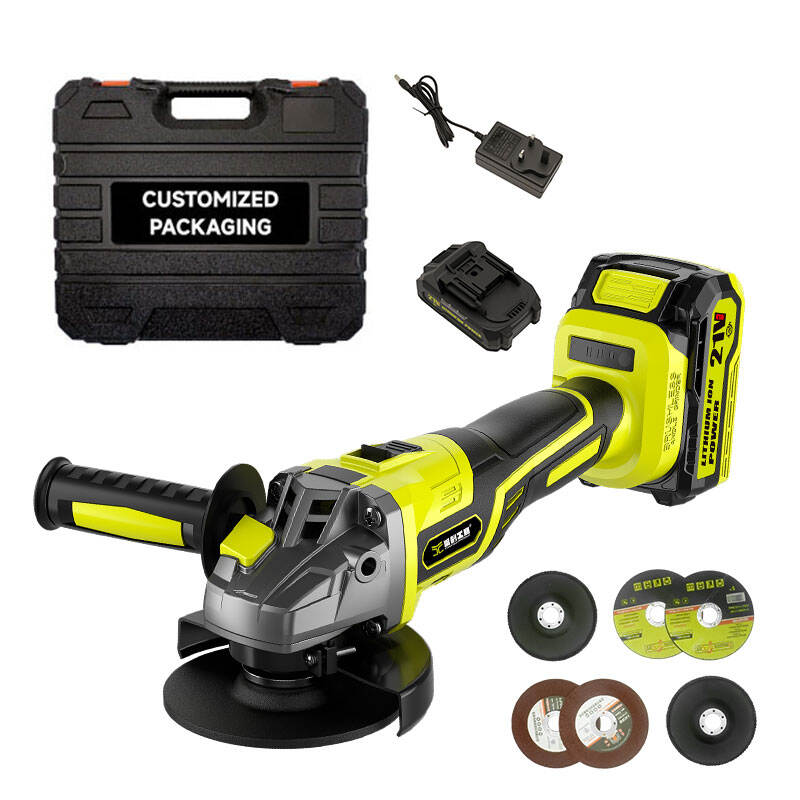
Επιλογή του σωστού γωνιακός Τροχός το 2025 απαιτεί κατανόηση των εξελισσόμενων προτύπων τεχνολογίας, των κριτηρίων απόδοσης και των απαιτήσεων που εξαρτώνται από τη συγκεκριμένη εφαρμογή και ορίζουν εργαλεία μεταλλουργικής επεξεργασίας και κατασκευών επαγγελματικού επιπέδου. Αυτός ο εκτενής οδηγός αγοράς εξετάζει κρίσιμα κριτήρια αξιολόγησης, όπως οι προδιαγραφές του κινητήρα, η συμβατότητα με δίσκους, οι παράγοντες εργονομικού σχεδιασμού και τα χαρακτηριστικά ασφαλείας που διαχωρίζουν τα εξαιρετικά μοντέλα γωνιακών λειαντικών από τα ανεπαρκή εναλλακτικά. Είτε εξοπλίζετε ένα βιομηχανικό εργαστήριο κατασκευής, είτε διαχειρίζεστε κατασκευαστικά έργα, είτε εξοπλίζετε εγκαταστάσεις συντήρησης, το πλαίσιο λήψης αποφάσεων που παρουσιάζεται εδώ παρέχει εφαρμόσιμες διαπιστώσεις για τη λήψη ενημερωμένων αποφάσεων αγοράς, οι οποίες συμβαδίζουν με τις απαιτήσεις λειτουργίας και τους περιορισμούς του προϋπολογισμού.
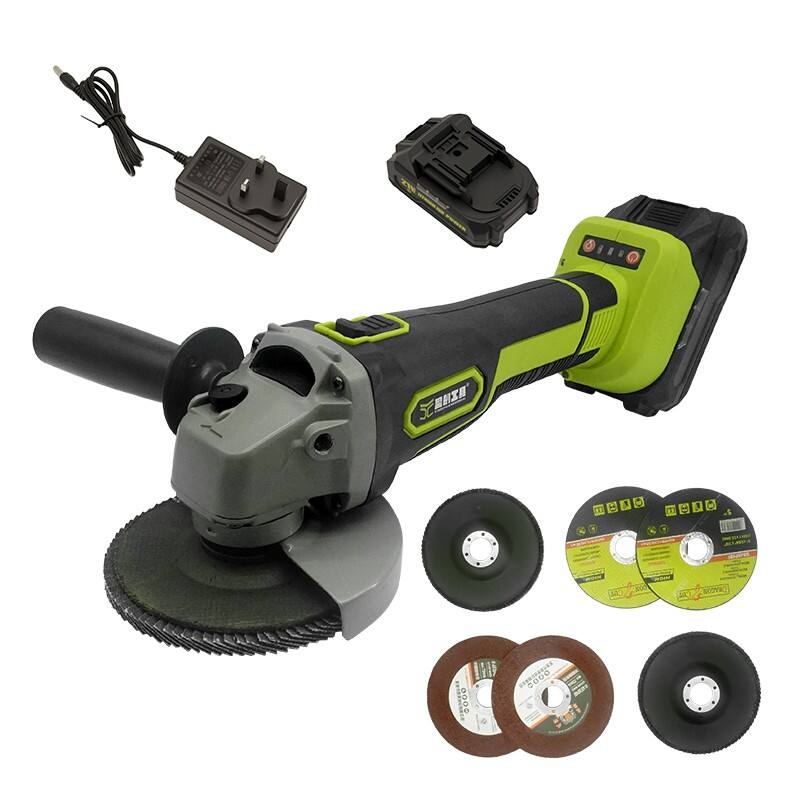
Η αγορά γωνιακών τροχών το 2025 παρουσιάζει σημαντικές τεχνολογικές εξελίξεις στην απόδοση των κινητήρων χωρίς ψήκτρες, την χωρητικότητα της μπαταρίας ιόντων λιθίου και τα έξυπνα ηλεκτρονικά συστήματα ελέγχου που ενισχύουν τόσο την παραγωγικότητα όσο και την ασφάλεια του χειριστή. Σύγχρονο γωνιακός Τροχός τα σχέδια ενσωματώνουν έλεγχο μεταβλητής ταχύτητας, μηχανισμούς κατά του κλωτσήματος και συστήματα διαχείρισης σκόνης που αντιμετωπίζουν μακροχρόνια προβλήματα σε περιβάλλοντα μεταλλουργίας. Αυτός ο οδηγός αξιολογεί αυτές τις καινοτομίες μέσα από το πρίσμα πραγματικών σεναρίων εφαρμογών, εξετάζοντας πώς συγκεκριμένες επιλογές σχεδιασμού επηρεάζουν την ακρίβεια κοπής, την αντοχή λείανσης και το μακροπρόθεσμο λειτουργικό κόστος σε ποικίλα βιομηχανικά περιβάλλοντα.
Κατανόηση των προδιαγραφών απόδοσης των γωνιακών τροχών
Ισχύς κινητήρα και βασικές αρχές περιστροφικής ταχύτητας
Το σύστημα κινητήρα αντιπροσωπεύει τον βασικό παράγοντα απόδοσης σε κάθε αξιολόγηση γωνιακών τροχών. Τα επαγγελματικά μοντέλα του 2025 διαθέτουν συνήθως σχέδια κινητήρων χωρίς ψήκτρες που αποδίδουν μεταξύ 750 watt και 2400 watt, με τις διαμορφώσεις χωρίς ψήκτρες να προσφέρουν περίπου 30% μεγαλύτερη απόδοση σε σύγκριση με τις παραδοσιακές εναλλακτικές λύσεις με ψήκτρες. Η ταχύτητα περιστροφής, μετρούμενη σε στροφές ανά λεπτό, επηρεάζει άμεσα τους ρυθμούς αφαίρεσης υλικού και την καταλληλότητα εφαρμογής, με τις περισσότερες βιομηχανικές μονάδες γωνιακών τροχών να λειτουργούν μεταξύ 6000 και 11000 σ.α.λ. σε συνθήκες χωρίς φορτίο. Οι κινητήρες υψηλότερης ισχύος παρέχουν ανώτερη σταθερότητα ροπής κατά την εργασία με πυκνά υλικά όπως σκληρυμένο χάλυβα ή οπλισμένο σκυρόδεμα, αποτρέποντας το σβήσιμο του κινητήρα που υπονομεύει την ποιότητα εργασίας και επιταχύνει τη φθορά των εξαρτημάτων.
Η τεχνολογία ελέγχου μεταβλητής ταχύτητας έχει καταστεί όλο και πιο προηγμένη, επιτρέποντας στους χειριστές να προσαρμόζουν την περιστροφική ταχύτητα σε συγκεκριμένα χαρακτηριστικά των υλικών και τους τύπους λειτουργίας. Τα ηλεκτρονικά συστήματα ρύθμισης ταχύτητας διατηρούν σταθερές στροφές ανά λεπτό (RPM) υπό διαφορετικές συνθήκες φόρτισης, αποτρέποντας την επιδείνωση της απόδοσης που παρατηρείται με τα μηχανικά συστήματα ρύθμισης. Κατά την αξιολόγηση των προδιαγραφών του κινητήρα γωνιακού τροχού, λάβετε υπόψη τη σχέση μεταξύ ισχύος εξόδου και δυνατοτήτων διαχείρισης της θερμότητας, καθώς ανεπαρκή συστήματα ψύξης σε μονάδες υψηλής κατανάλωσης οδηγούν σε πρόωρη αστοχία του κινητήρα και μειωμένο χρόνο λειτουργικής ζωής.
Συμβατότητα μεγέθους δίσκου και εύρος εφαρμογών
Η συμβατότητα της διαμέτρου του δίσκου καθορίζει ουσιαστικά τη λειτουργική ευελιξία ενός γωνιακού τροχού, με τις τυπικές διαμέτρους να κυμαίνονται από 100 mm έως 230 mm σε επαγγελματικές εφαρμογές. Οι δίσκοι διαμέτρου 115 mm και 125 mm κυριαρχούν σε γενικές εφαρμογές επεξεργασίας μετάλλων και κατασκευής, προσφέροντας ιδανική ισορροπία μεταξύ βάθους κοπής και ευκαμψίας σε περιορισμένους χώρους εργασίας. Μεγαλύτερα μοντέλα γωνιακών τροχών διαμέτρου 180 mm και 230 mm παρέχουν βαθύτερη δυνατότητα κοπής, απαραίτητη για την επεξεργασία δομικού χάλυβα και την εντατική προετοιμασία σκυροδέματος, αν και αυτές οι διαμορφώσεις θυσιάζουν την ευκινησία και απαιτούν μεγαλύτερη φυσική δύναμη από τον χειριστή για παρατεταμένη χρήση.
Η σχέση μεταξύ διαμέτρου δίσκου και μέγιστης στροφορμής ακολουθεί αντιστρόφως ανάλογη δυναμική, με τους μικρότερους δίσκους να επιτυγχάνουν υψηλότερες περιφερειακές ταχύτητες σε ισοδύναμες στροφές του κινητήρα. Αυτό το χαρακτηριστικό επηρεάζει τη συμβατότητα με υλικά, καθώς ορισμένες κράματα και σύνθετα υλικά απαιτούν συγκεκριμένα εύρη ταχύτητας επιφάνειας για να αποφευχθεί η θερμική ζημιά ή η πρόωρη απόσβεση του αποξεστικού υλικού. Τα επαγγελματικά συστήματα γωνιακών τροχών περιλαμβάνουν μηχανισμούς αλλαγής δίσκου χωρίς εργαλεία, οι οποίοι μειώνουν τον χρόνο αδράνειας κατά τη διάρκεια πολυεργασιακών ροών εργασίας — μια λειτουργία ιδιαίτερα αξιόλογη σε περιβάλλοντα υψηλού όγκου κατασκευής, όπου οι γρήγορες μεταβάσεις μεταξύ εξαρτημάτων επηρεάζουν άμεσα την παραγωγικότητα.
Εξετάσεις σχετικά με την Πηγή Ενέργειας: Με Καλώδιο έναντι Ασύρματα
Η απόφαση μεταξύ ενός γωνιακού τροχού με καλώδιο ή με μπαταρία περιλαμβάνει την αξιολόγηση των απαιτήσεων συνεχούς ισχύος έναντι των περιορισμών κινητικότητας που είναι ενδεμικά σε συγκεκριμένα εργασιακά περιβάλλοντα. Τα μοντέλα με καλώδιο παρέχουν αδιάκοπη ισχύ, κατάλληλη για εκτεταμένες διαδικασίες λείανσης και επιμελημένες εργασίες κοπής υψηλής απαίτησης, εξαλείφοντας την ανησυχία για εκφόρτιση της μπαταρίας κατά τις κρίσιμες φάσεις του έργου. Αυτές οι μονάδες προσφέρουν συνήθως ανώτερο λόγο ισχύος προς βάρος, καθώς αποφεύγουν την επιπλέον μάζα των ενσωματωμένων συστημάτων μπαταριών που χαρακτηρίζουν τις ασύρματες εναλλακτικές λύσεις.
Η τεχνολογία των ασύρματων γωνιακών τροχών έχει προχωρήσει σημαντικά, με σύγχρονα συστήματα λιθίου-ιόντων μπαταριών που προσφέρουν πλατφόρμες 36 έως 54 βολτ, οι οποίες πλησιάζουν την απόδοση των μοντέλων με καλώδιο σε πολλές εφαρμογές. Τα γωνιακός Τροχός η χρήση τεχνολογίας κινητήρων χωρίς ψήκτρες σε συνδυασμό με κύτταρα μπαταριών υψηλής χωρητικότητας προσφέρει εντυπωσιακά πλεονεκτήματα για εργασίες απομακρυσμένης εγκατάστασης, εργασίες συντήρησης επιτόπου και περιβάλλοντα όπου η πρόσβαση στην ηλεκτρική υποδομή δημιουργεί λογιστικές δυσκολίες. Η διάρκεια λειτουργίας της μπαταρίας κυμαίνεται συνήθως από 30 έως 90 λεπτά υπό συνεχή μετρίως φορτισμένη λειτουργία, ενώ τα συστήματα γρήγορης φόρτισης αποκαθιστούν το 80% της χωρητικότητας εντός 30 έως 45 λεπτών.
Κρίσιμα Χαρακτηριστικά Ασφαλείας και Στοιχεία Εργονομικού Σχεδιασμού
Πρόληψη Αντίδρασης (Kickback) και Ηλεκτρονικά Συστήματα Ελέγχου
Οι προηγμένα μοντέλα γωνιακών λειαντρών του 2025 ενσωματώνουν εξελιγμένα ηλεκτρονικά συστήματα παρακολούθησης που ανιχνεύουν συνθήκες «κόλληματος» του δίσκου και εφαρμόζουν αυτόματα πρωτόκολλα διακοπής του κινητήρα πριν από την εμφάνιση επικίνδυνων φαινομένων «αντίδρασης». Αυτά τα έξυπνα συστήματα ελέγχου αναλύουν σε πραγματικό χρόνο τα μοτίβα επιβράδυνσης της περιστροφής, διακρίνοντας μεταξύ της κανονικής λειτουργικής αντίστασης και της αιφνίδιας «κόλλησης» του δίσκου, η οποία προηγείται της βίαιης μετατόπισης του εργαλείου. Οι κατασκευαστές αναφέρουν ότι η ηλεκτρονική πρόληψη της «αντίδρασης» μειώνει τα περιστατικά τραυματισμών κατά περίπου 60 τοις εκατό σε σύγκριση με τα αποκλειστικά μηχανικά συστήματα ασφαλείας, αποτελώντας μία από τις σημαντικότερες προόδους στη σύγχρονη σχεδίαση ηλεκτρικών εργαλείων.
Η τεχνολογία μαλακής εκκίνησης ελαχιστοποιεί την αρχική ροπή κατά την ενεργοποίηση του γωνιακού τροχού, αποτρέποντας το αιφνίδιο περιστροφικό «τραβηγμα» που μπορεί να επηρεάσει τη λαβή του χειριστή κατά την εκκίνηση. Αυτή η λειτουργία αποδεικνύεται ιδιαίτερα χρήσιμη κατά την εργασία από δύσκολες θέσεις ή κατά τη χρήση διαμέτρων μεγαλύτερης διαστασιολόγησης, όπου η στροφορμή δημιουργεί σημαντικές αντιδραστικές δυνάμεις. Τα ηλεκτρονικά συστήματα φρένων αποδιαχέουν γρήγορα την κινητική ενέργεια του κινητήρα όταν αφεθεί η σκανδάλη, μειώνοντας τον χρόνο αυτόματης περιστροφής (coasting) από τους συνήθεις 8–12 δευτερόλεπτα σε λιγότερο από 3 δευτερόλεπτα, με αποτέλεσμα την ελαχιστοποίηση των ακούσιων τραυματισμών επαφής κατά την επανατοποθέτηση του εργαλείου.
Σχεδιασμός Προστατευτικού Θώρακα και Συστήματα Διαχείρισης Σκόνης
Η διάταξη της προστατευτικής θωράκισης σε μία γωνιακή λειαντική μηχανή εξυπηρετεί δύο σκοπούς: τον περιορισμό των θραυσμάτων του δίσκου και την απόκλιση των σπινθήρων μακριά από το χειριστή. Τα θωρακίσματα επαγγελματικής κατηγορίας διαθέτουν μηχανισμούς ρύθμισης χωρίς εργαλεία, που επιτρέπουν γρήγορη επανατοποθέτηση μέσω περιστροφής 360 μοιρών, εξασφαλίζοντας έτσι τη βέλτιστη στροφή της προστασίας ανεξάρτητα από τη γωνία κοπής ή τον προσανατολισμό του εξαρτήματος. Τα υλικά κατασκευής των θωρακισμάτων έχουν εξελιχθεί ώστε να περιλαμβάνουν ενισχυμένα πολυμερή σύνθετα υλικά, τα οποία παρέχουν αντοχή σε κρούση ισοδύναμη με αυτήν των παραδοσιακών σχεδίων από χάλυβα, ενώ μειώνουν το συνολικό βάρος του εργαλείου κατά 15 έως 20 τοις εκατό.
Τα ενσωματωμένα συστήματα απορρόφησης σκόνης αποτελούν όλο και πιο διαδεδομένα χαρακτηριστικά σε προηγούμενα μοντέλα γωνιακών τροχών, αντιμετωπίζοντας ζητήματα υγείας του αναπνευστικού συστήματος σε κλειστούς χώρους εργασίας. Αυτά τα συστήματα περιλαμβάνουν προσαρτήσεις περίβληματος που συλλέγουν τα αιωρούμενα σωματίδια στο σημείο παραγωγής τους, καθοδηγώντας τον μολυσμένο αέρα μέσω μονάδων φιλτραρίσματος HEPA ή προς κεντρικά συστήματα απορρόφησης. Η αποτελεσματική διαχείριση της σκόνης γίνεται ιδιαίτερα κρίσιμη κατά την τροχίδρυση υλικών που περιέχουν πυρίτιο, μεταλλικά οξείδια ή σύνθετες ρητίνες, τα οποία ενέχουν σημαντικούς μακροπρόθεσμους κινδύνους για το αναπνευστικό σύστημα με συσσωρευτική έκθεση.
Διάταξη λαβών και απορρόφηση της δόνησης
Ο ανθρωπομετρικός σχεδιασμός της λαβής επηρεάζει σημαντικά τα επίπεδα κόπωσης του χειριστή κατά τη διάρκεια παρατεταμένης χρήσης γωνιακού τροχού, ενώ οι σύγχρονες μονάδες προσφέρουν πολλαπλές επιλογές θέσης λαβής για να προσαρμοστούν σε διαφορετικές γωνίες κοπής και στις προτιμήσεις του χειριστή. Οι θέσεις σπείρωσης της πλευρικής λαβής, τοποθετημένες σε διαστήματα 90 μοιρών γύρω από το κιβώτιο των τροχαλιών, επιτρέπουν τη βέλτιστη στοίχιση του διανύσματος δύναμης, ανεξάρτητα από το αν απαιτείται χειρισμός με το δεξί ή με το αριστερό χέρι. Οι επιφάνειες λαβής με ελαστικοποιημένο υλικό και υφασματώδη μοτίβα βελτιώνουν την ασφάλεια της λαβής ακόμη και κατά την εργασία με γάντια μολυσμένα από λάδι, μειώνοντας τη δύναμη λαβής που απαιτείται για τη διατήρηση ελέγχου του εργαλείου.
Η τεχνολογία απόσβεσης δονήσεων χρησιμοποιεί ελαστομερή μονωτικά στηρίγματα μεταξύ του περιβλήματος του κινητήρα και των συναρμολογημένων χειρολαβών, μειώνοντας έτσι τις υψηλής συχνότητας ταλαντώσεις που μεταδίδονται στα χέρια του χειριστή κατά τη διάρκεια λείανσης. Η προληπτική έκθεση σε δονήσεις εργαλείων συμβάλλει στην εμφάνιση του συνδρόμου χεριού-βραχίονα (HAVS), μιας συσσωρευτικής βλάβης που επηρεάζει την κυκλοφορία και τη νευρική λειτουργία στα προσβεβλημένα άκρα. Οι γνήσιες σχεδιάσεις γωνιακών λειαντικών μειώνουν τη μετάδοση δονήσεων σε επίπεδα κάτω των 5 μέτρων ανά δευτερόλεπτο τετράγωνο, πολύ εντός των ορίων έκθεσης που καθορίζονται από την εργασιακή υγεία για εργασιακά βάρη οκτώ ωρών.
Κριτήρια Επιλογής Σύμφωνα με Εφαρμογή
Απαιτήσεις Κατασκευής Μετάλλων και Προετοιμασίας για Συγκόλληση
Οι εγκαταστάσεις μεταλλουργικής κατασκευής απαιτούν δυνατότητες γωνιακού τροχού που υπερβαίνουν τη βασική λειτουργία κοπής, καλύπτοντας επίσης την προετοιμασία συγκολλήσεων, την εξομάλυνση αρθρώσεων και τις επιφανειακές επεξεργασίες. Για αυτές τις εφαρμογές, τα μοντέλα με ρυθμιζόμενη ταχύτητα περιστροφής μεταξύ 3000 και 9000 RPM προσφέρουν την απαραίτητη λειτουργική ευελιξία για τη μετάβαση από εντατική αφαίρεση υλικού με χοντρά αποξεστικά μέσα σε λεπτές επιφανειακές επεξεργασίες με πολυραντικά μέσα. Η δυνατότητα μείωσης της ταχύτητας περιστροφής αποτρέπει τον θερμικό απόχρωσμα («μπλε») στις επιφάνειες ανοξείδωτου χάλυβα και την υπερβολική θερμική είσοδο που επηρεάζει αρνητικά τις μεταλλουργικές ιδιότητες σε κράματα με θερμική κατεργασία.
Προσανατολισμένο στην κατασκευή γωνιακός Τροχός οι διαμορφώσεις συνήθως ευνοούν τη χωρητικότητα δίσκου 125 mm ως τον βέλτιστο συμβιβασμό μεταξύ βάθους κοπής και ακρίβειας ελέγχου που απαιτείται για περίπλοκες εργασίες εξαρτημάτων. Τα σχέδια διακοπτών πτερυγίων με κουμπιά ασφάλισης αποτρέπουν την τυχαία ενεργοποίηση, επιτρέποντας παράλληλα τη συνεχή λειτουργία χωρίς συνεχή πίεση σκανδάλης, μειώνοντας την κόπωση των χεριών κατά τη διάρκεια μεγάλων συνεδριών λείανσης. Η ρύθμιση του προφυλακτήρα χωρίς εργαλεία αποδεικνύεται απαραίτητη κατά την εναλλαγή μεταξύ εργασιών κοπής που απαιτούν μέγιστη κάλυψη προφυλακτήρα και εργασιών λείανσης, όπου η αυξημένη έκθεση του δίσκου ενισχύει την προσβασιμότητα σε περιορισμένες γεωμετρίες αρμών.
Εφαρμογές στην κατασκευή και την επεξεργασία σκυροδέματος
Οι εφαρμογές κατασκευής υποβάλλουν τις γωνιακές λειαντικές μηχανές σε ακραίες περιβαλλοντικές συνθήκες, συμπεριλαμβανομένης της έκθεσης σε σκόνη σκυροδέματος, περιστασιακής επαφής με νερό και αυξημένων επιπέδων δόνησης κατά την κοπή υλικών τοιχοποιΐας. Τα μοντέλα που σχεδιάζονται για αυτόν τον τομέα περιλαμβάνουν βελτιωμένη στεγάνωση γύρω από τις διαδρομές αερισμού του κινητήρα και τις συναρμογές των κουζινέτων, προκειμένου να αποτραπεί η διείσδυση απαιτητικών σωματιδίων που επιταχύνουν τη φθορά σε κρίσιμα περιστρεφόμενα εξαρτήματα. Οι διαμορφώσεις κινητήρων με υψηλότερη ροπή αποδεικνύονται απαραίτητες για τις εργασίες κοπής σκυροδέματος, καθώς οι διαμαντούχοι απορριπτικοί δίσκοι απαιτούν συνεχή πίεση κοπής για να διατηρήσουν αποτελεσματικούς ρυθμούς αφαίρεσης υλικού.
Η χωρητικότητα δίσκου 230 mm αποτελεί το πρότυπο για επαγγελματικές εργασίες κοπής σκυροδέματος και προετοιμασίας επιφανειών, παρέχοντας βάθη κοπής που πλησιάζουν τα 75 mm σε μονόπλευρη λειτουργία. Αυτές οι μεγαλύτερες διαμορφώσεις γωνιακών τροχών διαθέτουν συνήθως επιπρόσθετες θέσεις λαβών που υποστηρίζουν λειτουργία με δύο χέρια, κατανέμοντας το βάρος του εργαλείου και τις δυνάμεις αντίδρασης σε και τα δύο χέρια για να μειωθεί η τοπική μυϊκή κόπωση. Η συμβατότητα με σκέπαστρα συλλογής σκόνης αποκτά ιδιαίτερη σημασία σε εφαρμογές με σκυρόδεμα, όπου η παραγωγή σκόνης πυριτίου ενέχει σοβαρούς κινδύνους για την αναπνοή, απαιτώντας ενεργητική περιορισμό και απορρόφηση κατά την εσωτερική χρήση.
Σενάρια συντήρησης και αυτοκινητιστικής επισκευής
Οι εργασίες συντήρησης στον αυτοκινητοβιομηχανικό τομέα, στον τομέα των βιομηχανικών εξοπλισμών και στα συστήματα κτιρίων δίνουν προτεραιότητα στη φορητότητα και τη δυνατότητα πρόσβασης του γωνιακού τροχού έναντι της μέγιστης ισχύος εξόδου. Οι συμπαγείς ασύρματες διαμορφώσεις με διάμετρο δίσκου μεταξύ 100 mm και 115 mm διακρίνονται σε αυτά τα περιβάλλοντα, παρέχοντας επαρκή απόδοση για εργασίες αφαίρεσης συνδετικών στοιχείων, απομάκρυνσης σκουριάς και τροποποίησης εξαρτημάτων, ενώ χωρούν σε περιορισμένους χώρους των μηχανών και σε συναρμολογημένους εξοπλισμούς. Τα μοντέλα με μπαταρία εξαλείφουν τα προβλήματα διαχείρισης των προεκτάσεων καλωδίων, τα οποία δυσχεραίνουν τις κινητές εργασίες συντήρησης σε μεγάλες εγκαταστάσεις ή σε πολυώροφες δομές.
Ο γωνιακός τροχός που επιλέγεται για εφαρμογές συντήρησης πρέπει να διαθέτει εξαιρετική ποιότητα κατασκευής, ικανή να αντέχει τυχαίες κρούσεις και αντιμετώπιση με ρακέντρικο τρόπο, όπως συνηθίζεται σε πεδία υπηρεσιών. Η αλλαγή εξαρτημάτων χωρίς εργαλεία επιταχύνει τη μετάβαση της εργασιακής ροής ανάμεσα στο κόψιμο διαβρωμένων συνδετήρων και στην προετοιμασία επιφανειών για την εφαρμογή επιστρώματος. Οι εκδόσεις με χαμηλότερο βάρος μειώνουν την κόπωση του χειριστή κατά την εργασία σε υψηλές θέσεις ή σε δύσκολες στάσεις, οι οποίες είναι συνηθισμένες κατά την επισκευή εξοπλισμού, ενώ μοντέλα με βάρος κάτω των 2,5 κιλών προσφέρουν την ιδανική ισορροπία μεταξύ λειτουργικότητας και άνεσης χειρισμού.
Αξιολόγηση της Ποιότητας Κατασκευής και των Δεικτών Ανθεκτικότητας
Κατασκευή Περιβλήματος και Επιλογή Υλικών Συστατικών
Η κατασκευή του εξωτερικού περιβλήματος ενός γωνιακού τροχού αποκαλύπτει σημαντικές πληροφορίες σχετικά με τη συνολική ποιότητα κατασκευής και την αναμενόμενη διάρκεια ζωής υπό απαιτητικές συνθήκες λειτουργίας. Τα επαγγελματικά εργαλεία χρησιμοποιούν σύνθετα υλικά νάιλον τροποποιημένα για αντοχή σε κρούση, ενισχυμένα με ίνες γυαλιού σε ποσοστό μεταξύ 20 και 30 τοις εκατό, προσφέροντας εξαιρετική αντίσταση στη διάδοση ρωγμών λόγω πτώσεων, ενώ διατηρούν τη διαστασιακή τους σταθερότητα σε ευρύ φάσμα θερμοκρασιών. Τα κατώτερης ποιότητας υλικά του περιβλήματος εμφανίζουν χαρακτηριστικά εύθραυστης αστοχίας, με ορατές ρωγμές που προκαλούνται από τάση να αναπτύσσονται γύρω από τις προεξοχές των βιδών και τα σημεία στήριξης της λαβής μετά από μετριοπαθή χρήση.
Οι εσωτερικές συναρμολογήσεις οδοντωτών τροχών αποτελούν κρίσιμα εξαρτήματα φθοράς που καθορίζουν τη μακροπρόθεσμη αξιοπιστία των γωνιακών τροχών, με υψηλής ποιότητας εφαρμογές που χρησιμοποιούν οδοντωτούς τροχούς από επεξεργασμένο χάλυβα, κατασκευασμένους μέσω διαδικασιών ακριβούς λείανσης αντί για μεθόδους συμπίεσης σκόνης μετάλλου. Οι προδιαγραφές των κουζινέτων αξίζει να αξιολογηθούν προσεκτικά, καθώς τα προνομιούχα κουζινέτα σφαιρών γωνιακής επαφής με σφραγισμένα συστήματα κράτησης λιπαντικού υπερτερούν σημαντικά ως προς τη διάρκεια ζωής τους σε σύγκριση με ανοιχτά κουζινέτα σε εργασιακά περιβάλλοντα με ρύπανση. Το περίβλημα των οδοντωτών τροχών πρέπει να περιλαμβάνει μεταλλικά εξαρτήματα αντί για πλαστική κατασκευή στις περιοχές υψηλής μηχανικής καταπόνησης, ιδιαίτερα γύρω από τις υποστηρίξεις των κουζινέτων του άξονα και τις διεπαφές στήριξης του κινητήρα.
Διαχείριση Θερμότητας και Αρχιτεκτονική Εξαερισμού
Αποτελεσματικά συστήματα διαχείρισης της θερμότητας διακρίνουν τον επαγγελματικό εξοπλισμό γωνιακών λειαντικών μηχανημάτων, ο οποίος είναι ικανός να λειτουργεί επί μακρόν υπό συνθήκες μεγάλου φορτίου, από τις καταναλωτικού επιπέδου εναλλακτικές λύσεις, οι οποίες τείνουν να υφίστανται θερμική απενεργοποίηση κατά τη διάρκεια απαιτητικών εφαρμογών. Η επαρκής διαπερατότητα του κινητήρα απαιτεί προσεκτικά σχεδιασμένες διαδρομές κυκλοφορίας αέρα που μεγιστοποιούν τον όγκο της ψυκτικής ροής αέρα, ενώ ταυτόχρονα ελαχιστοποιούν την εισρόφηση σωματιδίων αβρασίβου σκόνης, τα οποία επιταχύνουν την υποβάθμιση του συλλέκτη και της μόνωσης των περιελίξεων. Τα ποιοτικά σχέδια τοποθετούν τις εισαγωγικές οπές έτσι ώστε να εισέρχεται περιβαλλοντικός αέρας διαπερνώντας τις περιελίξεις του κινητήρα, προτού εκτοξεύσει ο θερμός αέρας μακριά από τις θέσεις χεριών του χειριστή.
Τα κυκλώματα προστασίας από υπερφόρτωση που ενεργοποιούνται από τη θερμοκρασία παρακολουθούν τη θερμοκρασία των περιελίξεων του κινητήρα και εφαρμόζουν αυτόματες διαδικασίες απενεργοποίησης όταν πλησιάζονται τα θερμικά όρια, προκειμένου να αποτραπεί η ζημιά στη μόνωση που οδηγεί σε βραχυκυκλώματα των περιελίξεων και καταστροφική αστοχία του κινητήρα. Ορισμένα προηγμένα μοντέλα γωνιακών τροχών περιλαμβάνουν οπτικούς δείκτες προειδοποίησης θερμοκρασίας που ενημερώνουν τους χειριστές για αυξημένες θερμικές συνθήκες πριν από την αυτόματη απενεργοποίηση, επιτρέποντας ελεγχόμενη διακοπή της εργασίας και ψύξη του εργαλείου, αντί για απρόσμενη διακοπή λειτουργίας κατά τη διάρκεια κρίσιμων εργασιών κοπής.
Εγγύηση και Υποδομή Υποστήριξης του Κατασκευαστή
Οι όροι εγγύησης παρέχουν σημαντικές πληροφορίες σχετικά με την εμπιστοσύνη του κατασκευαστή στην αντοχή και την αξιοπιστία των γωνιακών λειαντικών μηχανημάτων, καθώς τα επαγγελματικά μηχανήματα συνήθως καλύπτονται από εκτεταμένη εγγύηση τριών ετών, σε αντίθεση με την εγγύηση ενός έτους που ισχύει για καταναλωτικά προϊόντα. Το εύρος κάλυψης της εγγύησης αξίζει λεπτομερή εξέταση, καθώς ορισμένοι κατασκευαστές αποκλείουν ανταλλακτικά εξαρτήματα όπως οι ανθρακοβούρδες και τα φίλτρα αερισμού, ενώ άλλοι προσφέρουν πλήρη κάλυψη τόσο για τα εξαρτήματα όσο και για την εργασία. Οι επιπλέον επιλογές εγγύησης που προσφέρονται με λογικά πρόσθετα τέλη υποδηλώνουν ότι ο κατασκευαστής διαθέτει εμπειρία με χαμηλά ποσοστά αποτυχίας και εμπιστοσύνη στη διάρκεια ζωής του προϊόντος.
Η διαθεσιμότητα ανταλλακτικών και η πρόσβαση σε εξουσιοδοτημένα κέντρα σέρβις επηρεάζει σημαντικά το συνολικό κόστος κατοχής καθ' όλη τη διάρκεια λειτουργίας ενός γωνιακού τροχού. Οι κατασκευαστές που διατηρούν εκτεταμένα αποθέματα ανταλλακτικών και δημοσιεύουν διαγράμματα εκρηκτικής απεικόνισης με αριθμούς εξαρτημάτων διευκολύνουν την οικονομικά αποδοτική επισκευή, αντί για πρόωρη αντικατάσταση του εργαλείου. Τα συστήματα ηλεκτρονικής παραγγελίας ανταλλακτικών και οι πόροι τεχνικής υποστήριξης —συμπεριλαμβανομένων οδηγιών επίλυσης προβλημάτων και βιντεομαθημάτων συντήρησης— αυξάνουν την αξία της μακροπρόθεσμης κατοχής, ιδιαίτερα για οργανισμούς που λειτουργούν πολλαπλές μονάδες σε διάσπαρτες εργασιακές τοποθεσίες.
Συχνές Ερωτήσεις
Ποια μεγέθη δίσκων είναι τα πιο πολύπλευρα για γενικές εφαρμογές γωνιακού τροχού;
Οι δίσκοι διαμέτρου 115 mm και 125 mm προσφέρουν άριστη ευελιξία για τις περισσότερες εφαρμογές μεταλλουργίας, κατασκευής και ελαφριάς δόμησης. Αυτές οι διαμορφώσεις παρέχουν βάθος κοπής μεταξύ 28 mm και 35 mm, διατηρώντας παράλληλα εξαιρετική ευκινησία και ακρίβεια ελέγχου. Η ευρεία διαθεσιμότητα αποξεστικών δίσκων, τροχών κοπής, συρμάτινων βούρτσων και εξαρτημάτων λείανσης σε αυτά τα μεγέθη διασφαλίζει πλήρη κάλυψη εφαρμογών χωρίς να απαιτείται επένδυση σε πολλαπλά εργαλεία. Για ειδικές εφαρμογές υψηλής φόρτισης, όπως η εργασία με σκυρόδεμα ή η κοπή δομικού χάλυβα, απαιτούνται μοντέλα διαμέτρου 180 mm ή 230 mm, παρά τη μειωμένη φορητότητά τους.
Πώς βελτιώνουν οι ασύγχρονοι κινητήρες την απόδοση των γωνιακών τροχών σε σύγκριση με τους κινητήρες με ψήκτρες;
Η τεχνολογία ασύγχρονων κινητήρων εξαλείφει την επαφή τριβής και το ηλεκτρικό τόξο που συνδέονται με τα συστήματα διακοπής με γραφίτινες ψήκτρες, με αποτέλεσμα περίπου 30% μεγαλύτερη ενεργειακή απόδοση και σημαντικά επεκτεταμένη διάρκεια ζωής. Οι ασύγχρονοι κινητήρες γωνιακών λειαντικών μηχανημάτων παράγουν λιγότερη εσωτερική θερμότητα κατά τη λειτουργία, επιτρέποντας υψηλότερη συνεχή ισχύ χωρίς θερμικούς περιορισμούς. Η απουσία φθαρτικών στοιχείων ψηκτρών εξαλείφει αυτήν τη συνηθισμένη απαίτηση συντήρησης και αποτρέπει την επιδείνωση της απόδοσης που προκαλείται από τη φθορά των ψηκτρών και την αύξηση της αντίστασης επαφής. Η ηλεκτρονική διακοπή στους ασύγχρονους σχεδιασμούς επιτρέπει επίσης προηγμένα χαρακτηριστικά ελέγχου, όπως η ρύθμιση μεταβλητής ταχύτητας και η έξυπνη προστασία από υπερφόρτωση.
Ποια χαρακτηριστικά ασφαλείας πρέπει να έχουν προτεραιότητα κατά την επιλογή γωνιακού λειαντικού μηχανήματος για επαγγελματική χρήση;
Οι ηλεκτρονικές λειτουργίες ανίχνευσης αντίδρασης και αυτόματης διακοπής του κινητήρα αποτελούν τη σημαντικότερη ασφαλή πρόοδο στον σύγχρονο σχεδιασμό γωνιακών τροχών, μειώνοντας δραστικά τον κίνδυνο τραυματισμού κατά τη δέσμευση του δίσκου. Άλλα απαραίτητα χαρακτηριστικά περιλαμβάνουν την τεχνολογία ελαφράς εκκίνησης (soft-start) για την πρόληψη αιφνίδιας ροπής κατά την εκκίνηση, ηλεκτρονικό φρένο για γρήγορη επιβράδυνση του δίσκου μετά την απελευθέρωση της σκανδάλης και προστασία κατά της επανεκκίνησης, η οποία εμποδίζει την ακούσια ενεργοποίηση μετά από διακοπή της παροχής ρεύματος. Οι προστατευτικοί θώρακες ρυθμιζόμενοι χωρίς εργαλεία και με δυνατότητα θέσης σε 360 μοίρες διασφαλίζουν βέλτιστη περιορισμό των υλικών που εκτοξεύονται, ανεξάρτητα από τη γωνία κοπής. Για επεκτεταμένες περιόδους λειτουργίας, τα συστήματα απόσβεσης ταλαντώσεων, που προστατεύουν από το σύνδρομο ταλάντωσης χεριού-βραχίονα, αποκτούν εξίσου μεγάλη σημασία από πλευράς εργασιακής υγείας.
Πώς επηρεάζει η χωρητικότητα της μπαταρίας τη διάρκεια λειτουργίας στις εφαρμογές γωνιακών τροχών χωρίς καλώδιο;
Η χωρητικότητα της μπαταρίας, που μετράται σε αμπερώρες (Ah), καθορίζει απευθείας τη διάρκεια λειτουργίας πριν από την ανάγκη επαναφόρτισης, με τα τυπικά επαγγελματικά συστήματα ασύρματων γωνιακών τροχών να χρησιμοποιούν μπαταρίες 4,0 Ah έως 9,0 Ah. Υπό μέτρια συνεχή φορτία λείανσης, μια μπαταρία 5,0 Ah παρέχει συνήθως 35 έως 50 λεπτά λειτουργίας, ενώ οι διαλείπουσες λειτουργικές συνθήκες επεκτείνουν αναλογικά τον χρόνο λειτουργίας. Οι πλατφόρμες υψηλότερης τάσης, όπως οι 36 V και 54 V, παρέχουν ανώτερη ισχύ σε σύγκριση με τις διαμορφώσεις 18 V, αλλά καταναλώνουν την αποθηκευμένη ενέργεια πιο γρήγορα υπό ισοδύναμες συνθήκες φόρτισης. Η διάρκεια λειτουργίας της μπαταρίας διαφέρει επίσης σημαντικά ανάλογα με την ένταση της εφαρμογής, καθώς οι εντατικές εργασίες κοπής εξαντλούν τη χωρητικότητα πολύ πιο γρήγορα από τις ελαφρές εργασίες επιφανειακής λείανσης.
Table of Contents
- Κατανόηση των προδιαγραφών απόδοσης των γωνιακών τροχών
- Κρίσιμα Χαρακτηριστικά Ασφαλείας και Στοιχεία Εργονομικού Σχεδιασμού
- Κριτήρια Επιλογής Σύμφωνα με Εφαρμογή
- Αξιολόγηση της Ποιότητας Κατασκευής και των Δεικτών Ανθεκτικότητας
-
Συχνές Ερωτήσεις
- Ποια μεγέθη δίσκων είναι τα πιο πολύπλευρα για γενικές εφαρμογές γωνιακού τροχού;
- Πώς βελτιώνουν οι ασύγχρονοι κινητήρες την απόδοση των γωνιακών τροχών σε σύγκριση με τους κινητήρες με ψήκτρες;
- Ποια χαρακτηριστικά ασφαλείας πρέπει να έχουν προτεραιότητα κατά την επιλογή γωνιακού λειαντικού μηχανήματος για επαγγελματική χρήση;
- Πώς επηρεάζει η χωρητικότητα της μπαταρίας τη διάρκεια λειτουργίας στις εφαρμογές γωνιακών τροχών χωρίς καλώδιο;
