 EN
EN

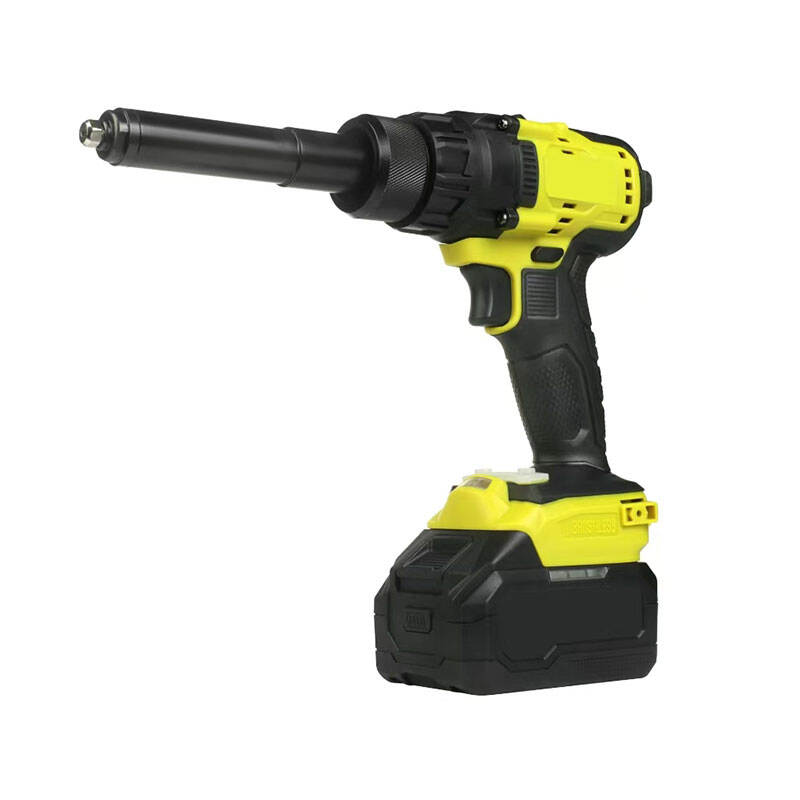
2025 yılı için en güvenilir pERÇİN TABANCASI çekmece tabancasını arayan profesyonel müteahhitler ve üreticiler, teknolojinin ilerlemesi ve performans standartlarının yükselmesiyle birlikte giderek daha karmaşık seçimlerle karşı karşıya kalmaktadır. Modern çekmece tabancası pazarı, artırılmış tork kapasiteleri, geliştirilmiş ergonomik özellikler ve endüstriyel uygulamalarda verimliliği ve bağlantı kalitesini doğrudan etkileyen özel özellikler sunarak önemli ölçüde gelişmiştir.
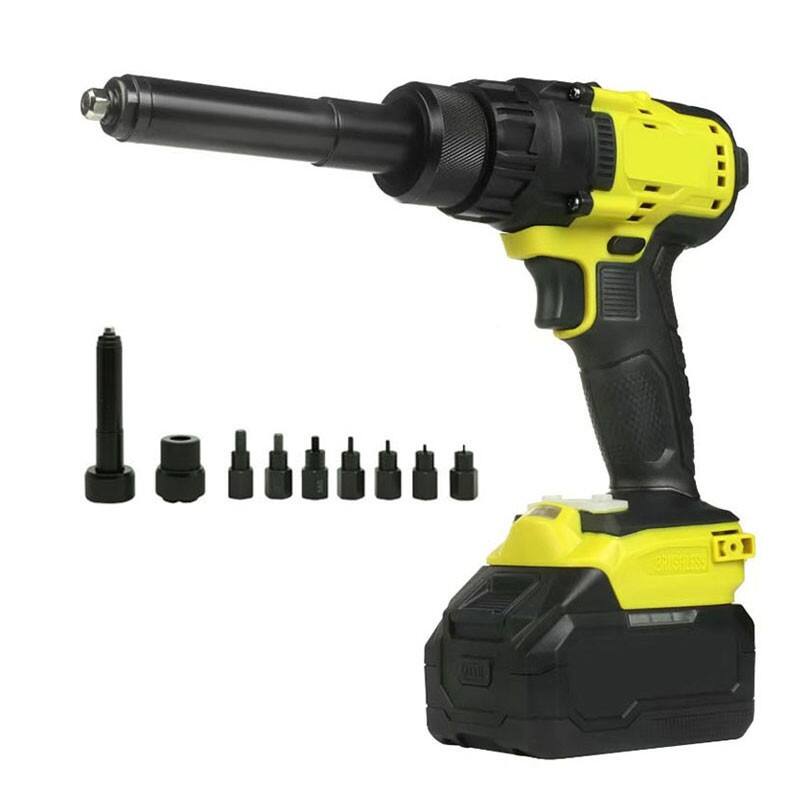
Bu kapsamlı analiz, tork çıkışı, sürekli kullanım altında dayanıklılık, uzun süreli oturumlar sırasında operatör konforu ve farklı perçin malzemeleri ile boyutları üzerindeki çok yönlülük gibi katı test kriterlerine dayanarak on önde gelen profesyonel perçin tabancası modelini değerlendirir. Her bir araç, otomotiv montajı, havacılık imalatı, inşaat uygulamaları ve genel üretim ortamları gibi tutarlı perçinleme performansının proje başarısını belirlediği alanlarda özel güçlü yönleri açısından değerlendirilmiştir.
Profesyonel Perçin Tabancası Seçimi İçin Temel Performans Kriterleri
Tork Çıkışı ve Güç Aktarım Sistemleri
Profesyonel perçin tabancası modellerini birbirinden ayıran en kritik faktör, tork üretimi ve güç iletimi tutarlılığıdır. Yüksek performanslı üniteler genellikle 2000 ila 4000 inç-libre (inch-pounds) aralığında tork sağlayarak kalın malzemelerde büyük çaplı perçinlerin güvenilir şekilde monte edilmesini sağlar. Elektrikli modeller, özellikle sürekli çalışma döngüleri gerektiren uygulamalarda, pnömatik alternatiflere kıyasla daha tutarlı güç çıkışı sunar.
Profesyonel perçin tabancası tasarımları arasında güç iletim sistemleri önemli ölçüde değişir; fırçasız motor teknolojisi, üstün ömür ve azaltılmış bakım gereksinimleri sunar. Değişken hız kontrolleri, operatörlerin güç çıkışını belirli perçin malzemelerine uyarlama imkânı tanır; bu sayede bağlantı bütünlüğünü tehlikeye atan aşırı sıkıştırmayı önlerken, alüminyum, çelik ve kompozit malzemeler üzerinde doğru montaj için yeterli kuvvetin uygulanmasını da sağlar.
Premium perçin tabancası modellerindeki gelişmiş tork yönetim sistemleri, perçinin ve çevresindeki malzemenin hasar görmesini önleyen otomatik kapanma özelliklerini içerir. Bu sistemler, güvenlik ve düzenleyici uyumluluk için kesin tork spesifikasyonlarının korunması gereken havacılık ve otomotiv uygulamalarında özellikle değerlidir.
Ergonomik Tasarım ve Operatör Konfor Özellikleri
Profesyonel perçin tabancalarının ergonomisi, operatörün verimliliğini doğrudan etkiler ve uzun süreli kullanım dönemlerinde yorgunluğu azaltır. Tavan üstü uygulamalar veya sürekli çalışma için araç seçerken ağırlık dağılımı kritik hâle gelir; dengeli tasarımlar bilek ve ön kol üzerindeki yükü azaltır. Tutma kolu kaplamalarının ve dokusunun malzemeleri, özellikle titreşim sönümlemesi gereken ortamlarda kontrol ve konfor üzerinde önemli bir etkiye sahiptir.
Tetik hassasiyeti ve tetikleme kuvveti gereksinimleri, profesyonel modeller arasında değişir; daha hafif tetikleme, yüksek hacimli perçinleme işlemlerinde el yorgunluğunu azaltır. Bazı gelişmiş perçin tabancası tasarımları, operatörün pozisyonunu veya kontrolünü zedelemeksizin farklı çalışma açılarına uyum sağlayabilen ayarlanabilir tutamaklar veya dönen başlıklara sahiptir.
Modern profesyonel perçin tabancalarında titreşim azaltma teknolojileri, aracıya zararlı titreşime maruz kalma düzeyini en aza indiren özel sönümleme sistemlerini içerirken aynı zamanda aletin tepki verme yeteneğini korur. Bu özellikler, perçin tabancalarını yoğun şekilde kullanan profesyoneller için hayati öneme sahiptir çünkü tekrarlayan stres yaralanmalarını önlemeye ve uzun süreli çalışma oturumları boyunca hassasiyeti korumaya yardımcı olur.
Üst Düzey Elektrikli ve Pnömatik Perçin Tabancası Modelleri
Yüksek Torklu Elektrikli Perçin Tabancası Çözümleri
Elektrikli perçin tabancası modelleri, tutarlı güç iletimi ve hassas kontrol gerektiren profesyonel uygulamalarda öncü konumdadır. En yeni nesil modeller, geleneksel fırçalı motorlara kıyasla daha üstün tork/ağırlık oranları sağlayan ve bakım gereksinimlerini azaltan fırçasız motor teknolojisiyle donatılmıştır. Bu cihazlar genellikle değişken hız kontrolleri ve çeşitli perçinleme uygulamalarına uyum sağlayabilen programlanabilir tork ayarları sunar.
Pil teknolojisindeki ilerlemeler, kablosuz pERÇİN TABANCASI performansını önemli ölçüde artırmıştır; lityum-iyon sistemleri, deşarj döngüsü boyunca uzun çalışma süresi ve tutarlı güç çıkışı sağlar. Profesyonel sınıf cihazlar artık kablolu modellerle karşılaştırılabilir performans gösterirken, saha uygulamaları ve baş üstü çalışmalarda artırılmış mobilite avantajı da sunar.
Premium elektrikli perçin tabancası modellerindeki akıllı teknoloji entegrasyonu, tork ayarlarını, pil durumunu ve bakım planlaması için çevrim sayısını gösteren dijital ekranları içerir. Bu özellikler, operatörlerin araç performansını izlemesine ve özellikle kalite kontrolü yapılan üretim ortamlarında çoklu perçinleme işlemlerinde tutarlı sonuçlar elde etmesine olanak tanır.
Ağır İş Perçin Tabancası Performansı
Pnömatik perçin tabancası sistemleri, sürekli çalışma ve maksimum güç çıkışı öncelikli olduğu yüksek hacimli üretim ortamlarında üstün performans gösterir. Bu aletler genellikle elektrikli alternatiflerden daha yüksek tepe torku sağlar ve ortam sıcaklığı koşullarından bağımsız olarak tutarlı bir performans sergiler. Hava ile çalışan modeller ayrıca toz, nem ve aşırı sıcaklık gibi yaygın olan zorlu endüstriyel ortamlarda üstün dayanıklılık sunar.
Gelişmiş pnömatik perçin tabancası tasarımları, belirli uygulamalar için güç çıkışını hassas bir şekilde ayarlamaya olanak tanıyan hassas hava regülatörleri içerir. Bu sistemler, operatörlerin perçin özelliklerine göre araç performansını ayarlamasını ve farklı malzemeler ile kalınlıklar boyunca tutarlı bir montaj kalitesi sağlamasını sağlar. Modern pnömatik modellerdeki egzoz yönetim sistemleri, gürültü seviyelerini azaltır ve havanın akış yönünü operatörden uzaklaştırmayı sağlar.
Pnömatik perçin tabancası sistemlerinin bakım gereksinimleri genellikle düzenli yağlama ve hava filtresi değiştirme işlemlerini içerir; ancak bu araçlar, yoğun kullanım koşullarında genellikle daha uzun bir servis ömrü sunar. Elektriksel bileşenlerin olmaması, bunları patlama-proof araçların gerektiği ortamlarda veya elektrik enerjisi kaynaklarının bulunmadığı ortamlarda kullanıma uygun kılar.
Malzeme Uyumluluğu ve Perçin Boyutu Kapasiteleri
Çoklu Malzeme Üzerinde Perçinleme Performansı
Profesyonel perçin tabancası seçimi, endüstriyel uygulamalarda karşılaşılan çeşitli malzemeleri dikkate almalıdır. Alüminyum perçinler, çelik veya paslanmaz çelik alternatiflerine kıyasla farklı montaj özelliklerine ihtiyaç duyar; daha yumuşak malzemeler, deformasyonu önlemek için hassas kuvvet kontrolü gerektirir. Modern profesyonel birimler, malzemeye özel gereksinimleri karşılayabilen ve aynı zamanda montaj tutarlılığını koruyabilen ayarlanabilir güç ayarları sunar.
Kompozit malzemeler, perçin tabancası uygulamaları için benzersiz zorluklar oluşturur ve perçin delikleri etrafında delaminasyonu veya çatlamayı önlemek için kontrollü kuvvet uygulaması gerektirir. Özel perçin tabancası modelleri, montaj direncini izleyen ve otomatik olarak güç çıkışını ayarlayan sensörler içerir; bu da malzeme hasarı olmadan optimum bağlantı oluşumunu sağlar.
Sıcaklık duyarlı malzemeler, montaj sırasında ısı üretimi en aza indiren perçin tabancası özelliklerinden yararlanır. Bazı profesyonel modeller, plastikler veya ısıya duyarlı kompozitler gibi ısı hasarı önlenmesi gereken uygulamalarda kullanılabilecek şekilde sürtünme kaynaklı ısınmayı azaltan soğutma sistemleri veya özel mandrel tasarımları içerir.
Perçin Boyut Aralığı ve Montaj Çeşitliliği
Bir profesyonel perçin tabancasının uyumlu olabildiği perçin boyutları aralığı, farklı uygulamalardaki çeşitliliğini belirler. Üst düzey modeller genellikle 1/8 inç ile 1/4 inç veya daha büyük çaplı perçinleri işleyebilir; bazı ağır iş modelleri ise çapı 3/8 inç’e kadar olan perçinleri takabilir. Burun ucu uyumluluğu ve hızlı değişim sistemleri, herhangi bir araç değişikliği yapmadan farklı perçin boyutlarına hızlı uyum sağlamanıza olanak tanır.
Kısa perçin tabancası modelleri arasında tutma uzunluğu kapasitesi önemli ölçüde değişir ve bu durum, kalın malzemeler üzerindeki uygulamalar için uygunluklarını etkiler. Yapısal uygulamalar için tasarlanmış profesyonel birimler genellikle daha uzun tutma uzunluklarını destekler; bu da inşaat ve ağır imalat sektörlerinde yaygın olarak kullanılan çok katmanlı montajların veya kalın plaka malzemelerin etkili bir şekilde perçinlenmesini sağlar.
Gelişmiş perçin tabancası tasarımlarındaki mandren toplama sistemleri, çalışma alanındaki kirliliği önler ve işlemler arası temizlik süresini azaltır. Bu sistemler, ürün kalitesi ve işyeri güvenliği uyumluluğu açısından çapak kontrolünün hayati önem taşıdığı temiz üretim ortamlarında özellikle değerlidir.
Dayanıklılık Değerlendirmesi ve Uzun Vadeli Performans
Yapım Kalitesi ve Bileşen Güvenilirliği
Profesyonel perçin tabancalarının dayanıklılığı, iç bileşen kalitesine ve kritik aşınma bölgelerinde kullanılan yapı malzemelerine büyük ölçüde bağlıdır. Ağır iş modelleri, yüksek gerilim altında çalışan bölgelerde sertleştirilmiş çelik bileşenler içerirken; premium modeller genellikle takım ömrünü uzatan ve uzun vadeli işletme maliyetlerini azaltan değiştirilebilir aşınma parçalarına sahiptir. Gövde malzemeleri, alüminyum alaşımdan güçlendirilmiş polimerlere kadar değişmekte olup her biri farklı uygulama ortamları için belirli avantajlar sunar.
Profesyonel perçin tabancalarında kullanılan conta sistemleri, iç bileşenleri kirlenmeye karşı korurken zorlu koşullar altında sorunsuz çalışmayı sağlar. Kaliteli contalar, toz ve nem girişi gibi erken aşınma veya arızaya neden olabilecek faktörleri önler; bu özellikle çevre korumasının hayati önem taşıdığı inşaat ve açık alan uygulamalarında oldukça önemlidir.
Bakım ve onarım için bileşen erişilebilirliği, profesyonel perçin tabancası kullanıcıları için uzun vadeli sahiplik maliyetlerini önemli ölçüde etkiler. İyi tasarlanmış araçlar, özel aletlere veya kapsamlı söküm işlemlerine gerek kalmadan değiştirilebilen bakıma uygun parçalara sahiptir; bu da aracı hizmet ömrü boyunca durma sürelerini ve bakım masraflarını en aza indirir.
Garanti Kapsamı ve Servis Desteği
Profesyonel perçin tabancası modelleri için garanti koşulları genellikle bir ila üç yıl arasında değişir; bazı üreticiler, kayıtlı kullanıcılar veya profesyonel uygulamalar için uzatılmış kapsama sunar. Kapsamlı garanti koşulları, hem malzeme hem de işçilik hatalarını kapsamalıdır; ayrıca normal aşınma parçalarını ve yedek parça teminini de ele almalıdır.
Servis ağı erişilebilirliği, profesyonel perçin tabancası kullanıcıları için garanti kapsamının pratik değerini etkiler. Geniş servis ağlarına veya yetkili onarım tesislerine sahip üreticiler, daha hızlı teslim süreleri ve daha kolay servis seçenekleri sağlayarak aracı durma süresinin proje takvimleri üzerindeki etkisini azaltır.
Parça uygunluğu ve fiyatlandırma şeffaflığı, profesyonellerin perçin tabancası yatırımları için uzun vadeli sahiplik maliyetlerini değerlendirmesine yardımcı olur. Kolayca temin edilebilir yedek parçaları bulunduran ve açık fiyat bilgileri yayımlayan üreticiler, bakım bütçeleri ve araç ömrü yönetimi için daha iyi planlama imkânı sunar.
SSS
Profesyonel otomotiv uygulamaları için hangi perçin tabancası tork çıkışı gereklidir?
Profesyonel otomotiv perçinleme işlemi genellikle, karoser panelleri ve yapısal bileşenlerde standart otomotiv perçinlerinin montajı için yeterli olan 2500–3500 inç-libre (inch-pounds) tork çıkışı sağlayan perçin tabancası modellerini gerektirir. Daha yüksek tork değerleri, ağır iş tipi kamyon uygulamaları veya kalın malzemelerde büyük çaplı perçinlerle çalışırken gerekebilir.
Sürekli üretim kullanımı için elektrikli perçin tabancaları, pnömatik modellerle karşılaştırıldığında nasıl bir performans sergiler?
Elektrikli perçin tabancası modelleri, daha tutarlı tork iletimi ve daha kolay güç ayarı sunarken, pnömatik üniteler genellikle sürekli çalıştırma sırasında daha yüksek tepe gücü ve daha iyi ısı dağıtımı sağlar. Pnömatik modeller genellikle yüksek hacimli üretim ortamlarında üstün performans gösterirken, elektrikli üniteler çeşitli uygulamalar için üstün taşınabilirlik ve hassas kontrol imkânı sunar.
Profesyonel perçin tabancası aletleri için hangi bakım programı izlenmelidir?
Profesyonel perçin tabancası bakımı, günlük temizlik ve yağlama kontrollerini, haftalık aşınma parçaları ile contaların muayenesini ve tork açısından kritik uygulamalar için aylık kalibrasyon doğrulamasını içermelidir. Büyük bakım aralıkları genellikle kullanım yoğunluğuna bağlı olarak her 6–12 ayda bir gerçekleşir ve tam söküm, bileşenlerin muayenesi ve gerekliyse aşınma parçalarının değiştirilmesini kapsar.
Profesyonel perçin tabancaları hem körlük (gizli başlı) hem de katı perçinleri etkili bir şekilde işleyebilir mi?
En profesyonel perçin tabancası modellerinin çoğu, özellikle kör perçin montajı için tasarlanmıştır ve farklı montaj yöntemleri gerektiren (örneğin, karşı destek çubukları veya katı perçin takımları kullanılarak yapılan) katı perçinleri etkili bir şekilde işleyemez. Kör perçin tabancaları, perçini yerleştirmek için çekme hareketi kullanırken, katı perçin montajı birleşimin her iki tarafından da çekiçleme veya presleme işlemi gerektirir.
Table of Contents
- Profesyonel Perçin Tabancası Seçimi İçin Temel Performans Kriterleri
- Üst Düzey Elektrikli ve Pnömatik Perçin Tabancası Modelleri
- Malzeme Uyumluluğu ve Perçin Boyutu Kapasiteleri
- Dayanıklılık Değerlendirmesi ve Uzun Vadeli Performans
-
SSS
- Profesyonel otomotiv uygulamaları için hangi perçin tabancası tork çıkışı gereklidir?
- Sürekli üretim kullanımı için elektrikli perçin tabancaları, pnömatik modellerle karşılaştırıldığında nasıl bir performans sergiler?
- Profesyonel perçin tabancası aletleri için hangi bakım programı izlenmelidir?
- Profesyonel perçin tabancaları hem körlük (gizli başlı) hem de katı perçinleri etkili bir şekilde işleyebilir mi?
