Modular Design Flexibility
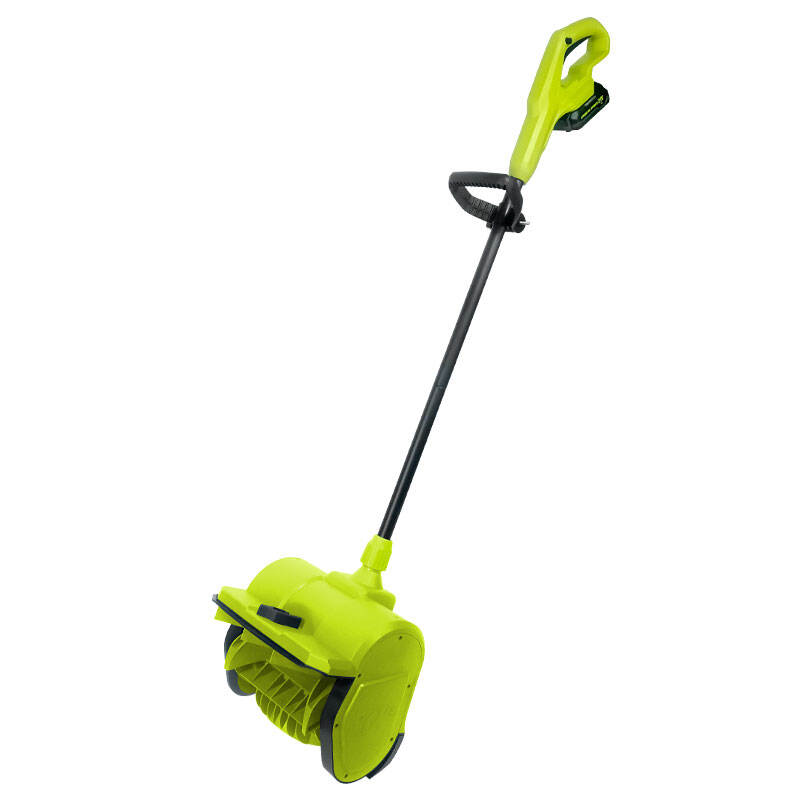
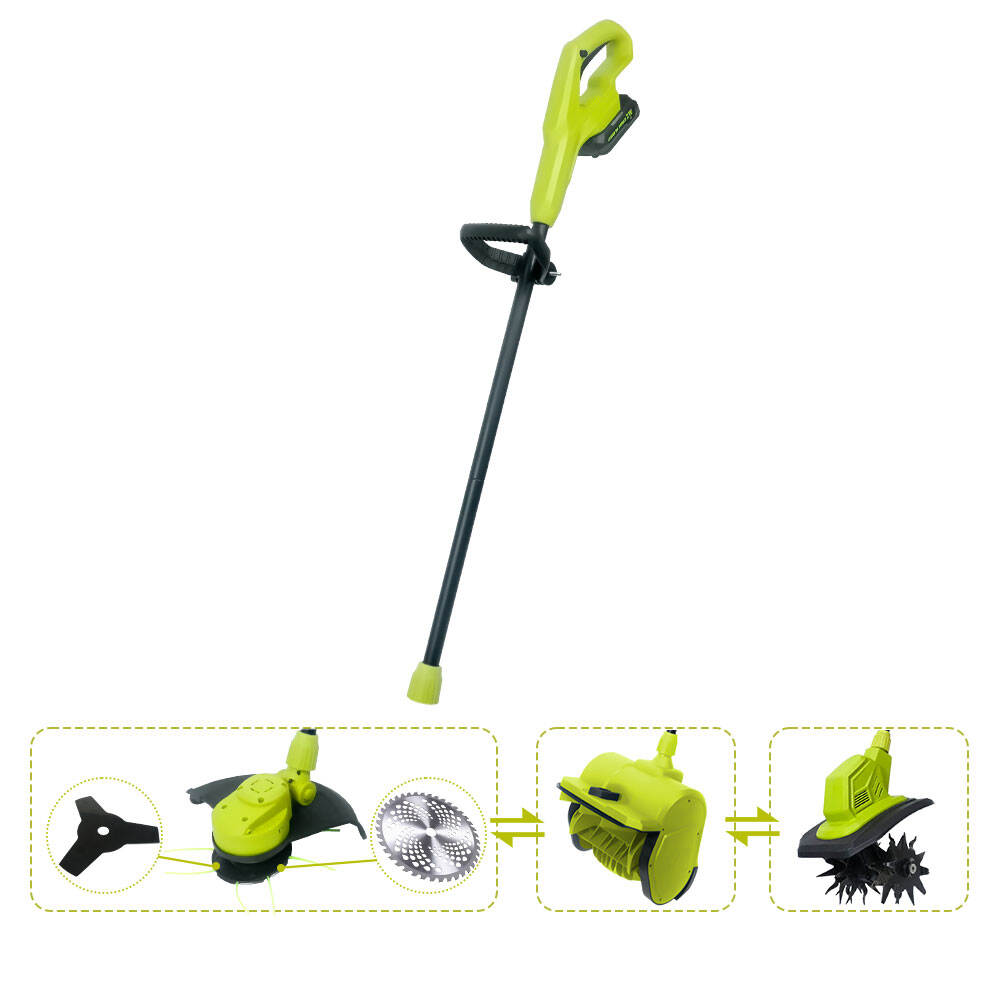
The modular design flexibility inherent in every customized snow blower provides unprecedented adaptability to meet diverse operational requirements and changing conditions throughout the equipment lifecycle. This innovative approach allows users to configure their equipment precisely according to specific site characteristics, seasonal demands, and operational preferences without compromising performance or reliability. The modular framework enables quick attachment changes, allowing operators to switch between different chute styles, deflector configurations, and auxiliary equipment within minutes rather than requiring separate machines for different applications. Interchangeable components include various impeller designs optimized for different snow types, from light powder to heavy wet snow, ensuring optimal performance regardless of weather conditions. The system accommodates multiple power options, including electric, gas, and hybrid configurations that can be selected based on environmental requirements, noise restrictions, and operational preferences. Modular storage solutions integrate seamlessly with the base unit, providing organized space for tools, supplies, and seasonal attachments without affecting machine balance or maneuverability. The design philosophy extends to control systems, allowing operators to choose between manual controls for precision work or automated systems for routine maintenance tasks. Seasonal modifications become effortless through the modular approach, enabling users to add heated handles for extreme cold conditions, enhanced lighting systems for early morning operations, or specialized tires for varying terrain types. Commercial operators particularly benefit from the ability to standardize base units while customizing attachments for different client requirements, reducing inventory costs and maintenance complexity. The modular design supports future technology integration, allowing users to upgrade control systems, add GPS tracking, or incorporate new safety features without replacing the entire unit. Maintenance efficiency improves significantly as individual modules can be serviced or replaced independently, minimizing downtime and reducing service costs. The flexibility extends to operator comfort features, with adjustable handles, customizable controls, and ergonomic enhancements that accommodate different user preferences and physical requirements. Transportation benefits emerge from the modular design as components can be separated for easier loading, storage, and transport between job sites.
 EN
EN