 EN
EN

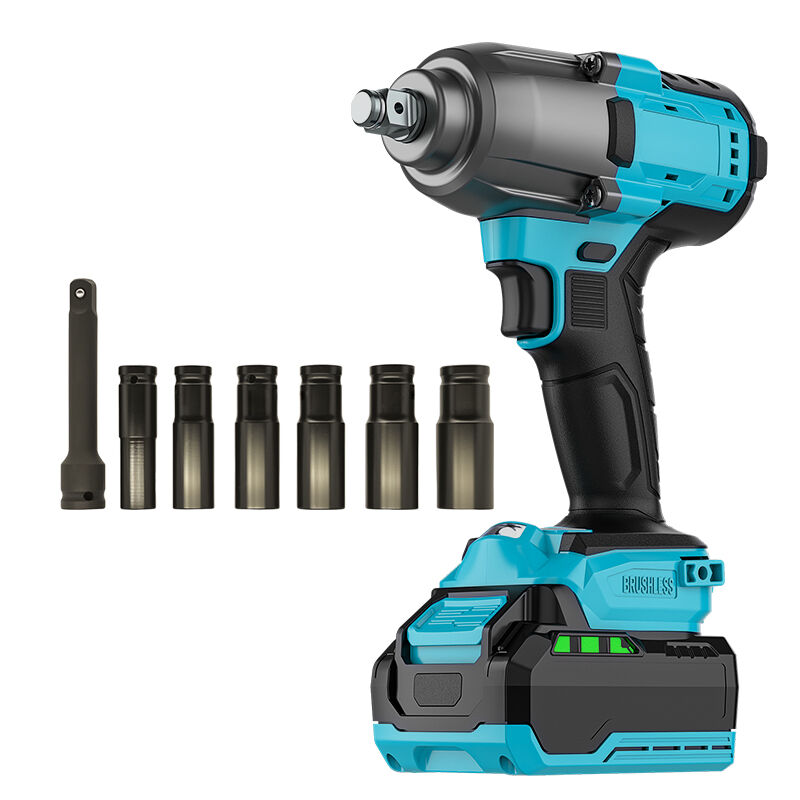
Professional mechanics, construction workers, and DIY enthusiasts all understand the critical importance of having the right tools for the job. A quality wrench serves as the backbone of any toolkit, providing the leverage and precision needed to tackle countless fastening applications. From automotive repairs to heavy construction projects, the right wrench can mean the difference between a job completed efficiently and hours of frustration with inadequate equipment.

Modern wrench technology has evolved significantly, incorporating advanced materials, ergonomic designs, and innovative mechanisms that enhance both performance and user comfort. Whether you're selecting a basic combination wrench for household tasks or investing in professional-grade impact wrenches for industrial applications, understanding the various types and features available will help you make an informed purchasing decision that meets your specific needs and budget requirements.
Essential Types of Wrenches for Different Applications
Combination and Box-End Wrenches
The combination wrench represents one of the most versatile tools in any mechanic's arsenal, featuring both an open end and a box end on opposite sides of the tool. This dual-functionality allows users to quickly position the wrench over fasteners in tight spaces while providing the secure grip needed for high-torque applications. The box end typically features a twelve-point design that distributes force evenly across the fastener, reducing the risk of rounding off bolt heads or nuts during heavy-duty operations.
Professional-grade combination wrenches are manufactured from high-carbon steel or chrome vanadium alloys, providing exceptional strength and durability while maintaining the flexibility needed to withstand repeated stress cycles. The surface finish typically includes chrome plating or other corrosion-resistant coatings that protect against rust and wear while providing a smooth, easy-to-clean surface that resists contamination from oils and other automotive fluids.
Adjustable and Pipe Wrenches
Adjustable wrenches offer unmatched versatility for applications involving non-standard fastener sizes or situations where carrying multiple fixed-size tools is impractical. The movable jaw mechanism allows a single wrench to accommodate a wide range of fastener dimensions, making them particularly valuable for plumbing, general maintenance, and emergency repair situations where precise tool selection may not be possible.
Pipe wrenches, specifically designed for gripping and turning cylindrical objects, feature serrated jaws that provide exceptional holding power on pipes, rods, and other rounded surfaces. The angled jaw design creates a self-tightening action that increases grip strength as torque is applied, making these tools indispensable for plumbing installations and repairs where secure pipe connections are critical for system integrity.
Power Tools and Impact Wrenches
Cordless Impact Wrench Technology
Modern cordless impact wrenches have revolutionized heavy-duty fastening applications, delivering impressive torque output while maintaining portability and ease of use. These battery-powered tools utilize internal hammer mechanisms that generate rapid, high-impact pulses to break loose stubborn fasteners or drive bolts to precise torque specifications. Advanced lithium-ion battery technology provides extended runtime and consistent power delivery throughout the discharge cycle.
Professional contractors and automotive technicians particularly value the convenience and power offered by high-quality wrench systems that can handle demanding construction and repair tasks without requiring compressed air connections or electrical outlets. Variable speed controls and torque settings allow precise control over fastening force, preventing damage to sensitive components while ensuring adequate clamping force for structural applications.
Pneumatic and Electric Alternatives
Pneumatic impact wrenches continue to dominate professional shop environments where compressed air systems are readily available, offering superior power-to-weight ratios and unlimited runtime capacity. These air-powered tools typically deliver higher maximum torque outputs than battery-operated alternatives, making them ideal for heavy industrial applications, truck maintenance, and other demanding professional environments.
Corded electric impact wrenches provide a middle ground between portability and power, offering consistent performance without battery limitations while remaining suitable for applications where air compressor access is limited. These tools are particularly popular in production environments and repair facilities where continuous operation is required but mobility within a defined work area is sufficient.
Material Quality and Construction Standards
Steel Alloys and Heat Treatment
The metallurgy behind quality wrench construction significantly impacts tool performance, longevity, and safety characteristics. Chrome vanadium steel represents the gold standard for professional-grade wrenches, offering an optimal balance of strength, toughness, and wear resistance. The alloying process incorporates chromium for corrosion resistance and vanadium for enhanced grain structure, resulting in tools that maintain their dimensional accuracy and surface finish throughout extended use cycles.
Heat treatment processes, including quenching and tempering operations, control the final hardness and toughness characteristics of the finished wrench. Proper heat treatment ensures that the tool maintains adequate hardness to resist wear and deformation while retaining sufficient toughness to absorb impact loads without fracturing. Quality manufacturers employ precise temperature control and cooling rates to achieve consistent metallurgical properties across their entire product range.
Surface Treatments and Coatings
Advanced surface treatments extend wrench service life while improving functionality and appearance. Chrome plating provides excellent corrosion protection while creating a smooth, low-friction surface that resists contamination and facilitates easy cleaning. The plating process also adds a minimal amount of surface hardness that enhances wear resistance without compromising the underlying tool steel properties.
Alternative coating systems, including phosphate treatments, black oxide finishes, and specialized polymer coatings, offer different combinations of corrosion protection, visibility, and grip characteristics. Some manufacturers apply textured or knurled surface treatments to wrench handles, improving grip security and user comfort during extended use periods or when working with oil-contaminated hands.
Ergonomic Design and User Comfort
Handle Geometry and Grip Characteristics
Modern wrench design incorporates extensive ergonomic research to minimize user fatigue and reduce the risk of repetitive stress injuries during prolonged use. Handle cross-sections are carefully optimized to distribute gripping forces evenly across the user's palm and fingers, while overall handle length provides adequate leverage without creating unwieldy tool dimensions that complicate use in confined spaces.
Some premium wrench designs feature cushioned grip zones or specialized handle coatings that enhance comfort and control while providing vibration dampening characteristics. These ergonomic improvements are particularly valuable for professional users who rely on their tools throughout full work shifts, as reduced hand strain translates directly into improved productivity and job satisfaction over time.
Weight Distribution and Balance
Proper weight distribution ensures that a wrench feels balanced and controlled during use, reducing the effort required to position and manipulate the tool accurately. Well-designed wrenches incorporate material distribution strategies that optimize the center of gravity location, making the tool feel lighter and more responsive while maintaining the structural integrity needed for high-load applications.
Advanced manufacturing techniques, including precision forging and selective material removal, allow manufacturers to fine-tune weight distribution without compromising strength or durability. These design refinements become increasingly important as wrench sizes increase, since larger tools naturally generate higher moment forces that can quickly lead to user fatigue if not properly managed.
Professional vs Consumer Grade Tools
Performance Specifications and Tolerances
Professional-grade wrenches are manufactured to significantly tighter dimensional tolerances than consumer-oriented tools, ensuring consistent fit and performance across the entire size range. These precision manufacturing standards are particularly critical for box-end and combination wrenches, where proper fastener engagement depends on accurate jaw dimensions and parallel alignment between opposing surfaces.
Torque capacity specifications also differ substantially between professional and consumer tool categories, with professional wrenches designed to handle the full range of forces encountered in commercial and industrial applications. Higher-grade tools typically incorporate safety factors that allow occasional overloading without permanent deformation or failure, providing the reliability demanded in professional environments where tool failure can result in costly downtime.
Warranty and Service Support
Professional tool manufacturers typically offer comprehensive warranty coverage and replacement programs that recognize the demanding nature of commercial use environments. These warranty provisions often include unconditional replacement for manufacturing defects, wear-related failures within specified timeframes, and sometimes even coverage for accidental damage or misuse under certain circumstances.
Service support infrastructure, including authorized repair centers, replacement part availability, and technical assistance programs, represents another key differentiator between professional and consumer tool categories. Professional users require access to rapid repair or replacement services to minimize work interruptions, making comprehensive service support an essential consideration in tool selection decisions.
Maintenance and Care Practices
Cleaning and Storage Protocols
Proper maintenance significantly extends wrench service life while ensuring consistent performance and safety characteristics. Regular cleaning removes accumulated dirt, grease, and metal particles that can interfere with proper fastener engagement or contribute to premature wear patterns. Simple cleaning protocols using appropriate solvents and protective lubricants help maintain tool precision and appearance throughout extended service periods.
Storage considerations include protecting tools from moisture, physical damage, and contamination while maintaining organized accessibility for efficient workflow management. Quality tool chests, pegboard systems, and protective cases provide secure storage environments that prevent tool damage while facilitating quick identification and selection during active use periods.
Inspection and Replacement Guidelines
Regular inspection protocols help identify potential tool problems before they result in fastener damage or user injury. Key inspection points include checking for jaw wear, handle damage, surface corrosion, and dimensional accuracy that could affect proper fastener engagement. Establishing replacement criteria based on measurable wear limits ensures that tools are retired before performance degradation becomes problematic.
Professional users often implement formal tool management programs that track usage patterns, maintenance history, and replacement schedules for critical tools. These systematic approaches help optimize tool investment costs while maintaining the reliability standards required for professional applications where tool failure can have significant cost and safety implications.
FAQ
What is the difference between chrome vanadium and carbon steel wrenches
Chrome vanadium steel offers superior corrosion resistance and overall durability compared to basic carbon steel, making it the preferred material for professional-grade wrenches. The chromium content provides natural rust protection, while vanadium enhances the steel's grain structure for improved strength and toughness. Carbon steel wrenches are typically more affordable but require more careful maintenance to prevent corrosion and may not withstand heavy professional use as effectively as chrome vanadium alternatives.
How do I choose the right torque setting for my impact wrench
Proper torque selection depends on the specific fastener type, size, material, and application requirements, with manufacturer specifications providing the most reliable guidance for critical applications. Start with lower torque settings and gradually increase until the desired tightness is achieved, always consulting fastener manufacturer specifications for structural or safety-critical applications. Many modern impact wrenches include multiple torque settings and electronic controls that help prevent over-tightening and fastener damage.
What safety precautions should I follow when using power wrenches
Always wear appropriate safety equipment including safety glasses, work gloves, and hearing protection when operating power wrenches, as these tools can generate significant noise levels and potential debris. Ensure proper socket engagement and inspect tools before each use for damage or wear that could affect safe operation. Maintain secure footing and proper body positioning to control reaction forces, and never exceed the tool's rated torque capacity or use damaged or worn accessories that could fail during operation.
How often should I calibrate or service my torque wrench
Professional-grade torque wrenches typically require annual calibration or after approximately 10,000 cycles to maintain accuracy within acceptable tolerances for critical applications. However, calibration frequency may need to increase based on usage intensity, storage conditions, and accuracy requirements of specific applications. Always follow manufacturer recommendations and consider more frequent calibration for tools used in safety-critical applications where precise torque control is essential for proper assembly integrity.
