 EN
EN

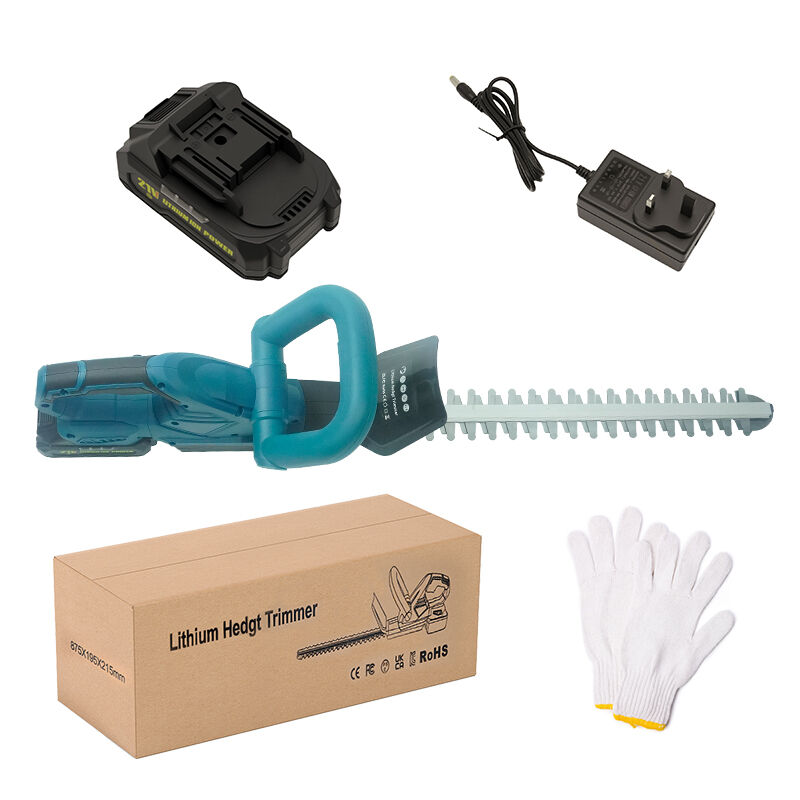
Maintaining a well-groomed landscape requires the right tools, and a quality hedge trimmer stands as one of the most essential pieces of equipment for homeowners and professional landscapers alike. Whether you're shaping topiary, maintaining privacy hedges, or trimming overgrown shrubs, selecting the appropriate hedge trimmer can transform tedious yard work into efficient, precise landscaping. The market offers numerous options ranging from lightweight electric models to powerful gas-powered units, each designed to meet specific needs and preferences. Understanding the key features, performance capabilities, and maintenance requirements of different hedge trimmer models will help you make an informed decision that delivers long-lasting value for your gardening investment.
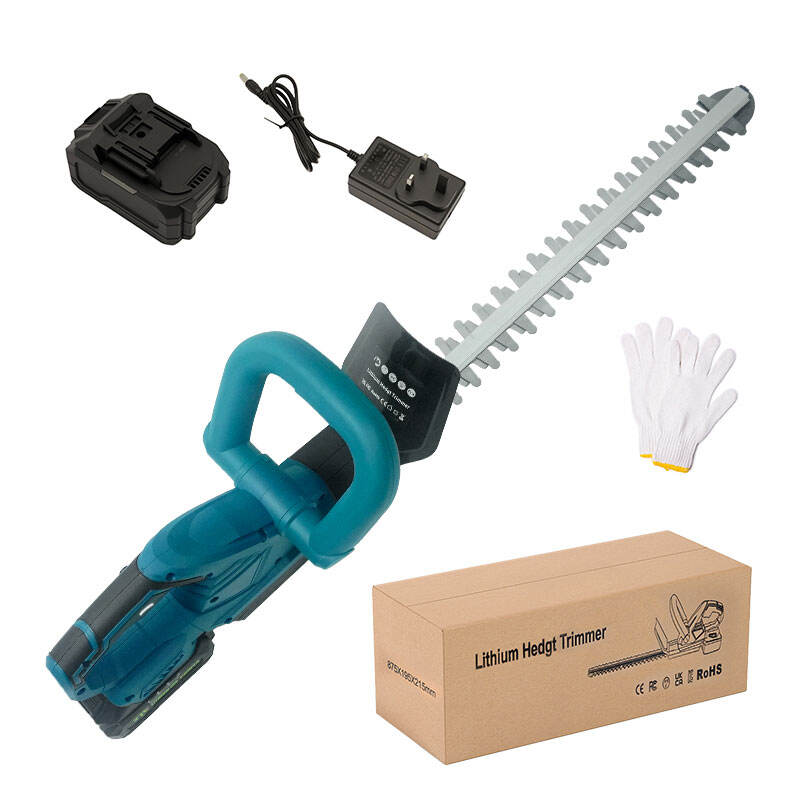
Understanding Hedge Trimmer Types and Technologies
Electric Corded Hedge Trimmers
Electric corded models provide consistent power output without the weight of batteries or fuel systems, making them ideal for residential properties with accessible power sources. These units typically offer blade lengths ranging from 16 to 24 inches and deliver reliable performance for light to medium-duty trimming tasks. The continuous power supply ensures consistent cutting speed throughout extended use sessions, eliminating concerns about battery depletion or fuel mixture ratios. However, the operational radius remains limited by cord length, requiring careful planning around landscaping layouts and potential extension cord management.
Modern electric corded hedge trimmers incorporate advanced safety features including dual-action blades that reduce vibration and improve cutting precision. Many models feature ergonomic handles with anti-slip grips and lightweight construction that minimizes user fatigue during prolonged operation. The instant-start capability eliminates the maintenance requirements associated with small engines, making these units particularly attractive for occasional users who prioritize convenience over maximum mobility.
Battery-Powered Cordless Models
Cordless hedge trimmers have revolutionized landscape maintenance by combining portability with increasingly impressive power output and runtime capabilities. Contemporary lithium-ion battery technology provides substantial improvement over older nickel-cadmium systems, delivering longer operating periods and faster charging cycles. Professional-grade cordless models now achieve cutting performance comparable to gas-powered alternatives while maintaining the quiet operation and emission-free benefits of electric systems.
The versatility of cordless hedge trimmers makes them particularly valuable for properties with multiple trimming areas or challenging terrain where cord management becomes impractical. Advanced battery management systems provide real-time power level indicators and optimize energy consumption to extend runtime. Many manufacturers offer interchangeable battery platforms across multiple tool lines, allowing users to leverage existing battery investments across various landscaping equipment.
Key Performance Features and Specifications
Blade Length and Cutting Capacity
The blade length of a hedge trimmer directly impacts both cutting efficiency and maneuverability, with longer blades covering more surface area per pass while potentially sacrificing precision in tight spaces. Standard residential models typically feature blade lengths between 18 and 22 inches, providing an optimal balance between coverage and control for most homeowner applications. Professional landscaping operations may require longer blades up to 30 inches for tackling large hedgerows and commercial property maintenance tasks.
Cutting capacity, measured as the maximum branch diameter the trimmer can handle, varies significantly across different models and power sources. Entry-level electric units may accommodate branches up to 5/8 inch diameter, while heavy-duty gas models can tackle growth up to 1.25 inches thick. Understanding your typical pruning requirements helps determine the appropriate cutting capacity, as attempting to cut branches beyond the trimmer's capability can result in blade damage, motor strain, and poor cutting results.
Motor Power and Performance Ratings
Motor specifications provide crucial insights into a hedge trimmer's capability to handle demanding cutting applications and maintain consistent performance under load. Electric models typically range from 3 to 6 amperes for corded units, while cordless versions utilize voltage ratings between 20V and 80V to indicate relative power levels. Gas-powered trimmers measure engine displacement in cubic centimeters, with residential models typically ranging from 21cc to 26cc and commercial units extending beyond 30cc.
Stroke rate, indicating how many cutting motions the blades complete per minute, affects both cutting speed and finish quality. Higher stroke rates generally produce cleaner cuts and reduce the likelihood of branch tearing, particularly important when trimming soft-wood species or maintaining formal hedge appearances. Premium models often incorporate variable speed controls allowing operators to adjust cutting speed based on material density and desired finish quality.
Professional vs Consumer Grade Distinctions
Build Quality and Durability Standards
Professional-grade hedge trimmers incorporate superior materials and manufacturing standards designed to withstand daily commercial use and harsh operating conditions. These units typically feature hardened steel blades with specialized coatings to resist corrosion and maintain sharpness through extended use cycles. The housing construction utilizes impact-resistant materials and reinforced mounting points to handle the stresses of professional landscaping operations without premature failure or performance degradation.
Consumer models prioritize cost-effectiveness while maintaining adequate performance for residential applications, often utilizing lighter-weight materials and simplified mechanical systems. While these units may not match the longevity expectations of professional equipment, they provide excellent value for homeowners with moderate trimming requirements. Understanding the intended usage frequency and application intensity helps determine whether professional-grade investment justifies the additional cost over consumer alternatives.
Warranty Coverage and Service Support
Professional hedge trimmer manufacturers typically offer extended warranty periods and comprehensive service support networks reflecting their confidence in product durability and performance consistency. These warranties often include coverage for commercial use applications and provide expedited repair services to minimize downtime for professional operators. Service networks may include authorized repair centers, mobile service options, and extensive parts availability to support ongoing maintenance requirements.
Consumer warranty programs focus on residential use protection with standard coverage periods typically ranging from one to three years depending on manufacturer and model specifications. While service networks may be less extensive than professional alternatives, many manufacturers provide online troubleshooting resources, video maintenance guides, and direct customer support to assist with common issues and routine maintenance procedures.
Safety Considerations and Protective Equipment
Blade Guard Systems and Safety Features
Modern hedge trimmers incorporate multiple safety systems designed to protect operators from blade contact and debris projection during normal operation. Blade guards provide physical barriers preventing accidental contact while allowing proper cutting access, with some models featuring wraparound designs that protect from multiple angles. Two-handed operation requirements ensure both hands remain safely positioned on designated grip areas, reducing the likelihood of inadvertent blade contact during use.
Advanced safety features may include automatic blade stops that halt cutting action when triggers are released, preventing coasting blades from causing injury during repositioning or transportation. Some professional models incorporate blade brake systems that actively stop blade motion within seconds of trigger release, further reducing accident potential. Anti-vibration systems not only improve operator comfort but also enhance control precision, contributing to overall safety during extended use periods.
Personal Protective Equipment Requirements
Operating a hedge trimmer safely requires appropriate personal protective equipment regardless of the unit's built-in safety features or operator experience level. Eye protection remains essential due to the potential for flying debris, particularly when trimming dry or brittle vegetation that may shatter during cutting. Safety glasses or face shields should meet appropriate impact resistance standards and provide adequate coverage without restricting peripheral vision necessary for safe operation.
Hearing protection becomes increasingly important with gas-powered models that generate higher noise levels during operation, with prolonged exposure potentially causing permanent hearing damage. Protective gloves enhance grip security while providing cut resistance in case of accidental blade contact, though operators should select gloves that maintain adequate dexterity for safe tool control. Long sleeves and closed-toe footwear provide additional protection from debris and potential blade contact during normal operation.
Maintenance and Storage Best Practices
Blade Care and Sharpening Techniques
Proper blade maintenance significantly impacts both cutting performance and hedge trimmer longevity, with regular cleaning and sharpening essential for optimal results. After each use session, remove accumulated sap, debris, and moisture from blade surfaces using appropriate solvents and cleaning tools to prevent corrosion and buildup that can impair cutting efficiency. Inspect blades regularly for nicks, chips, or excessive wear that may require professional sharpening or replacement to maintain safe operation standards.
Sharpening techniques vary depending on blade design and user skill level, with some operators capable of field maintenance using specialized files while others prefer professional sharpening services. Maintaining proper blade angles and consistent edge geometry requires specific knowledge and tools, making professional service worthwhile for expensive or precision-engineered blades. Regular lubrication of moving components prevents premature wear and ensures smooth operation throughout the cutting season.
Seasonal Storage and Winterization
Proper storage procedures protect hedge trimmer investments during off-season periods and ensure reliable performance when trimming activities resume. Gas-powered models require fuel system preparation including stabilizer addition or complete fuel removal to prevent carburetor damage from stale gasoline deposits. Engine oil should be changed according to manufacturer recommendations, and spark plugs may require inspection or replacement depending on usage hours and operating conditions.
Electric and battery-powered units require different storage considerations, with batteries benefiting from partial charge maintenance and temperature-controlled environments to maximize lifespan. Clean all surfaces thoroughly before storage to remove corrosive materials, and apply protective coatings to metal components as recommended by manufacturer guidelines. Store units in dry, secure locations away from extreme temperatures and potential physical damage that could affect performance or safety systems.
FAQ
What blade length is best for residential hedge trimming
For most residential applications, an 18 to 22-inch blade provides optimal balance between cutting efficiency and maneuverability. Shorter blades offer better control in tight spaces and around delicate plants, while longer blades reduce the number of passes required for large hedgerows. Consider your property's hedge sizes and accessibility when selecting blade length, as longer blades become unwieldy in confined areas or when working around obstacles like fences or garden structures.
How often should hedge trimmer blades be sharpened
Blade sharpening frequency depends on usage intensity and cutting material characteristics, but most residential users benefit from annual professional sharpening or more frequent attention for heavy use situations. Signs indicating sharpening needs include increased cutting effort, torn or crushed branch ends instead of clean cuts, and excessive vibration during operation. Regular cleaning and proper storage extend sharpening intervals, while cutting particularly hard or dirty materials may accelerate dulling and require more frequent maintenance.
Can cordless hedge trimmers match gas-powered performance
Modern cordless hedge trimmers with high-voltage battery systems can achieve cutting performance comparable to gas models for most residential and light commercial applications. Advanced lithium-ion batteries provide sustained power output and extended runtime, while brushless motors offer improved efficiency and longevity. However, gas models typically maintain advantages in continuous runtime capability and cutting power for the most demanding professional applications, making power source selection dependent on specific use requirements and operational preferences.
What safety precautions are most important when using hedge trimmers
Essential safety measures include wearing appropriate protective equipment such as safety glasses, gloves, and hearing protection, along with maintaining secure footing and proper body positioning during operation. Always inspect the work area for obstacles, power lines, and bystanders before beginning trimming activities. Ensure both hands remain on designated grip areas, never attempt to clear jams while the unit is running, and allow blades to come to complete stops before setting the trimmer down or performing any adjustments.
