 EN
EN

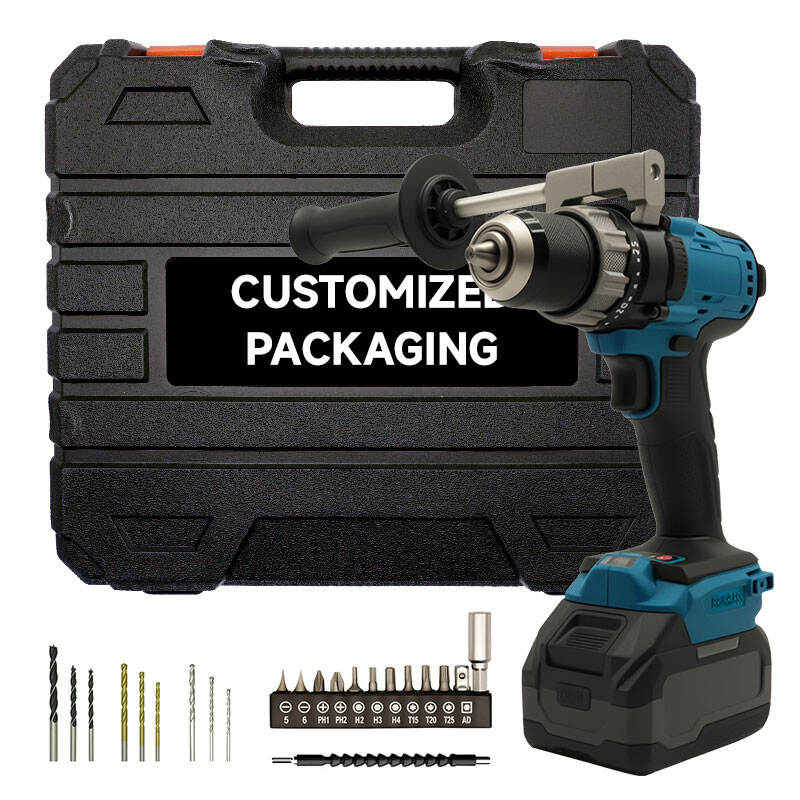
Selecting the perfect drill for your projects requires careful consideration of multiple factors that directly impact performance, durability, and value. Whether you're tackling home improvement tasks, professional construction work, or intricate DIY projects, understanding drill specifications and capabilities ensures you make an informed purchase decision. The modern drill market offers countless options ranging from basic corded models to advanced cordless systems with sophisticated features designed for specific applications.
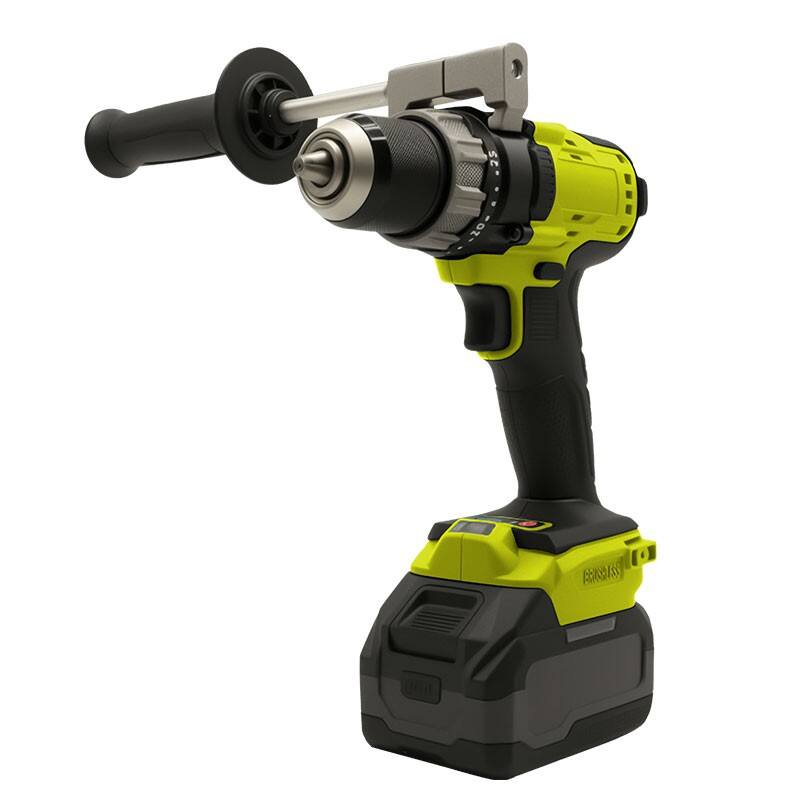
Understanding Drill Types and Their Applications
Cordless Drill Advantages
Cordless drill models dominate today's power tool market due to their exceptional mobility and convenience. These battery-powered tools eliminate the need for electrical outlets, making them ideal for outdoor projects, remote job sites, and areas with limited power access. Modern lithium-ion batteries provide extended runtime and maintain consistent power output throughout the discharge cycle. The absence of power cords also reduces workspace clutter and eliminates tripping hazards during intensive drilling operations.
Professional contractors particularly value cordless drill systems for their quick setup and teardown capabilities. Advanced models feature brushless motors that deliver superior efficiency, longer tool life, and reduced maintenance requirements compared to traditional brushed motor designs. The latest cordless drill technology includes intelligent battery management systems that prevent overheating and extend overall battery lifespan through optimized charging cycles.
Corded Drill Benefits
Corded drill options remain relevant for heavy-duty applications requiring continuous power delivery without interruption. These tools typically offer higher torque output and sustained performance during extended drilling sessions. Professional workshops and manufacturing environments often prefer corded drill models for repetitive drilling tasks where consistent power availability outweighs mobility concerns. The unlimited runtime eliminates downtime associated with battery charging and replacement cycles.
Industrial applications frequently demand the raw power that corded drill systems provide, especially when working with dense materials like steel, concrete, or hardwood. These tools maintain peak performance throughout the entire work session without power degradation that might occur as batteries discharge. Corded drill models also typically cost less than equivalent cordless systems when factoring in battery and charger expenses.
Essential Drill Specifications and Features
Power and Torque Considerations
Drill power ratings directly influence the tool's capability to handle various materials and drilling tasks. Voltage ratings in cordless drill models typically range from 12V for light-duty applications to 20V or higher for demanding professional use. Higher voltage systems generally provide increased torque output, faster drilling speeds, and better performance in challenging materials. Understanding your typical drilling requirements helps determine the appropriate power level for your specific needs.
Torque specifications indicate the drill's rotational force capability, measured in inch-pounds or Newton-meters. Variable torque settings allow users to adjust the tool's power output based on material density and screw size requirements. This feature prevents overdriving screws, stripping screw heads, or damaging delicate materials during assembly operations. Professional-grade drill models often include multiple torque settings plus a dedicated drilling mode for maximum power output.
Chuck Size and Compatibility
Chuck diameter determines the maximum bit shank size that the drill can accommodate, directly affecting the range of available drilling and driving accessories. Standard chuck sizes include 1/4-inch, 3/8-inch, and 1/2-inch configurations, with larger chucks accepting bigger bits for heavy-duty drilling applications. Keyless chuck designs provide convenient bit changes without additional tools, while keyed chucks offer superior bit retention for high-torque applications.
Modern drill chuck technology includes quick-release mechanisms that enable rapid bit changes during multi-task projects. Some advanced models feature magnetic bit holders or quick-connect systems that further streamline accessory swapping. The chuck quality directly impacts drilling accuracy and bit retention under load, making it a critical consideration for professional applications requiring precision and reliability.
Battery Technology and Runtime Optimization
Lithium-Ion Battery Advantages
Contemporary cordless drill systems predominantly utilize lithium-ion battery technology for its superior energy density and performance characteristics. These batteries maintain consistent voltage output throughout the discharge cycle, ensuring steady drill performance until the battery requires recharging. Lithium-ion cells also resist memory effect issues that plagued older nickel-cadmium batteries, allowing partial recharging without capacity loss over time.
Advanced lithium-ion batteries incorporate cell monitoring systems that balance individual cell voltages and prevent overcharging damage. Temperature management features protect the battery during extreme operating conditions while maximizing cycle life. Many professional drill systems include multiple battery packs to ensure continuous operation through rotation and charging cycles.
Runtime and Charging Considerations
Battery capacity ratings, measured in ampere-hours, indicate the energy storage capability and expected runtime under typical operating conditions. Higher capacity batteries provide extended operation but increase tool weight and cost. Professional users often balance capacity needs against portability requirements based on their specific application demands and work environment constraints.
Fast-charging technology reduces downtime between battery swaps, with some systems achieving 80% charge capacity in 30 minutes or less. Smart charging algorithms optimize the charging process to maximize battery lifespan while minimizing charging time. Some advanced drill systems include USB charging ports for mobile devices, adding versatility to the power platform beyond drilling applications.
Drill Accessories and Bit Selection
Drill Bit Materials and Applications
Proper bit selection significantly impacts drilling performance, hole quality, and tool longevity across different material types. High-speed steel bits work effectively for general-purpose drilling in wood, plastic, and soft metals, offering good durability at reasonable cost. Carbide-tipped bits provide superior performance in masonry, concrete, and tile applications where standard steel bits would quickly dull or break under the abrasive conditions.
Titanium-coated drill bits offer enhanced durability and heat resistance for demanding applications, while cobalt steel bits excel in stainless steel and other hard metal drilling tasks. Specialized bit geometries optimize performance for specific materials, such as brad-point bits for clean wood holes or step drill bits for sheet metal applications. Understanding material-specific bit requirements ensures optimal drilling results and maximizes bit lifespan.
Specialty Attachments and Accessories
Modern drill systems support extensive accessory ecosystems that expand functionality beyond basic drilling operations. Right-angle attachments enable drilling in confined spaces where the main drill body cannot fit, while depth stops ensure consistent hole depths for professional assembly applications. Magnetic bit holders and quick-change systems streamline bit swapping during multi-step projects.
Auxiliary handles improve control during heavy-duty drilling operations, while belt clips and holsters enhance portability and accessibility on job sites. LED work lights illuminate drilling areas in low-light conditions, improving accuracy and safety. Some drill models include integrated level bubbles or laser guides for precise hole placement in critical applications requiring exact positioning.
Safety Features and Ergonomic Design
Safety Mechanisms and Protection
Modern drill designs incorporate multiple safety features that protect both the user and the tool during operation. Electronic clutch systems automatically disengage power when the bit encounters excessive resistance, preventing injury from sudden tool bind or kickback. Overload protection circuits monitor motor current and shut down the drill when thermal limits are approached, preventing permanent motor damage from extended heavy-duty use.
Variable speed triggers allow precise control over drilling speed, enabling users to match RPM to material requirements and maintain better control during delicate operations. Some advanced drill models include reverse rotation locks that prevent accidental direction changes during intensive drilling tasks. Battery protection systems monitor voltage levels and prevent deep discharge damage that could permanently reduce battery capacity.
Ergonomic Features for Extended Use
Ergonomic drill design considerations directly impact user comfort and productivity during extended work sessions. Rubberized grip surfaces provide secure handling even with wet or oily hands, while contoured handle shapes reduce hand fatigue during repetitive drilling operations. Balanced weight distribution minimizes wrist strain and improves control accuracy, particularly important for overhead or precision drilling tasks.
Tool-free chuck systems eliminate the need for chuck keys while maintaining secure bit retention under normal operating loads. Some drill models feature adjustable auxiliary handles that accommodate different user preferences and drilling angles. Integrated belt clips position the drill conveniently on work belts without interfering with movement or other tools, improving job site efficiency and organization.
Professional vs Consumer Grade Considerations
Durability and Construction Quality
Professional-grade drill construction emphasizes durability and reliability under demanding work conditions that would quickly destroy consumer-oriented models. Heavy-duty housings resist impact damage from drops and rough handling common on construction sites, while sealed motor compartments protect internal components from dust and moisture infiltration. Premium bearing systems and gear trains withstand high-torque applications and extended runtime without premature wear or failure.
Industrial drill specifications often include higher IP ratings for dust and water resistance, enabling operation in harsh environmental conditions. Metal gear housings and reinforced chuck assemblies handle heavy-duty applications that would overwhelm plastic components in consumer models. Professional tools typically include comprehensive warranty coverage that reflects the manufacturer's confidence in long-term reliability and performance.
Performance and Feature Differences
Professional drill systems offer advanced features that enhance productivity and versatility in commercial applications. Multiple speed ranges provide optimal RPM selection for different materials and bit sizes, while electronic feedback systems maintain consistent performance under varying load conditions. Advanced clutch systems offer fine-tuned torque adjustment that prevents damage to expensive fasteners or delicate assembly components.
Professional models often include compatibility with extensive accessory systems that expand functionality across multiple trade applications. Modular battery platforms allow sharing power sources across entire tool lineups, reducing inventory requirements and charging infrastructure costs. Higher-capacity motors in professional drill models maintain peak performance during sustained use while consumer models might experience thermal cutouts or power reduction under similar conditions.
Budget Considerations and Value Assessment
Initial Investment vs Long-Term Value
Drill purchase decisions should consider total cost of ownership beyond the initial tool price, including battery replacements, accessory costs, and potential repair expenses over the tool's lifespan. Professional-grade drill models typically command higher upfront costs but deliver superior durability and performance that justify the investment through reduced replacement frequency and higher productivity rates.
Consumer-grade drill options provide adequate performance for occasional use and light-duty applications at attractive price points. However, frequent users often find that investing in professional-quality tools reduces long-term costs through improved reliability and extended service life. Warranty coverage and service availability also factor into value calculations, particularly for users who depend on their tools for income generation.
Feature Prioritization and Needs Assessment
Identifying essential features versus desirable options helps optimize drill selection within budget constraints while ensuring the tool meets actual application requirements. Basic drilling tasks might only require simple variable-speed control and adequate torque output, while professional applications demand advanced features like electronic clutches, multiple speed ranges, and premium battery technology.
Consider future needs and potential application expansion when selecting drill specifications, as upgrading later often costs more than choosing appropriate capabilities initially. Platform compatibility with other tools in your collection can provide significant value through shared batteries, chargers, and accessories. Evaluating actual usage patterns helps determine whether premium features justify their additional cost or represent unnecessary complexity for your specific requirements.
FAQ
What battery voltage should I choose for my drill
Battery voltage selection depends on your intended applications and performance requirements. 12V drill systems work well for light assembly tasks, cabinet installation, and general household projects. 18V to 20V models provide excellent balance between power and portability for most professional and DIY applications. Higher voltage systems like 24V or 36V deliver maximum power for heavy-duty drilling in concrete, steel, or large diameter holes but increase weight and cost significantly.
How do I maintain my drill for optimal performance
Regular drill maintenance includes keeping the tool clean and dry, especially around the chuck and motor vents. Lubricate the chuck periodically according to manufacturer recommendations and ensure proper bit installation to prevent chuck damage. Store batteries at partial charge in moderate temperatures and avoid complete discharge cycles. Inspect carbon brushes in brushed motor models and replace when worn. Keep air vents clear of debris to prevent motor overheating during extended use.
Can I use my drill as an impact driver
While some drill models include impact or hammer functions, standard drills should not be used as dedicated impact drivers for heavy fastening applications. Impact drivers deliver rapid rotational impacts that drive screws more efficiently and with less user fatigue than drill torque alone. Using a regular drill for heavy screw driving can damage the clutch mechanism and motor. If you frequently drive large screws or work with dense materials, consider purchasing a dedicated impact driver alongside your drill.
What accessories are essential for drill operation
Essential drill accessories include a basic bit set covering common sizes for wood, metal, and masonry applications. A magnetic bit holder simplifies bit changes and prevents dropped bits in tight spaces. Consider purchasing extra batteries if choosing cordless models to maintain continuous operation. A carrying case protects your investment and keeps accessories organized. Depth stops help achieve consistent hole depths while auxiliary handles improve control during heavy-duty applications. Quality bits appropriate for your materials ensure clean holes and extend drill life.
Table of Contents
- Understanding Drill Types and Their Applications
- Essential Drill Specifications and Features
- Battery Technology and Runtime Optimization
- Drill Accessories and Bit Selection
- Safety Features and Ergonomic Design
- Professional vs Consumer Grade Considerations
- Budget Considerations and Value Assessment
- FAQ
