 EN
EN

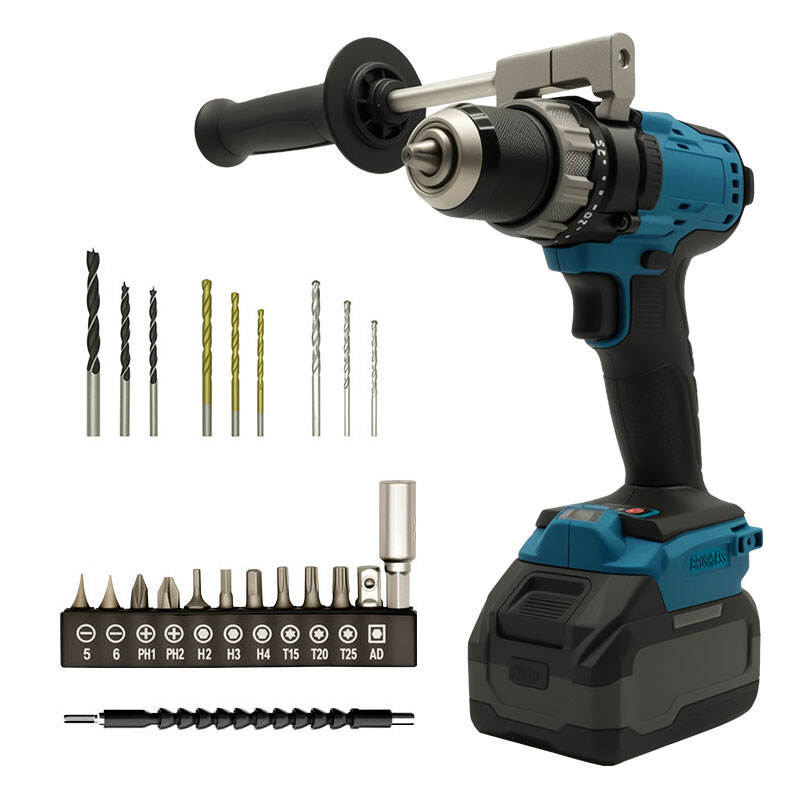
Power tools have revolutionized the way DIY enthusiasts approach home improvement projects, with the drill standing as the cornerstone of any well-equipped workshop. Whether you're a seasoned craftsperson or just beginning your journey into home renovation, selecting the right drill can make the difference between professional-quality results and frustrating setbacks. Modern drill technology has evolved significantly, offering enhanced battery life, improved torque control, and ergonomic designs that reduce user fatigue during extended use. Understanding the various types of drills available and their specific applications will help you make an informed decision that serves your project needs for years to come.
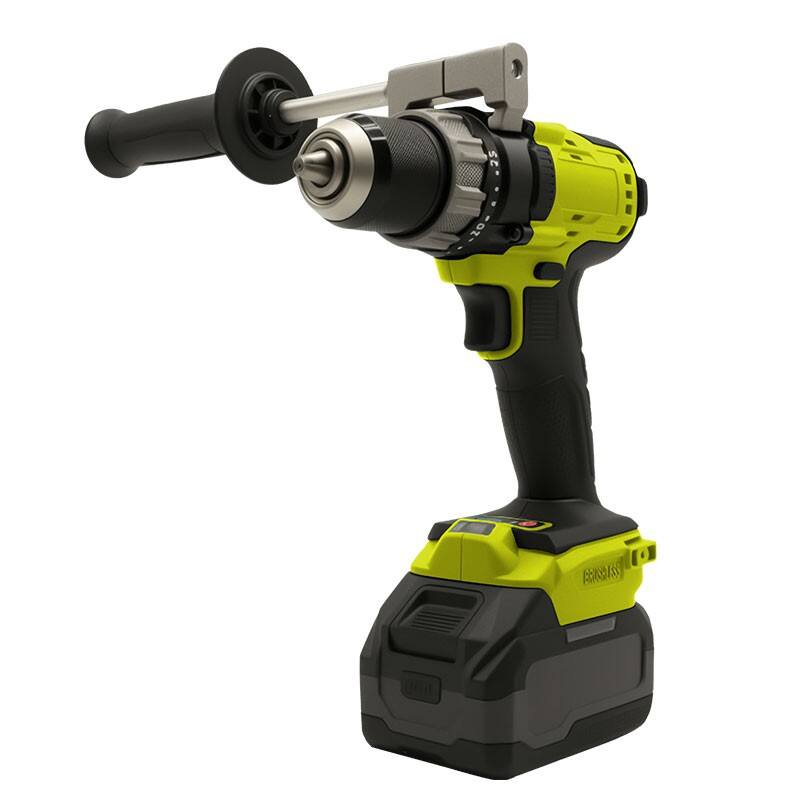
Essential Drill Types for Every DIY Workshop
Cordless Drills and Their Advantages
The cordless drill has become the preferred choice for most DIY projects due to its portability and convenience. These battery-powered tools eliminate the need for extension cords and provide freedom of movement throughout your workspace. Modern lithium-ion batteries offer impressive runtime and quick charging capabilities, making cordless drills suitable for everything from assembling furniture to installing outdoor fixtures. The compact design of most cordless models makes them ideal for working in tight spaces where maneuverability is crucial.
When selecting a cordless drill, consider the voltage rating, which directly correlates to power output. Most homeowners find that 18-20 volt models provide sufficient power for typical household tasks while maintaining reasonable weight and battery life. Higher voltage drills offer more torque for demanding applications but may be heavier and more expensive. The chuck size, typically ranging from 3/8 inch to 1/2 inch, determines the maximum diameter of drill bits the tool can accommodate.
Corded Drills for Heavy-Duty Applications
While cordless options dominate the market, corded drills remain valuable for projects requiring sustained power output. These tools provide consistent performance without battery limitations, making them excellent for repetitive drilling tasks or working with dense materials like hardwood or metal. Corded models typically offer higher torque ratings and faster drilling speeds compared to their battery-powered counterparts at similar price points.
The reliability of corded drills makes them particularly suitable for workshop environments where consistent power availability is guaranteed. Professional contractors often maintain both cordless and corded options to ensure project continuity regardless of battery status. For DIY enthusiasts working primarily in garage workshops or basement spaces with convenient electrical access, a quality corded drill provides excellent value and performance.
Key Features to Consider When Choosing Your Drill
Power and Torque Specifications
Understanding drill power ratings helps you match tool capabilities to project requirements. Torque, measured in inch-pounds, indicates the rotational force the drill can apply before the clutch engages. Higher torque ratings enable the drill to handle larger fasteners and denser materials without stalling. Most quality drills feature adjustable clutch settings that prevent overdriving screws and stripping holes, protecting both your fasteners and work surfaces.
Variable speed control allows you to optimize drilling performance for different materials and applications. Slower speeds work better for driving screws and starting holes in hard materials, while higher speeds excel at drilling through softer woods and creating clean holes. Two-speed gearboxes found on many drills provide distinct speed ranges optimized for drilling versus driving applications, enhancing versatility and performance.
Ergonomics and User Comfort
Extended use of any power tool can lead to fatigue and discomfort, making ergonomic design crucial for DIY projects. Look for drills with comfortable grip surfaces, balanced weight distribution, and strategically placed controls that remain accessible during operation. Rubber overmold grips reduce vibration transmission and improve control, particularly important when working overhead or in awkward positions.
LED work lights have become standard features on quality drills, illuminating the work surface and improving accuracy in dimly lit areas. Belt clips and magnetic bit holders add convenience by keeping the tool and accessories within easy reach. Consider the overall weight of the drill, especially for overhead work or extended use periods where arm fatigue becomes a significant factor.
Top Drill Categories for Specific Applications
Impact Drills for Masonry and Concrete
Impact drills, also known as hammer drills, combine rotational motion with rapid hammering action to penetrate masonry, concrete, and other hard materials. This specialized drilling action makes quick work of tasks that would challenge standard drills, such as installing anchors in concrete walls or drilling holes for electrical conduit. The hammer function can typically be disengaged for use as a standard drill when working with wood or metal.
Modern impact drills often feature multiple operating modes, allowing users to switch between drilling, hammer drilling, and screw driving functions. This versatility makes them excellent all-around tools for homeowners dealing with mixed materials in renovation projects. The drill sets available today frequently include impact functionality alongside traditional drilling capabilities, providing comprehensive solutions for diverse project needs.
Right-Angle Drills for Tight Spaces
Right-angle drills feature a 90-degree head orientation that allows drilling in confined spaces where standard drill configurations cannot fit. These specialized tools prove invaluable for electrical work, plumbing installations, and framing projects where access is limited. The compact head design enables drilling between studs, inside cabinets, or other restrictive environments common in home renovation work.
Many right-angle drills offer interchangeable heads or adapters that convert standard drills for occasional tight-space work. This flexibility allows DIY enthusiasts to expand their tool capabilities without purchasing dedicated right-angle models. However, for frequent use in confined spaces, purpose-built right-angle drills typically provide better balance, control, and durability compared to adapter-based solutions.
Battery Technology and Runtime Considerations
Lithium-Ion Battery Advantages
Lithium-ion batteries have transformed cordless drill performance through superior energy density, reduced weight, and minimal memory effect. These batteries maintain consistent power output throughout their discharge cycle, ensuring your drill performs at peak capability until the battery nears depletion. Unlike older battery technologies, lithium-ion cells can be recharged at any time without degrading their capacity or lifespan.
Fast-charging capabilities mean less downtime between project sessions, with many modern batteries reaching full charge in under an hour. Battery management systems built into quality lithium-ion packs protect against overcharging, overheating, and deep discharge conditions that could damage the cells. Some manufacturers offer battery platforms that work across multiple tools, allowing you to build a comprehensive cordless tool collection while minimizing battery investment.
Maximizing Battery Life and Performance
Proper battery maintenance extends both runtime per charge and overall battery lifespan. Store batteries in moderate temperature environments, avoiding extreme heat or cold that can degrade performance. For extended storage periods, maintain batteries at approximately 40-60% charge rather than fully charged or completely depleted states. Regular use helps maintain battery health, so rotate between multiple batteries if you own several.
Understanding your drill usage patterns helps optimize battery selection and management. High-capacity batteries provide longer runtime but add weight and cost, while standard capacity options offer better balance for lighter-duty applications. Many users find that owning multiple standard-capacity batteries provides more flexibility than relying on a single high-capacity pack, especially for projects requiring sustained drilling over extended periods.
Drill Bits and Accessories for Enhanced Functionality
Essential Drill Bit Types and Applications
The effectiveness of any drill depends largely on using appropriate bits for specific materials and applications. Twist bits work well for general-purpose drilling in wood, plastic, and soft metals, while brad-point bits provide cleaner entry and more precise hole placement in wood projects. Spade bits efficiently create large-diameter holes in lumber, making them ideal for running cables or installing door hardware.
Masonry bits feature carbide tips designed to withstand the abrasive nature of concrete and brick materials. These bits work best with impact drills that provide the necessary hammering action for efficient penetration. Metal cutting requires specialized high-speed steel or cobalt bits that maintain sharp cutting edges despite the heat generated during drilling. Investing in quality bits appropriate for your typical projects ensures cleaner holes and extends both bit and drill lifespan.
Specialty Attachments and Accessories
Modern drill manufacturers offer numerous accessories that expand tool functionality beyond basic drilling and screw driving. Angle adapters allow standard drills to work in tight spaces, while flexible shaft extensions reach around obstacles or into deep recesses. Dust collection attachments help maintain cleaner work environments when drilling overhead or in finished spaces.
Depth stops ensure consistent hole depths for professional-looking results, particularly important for shelf pin holes or dowel joints. Magnetic bit holders and quick-change chuck systems speed up bit changes during projects requiring multiple bit sizes. Wire brushes, sanding drums, and grinding attachments transform your drill into a versatile finishing tool for rust removal, surface preparation, and detail work.
Safety Considerations and Best Practices
Personal Protective Equipment
Safe drill operation begins with appropriate personal protective equipment tailored to the specific application and materials involved. Safety glasses protect against flying debris, particularly important when drilling overhead or working with materials prone to splintering. When drilling masonry or metal, face shields provide additional protection against larger fragments and sparks that may be generated during the process.
Hearing protection becomes necessary during extended drilling sessions or when using impact drills on hard materials. Work gloves improve grip and protect hands from sharp edges, but avoid loose-fitting gloves that could become entangled in rotating components. Dust masks or respirators are essential when drilling materials that generate harmful particles, such as treated lumber, fiberglass, or materials containing silica.
Workplace Safety and Tool Maintenance
Maintaining a clean, organized workspace reduces accident risks and improves drilling accuracy. Secure workpieces with clamps or vises to prevent movement during drilling, especially when working with small parts or thin materials. Ensure adequate lighting and clear sight lines to the work area, removing obstacles that could cause tripping or interfere with tool operation.
Regular drill maintenance ensures safe operation and extends tool life. Keep chuck mechanisms clean and properly lubricated, checking for excessive wear or damage that could cause bit slippage. Inspect power cords on corded models for damage, and replace any cords showing signs of wear or damage immediately. Battery terminals should be kept clean and dry, and damaged batteries should be disposed of properly according to local regulations.
FAQ
What size drill is best for most home DIY projects
For most home DIY projects, a 12V to 18V cordless drill with a 1/2-inch chuck provides the ideal balance of power, weight, and versatility. This size range handles typical tasks like assembling furniture, hanging pictures, and basic home repairs while remaining manageable for extended use. The 1/2-inch chuck accommodates most standard drill bits and driving accessories needed for household projects.
How long should a quality drill battery last per charge
A quality lithium-ion drill battery should provide 2-4 hours of moderate use per charge, depending on the application and battery capacity. Light-duty tasks like driving screws into softwood may extend runtime significantly, while drilling large holes in hardwood or masonry will drain batteries more quickly. Most manufacturers rate their batteries based on specific test conditions, so real-world performance may vary based on your drilling habits and environmental conditions.
Can I use my drill as a screwdriver for all types of screws
While drills excel at driving most common screws, some applications require specialized tools for optimal results. Standard wood screws, drywall screws, and sheet metal screws work well with drill drivers when proper bits and clutch settings are used. However, precision work like electronics or small hardware may benefit from dedicated screwdrivers that offer better control and reduced risk of over-tightening.
What maintenance does my drill require to ensure long life
Regular drill maintenance involves keeping the chuck clean and properly adjusted, wiping down the exterior after use, and storing the tool in a dry environment. Check carbon brushes in corded models periodically and replace them when worn. For cordless models, maintain battery health through proper charging habits and storage practices. Lubricate moving parts according to manufacturer specifications, typically annually for moderate use.
