 EN
EN

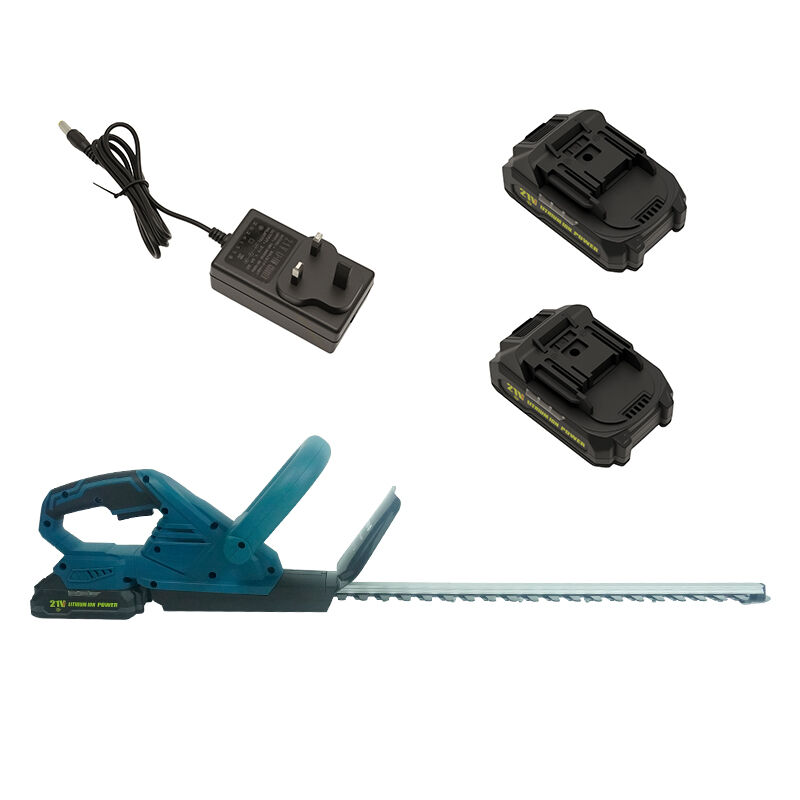
Maintaining a well-groomed garden requires the right tools, and selecting an appropriate hedge trimmer can make the difference between effortless landscaping and exhausting manual labor. Whether you're a professional landscaper or a homeowner passionate about garden maintenance, understanding the key factors that influence hedge trimmer performance will help you make an informed purchasing decision. The modern market offers numerous options ranging from lightweight electric models to powerful gas-powered units, each designed to meet specific trimming requirements and user preferences.
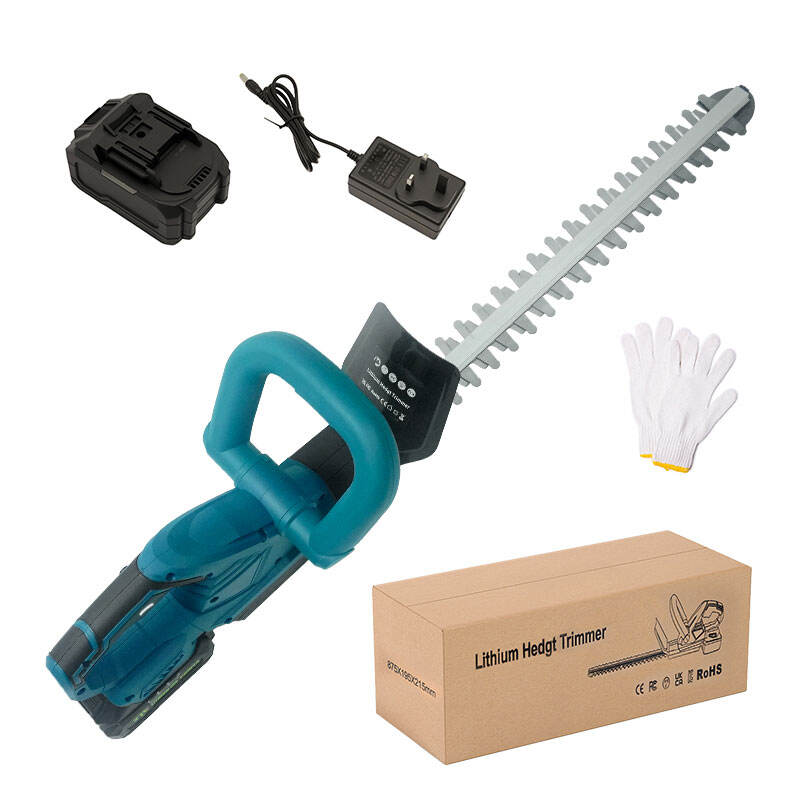
Garden hedge maintenance has evolved significantly over the past decades, with technological advancements providing users with more efficient and ergonomic solutions. Professional landscapers and gardening enthusiasts now have access to sophisticated trimming equipment that delivers precise cuts while reducing operator fatigue. The selection process involves evaluating multiple factors including blade length, power source, cutting capacity, and overall build quality to ensure optimal performance for your specific gardening tasks.
Understanding Different Power Sources
Electric Corded Models
Electric corded hedge trimmers offer consistent power delivery and unlimited runtime, making them ideal for extended trimming sessions around residential properties. These units typically provide reliable performance for small to medium-sized hedges without the weight penalty associated with batteries or fuel tanks. The primary advantage lies in their consistent cutting speed and lower maintenance requirements compared to gas-powered alternatives.
However, corded models require proximity to electrical outlets and careful cord management during operation. Professional landscapers often prefer these units for detailed work around building perimeters where power access is readily available. The lighter weight and reduced vibration levels make corded trimmers suitable for users who prioritize comfort during prolonged use sessions.
Battery-Powered Cordless Options
Cordless hedge trimmers have gained popularity due to their mobility and convenience, eliminating the constraints of power cords while providing adequate performance for most residential applications. Modern lithium-ion battery technology delivers impressive runtime and maintains consistent power output throughout the discharge cycle. These units excel in situations where maneuverability around obstacles or access to remote garden areas is essential.
Battery capacity directly impacts both runtime and cutting performance, with higher voltage systems typically offering more aggressive cutting capabilities. When evaluating cordless options, consider the total system cost including additional batteries and charging equipment. Professional users often invest in rapid charging systems and multiple battery packs to maintain continuous operation throughout demanding work schedules.
Gas-Powered Heavy-Duty Units
Gas-powered hedge trimmers deliver maximum cutting power and unlimited runtime, making them the preferred choice for commercial landscaping operations and large property maintenance. These robust units can handle thick branches and dense vegetation that would challenge electric alternatives. The high power-to-weight ratio enables efficient processing of extensive hedge systems without frequent breaks for recharging or cord repositioning.
Professional landscapers appreciate the ability to refuel quickly and continue working without downtime associated with battery charging. However, gas models require regular maintenance including fuel mixing, air filter cleaning, and seasonal storage preparation. The increased noise levels and emissions may restrict usage in noise-sensitive residential areas or environmentally conscious applications.
Blade Specifications and Cutting Performance
Blade Length Considerations
Blade length significantly impacts both cutting efficiency and maneuverability when selecting a hedge trimmer for specific applications. Shorter blades ranging from 16 to 20 inches provide better control for detailed shaping work and navigation around tight spaces. Longer blades extending beyond 24 inches excel at creating straight, uniform cuts across extensive hedge surfaces but may prove cumbersome in confined areas.
The optimal blade length depends on your typical trimming tasks and physical capabilities. Homeowners working with decorative shrubs and foundation plantings often find 18-inch blades provide an excellent balance between maneuverability and productivity. Commercial operators frequently choose longer blades to maximize efficiency when maintaining large hedge systems and property boundaries.
Tooth Spacing and Branch Capacity
Tooth spacing determines the maximum branch diameter your hedge trimmer can effectively cut, with wider gaps accommodating thicker growth while finer spacing provides cleaner cuts on delicate foliage. Standard tooth spacing ranges from 0.5 inches for fine trimming work to over 1.5 inches for aggressive cutting through established woody growth. Understanding your typical vegetation characteristics helps match tooth specifications to cutting requirements.
Professional landscapers often maintain multiple trimmers with different tooth configurations to handle diverse client needs efficiently. Fine-tooth models excel at maintaining formal hedges and topiary work, while wide-tooth versions tackle overgrown areas and initial shaping tasks. The blade design also influences cutting speed and finish quality, with double-sided blades offering versatility for both detailed work and production cutting.
Ergonomics and User Comfort Features
Weight Distribution and Balance
Proper weight distribution significantly impacts user comfort and cutting precision during extended hedge trimmer operation. Well-balanced units position the center of gravity near the main handle, reducing arm strain and improving control accuracy. Professional-grade models often incorporate counterbalance systems or strategically positioned components to optimize handling characteristics.
Users should evaluate overall weight against their physical capabilities and typical usage duration. Lighter units reduce fatigue but may sacrifice power or durability, while heavier models often provide superior performance at the cost of increased operator effort. Testing different models before purchase helps identify the optimal balance between performance capabilities and comfortable operation.
Vibration Control Systems
Advanced vibration dampening technology reduces operator fatigue and improves cutting precision by minimizing transmitted engine or motor vibration to the handles. Professional hedge trimmers often incorporate multi-stage isolation systems using rubber mounts and balanced rotating assemblies. These features become particularly important during extended operation sessions or when precision cutting is required.
Reduced vibration levels also contribute to better long-term hand and arm health for professional users who operate equipment daily. When evaluating models, consider the manufacturer's vibration specifications and user reviews regarding comfort during prolonged use. Anti-vibration systems represent a worthwhile investment for users who prioritize comfort and precision.
Safety Features and Protective Systems
Blade Guards and Hand Protection
Modern hedge trimmers incorporate comprehensive safety systems including blade guards, hand shields, and lockout switches to prevent accidental injury during operation and maintenance. Front hand guards protect against contact with moving blades while providing debris deflection during cutting operations. These safety features should never be removed or modified, as they represent essential protection systems.
Professional operators appreciate additional safety features such as blade tip guards that prevent accidental contact with surfaces or structures during trimming. Two-handed operation requirements ensure both hands remain in safe positions during cutting operations. Regular inspection and maintenance of safety systems ensures continued protection throughout the equipment's service life.
Emergency Stop Mechanisms
Reliable emergency stopping systems allow immediate blade shutdown when unexpected situations arise during hedge trimmer operation. Quality units feature easily accessible switches or triggers that immediately halt blade movement when released. Dead-man switches prevent accidental startup and ensure blades cannot operate without deliberate user control.
Professional landscapers value quick-stop systems that halt blade movement within minimal rotation after trigger release. This feature proves particularly important when working near obstacles, power lines, or in crowded landscape environments. Testing emergency stop function should be part of regular maintenance procedures to ensure reliable operation when needed.
Maintenance Requirements and Durability
Routine Maintenance Procedures
Regular maintenance extends hedge trimmer service life while ensuring optimal cutting performance and safety. Basic maintenance includes blade cleaning after each use, periodic lubrication of moving parts, and inspection of safety systems. Professional users often develop maintenance schedules based on operating hours rather than calendar intervals to ensure consistent equipment reliability.
Blade sharpening represents one of the most critical maintenance tasks, as dull blades increase cutting effort while producing inferior results. Many professional landscapers maintain spare blade sets to minimize downtime during busy seasons. Proper storage procedures including fuel stabilization and battery maintenance help prevent deterioration during inactive periods.
Build Quality and Component Durability
Commercial-grade hedge trimmers feature robust construction using high-quality materials designed to withstand demanding professional use. Heavy-duty gearboxes, reinforced housings, and premium blade steel contribute to extended service life under challenging conditions. Professional operators often justify higher initial costs through reduced replacement frequency and lower long-term operating expenses.
Warranty coverage provides insight into manufacturer confidence in product durability and construction quality. Comprehensive warranties covering both parts and labor demonstrate manufacturer commitment to product reliability. Professional users should consider warranty terms alongside purchase price when evaluating total cost of ownership for commercial applications.
Application-Specific Selection Criteria
Residential Garden Requirements
Homeowners typically require hedge trimmers capable of handling diverse vegetation types while remaining manageable for occasional use. Residential applications often involve maintaining foundation plantings, privacy hedges, and decorative shrubs of varying sizes and growth characteristics. Electric or battery-powered models frequently provide adequate performance while offering quiet operation suitable for neighborhood environments.
Storage considerations influence residential hedge trimmer selection, as many homeowners prefer compact units that require minimal storage space. Maintenance requirements should align with typical homeowner capabilities and available time for equipment care. User-friendly features such as tool-free adjustments and simplified maintenance procedures enhance the ownership experience for residential users.
Commercial Landscaping Demands
Professional landscaping operations demand hedge trimmers capable of sustained high-performance operation while maintaining cutting quality throughout demanding work schedules. Commercial applications often involve processing large volumes of vegetation efficiently while meeting strict quality standards. Gas-powered units frequently provide the power and runtime necessary for professional productivity requirements.
Fleet maintenance considerations become important for landscaping companies operating multiple units. Standardizing on specific models or manufacturers can reduce parts inventory and technician training requirements. Professional operators often maintain backup equipment to prevent work disruption when primary units require servicing or repair.
FAQ
What blade length works best for most residential hedge trimming tasks
For typical residential applications, an 18 to 22-inch blade length provides excellent versatility while remaining manageable for most users. This range handles both detailed shaping work and efficient straight-line cutting without becoming unwieldy in tight spaces. Shorter blades offer better control but require more passes, while longer blades increase productivity but may prove challenging in confined areas around foundations or garden structures.
How often should hedge trimmer blades be sharpened or replaced
Professional blade maintenance depends on usage frequency and cutting conditions, but most residential users benefit from annual sharpening or evaluation. Signs requiring attention include increased cutting effort, torn rather than clean cuts, and excessive vibration during operation. Professional landscapers may require sharpening multiple times per season depending on volume and vegetation types encountered.
Can electric hedge trimmers handle thick branches effectively
Modern electric hedge trimmers can process branches up to 3/4 inch diameter effectively, with some high-performance models handling slightly larger material. However, gas-powered units typically excel at cutting thicker growth due to higher torque output. For occasional thick branch cutting, electric models often suffice, but regular heavy-duty applications may justify gas-powered equipment investment.
What safety equipment should be used when operating hedge trimmers
Essential safety equipment includes safety glasses or face shields, hearing protection for gas-powered units, work gloves for improved grip, and long pants to protect legs from debris. Professional operators often add hard hats when working near overhead hazards and high-visibility clothing in commercial environments. Proper footwear with good traction prevents slips during operation on uneven terrain.
