 EN
EN

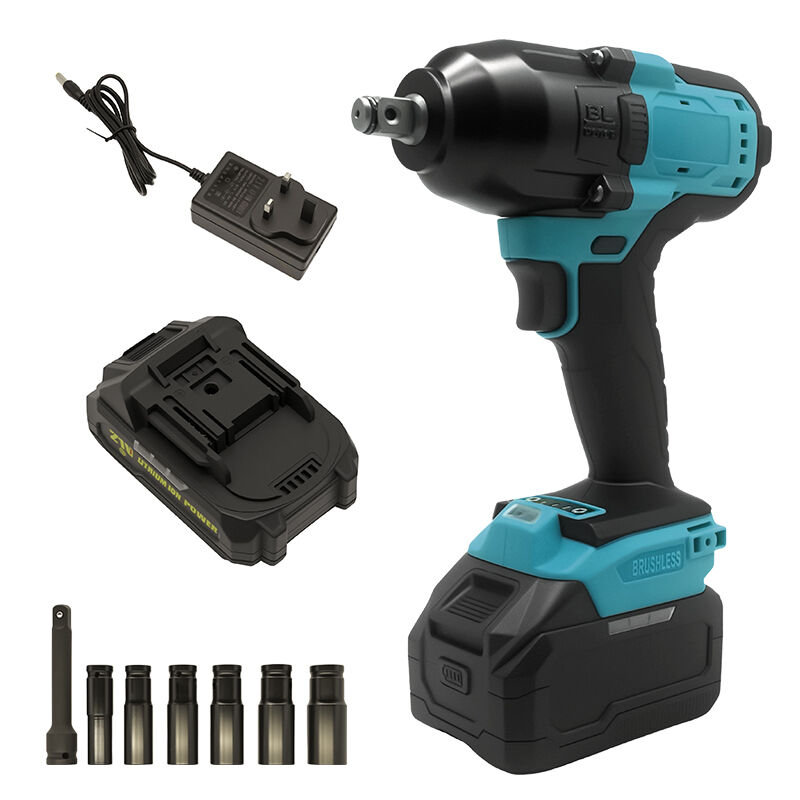
Selecting the appropriate wrench for your specific task can make the difference between efficient completion and frustrating delays. Whether you're working on automotive repairs, industrial maintenance, or home improvement projects, understanding the various types of wrenches and their applications is essential for both professional tradespeople and DIY enthusiasts. The right wrench not only ensures proper torque application but also prevents damage to fasteners and reduces the risk of injury during operation.
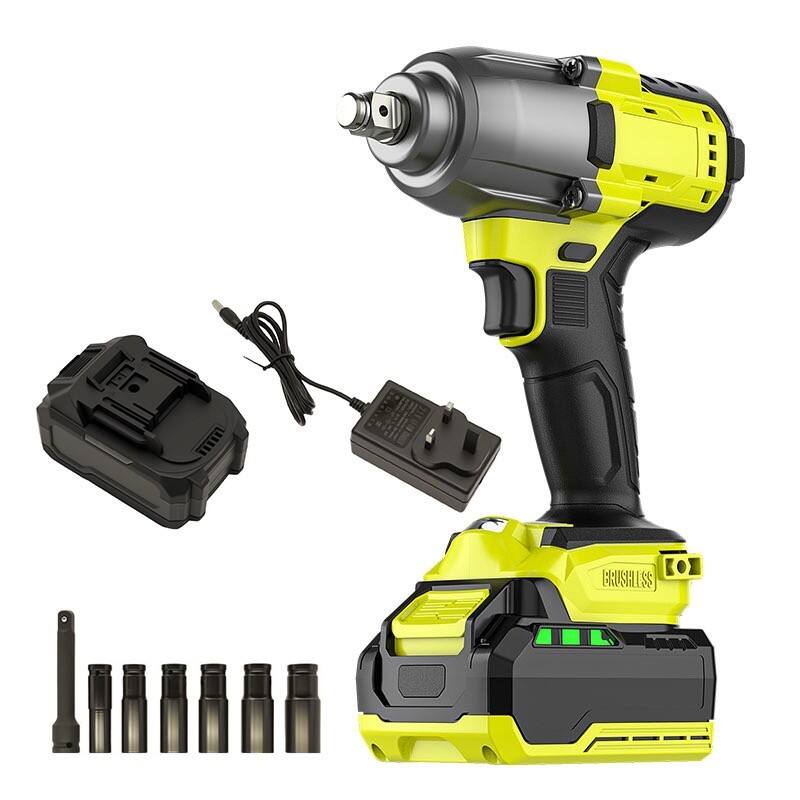
Modern wrench technology has evolved significantly, offering professionals and hobbyists alike a wide range of options to tackle virtually any fastening challenge. From traditional hand tools to advanced cordless models, each type serves specific purposes in various industries including construction, automotive, aerospace, and manufacturing. Understanding these differences empowers users to make informed decisions that enhance productivity while maintaining safety standards.
Understanding Different Wrench Types and Their Applications
Manual Wrench Categories
Open-end wrenches feature two parallel jaws that slide over the sides of bolt heads or nuts, making them ideal for situations where you can only access fasteners from the side. These tools work best in tight spaces where other wrench types might not fit, though they provide less grip surface than closed-end alternatives. The angled head design typically ranges from 15 to 60 degrees, allowing users to work around obstacles while maintaining proper leverage.
Box-end wrenches completely encircle the fastener, providing superior grip and reducing the risk of slipping or rounding off bolt heads. The closed design distributes force evenly across all contact points, making these tools excellent for high-torque applications. Most box-end designs feature twelve-point openings that require only 30 degrees of swing room, though six-point versions offer maximum strength for stubborn fasteners.
Combination wrenches merge the benefits of both open and box-end designs, featuring an open end on one side and a closed end on the other. This versatility makes them popular choices for general-purpose work, as technicians can quickly switch between approaches without changing tools. The dual functionality proves especially valuable in automotive and mechanical applications where space constraints vary throughout a single project.
Specialized Manual Tools
Adjustable wrenches offer variable jaw spacing, allowing one tool to handle multiple fastener sizes within its range. While convenient, these tools sacrifice some precision and strength compared to fixed-size alternatives. Quality adjustable models feature smooth jaw adjustment mechanisms and minimal backlash, making them suitable for light to medium-duty applications where carrying multiple fixed wrenches isn't practical.
Pipe wrenches excel at gripping round objects like pipes and rods, using serrated jaws that bite into the surface for secure hold. The angled jaw design increases grip pressure as more force is applied, making these tools indispensable for plumbing and pipefitting work. However, their aggressive gripping action can mar finished surfaces, so they're typically reserved for applications where surface damage isn't a concern.
Torque wrenches provide precise force measurement, ensuring fasteners are tightened to manufacturer specifications. These precision instruments feature calibrated mechanisms that indicate when target torque values are reached, preventing over-tightening that could damage threads or under-tightening that might allow loosening. Professional mechanics and engineers rely heavily on torque wrenches for critical applications where proper fastener tension is essential for safety and performance.
Power Tool Options for Heavy-Duty Applications
Impact Wrench Technology
Impact wrenches deliver high-torque output through rapid rotational impacts, making them ideal for removing stubborn fasteners or driving large bolts quickly. These tools excel in automotive tire changes, heavy equipment maintenance, and construction applications where speed and power are priorities. The impact mechanism reduces operator fatigue while providing significantly more torque than manual tools, though proper technique is required to avoid over-tightening.
Cordless impact models have revolutionized portable power tool capabilities, offering the convenience of battery operation without sacrificing performance. Modern lithium-ion battery technology provides extended runtime and consistent power output throughout the discharge cycle. A high-quality wrench in this category can handle demanding construction and industrial applications while maintaining portability for field work.
Air-powered impact wrenches remain popular in professional settings where compressed air systems are readily available. These tools typically offer higher power-to-weight ratios than their electric counterparts and provide consistent performance without battery limitations. Proper air pressure regulation and quality pneumatic connections are essential for optimal performance and tool longevity in shop environments.
Electric and Hydraulic Options
Electric impact wrenches provide consistent power delivery through direct electrical connection, making them suitable for stationary applications or areas with reliable power access. These tools eliminate the need for air compressors or battery management while delivering substantial torque output for heavy-duty applications. Variable speed controls allow operators to adjust power delivery based on specific requirements.
Hydraulic wrenches represent the pinnacle of torque generation capability, using fluid pressure to create enormous fastening forces for industrial applications. These specialized tools are commonly employed in wind turbine maintenance, large machinery assembly, and other applications requiring precise high-torque fastening. The smooth, controllable power delivery makes hydraulic systems ideal for critical bolting operations where accuracy is paramount.
Battery technology continues advancing rapidly, with newer lithium-ion cells offering improved energy density and reduced charging times. Professional-grade cordless tools now rival corded alternatives in many applications, providing the flexibility of portable operation without significant performance compromises. Brushless motor technology further enhances efficiency and tool lifespan in demanding work environments.
Key Selection Factors for Optimal Performance
Size and Compatibility Considerations
Fastener size compatibility represents the primary selection criterion when choosing any wrench type. Metric and imperial measurement systems require different tool sets, though some manufacturers offer dual-scale markings for convenience. Ensuring proper fit prevents fastener damage and reduces the risk of tool slippage during operation, which could result in injury or project delays.
Drive size compatibility becomes crucial when selecting socket-based tools like ratchets and impact wrenches. Common drive sizes include 1/4-inch, 3/8-inch, 1/2-inch, and larger options for heavy-duty applications. Matching drive size to expected torque requirements ensures optimal tool performance and prevents premature wear or failure under load conditions.
Reach and access requirements heavily influence tool selection in confined spaces or complex assemblies. Longer handles provide increased leverage but may not fit in tight quarters, while compact designs sacrifice some mechanical advantage for improved accessibility. Flex-head and swivel joint features can help navigate around obstacles while maintaining proper fastener engagement.
Material Quality and Durability Standards
Tool steel composition directly affects strength, durability, and corrosion resistance in various working conditions. Chrome vanadium steel offers excellent strength-to-weight ratios for hand tools, while chrome molybdenum steel provides superior impact resistance for power tool applications. Surface treatments like chrome plating or black oxide coatings enhance corrosion resistance and improve tool longevity.
Manufacturing tolerances determine fit precision and overall tool quality, with tighter tolerances generally indicating higher-grade construction. Premium tools feature minimal play in moving parts and precise fastener engagement surfaces that reduce wear and improve performance consistency. Investment in quality tools typically provides better long-term value through extended service life and reduced replacement costs.
Ergonomic design considerations become increasingly important for tools used in repetitive applications or extended work sessions. Comfortable grip surfaces, balanced weight distribution, and intuitive control placement reduce operator fatigue and improve productivity. Anti-vibration features in power tools help minimize user discomfort during prolonged use while maintaining precise control.
Safety Guidelines and Best Practices
Proper Tool Inspection and Maintenance
Regular tool inspection identifies potential safety hazards before they cause accidents or tool failure during critical operations. Visual checks should include examining jaws for wear, cracks, or damage that could compromise grip strength. Moving parts require periodic lubrication and adjustment to maintain smooth operation and prevent premature wear that might lead to unexpected failure.
Power tool maintenance extends beyond basic cleaning to include battery care, motor brush inspection, and gear case service according to manufacturer recommendations. Proper storage in clean, dry environments protects tools from corrosion and extends service life. Calibration verification for torque-sensitive applications ensures accuracy and prevents costly over-tightening or under-tightening issues.
Replacement schedules should be established based on usage intensity and manufacturer guidelines, with safety-critical applications requiring more frequent evaluation. Worn or damaged tools should be removed from service immediately to prevent accidents, and repair attempts should only be undertaken by qualified technicians using appropriate replacement parts.
Operational Safety Protocols
Personal protective equipment requirements vary by application but typically include safety glasses, appropriate gloves, and hearing protection when using power tools. Impact-resistant eyewear protects against flying debris, while properly fitted gloves provide grip enhancement without compromising dexterity. Hearing protection becomes essential during extended power tool use to prevent noise-induced hearing damage.
Proper body positioning and leverage techniques reduce injury risk while improving tool effectiveness. Maintaining stable footing and using controlled movements prevents slips that could cause injury or damage. When applying high forces, operators should position themselves to avoid injury if tools slip or fasteners suddenly release, using steady pressure rather than sudden jerking motions.
Work environment assessment identifies potential hazards like electrical systems, pressurized components, or unstable structures that could create dangerous situations. Proper lockout/tagout procedures ensure equipment cannot be accidentally energized during maintenance. Clear communication with team members prevents conflicts and ensures everyone understands their roles in maintaining a safe work environment.
FAQ
What is the difference between impact wrenches and regular wrenches for automotive work
Impact wrenches use rotational impacts to generate high torque output, making them ideal for quickly removing lug nuts and other stubborn fasteners. Regular wrenches rely on continuous rotation and manual force, providing more precise control for delicate applications. Impact tools excel at removal tasks and initial tightening, while torque wrenches ensure proper final tightening specifications.
How do I determine the correct wrench size for metric versus imperial fasteners
Metric fasteners are measured in millimeters across the flats of the hex head, while imperial fasteners use fractional inch measurements. A 13mm wrench fits a 13mm bolt head, whereas a 1/2-inch wrench fits a bolt head measuring 1/2 inch across the flats. Using the wrong size can round off fastener heads, so proper identification is crucial before beginning work.
When should I choose a cordless impact wrench over an air-powered model
Cordless impact wrenches offer superior portability and convenience for field work, mobile service, or locations without compressed air systems. Air-powered models typically provide higher torque output and unlimited runtime in shop environments with existing air infrastructure. Consider cordless tools for versatility and pneumatic tools for maximum power in stationary applications.
What maintenance is required to keep wrenches in good working condition
Manual wrenches require periodic cleaning to remove debris and light oiling of pivot points to prevent corrosion. Power tools need regular cleaning, battery maintenance, and occasional gear case service according to manufacturer schedules. All tools should be inspected before each use for damage or excessive wear that could compromise safety or performance.
Table of Contents
- Understanding Different Wrench Types and Their Applications
- Power Tool Options for Heavy-Duty Applications
- Key Selection Factors for Optimal Performance
- Safety Guidelines and Best Practices
-
FAQ
- What is the difference between impact wrenches and regular wrenches for automotive work
- How do I determine the correct wrench size for metric versus imperial fasteners
- When should I choose a cordless impact wrench over an air-powered model
- What maintenance is required to keep wrenches in good working condition
