 EN
EN

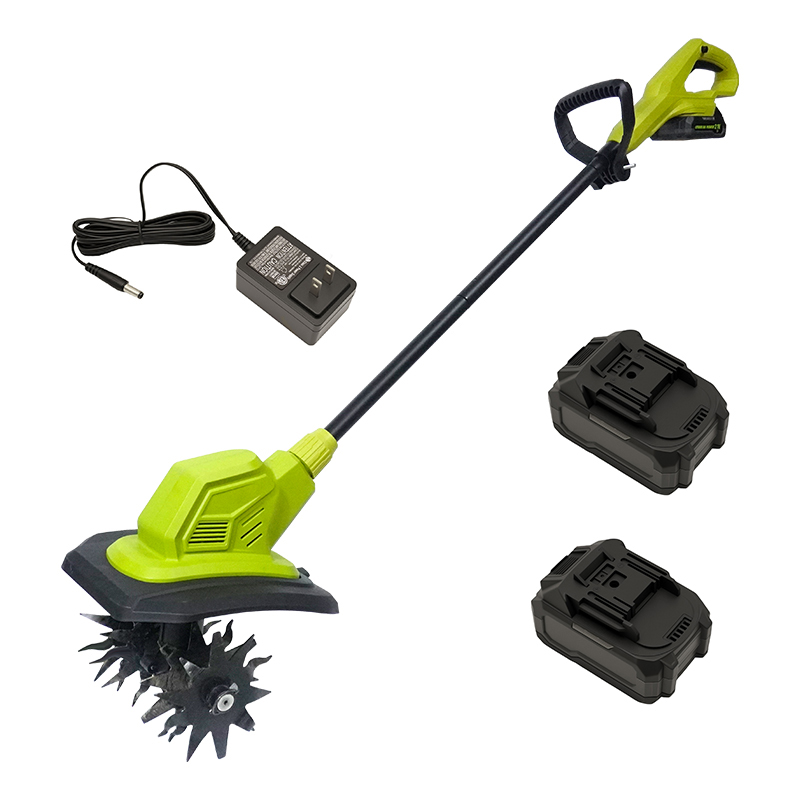
Selecting the right tiller for your garden can transform how efficiently you prepare soil, control weeds, and maintain beds year-round. A tiller is an essential tool that breaks up compacted earth, mixes amendments, and creates ideal conditions for planting. However, choosing the wrong tiller for your garden size wastes money and fails to deliver the results you need. Your garden's dimensions, soil type, and intended use should all guide your tiller selection process. This guide walks you through the critical factors to consider when purchasing a tiller that matches your specific gardening requirements.

The right tiller transforms garden preparation from exhausting manual labor into manageable, repeatable work. Understanding tiller categories, power sources, and working width helps you avoid costly mistakes. Whether you manage a small urban plot or sprawling suburban beds, the correct tiller size and type ensures you accomplish soil work quickly and effectively without overspending on unnecessary features.
Understanding Tiller Types and Garden Fit
Front-Tine Tiller for Small to Medium Gardens
A front-tine tiller works best for small to medium gardens, typically under 2,500 square feet. The tines dig and churn soil at the front of the machine, pulling the tiller forward as they work. This design makes a front-tine tiller lightweight, easy to maneuver, and affordable compared to larger options. If your garden has already been tilled before, a front-tine tiller handles annual maintenance tilling with minimal effort. The narrower working width of a front-tine tiller means multiple passes over the same area, but this precision suits urban gardens and raised beds perfectly.
Rear-Tine Tiller for Larger Spaces
A rear-tine tiller delivers superior performance for gardens exceeding 2,500 square feet or virgin soil requiring deep cultivation. The tines mount behind the wheels, allowing greater weight and downward force to break through dense, compacted earth. A rear-tine tiller features a wider working path, sometimes 24 to 48 inches, covering more ground per pass and reducing total labor time. Adjustable tilling depths and multiple forward speeds make a rear-tine tiller versatile for different soil conditions and gardening goals. For commercial growers, market gardeners, and homeowners with substantial land, a rear-tine tiller justifies the higher investment through faster, more thorough soil preparation.
Selecting Tiller Power Sources
Electric and Battery-Powered Tiller Advantages
An electric tiller or battery-powered tiller offers quiet, low-maintenance operation ideal for residential settings and urban gardening. Electric tillers produce zero emissions, require minimal seasonal maintenance, and start instantly with the push of a button. Battery-powered tiller models provide cordless convenience without the fuel handling and storage hassles of gasoline engines. Operating costs remain dramatically lower because electricity or battery charging cost far less than fuel consumption. If your garden sits within 100 feet of an outdoor power outlet, a corded electric tiller combines simplicity with unlimited runtime. A battery-powered tiller suits remote garden locations where electricity access is limited, and modern lithium-ion battery packs deliver runtime sufficient for most residential tilling tasks in a single charge.
Gasoline Tiller Power and Performance
A gasoline-powered tiller delivers maximum raw power for heavy-duty soil work, virgin land preparation, and commercial applications. Petrol engines operate independently of electricity availability and provide consistent torque throughout extended tilling sessions. A gasoline tiller maintains performance even in cool weather and handles extremely compacted or clay-heavy soils that might overwhelm electric models. However, gasoline tillers require regular fuel sourcing, seasonal engine maintenance, oil changes, and spark plug care. Storage of fuel creates safety considerations in residential properties, and emissions make gasoline tillers less suitable for noise-sensitive neighborhoods. For homeowners prioritizing convenience and low maintenance, electric or battery-powered tiller options increasingly match gasoline performance while eliminating operational complexity.
Matching Tiller Width and Depth to Your Needs
Determining Appropriate Working Width
Working width directly impacts how many passes your tiller requires to cover your entire garden. A tiller with 18-inch working width suits small plots and container gardens, requiring multiple overlapping passes but offering excellent maneuverability in tight spaces. A mid-range tiller between 24 and 30 inches balances coverage with control, covering most residential gardens efficiently without excessive bulk. Large-format gardens benefit from a tiller featuring 36 to 48 inches of working width, dramatically reducing labor time across extensive beds. Before selecting a tiller width, measure your garden dimensions and calculate how many passes you would need with different tiller sizes. A narrower tiller proves more practical than an oversized tiller you cannot easily turn or store, even if it requires additional passes to complete the job.
Digging Depth and Soil Condition Matching
Tilling depth determines how thoroughly the tiller breaks up soil and incorporates amendments. Most residential gardens require 4 to 8 inches of tilling depth for annual maintenance, as surface soil benefits most from mechanical disruption and amendment incorporation. A tiller capable of reaching 8 to 10 inches of depth tackles compacted problem soil, clay layers, and deep-rooted weeds more effectively. Virgin gardens or land preparation projects may justify a tiller with 10 to 12 inches of maximum depth, though shallower settings work fine once initial preparation completes. Verify that your chosen tiller offers adjustable depth control so you can optimize performance for specific tasks. Attempting excessive depth with an underpowered tiller stalls the engine and creates frustration, while an over-powered tiller setting wastes energy on unnecessary work.
Practical Considerations for Tiller Purchase
Weight, Storage, and Handling Capacity
A lightweight tiller remains easy to move, position, and store, particularly important for urban gardeners and those without dedicated equipment space. Most front-tine tillers weigh 30 to 100 pounds, maneuverable by one person on level ground. A rear-tine tiller often weighs 200 to 500 pounds, typically requiring trailer transport or two-person handling. Consider where you will store your tiller during off-season months and whether your garage, shed, or storage area accommodates the size. If you lack storage space, a compact, lightweight tiller proves more practical than a powerful model consuming valuable property space. Transport capability matters too; confirm that your vehicle can safely haul your chosen tiller or that you have convenient rental options available.
Budget Alignment and Long-Term Value
Tiller prices range from $200 for basic electric models to $3,000 or more for commercial-grade rear-tine tillers. Assess your actual gardening intensity to determine what tiller investment makes financial sense. Casual gardeners tilling a quarter-acre once annually benefit from affordable electric or compact gasoline models rather than investing in heavy equipment. Serious gardeners expanding beds regularly or managing larger properties justify spending on durable, feature-rich tillers that reduce labor and improve results. Consider tiller rental as an alternative for one-time large projects, avoiding purchase costs for work performed infrequently. Factor in maintenance costs, repair parts availability, and warranty coverage when comparing tiller prices; a slightly more expensive tiller with better support may deliver superior long-term value.
FAQ
What Size Tiller Do I Need for a Half-Acre Garden?
A half-acre garden (approximately 21,000 square feet) requires a rear-tine tiller with at least 24-inch working width and sufficient power to handle sustained operation. A mid-to-heavy-duty tiller with adjustable tilling depth from 4 to 10 inches provides versatility for different soil conditions. Front-tine tillers become impractical at this scale because they require too many passes and tire quickly during extended use. A gasoline-powered tiller or robust electric model matches half-acre gardening needs effectively, and renting may prove cost-effective if you tiller infrequently.
Can an Electric Tiller Handle Hard, Compacted Soil?
Modern electric tillers handle moderately compacted soil effectively, though they may struggle with extremely dense clay or virgin ground requiring deep preparation. A battery-powered tiller delivers sufficient torque for normal residential gardening and previously tilled soil in good condition. For extremely compacted or virgin ground, a gasoline-powered tiller provides more raw power and sustained performance. Pre-watering hard soil 24 hours before tilling with any tiller type improves penetration and reduces equipment strain regardless of power source.
How Often Should I Till My Garden with a Tiller?
Most established gardens benefit from annual spring tilling to break up compacted soil, incorporate amendments, and prepare beds for planting. Heavy clay soils or gardens receiving annual compost applications may justify tilling twice yearly—once in spring and again in fall. Light, well-maintained soil may need tilling only every other year if you practice no-till gardening techniques and heavy mulching. Avoid excessive tilling, which damages soil structure and depletes organic matter. A tiller remains primarily a preparation tool rather than a maintenance requirement if you layer mulch and practice proper bed management between tillings.
