 EN
EN

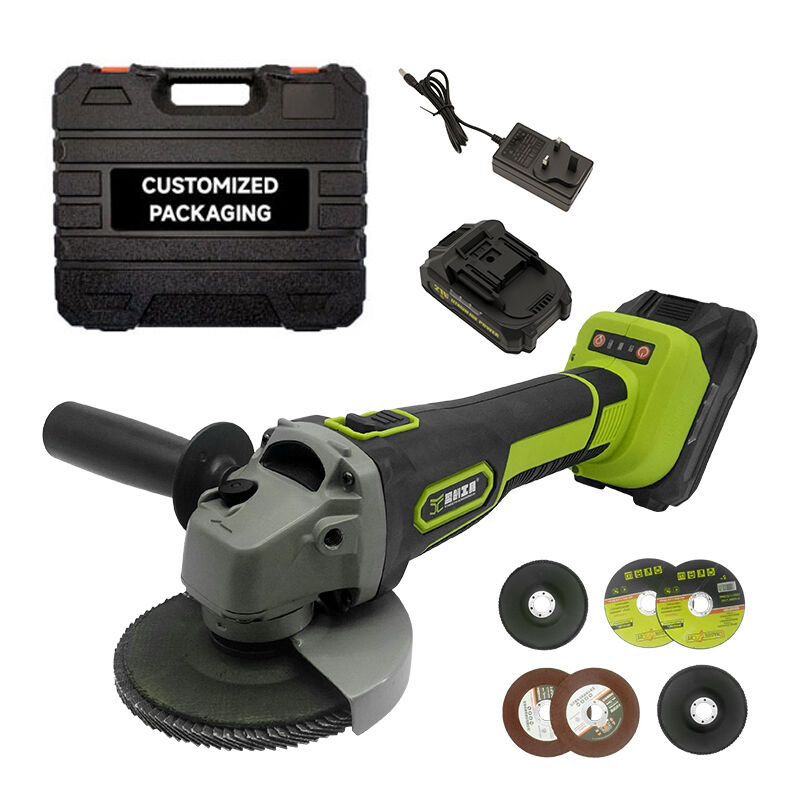
An angle grinder is one of the most versatile and powerful tools in any workshop, capable of cutting, grinding, polishing, and sharpening a wide range of materials. However, this same power and versatility that makes the angle grinder indispensable also makes it one of the most hazardous tools when used improperly. Understanding how to use an angle grinder safely is not merely a recommendation—it is an absolute necessity for anyone working in construction, metalworking, fabrication, or DIY projects. This comprehensive guide will walk you through every critical aspect of safe angle grinder operation, from pre-use inspections and proper protective equipment to correct handling techniques and post-operation maintenance, ensuring that you can harness the full potential of this tool while minimizing risk to yourself and those around you.
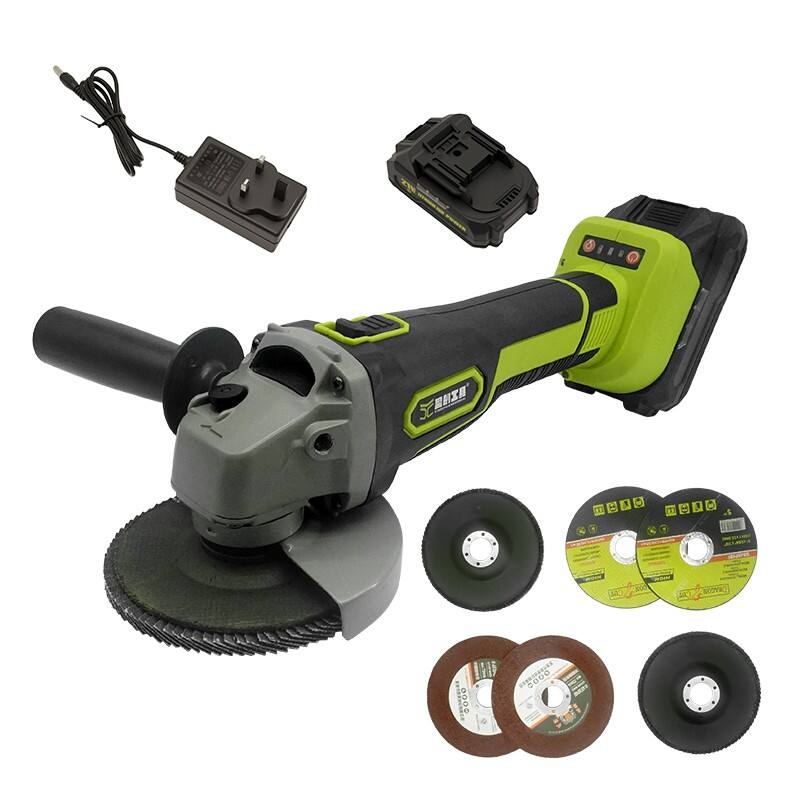
The statistics surrounding angle grinder accidents are sobering, with thousands of injuries reported annually in industrial and residential settings. Most of these incidents are preventable through proper training, adherence to safety protocols, and respect for the tool's capabilities. Whether you are a seasoned professional or a beginner just learning to operate an angle grinder, this guide provides actionable safety practices that apply across all experience levels. By following the step-by-step instructions and understanding the reasoning behind each safety measure, you will develop the knowledge and habits necessary to operate your angle grinder with confidence and security, protecting not only your physical wellbeing but also the quality and efficiency of your work.
Essential Safety Equipment and Personal Protective Gear
Eye and Face Protection Requirements
When operating an angle grinder, eye and face protection stands as the first and most critical line of defense against debris, sparks, and projectile fragments. Standard safety glasses are insufficient for angle grinder work—you must use impact-rated safety goggles or a full face shield that meets ANSI Z87.1 standards or equivalent regional certifications. The angle grinder generates high-velocity particles that can travel at speeds exceeding one hundred miles per hour, and even small metal or stone fragments can cause permanent eye damage or blindness if they penetrate unprotected eyes. A full face shield provides comprehensive protection not only for your eyes but also for your entire face, including your nose, mouth, and cheeks, which are vulnerable to burns from sparks and cuts from flying debris.
Many professionals make the mistake of wearing only safety glasses without side shields, leaving gaps through which particles can enter. When selecting eye protection for angle grinder use, choose goggles with indirect ventilation that prevents dust ingress while allowing airflow to reduce fogging. If you wear prescription glasses, ensure your safety goggles fit comfortably over them, or invest in prescription safety eyewear. Remember that face shields should always be used in conjunction with safety goggles, not as a replacement, because face shields alone do not provide adequate protection if they are lifted or if debris approaches from below. The relatively small investment in proper eye and face protection is insignificant compared to the catastrophic consequences of eye injuries that can end careers and permanently alter quality of life.
Hand, Hearing, and Respiratory Protection
Proper hand protection when using an angle grinder requires heavy-duty work gloves that balance protection with dexterity. The gloves must be thick enough to protect against heat, sparks, and minor abrasions, yet flexible enough to maintain secure grip and precise control of the tool. Leather gloves or reinforced synthetic work gloves specifically designed for grinding operations provide the best combination of protection and tactile feedback. However, never wear loose-fitting gloves or gloves with dangling cuffs, as these can be caught by the spinning disc and pull your hand into the tool—a critical safety hazard that has caused numerous severe injuries. Some professionals prefer cut-resistant gloves with grip-enhancing palms, which provide excellent protection while maintaining the sensitivity needed to detect vibration changes that might indicate disc problems.
Hearing protection is equally essential because angle grinders produce noise levels that typically range from 90 to 110 decibels, well above the threshold that causes permanent hearing damage with prolonged exposure. Use either properly fitted earplugs with a noise reduction rating of at least 25 decibels or over-ear hearing protection rated for industrial use. Many modern earmuffs designed for power tool use include features like electronic noise cancellation that allows normal conversation while blocking harmful high-frequency noise. Respiratory protection becomes necessary when grinding materials that produce fine dust particles, particularly when working with concrete, stone, or metals that may contain harmful substances. For general grinding applications, a disposable N95 respirator provides adequate protection, but when grinding materials that produce toxic dust or working in enclosed spaces, upgrade to a half-face or full-face respirator with appropriate filter cartridges rated for the specific contaminants you are encountering.
Protective Clothing and Footwear Standards
The clothing you wear while operating an angle grinder plays a crucial role in preventing injuries from sparks, hot metal fragments, and accidental contact with the spinning disc. Always wear long sleeves made from tightly woven, flame-resistant materials such as cotton or purpose-designed work fabrics—never use synthetic materials like polyester or nylon, which can melt when exposed to sparks and cause severe burns. Your shirt should be tucked in, and avoid wearing any loose clothing, dangling jewelry, lanyards, or anything that could be caught by the rotating disc. A leather apron provides additional protection for your torso and lap when grinding or cutting in positions where sparks and debris fall toward your body, and many professionals consider this essential equipment for extended grinding sessions.
Footwear requirements for angle grinder operation are equally specific. Steel-toed or composite-toed safety boots that meet ASTM F2413 standards protect your feet from dropped tools, falling materials, and the angle grinder itself if it is accidentally released. The boots should have slip-resistant soles to provide stable footing, especially important when working on metal surfaces that may be covered with grinding dust or cutting fluid. Never operate an angle grinder while wearing sandals, sneakers, or any open-toed footwear, regardless of how briefly you plan to use the tool. Additionally, ensure your pant legs cover your boot tops without excessive bunching, and consider wearing leather spats over your boots when performing operations that generate heavy spark showers, as sparks can enter boot tops and cause painful burns.
Pre-Operation Inspection and Tool Preparation
Comprehensive Tool Condition Assessment
Before every use of your angle grinder, conduct a thorough visual and functional inspection to identify any conditions that could compromise safety or performance. Begin by examining the power cord for cuts, abrasions, or exposed wiring if using a corded model, or checking battery condition and charge level for cordless angle grinder units. Inspect the body of the tool for cracks in the housing, damaged vents that could allow debris to enter internal components, or loose screws and fasteners. Pay particular attention to the spindle where the disc mounts, checking for wear, damage, or excessive play that could cause wobbling during operation. Any grinding wheel or cutting disc that wobbles even slightly must never be used, as this indicates either disc damage or spindle problems that create extreme danger of disc disintegration.
Test all safety features before beginning work, including the safety guard position and security, the spindle lock function, and most critically, the paddle switch or trigger mechanism. The angle grinder switch must operate smoothly without sticking, and if your tool is equipped with a safety lock or trigger interlock, verify that it functions correctly and that you understand how to disengage it quickly in an emergency. Examine the ventilation slots and ensure they are clear of dust and debris that could cause the motor to overheat. For cordless models, inspect the battery connection points for corrosion or damage, and ensure the battery locks securely into place without excessive movement. This pre-operation inspection takes only a few minutes but can prevent catastrophic failures that occur suddenly during use, when you have the least ability to react safely.
Disc Selection and Installation Procedures
Selecting the appropriate disc for your angle grinder and the material you intend to work with is fundamental to both safety and effectiveness. Grinding discs, cutting discs, flap discs, wire wheels, and polishing pads each have specific applications, and using the wrong disc type creates serious hazards. Always verify that the disc you select matches the angle grinder specifications, particularly the maximum RPM rating printed on both the tool and the disc. Never use a disc rated for lower RPM than your angle grinder produces, as the excessive speed will cause the disc to fail catastrophically, potentially with fatal results. Similarly, ensure the arbor hole diameter matches your angle grinder spindle size, and never attempt to force a disc onto a spindle or modify either component to make them fit.
When installing a disc on your angle grinder, first disconnect the power source by unplugging the tool or removing the battery to prevent accidental startup during installation. Use the spindle lock button to secure the spindle, then use the appropriate wrench to remove the outer flange. Place the disc onto the spindle, ensuring it sits flat against the inner flange with no gaps or tilting, then replace the outer flange and tighten it hand-tight plus approximately one-quarter turn with the wrench. Over-tightening the flange can cause the disc to crack during operation, while insufficient tightening allows the disc to slip or come loose. Before reconnecting power, manually rotate the disc by hand to confirm it spins freely without wobbling or rubbing against the guard. After reconnecting power, perform a test run by holding the angle grinder away from your body and running it at full speed for approximately thirty seconds while pointing it toward the ground in a safe direction, which allows any defective disc to fail in a controlled manner before you begin actual work.
Work Area Setup and Environmental Considerations
Proper workspace preparation significantly reduces accident risk when operating an angle grinder. Clear the immediate work area of flammable materials, as grinding and cutting operations produce showers of hot sparks that can ignite combustibles located surprising distances away—sparks can travel fifteen to thirty feet depending on material and operation type. Remove or protect any materials that could be damaged by sparks or debris, and ensure adequate ventilation, especially when working indoors or in confined spaces where dust and fumes can accumulate quickly. Position your work at a comfortable height that allows you to maintain control of the angle grinder without awkward reaching or bending, and ensure you have stable footing with no trip hazards in your immediate vicinity.
Lighting conditions deserve careful attention, as you need clear visibility of your work, the disc, and the angle grinder guard throughout the operation. Insufficient lighting leads to poor cutting accuracy and increases the likelihood of losing control or failing to notice disc wear or damage. If working outdoors, position yourself so that sunlight does not create glare on reflective surfaces or force you to work with the sun directly in your eyes. Secure your workpiece properly using clamps, vises, or appropriate fixtures so that both hands remain free to control the angle grinder—never attempt to hold material with one hand while operating the tool with the other, as this is an extremely common cause of serious injuries. Inform others in the vicinity that you will be using an angle grinder, establish a safety perimeter, and if working in a shared space, consider using barriers or warning signs to prevent others from inadvertently entering your work area while the tool is operating.
Proper Operating Techniques and Handling Methods
Correct Grip and Body Positioning
How you hold and position your angle grinder fundamentally determines both your control over the tool and your safety during operation. Always use a two-handed grip, with your primary hand holding the main handle and your secondary hand gripping the auxiliary side handle that should always be attached to your angle grinder. The auxiliary handle typically can be positioned on either side of the tool, and you should adjust it to the position that provides the most comfortable and secure grip for the specific operation you are performing. Your grip should be firm but not tense—excessive grip tension leads to rapid fatigue and reduces your sensitivity to changes in tool behavior, while too loose a grip compromises control and increases the risk of the tool being pulled from your hands by kickback.
Body positioning requires careful attention to maintain balance and control throughout the grinding or cutting operation. Stand with your feet shoulder-width apart in a stable stance that allows you to shift your weight comfortably while maintaining balance. Position yourself so that if the angle grinder suddenly kicks back or binds, it will move away from your body rather than toward you. Never position any part of your body in line with the disc, and maintain awareness of where the disc would travel if it were to shatter or if you were to lose control of the tool. Keep the power cord or battery pack behind you to prevent tripping or entanglement, and avoid overreaching, which compromises balance and control. When grinding for extended periods, periodically assess your body position and comfort, taking breaks as needed to prevent fatigue that degrades your coordination and reaction time.
Starting and Controlling the Angle Grinder
The moment of starting your angle grinder requires deliberate technique to prevent loss of control during the high-torque startup phase. Before pressing the trigger or switch, ensure you have established a proper two-handed grip and stable body position, and point the tool so that the disc faces away from you and any bystanders. Anticipate that the tool will experience significant torque reaction when starting, particularly with larger discs or more powerful motors, and brace yourself to counteract this force. Some angle grinder models include soft-start features that reduce startup torque, but you should always be prepared for sudden rotational force regardless of tool design.
Once the angle grinder reaches full speed, allow it to stabilize for a moment before bringing the disc into contact with the workpiece. Always apply the disc to the material gradually rather than plunging it in forcefully, which can cause the disc to bind, grab, or shatter. Feed the angle grinder into the work at a controlled rate that allows the disc to cut or grind efficiently without laboring—forcing the tool beyond its capability generates excessive heat that damages both the disc and the tool while significantly increasing safety risks. Listen and feel for changes in motor sound and vibration that indicate the disc is binding, wearing unevenly, or encountering unexpected resistance, and respond immediately by reducing pressure or withdrawing the tool. Never adjust your grip, change hand positions, or attempt to manipulate the workpiece while the disc is spinning, and if you need to reposition anything, release the trigger and wait for the disc to come to a complete stop before proceeding.
Direction of Operation and Guard Positioning
The direction in which you feed your angle grinder relative to the disc rotation dramatically affects both cutting efficiency and safety. The disc rotates toward the front of the tool, and proper technique typically involves feeding the angle grinder so that sparks and debris are directed away from you and downward toward the ground. This means the guard should be positioned between you and the disc, providing a shield against sparks, debris, and disc fragments if failure occurs. Never remove or modify the guard except when replacing it with a manufacturer-approved alternative designed for specific operations, as the guard represents your primary protection against the most common and severe angle grinder injuries.
When grinding surfaces, maintain the angle grinder at approximately a 15 to 30-degree angle to the work surface, which provides optimal grinding efficiency while reducing the tendency for the disc to catch or dig into the material. For cutting operations, hold the tool so the disc remains perpendicular to the material being cut, minimizing side loading that can cause disc binding and fracture. Be especially cautious when the disc is about to complete a cut and break through the material, as this moment presents high risk for kickback or sudden tool movement. Reduce forward pressure as you approach breakthrough, and be prepared to control the tool as resistance suddenly decreases. Throughout all operations, never use the side face of a cutting disc for grinding, or the edge face of a grinding disc for cutting, as discs are designed and reinforced for specific directional loads, and using them incorrectly leads to catastrophic failure.
Hazard Recognition and Emergency Response
Identifying Warning Signs of Disc Problems
Recognizing the early warning signs of disc deterioration or damage allows you to replace the disc before catastrophic failure occurs. Vibration represents one of the most reliable indicators that something is wrong—any new or increased vibration should prompt immediate shutdown and investigation, as this typically indicates disc imbalance, mounting problems, or developing cracks. Similarly, unusual sounds such as chattering, squealing, or changes in the normal cutting or grinding noise pattern warrant immediate attention. Visual inspection during periodic stops should reveal any obvious damage including chips, cracks, deep gouges, or discoloration from overheating. Particularly dangerous are radial cracks that extend from the arbor hole toward the disc edge, as these can propagate suddenly under load and cause the disc to disintegrate.
Disc wear patterns provide important information about whether you are using correct technique and appropriate pressure. Uneven wear, where one portion of the disc wears significantly faster than the rest, indicates problems with angle grinder positioning, excessive pressure, or workpiece irregularities. When a grinding disc wears down to the point where it approaches the paper backing label or when a cutting disc becomes thin enough that it flexes noticeably during use, replacement becomes mandatory regardless of whether the disc appears otherwise functional. Using worn discs beyond their service life dramatically increases the probability of failure and also reduces cutting efficiency and quality. Keep replacement discs readily available so that worn or damaged discs can be replaced immediately without the temptation to continue using compromised components to complete just one more cut.
Understanding and Preventing Kickback
Kickback occurs when the angle grinder disc suddenly binds, catches, or grabs in the material, causing the tool to violently jump or twist out of your intended path. This represents one of the most dangerous situations in angle grinder operation, as the tool can be pulled from your grip, strike you or nearby objects, or cause you to lose balance. Kickback most commonly occurs when the disc binds during cutting operations, particularly when cutting through material where the kerf closes behind the disc due to material stress or improper support. Using a cutting disc for grinding, applying excessive side pressure during cutting, or allowing the disc to become pinched in the cut all dramatically increase kickback risk.
Preventing kickback requires maintaining proper disc angle, avoiding excessive pressure, and never forcing the angle grinder through material faster than the disc can cut cleanly. When cutting sheet metal or other thin materials, support the workpiece properly to prevent flexing that can pinch the disc. Plan your cuts so that the waste portion falls away freely rather than closing on the disc, and when necessary, use wedges or supports to keep the kerf open during cutting. If kickback does occur, maintain your grip on the tool if possible but do not fight against the direction of movement—allow the tool to move while guiding it to a safe direction, then release the trigger immediately. Never attempt to forcefully stop or redirect the tool during a kickback event, as this typically results in loss of control or disc failure. After any kickback incident, inspect the disc thoroughly before resuming work, and analyze what caused the kickback so you can adjust your technique to prevent recurrence.
Emergency Shutdown Procedures and Accident Response
Every operator must know how to execute an emergency shutdown of their angle grinder instantly and instinctively. The trigger or paddle switch should be positioned so your hand naturally rests on it in a way that allows immediate release. Practice the motion of releasing the trigger and setting the tool down safely until it becomes automatic, because in genuine emergency situations, conscious thought becomes unreliable and muscle memory takes over. If the disc shatters, binds severely, or any other emergency occurs, your first action should be releasing the trigger while maintaining your grip to prevent the tool from being thrown, then carefully lowering the tool to the ground while keeping the disc away from your body.
In the event that an injury does occur despite all precautions, immediate and appropriate response can significantly affect outcomes. For eye injuries, do not rub the eye or attempt to remove embedded particles—cover the eye loosely and seek immediate medical attention, as even injuries that seem minor can cause permanent damage if not treated properly. For cuts or lacerations, apply direct pressure with clean material to control bleeding and elevate the injury above heart level if possible. Burns from sparks or hot metal should be cooled immediately with running water for at least ten minutes, but do not apply ice directly to the burn or use ointments before medical evaluation. Keep a well-stocked first aid kit in your work area and ensure that emergency contact numbers are readily available. Most importantly, all injuries should be evaluated by medical professionals even if they seem minor, as angle grinder injuries often cause more damage than initially apparent, and early treatment significantly improves recovery outcomes.
Maintenance, Storage, and Long-Term Safety Practices
Post-Operation Cleaning and Inspection
After completing your work with an angle grinder, proper cleaning and inspection maintain tool performance and identify potential problems before they cause failures during subsequent use. Allow the tool to cool completely before handling it extensively, as grinding and cutting operations generate substantial heat in both the motor housing and the mounting hardware. Once cooled, disconnect the power source and use compressed air to blow dust and debris from the motor vents, taking care to direct the airflow away from yourself to avoid breathing the dislodged particles. Grinding dust that accumulates inside the tool can cause premature motor failure by interfering with cooling or creating abrasive conditions that wear internal components.
Inspect the disc mounting hardware, including both flanges and the locking nut, for wear or damage that could affect disc security. Check the spindle lock mechanism to ensure it engages and releases properly, and verify that the guard remains secure without looseness or cracks. Examine the power cord or battery connections for any damage that may have occurred during use, and test the switch operation to confirm it functions smoothly without sticking or intermittent behavior. This post-operation inspection takes only a few minutes but allows you to identify and address maintenance needs before storing the tool, ensuring that your angle grinder will be ready for safe operation the next time you need it. Maintain a maintenance log that documents inspection findings, disc changes, and any repairs or adjustments, which helps identify patterns that may indicate developing problems and provides a record that can be valuable for warranty claims or safety documentation.
Proper Storage and Tool Organization
How you store your angle grinder between uses affects both its longevity and the safety of its next operation. Store the tool in a clean, dry location that protects it from moisture, dust accumulation, and accidental damage. Many professionals use dedicated tool cases or wall-mounted brackets that keep the angle grinder secure and protected while allowing easy access when needed. If storing in a case, remove the battery from cordless models to prevent drainage and ensure that any switches are in the off position. Never store the tool with a disc installed unless you plan to use it again shortly with the same disc, as storage-related impacts or moisture exposure can damage discs in ways that may not be visually apparent but that compromise structural integrity.
Organize your grinding and cutting discs properly to prevent damage and to make selection efficient when you need specific disc types. Store discs in their original packaging when possible, or use dedicated disc storage systems that keep them separated and protected. Never store discs in locations where they may be exposed to moisture, extreme temperatures, or direct sunlight, all of which can degrade the bonding materials that hold the abrasive particles. Organize discs by type and size, and implement a system for tracking disc age, as even unused discs have shelf lives specified by manufacturers—typically three years from manufacture date for resin-bonded discs. Using expired discs significantly increases failure risk, so incorporate age monitoring into your storage organization system and dispose of outdated discs rather than attempting to use them.
Developing and Maintaining Safety Habits
Long-term safety with an angle grinder depends less on perfect technique during any single operation and more on consistent habits that you maintain every time you use the tool. Develop a pre-use routine that you follow without exception, including tool inspection, proper equipment setup, and safety gear verification before ever pressing the trigger. Consistency in these preparatory steps transforms them into automatic habits that protect you even when you are tired, distracted, or working under time pressure. Similarly, establish standard practices for how you approach different types of cuts or grinding operations, creating mental checklists that help ensure you consider all relevant safety factors before beginning work.
Continue education and skill development throughout your experience with angle grinders, as even experienced operators can benefit from refresher training, new technique insights, or updated safety information. Pay attention to near-miss incidents where something almost went wrong but did not result in injury—these events provide valuable learning opportunities that can prevent future accidents if you analyze what occurred and adjust your practices accordingly. Share safety knowledge with others who use angle grinders, creating a culture of safety awareness that benefits everyone in your workplace or project team. Remember that safe angle grinder operation is not about avoiding the tool due to its hazards, but rather about respecting those hazards and implementing practices that allow you to benefit from the tool's capabilities while minimizing risk through knowledge, preparation, and disciplined execution of proper techniques.
FAQ
What is the most important safety rule when using an angle grinder?
The most critical safety rule when operating an angle grinder is to always wear proper eye protection in the form of impact-rated safety goggles or a full face shield. Angle grinders generate high-velocity debris, sparks, and fragments that can cause permanent eye damage or blindness in an instant. No matter how brief your intended use or how experienced you are, eye protection must be worn without exception from the moment you pick up the tool until all grinding or cutting is complete and the disc has stopped spinning. Beyond eye protection, maintaining the safety guard in proper position and never removing it except for replacement represents the second most essential rule, as the guard provides critical protection against disc failure and deflects debris away from your body.
How often should I replace the disc on my angle grinder?
Grinding discs and cutting discs should be replaced based on wear, damage, and performance rather than according to a fixed time schedule. Replace grinding discs when they wear down to approximately one-quarter inch from the backing label, when they develop any visible cracks or chips, when vibration increases noticeably, or when grinding efficiency decreases significantly despite proper technique. Cutting discs should be replaced when they become thin enough to flex noticeably during use, when any damage appears on the disc surface, or when cutting performance deteriorates. Additionally, inspect discs before every use and replace immediately if you discover any damage regardless of how much usable material remains. Never attempt to use a disc until it is completely worn down, as the final stages of disc life present dramatically increased failure risk. Keep replacement discs readily available so you can change them promptly when needed rather than being tempted to continue using a worn or damaged disc.
Can I use an angle grinder for cutting wood?
While specialized wood-cutting discs exist for angle grinders, using an angle grinder to cut wood is generally not recommended and presents significant safety hazards that exceed those of standard grinding and metal cutting operations. Wood cutting discs can grab aggressively in the material, creating severe kickback, and wood dust presents fire hazards when combined with the sparks inherent in angle grinder operation. Additionally, the high rotational speed of angle grinders is excessive for wood cutting and can cause burning, rough cuts, and rapid disc wear. For wood cutting applications, circular saws, reciprocating saws, or dedicated cutting tools designed specifically for wood provide much safer and more effective results. If you must use an angle grinder for wood cutting in specialized situations, use only manufacturer-approved wood cutting discs, exercise extreme caution regarding kickback, ensure excellent ventilation and fire prevention measures, and recognize that this represents one of the highest-risk angle grinder applications.
What should I do if my angle grinder starts vibrating during use?
If your angle grinder develops unusual vibration during operation, immediately release the trigger and wait for the disc to come to a complete stop before investigating the cause. Vibration typically indicates disc damage, improper mounting, or developing mechanical problems, any of which can lead to catastrophic failure if operation continues. Once stopped, disconnect the power source and inspect the disc for cracks, chips, or irregular wear patterns. Check that the disc is properly seated on the flanges with no gaps and that the mounting nut is adequately tightened without being over-torqued. Examine the spindle for damage or excessive play by attempting to move it laterally while the spindle lock is not engaged. If the disc appears undamaged and properly mounted but vibration persists after restarting, replace the disc, as internal damage may exist that is not visually apparent. If vibration continues even with a new disc properly installed, the problem likely involves the tool itself, and it should be serviced by a qualified technician before further use to prevent potential injury from mechanical failure.
