 EN
EN

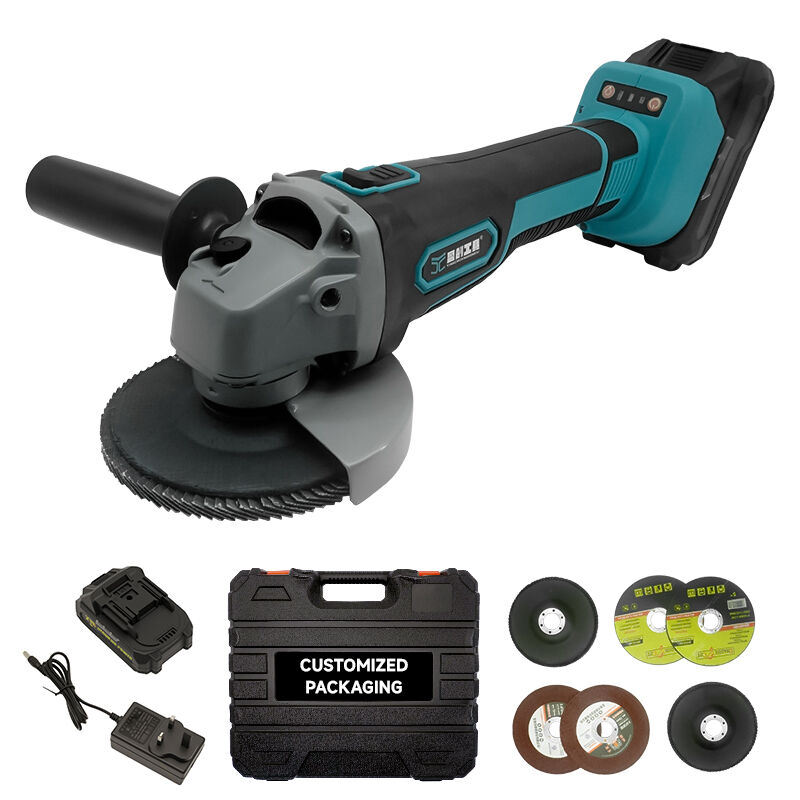
Starting your journey with power tools can be both exciting and intimidating for beginners. These versatile devices have revolutionized how we approach construction, woodworking, and home improvement projects, making tasks faster and more efficient than ever before. However, the increased speed and capability of power tools also demand a higher level of safety awareness and proper handling techniques to prevent accidents and injuries.
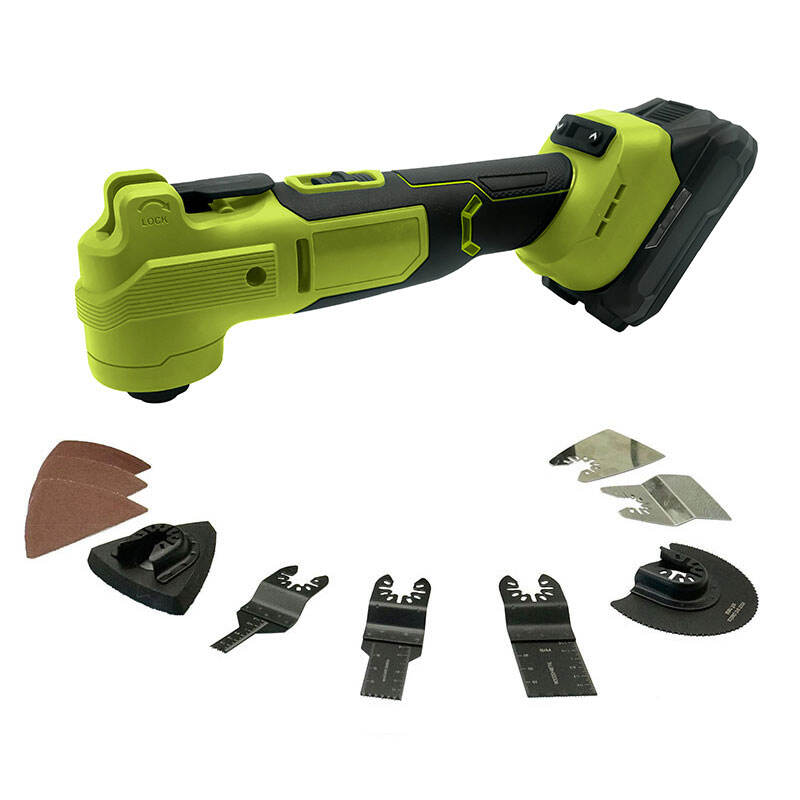
Whether you're planning to tackle your first DIY project or considering investing in professional-grade equipment, understanding the fundamental safety principles for power tools is essential. Modern power tools come with various safety features and ergonomic designs, but the responsibility ultimately lies with the operator to use them correctly. This comprehensive guide will equip you with the knowledge and confidence needed to operate power tools safely while maximizing their effectiveness in your projects.
Essential Safety Equipment and Personal Protection
Eye and Face Protection Fundamentals
Eye protection represents the most critical safety consideration when operating power tools. Flying debris, dust particles, and wood chips pose constant threats to your vision during cutting, drilling, and sanding operations. Safety glasses with side shields provide basic protection for most power tools applications, while wraparound safety goggles offer superior coverage for high-risk activities involving grinders or sanders.
Face shields become necessary when working with angle grinders, circular saws, or any power tools that generate substantial amounts of debris. These protective devices should meet ANSI Z87.1 standards and feature impact-resistant polycarbonate lenses. Additionally, ensure your eye protection fits comfortably over prescription glasses if needed, and replace damaged or scratched lenses immediately to maintain clear vision during operation.
Hearing Protection and Respiratory Safety
Prolonged exposure to the high decibel levels produced by power tools can cause permanent hearing damage. Most electric sanders, circular saws, and routers generate noise levels exceeding 85 decibels, requiring proper hearing protection during extended use. Foam earplugs offer basic protection for occasional use, while noise-canceling earmuffs provide superior comfort and protection for frequent operators.
Respiratory protection becomes equally important when power tools generate dust, fumes, or particles during operation. Dust masks rated N95 or higher filter out most airborne particles created by sanding and cutting operations. For projects involving treated lumber, MDF, or other materials containing harmful chemicals, upgrade to P100-rated respirators that provide enhanced filtration capabilities. Always ensure proper fit by performing seal checks before beginning work with power tools.
Pre-Operation Inspection and Preparation
Tool Condition Assessment
Before operating any power tools, conduct a thorough visual inspection to identify potential safety hazards or mechanical issues. Check power cords for cuts, fraying, or exposed wires that could cause electrical shock or fire hazards. Examine tool housings for cracks, loose screws, or damaged components that might affect safe operation or tool performance during use.
Verify that all safety guards, blade guards, and protective shields remain securely attached and properly positioned. Test trigger mechanisms, safety switches, and lock-off buttons to ensure they function correctly before connecting power tools to electrical sources. Replace or repair any damaged components immediately rather than attempting to operate compromised equipment that could fail during use.
Workspace Organization and Setup
Creating a clean, well-organized workspace significantly reduces accident risks when using power tools. Remove clutter, debris, and unnecessary materials from the immediate work area to prevent tripping hazards and ensure adequate maneuvering space. Establish proper lighting conditions that eliminate shadows and provide clear visibility of cutting lines, drill points, and workpiece positioning.
Secure workpieces using appropriate clamps, vises, or jigs rather than attempting to hold materials by hand while operating power tools. This approach provides better control, improves accuracy, and keeps hands safely away from cutting edges and moving parts. Ensure adequate ventilation in enclosed spaces when using power tools that generate dust, fumes, or require cooling airflow for proper operation.
Proper Handling Techniques and Operating Procedures
Grip and Stance Fundamentals
Maintaining proper grip and body positioning when operating power tools directly impacts both safety and performance outcomes. Use both hands whenever possible to maintain maximum control over the tool, with your dominant hand on the primary grip and your support hand on designated auxiliary handles or gripping surfaces. Avoid wearing loose clothing, jewelry, or gloves that might catch in moving parts or compromise your grip on power tools.
Establish a stable, balanced stance with feet shoulder-width apart and weight evenly distributed to resist kickback forces. Position yourself to one side of the cutting line rather than directly behind power tools to avoid injury if workpieces bind or kick back unexpectedly. Maintain awareness of your body position relative to cutting paths and rotating components throughout the entire operation.
Starting and Stopping Procedures
Proper startup procedures for power tools help prevent accidents and extend equipment life. Always ensure the tool switch is in the off position before connecting to power sources or installing batteries. Allow power tools to reach full operating speed before making contact with workpieces, and never attempt to start tools while blades or bits are already touching materials.
When finishing cuts or operations, maintain full control until power tools come to a complete stop. Never set down running tools or attempt to stop blades or bits by hand contact. Use the appropriate braking systems or allow natural deceleration while keeping hands and body parts clear of moving components. Disconnect power sources when changing accessories, making adjustments, or performing maintenance on power tools.
Material Handling and Workpiece Security
Clamping and Support Systems
Proper workpiece support and clamping techniques form the foundation of safe power tools operation. Use appropriate clamps, vises, or jigs to secure materials firmly without over-tightening that might cause distortion or damage. Position clamps away from cutting paths to avoid accidental contact with blades, bits, or other moving components during operation.
For larger workpieces, establish adequate support on both sides of cutting lines to prevent binding, pinching, or sudden movement that could cause kickback. Roller stands, sawhorses, or dedicated work tables provide stable platforms for handling sheet goods and long lumber with power tools. Always support cut-off pieces to prevent them from falling or binding against blades during completion of cuts.
Feed Rate and Pressure Control
Applying appropriate feed rates and pressure when using power tools ensures clean cuts while preventing overheating, binding, or equipment damage. Allow cutting edges to work at their designed pace rather than forcing tools through materials too quickly. Excessive pressure can cause premature blade dulling, motor overload, or dangerous kickback situations that compromise operator safety.
Monitor power tools for signs of strain such as reduced motor speed, excessive vibration, or burning odors that indicate inappropriate feed rates or dull cutting edges. Pause operations periodically to allow motors to cool and inspect cutting progress, especially during extended operations or when working with dense materials. Maintain steady, controlled movements that follow natural cutting paths without forcing or deflecting power tools from their intended directions.
Electrical Safety and Power Management
Cord Management and GFCI Protection
Proper electrical safety practices prevent shock hazards and equipment damage when using corded power tools. Always use Ground Fault Circuit Interrupter (GFCI) protection when operating tools in damp conditions or outdoor environments. Inspect extension cords for damage before each use and ensure they have adequate amperage ratings to handle the connected power tools without voltage drops that could damage motors.
Route power cords away from cutting paths, walking areas, and sharp edges that might cause damage during operation. Use cord management systems or temporary supports to keep cables elevated and clear of work surfaces where power tools might accidentally cut through them. Never pull power tools by their cords or use cords to lower tools from elevated positions.
Battery Safety and Maintenance
Modern cordless power tools rely on lithium-ion batteries that require proper handling and maintenance for safe operation. Always use manufacturer-specified chargers and avoid exposing batteries to extreme temperatures that could cause performance degradation or safety hazards. Store batteries in cool, dry locations away from direct sunlight and heat sources when not in use with power tools.
Monitor battery charge levels and replace depleted batteries before they affect tool performance or create safety risks from reduced power output. Never attempt to disassemble, puncture, or modify battery packs, and dispose of worn-out batteries through appropriate recycling programs. Keep battery terminals clean and inspect cases for damage that might indicate internal problems requiring replacement.
Maintenance and Storage Considerations
Regular Cleaning and Lubrication
Consistent maintenance schedules extend the life of power tools while maintaining their safety and performance characteristics. Clean tools after each use to remove dust, debris, and moisture that could cause corrosion or interfere with proper operation. Use compressed air to blow out motor housings and ventilation ports that could become clogged with sawdust or metal shavings.
Apply appropriate lubricants to moving parts, gears, and bearings according to manufacturer specifications and recommended intervals. Over-lubrication can attract dirt and debris that actually increases wear, while insufficient lubrication leads to premature component failure. Keep cutting edges sharp through regular honing or professional sharpening services to maintain optimal performance and safety when using power tools.
Secure Storage and Organization
Proper storage protects power tools from damage while preventing unauthorized access that could create safety hazards. Use locked cabinets or toolboxes to secure valuable equipment and keep tools away from children or inexperienced users. Store tools in dry environments with adequate ventilation to prevent moisture buildup that could cause corrosion or electrical problems.
Organize storage systems to prevent tools from contacting each other during transport or storage, which could cause damage to cutting edges or delicate components. Use padded cases, foam inserts, or dedicated storage racks that support power tools properly without placing stress on handles, cords, or attachment points. Remove batteries from cordless tools during extended storage periods to prevent discharge damage or leakage issues.
FAQ
What personal protective equipment is absolutely essential when using power tools
The minimum required safety gear includes ANSI-rated safety glasses, hearing protection rated for the specific decibel levels of your power tools, and appropriate respiratory protection such as N95 dust masks. Additional protection like steel-toed boots and work gloves may be necessary depending on the specific application and materials being worked. Always refer to manufacturer recommendations and local safety regulations for complete PPE requirements.
How often should I inspect my power tools for safety issues
Perform visual safety inspections before each use, checking for damaged cords, loose components, and proper guard placement. Conduct more thorough monthly inspections including testing safety switches, examining brushes and moving parts, and verifying calibration of depth and angle settings. Annual professional inspections or servicing may be required for heavily used power tools or as specified by manufacturer warranties.
Can I use extension cords with all types of power tools
Extension cords are generally acceptable for power tools provided they meet appropriate gauge requirements for the tool's amperage draw and cord length. Use 12-gauge cords for tools drawing up to 15 amps and distances up to 100 feet, upgrading to 10-gauge for longer runs or higher amperage requirements. Always use GFCI-protected outlets when operating power tools in damp conditions or outdoor environments.
What should I do if a power tool starts making unusual noises or vibrations
Stop operation immediately and disconnect the power source when power tools exhibit unusual sounds, vibrations, or performance changes. Inspect for obvious problems like loose components, damaged accessories, or debris interference before consulting manufacturer troubleshooting guides. Never continue operating malfunctioning power tools as this could lead to equipment failure, property damage, or personal injury requiring professional repair services.
