 EN
EN

The debate between cordless and corded power tools continues to shape purchasing decisions across construction sites, workshops, and DIY projects worldwide. Understanding the fundamental differences between these two categories of power tools can significantly impact productivity, cost efficiency, and project outcomes. Modern technological advances have narrowed the performance gap, making the choice more nuanced than ever before.
Understanding Cordless Power Tools Technology
Battery Technology Evolution
Lithium-ion batteries have revolutionized cordless power tools by providing longer runtime and faster charging capabilities. These advanced battery systems deliver consistent voltage throughout the discharge cycle, ensuring that power tools maintain peak performance until the battery is nearly depleted. The latest battery technologies incorporate intelligent charging systems that monitor cell temperature and voltage to maximize lifespan and safety.
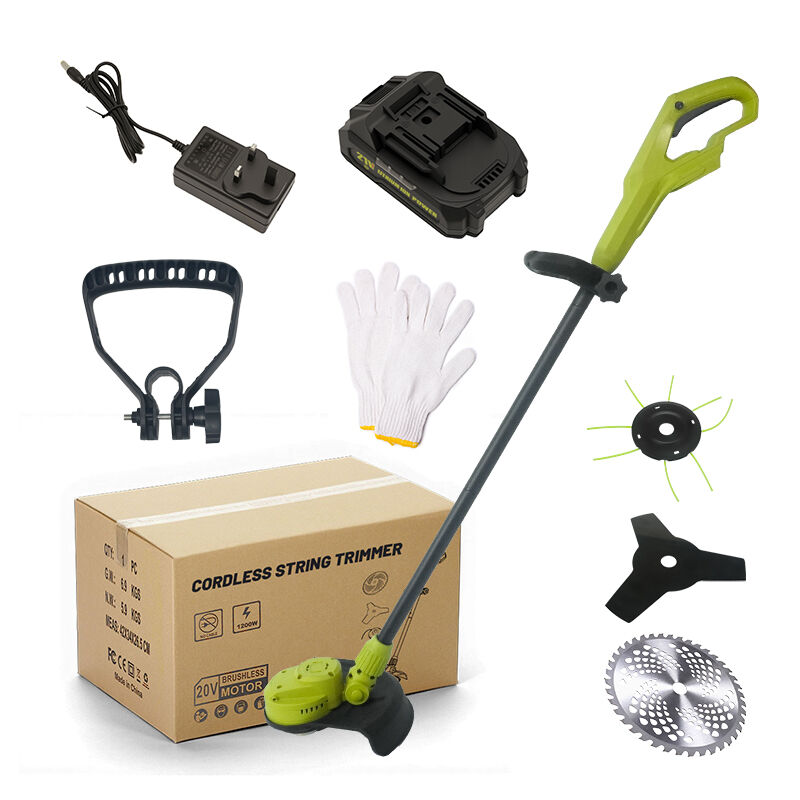
Modern cordless power tools feature brushless motors that significantly extend battery life while reducing maintenance requirements. These motors eliminate carbon brush friction, resulting in cooler operation and improved efficiency. The combination of advanced battery chemistry and brushless motor technology has made cordless options increasingly competitive with their corded counterparts in terms of raw power output.
Portability and Convenience Factors
The primary advantage of cordless power tools lies in their unmatched portability and freedom from electrical constraints. Construction professionals working in remote locations or areas without readily available power sources find cordless tools indispensable for maintaining productivity. This mobility factor becomes particularly crucial during roofing projects, outdoor installations, and emergency repair situations.
Cordless systems eliminate the safety hazards associated with extension cords, reducing tripping risks and electrical shock potential. The absence of cords also prevents workspace clutter and allows for more efficient movement around job sites. However, battery weight distribution affects tool balance, and users must consider the added bulk when selecting cordless alternatives for extended use applications.
Analyzing Corded Power Tools Performance
Consistent Power Delivery
Corded power tools maintain consistent performance throughout extended operation periods without experiencing the gradual power decline associated with battery discharge. This reliability makes corded options particularly suitable for heavy-duty applications requiring sustained high torque output. Professional contractors often prefer corded tools for tasks involving dense materials or continuous operation scenarios.
The direct electrical connection eliminates concerns about battery depletion during critical project phases. Power tools with corded designs typically offer higher peak power ratings compared to their cordless equivalents, making them ideal for demanding applications such as concrete drilling or metal cutting operations.
Cost Effectiveness and Longevity
Initial investment costs for corded power tools generally remain lower than comparable cordless models, particularly when factoring in battery and charger expenses. The absence of battery replacement cycles contributes to long-term cost savings, as lithium-ion batteries typically require replacement every three to five years depending on usage patterns and maintenance practices.
Corded tools demonstrate exceptional longevity when properly maintained, with some models operating reliably for decades. The simplified internal architecture reduces potential failure points compared to cordless alternatives that incorporate complex battery management systems and charging circuits. This reliability factor makes corded options attractive for budget-conscious users and applications where portability is not a primary concern.
Performance Comparison in Real-World Applications
Heavy-Duty Construction Tasks
Professional construction environments often demand maximum power output and continuous operation capabilities that favor corded power tools. Demolition work, concrete cutting, and structural steel fabrication typically require sustained high-torque applications where battery limitations become apparent. Corded angle grinders, circular saws, and rotary hammers excel in these demanding scenarios.
However, modern cordless power tools have made significant strides in heavy-duty performance categories. High-capacity battery packs and advanced motor designs now enable cordless tools to handle many tasks previously reserved for corded models. The key consideration involves matching tool capabilities to specific application requirements while considering runtime limitations and battery swap logistics.
Precision and Detail Work
Fine woodworking, electronics assembly, and precision machining applications often benefit from the consistent power delivery characteristics of corded tools. These tasks require steady performance without the variable torque characteristics that can occur as cordless tool batteries discharge. Corded sanders, routers, and precision drills maintain consistent speed and torque throughout extended operation periods.
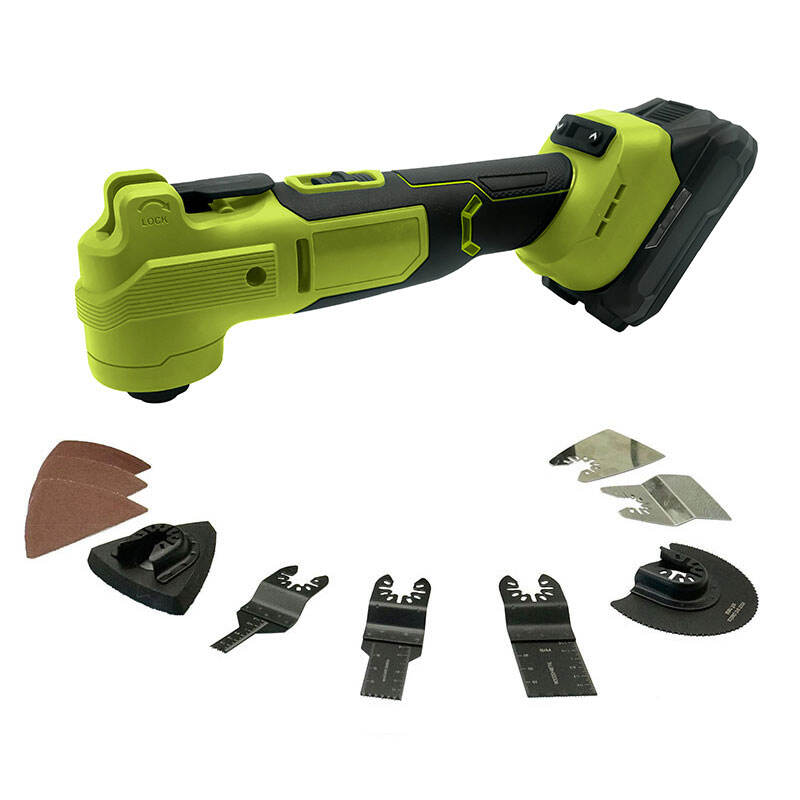
Conversely, cordless power tools offer superior maneuverability for intricate work requiring frequent repositioning or overhead operation. The absence of cord drag enhances control precision, particularly when working in confined spaces or complex geometries. Battery-powered oscillating tools and detail sanders provide excellent control for delicate finishing operations where cord interference could compromise quality.
Economic Considerations and Total Cost Analysis
Initial Investment Requirements
The upfront cost differential between cordless and corded power tools extends beyond the tool itself to include supporting accessories and infrastructure. Cordless systems require initial investment in batteries, chargers, and often carrying cases designed to accommodate the expanded component set. Professional users typically purchase multiple batteries to ensure continuous operation capability.
Corded power tools generally require minimal additional investment beyond the tool and basic accessories such as bits, blades, or attachments. However, job site electrical infrastructure costs must be considered, including extension cords, portable generators, and electrical safety equipment. The total system cost analysis should evaluate these factors based on intended use patterns and operational requirements.
Long-Term Operational Expenses
Battery replacement costs represent the most significant ongoing expense for cordless power tools. Professional-grade lithium-ion batteries can cost between fifty and two hundred dollars each, depending on capacity and brand. Users who operate tools extensively may require battery replacement every two to three years to maintain optimal performance levels.
Corded power tools incur operational costs primarily through electrical consumption and occasional cord replacement due to wear or damage. The predictable nature of these expenses allows for more accurate long-term budgeting compared to the variable battery replacement schedules associated with cordless alternatives. Energy costs vary by location but typically represent minimal operational expenses for most users.
Safety and Environmental Impact Assessment
Workplace Safety Considerations
Cordless power tools eliminate several safety hazards inherent in corded operations, including electrical shock risks, extension cord entanglement, and tripping hazards. These safety improvements prove particularly valuable in wet conditions, outdoor environments, and confined spaces where electrical safety concerns are elevated. Battery-powered tools also reduce fire risks associated with damaged extension cords or overloaded circuits.
However, cordless power tools introduce unique safety considerations related to battery handling, storage, and charging procedures. Lithium-ion batteries require proper thermal management and protection from physical damage to prevent thermal runaway conditions. Users must follow manufacturer guidelines for battery storage, charging, and disposal to maintain safe operating conditions.
Environmental Impact and Sustainability
The environmental impact of power tools encompasses manufacturing processes, operational energy consumption, and end-of-life disposal considerations. Cordless tools generate battery waste that requires specialized recycling processes to recover valuable materials and prevent environmental contamination. Lithium mining and battery manufacturing involve significant environmental impacts that must be weighed against operational benefits.
Corded power tools typically demonstrate longer operational lifespans and generate less electronic waste over their service lives. The absence of batteries eliminates concerns about toxic material disposal and reduces the frequency of component replacement. However, corded tools may consume more energy during operation due to less efficient motor designs and transmission losses through extension cords.
FAQ
How long do cordless power tool batteries typically last during continuous use
Battery runtime varies significantly based on tool type, application intensity, and battery capacity. High-capacity lithium-ion batteries in modern cordless power tools typically provide 2-6 hours of continuous moderate use, with heavy-duty applications reducing runtime to 30-90 minutes. Factors such as ambient temperature, tool age, and battery condition also influence operational duration.
Are corded power tools more powerful than their cordless equivalents
Generally, corded power tools deliver higher sustained power output compared to cordless models due to unlimited electrical supply. However, the performance gap has narrowed significantly with advances in battery technology and motor design. Modern high-end cordless tools can match or exceed the performance of many corded alternatives for most applications, though sustained heavy-duty use still favors corded options.
What maintenance differences exist between cordless and corded power tools
Cordless power tools require battery maintenance including proper charging cycles, temperature management, and periodic capacity testing. Corded tools need cord inspection, electrical connection maintenance, and motor brush replacement in brushed models. Overall maintenance complexity is similar, though cordless tools may require more frequent attention to battery-related components.
Which type of power tool offers better value for occasional home use
For occasional home use, cordless power tools often provide better value due to convenience and safety benefits despite higher initial costs. The flexibility and ease of use typically outweigh the premium price for homeowners who prioritize convenience over maximum performance. However, users planning extensive projects or requiring maximum power output may find corded options more economical.
