 EN
EN

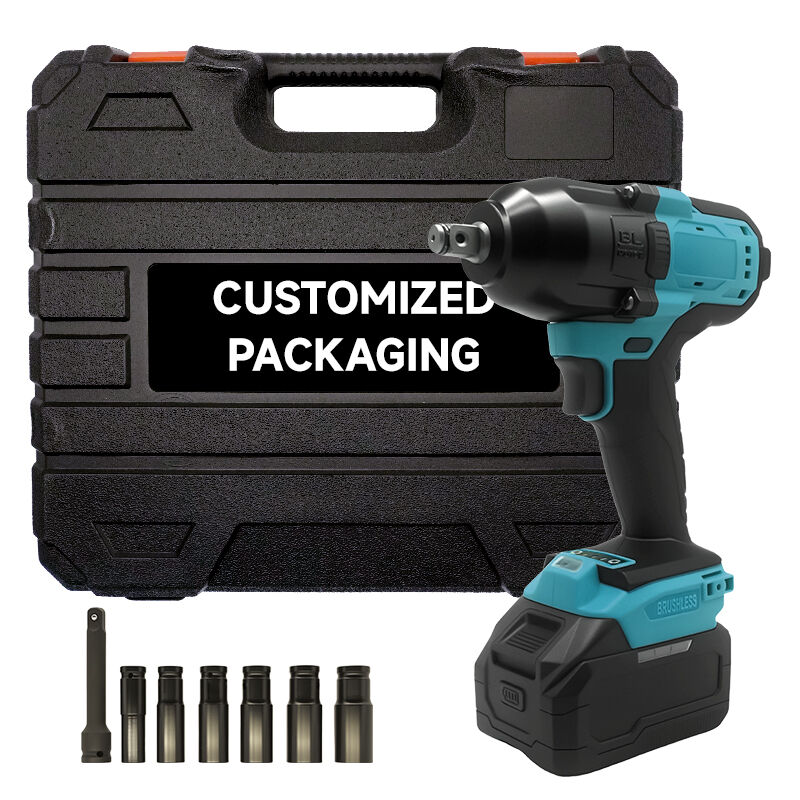
Professional mechanics and construction workers understand that proper maintenance of their tools directly impacts productivity and longevity. A well-maintained wrench can serve reliably for years, while neglected tools often fail at critical moments. Regular care routines, proper storage methods, and understanding when to replace components are essential skills that separate experienced professionals from novices. The investment in quality maintenance practices pays dividends through reduced downtime, improved safety, and extended tool life.
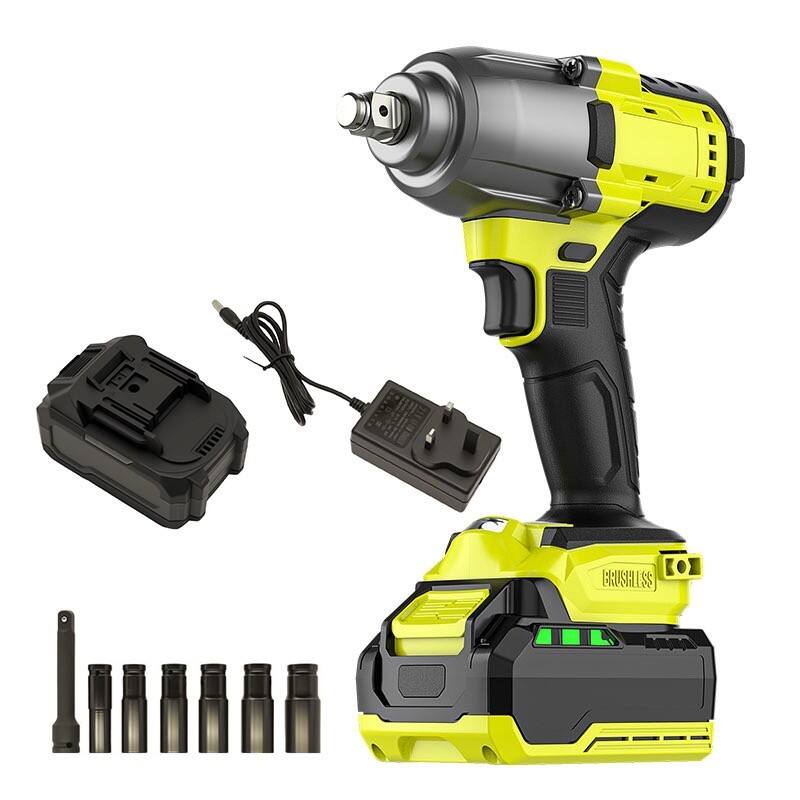
Modern industrial applications demand tools that perform consistently under extreme conditions. Whether dealing with hydraulic systems, heavy machinery assembly, or automotive repair, the reliability of your wrench directly affects project outcomes. Understanding the mechanical principles behind these tools, recognizing signs of wear, and implementing preventive measures ensures optimal performance throughout the tool's operational lifespan. Professional-grade equipment requires professional-level care to maintain its effectiveness and accuracy.
Essential Cleaning Procedures for Maximum Performance
Daily Cleaning Protocols
Establishing consistent daily cleaning routines prevents the accumulation of debris that can compromise tool functionality. After each use, remove all visible dirt, grease, and metal shavings using compressed air or soft brushes. Pay special attention to moving parts, as contaminants in these areas can cause binding or premature wear. Wipe down all surfaces with a clean cloth, ensuring that moisture and corrosive substances are completely removed before storage.
Professional workshops often implement color-coded cleaning stations where different solvents and cleaning agents are properly organized. This systematic approach prevents cross-contamination and ensures that the appropriate cleaning method is used for specific materials and finishes. Documentation of cleaning procedures helps maintain consistency across multiple operators and shifts, creating a standard that protects valuable equipment investments.
Deep Cleaning Techniques
Weekly deep cleaning sessions address contamination that daily maintenance might miss. Disassemble removable components according to manufacturer specifications, taking care to document the sequence for proper reassembly. Use appropriate solvents to remove stubborn deposits, but avoid harsh chemicals that might damage seals or specialized coatings. Ultrasonic cleaners provide excellent results for small components, reaching areas that manual cleaning cannot access effectively.
After thorough cleaning, inspect each component for signs of wear, cracking, or deformation. Replace any parts that show excessive wear before reassembling the tool. Apply fresh lubricant to all specified points, following manufacturer recommendations for type and quantity. This proactive approach prevents minor issues from developing into major failures that could sideline equipment during critical operations.
Lubrication Strategies for Extended Tool Life
Selecting Appropriate Lubricants
Different operating environments require specific lubricant formulations to ensure optimal performance. High-temperature applications demand lubricants with superior thermal stability, while marine environments necessitate products with excellent corrosion resistance. Understanding the operating conditions where your wrench will be used allows for informed lubricant selection that maximizes protection and performance. Synthetic lubricants often provide superior performance compared to conventional options, justifying their higher cost through extended service intervals and improved reliability.
Compatibility between lubricants and tool materials is crucial for preventing chemical interactions that could cause deterioration. Some lubricants may attack rubber seals or plastic components, leading to premature failure. Consulting manufacturer specifications and material safety data sheets ensures compatibility and prevents costly mistakes. Professional tool users often maintain detailed records of lubricant types and application schedules to optimize maintenance intervals and track performance trends.
Application Methods and Schedules
Proper lubricant application requires understanding both the quantity needed and the frequency of application. Over-lubrication can attract contaminants and create operational problems, while insufficient lubrication leads to accelerated wear and potential failure. Most manufacturers provide specific guidelines for lubrication points, quantities, and intervals based on typical usage patterns. Adjusting these recommendations based on actual operating conditions ensures optimal results.
Environmental factors such as temperature extremes, humidity, and exposure to chemicals influence lubrication requirements. A wrench used in dusty construction environments may require more frequent lubrication than one used in clean industrial settings. Monitoring tool performance and adjusting maintenance schedules accordingly maximizes reliability while minimizing unnecessary maintenance costs.
Storage Solutions That Prevent Damage
Climate-Controlled Environments
Proper storage conditions significantly impact tool longevity and performance reliability. Humidity control prevents corrosion formation on metal surfaces, while temperature stability prevents thermal cycling that can stress components and seals. Professional tool storage areas maintain relative humidity below 50% and avoid rapid temperature fluctuations that could cause condensation formation. Desiccant systems or climate control equipment may be necessary in challenging environments.
Organizing storage areas to prevent physical damage during handling reduces the likelihood of dropped tools and impact damage. Dedicated storage locations for each tool type prevent crowding and reduce handling errors. Foam inserts in tool drawers provide secure positioning while cushioning against vibration and minor impacts. Clear labeling systems ensure tools are returned to proper locations, maintaining organization and accountability.
Protection From Environmental Hazards
Industrial environments expose tools to various hazards including chemical vapors, metal dust, and electromagnetic interference. Sealed storage containers protect sensitive components from these environmental factors while maintaining easy access for routine use. Vapor barrier films or corrosion inhibitor papers provide additional protection during long-term storage periods. Understanding the specific hazards in your work environment allows for targeted protection strategies that address the most significant risks.
Regular inspection of storage areas identifies potential problems before they affect tools. Water leaks, pest intrusion, or temperature control failures can quickly damage valuable equipment if not detected promptly. Implementing monitoring systems with alerts for critical parameters provides early warning of conditions that could compromise tool integrity. Documentation of storage conditions helps identify patterns and optimize protection strategies over time.
Inspection and Wear Assessment Protocols
Visual Inspection Techniques
Systematic visual inspection reveals early signs of wear or damage that could lead to tool failure. Establishing inspection checklists ensures consistency across different operators and prevents oversight of critical components. Look for surface cracks, excessive wear patterns, corrosion formation, and deformation that might affect tool accuracy or safety. Documentation of inspection findings creates historical records that help predict maintenance needs and optimize replacement schedules.
Magnification tools enhance the ability to detect subtle defects that might not be visible to the naked eye. Portable microscopes or magnifying lenses reveal surface finish changes, micro-cracking, and wear patterns that indicate developing problems. Consistent lighting conditions during inspections ensure reliable detection of surface anomalies. Training operators to recognize significant defects versus normal wear patterns improves the effectiveness of inspection programs.
Performance Testing Methods
Functional testing validates that tools continue to meet performance specifications despite normal wear. Torque accuracy testing ensures that wrench output remains within acceptable tolerances for critical applications. Speed measurements verify that motor performance has not degraded significantly from new condition. These objective measurements provide concrete data for maintenance decisions rather than relying solely on subjective assessments.
Calibration against known standards maintains measurement accuracy and provides confidence in test results. Professional calibration services offer traceable standards that ensure compliance with quality system requirements. Regular calibration of test equipment prevents drift that could lead to incorrect maintenance decisions. Documenting calibration dates and results maintains audit trails required by many quality management systems.
Troubleshooting Common Issues
Performance Degradation Problems
Reduced output performance often indicates internal wear or contamination that requires attention. Systematic troubleshooting approaches help isolate the root cause rather than treating symptoms. Power loss may result from worn brushes in electric models, while reduced torque could indicate gear wear or lubrication problems. Understanding the relationship between symptoms and underlying causes accelerates problem resolution and prevents recurring issues.
Battery-powered tools present unique troubleshooting challenges related to power storage and management systems. Battery capacity degradation, charging system problems, and electronic control issues require specialized diagnostic approaches. Modern tools often include diagnostic capabilities that provide error codes or performance data to assist troubleshooting efforts. Proper interpretation of this information requires understanding the tool's electronic systems and control algorithms.
Mechanical Component Failures
Mechanical failures typically result from excessive wear, impact damage, or inadequate maintenance practices. Gear tooth wear, bearing deterioration, and seal failures are common issues that can often be prevented through proper care. Understanding failure modes helps prioritize maintenance activities and identify components that require more frequent inspection. Replacement of worn components before complete failure prevents secondary damage to other systems.
Professional repair requires access to genuine replacement parts and appropriate assembly procedures. Generic parts may not meet original specifications and could compromise tool performance or safety. Maintaining relationships with authorized service providers ensures access to technical support and genuine parts when needed. Some repairs require specialized tools or training that may not be available in typical maintenance facilities.
FAQ
How often should I clean my wrench after heavy use
Heavy use environments require cleaning after every work shift to prevent contamination buildup that could damage internal components. In extremely dirty conditions, interim cleaning during breaks may be necessary to maintain optimal performance. The key is removing abrasive particles and corrosive substances before they can cause wear or chemical damage to critical surfaces.
What type of lubricant works best for impact wrenches in cold weather
Cold weather applications require low-viscosity synthetic lubricants that maintain fluidity at reduced temperatures. Conventional petroleum-based lubricants may thicken excessively, causing increased power consumption and reduced performance. Multi-grade synthetic oils designed for automotive applications often provide excellent cold-weather performance for pneumatic and electric impact tools.
When should I replace my wrench instead of repairing it
Replacement becomes economically justified when repair costs exceed 60-70% of new tool cost, or when parts availability becomes problematic. Safety considerations may also dictate replacement if critical components show fatigue cracking or other conditions that could lead to sudden failure. Modern tools with electronic controls may reach obsolescence faster than purely mechanical designs due to parts availability constraints.
Can I use automotive grease for wrench maintenance
Automotive grease may be suitable for some applications, but specialized tool lubricants often provide superior performance and component compatibility. High-speed applications require lubricants with better shear stability than typical automotive products. Always consult manufacturer specifications to ensure lubricant compatibility with seals, plastics, and metal components used in your specific tool model.
