 EN
EN

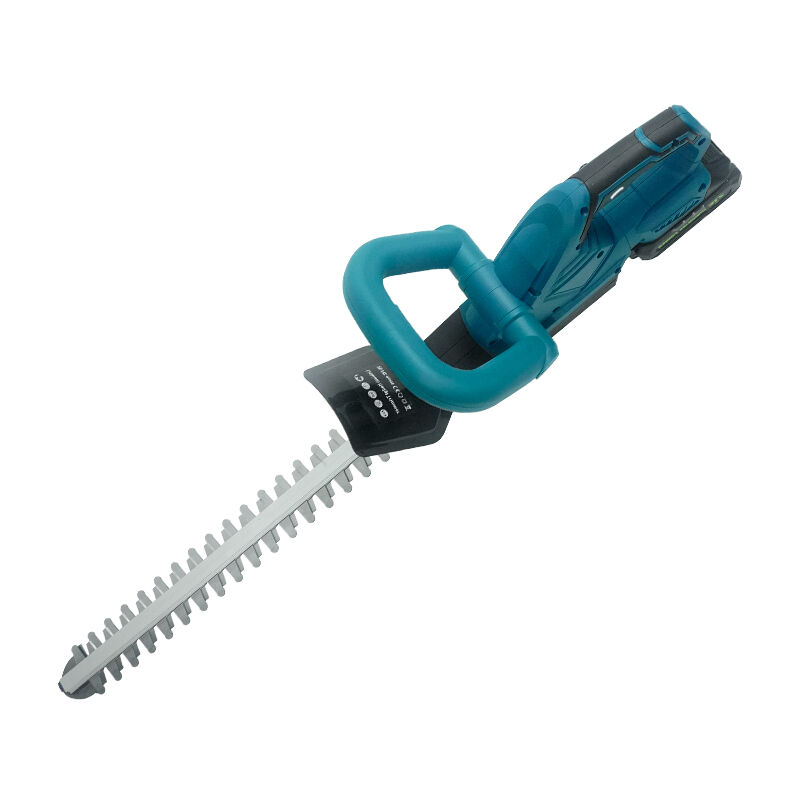
Professional landscapers and homeowners alike understand the importance of maintaining well-manicured hedges and bushes. A quality hedge trimmer serves as an essential tool for creating clean, precise cuts that promote healthy plant growth while enhancing the overall aesthetic appeal of any property. Modern hedge trimmer technology has evolved significantly, offering users improved efficiency, reduced fatigue, and superior cutting performance across various vegetation types.
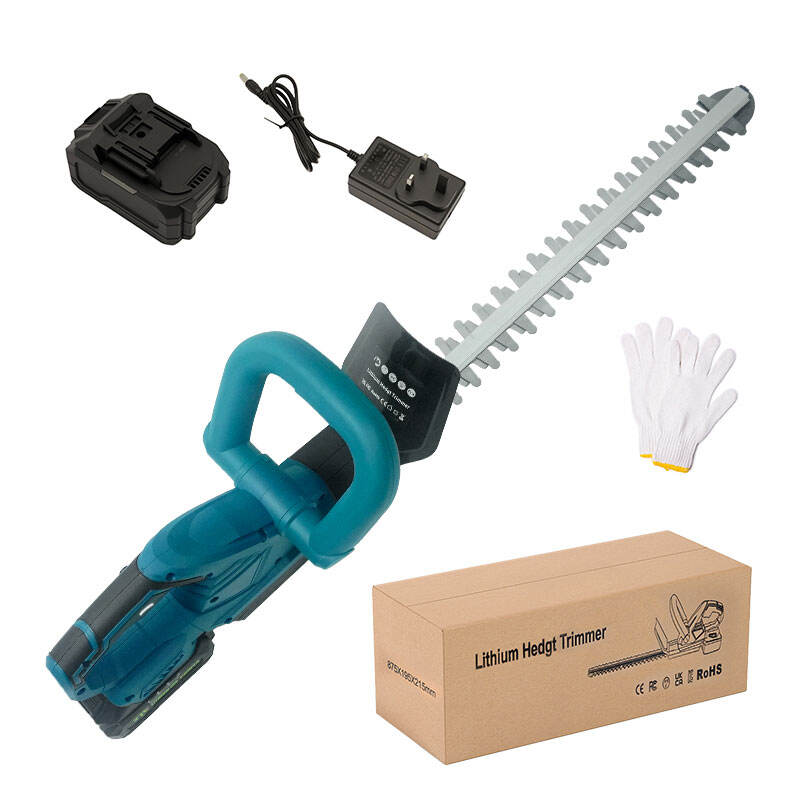
Selecting the appropriate hedge trimmer requires careful consideration of multiple factors including blade length, power source, cutting capacity, and intended usage frequency. Professional-grade models typically feature enhanced durability, extended runtime capabilities, and ergonomic designs that minimize operator strain during extended trimming sessions. Understanding these key specifications enables buyers to make informed decisions that align with their specific landscaping requirements and budget constraints.
Essential Features to Consider in Modern Hedge Trimmers
Blade Technology and Cutting Performance
The blade system represents the most critical component of any hedge trimmer, directly impacting cutting efficiency and overall performance. Double-sided reciprocating blades offer superior cutting speed compared to single-sided alternatives, allowing operators to trim in both forward and backward motions. High-quality steel construction ensures long-lasting sharpness and resistance to corrosion, particularly important for professional applications where consistent performance is paramount.
Blade spacing determines the maximum branch diameter that can be effectively cut, with typical measurements ranging from 16mm to 34mm. Wider spacing accommodates thicker branches but may compromise precision on smaller twigs and delicate foliage. Professional models often feature laser-cut blades with hardened steel edges that maintain sharpness longer than standard manufacturing processes, reducing maintenance requirements and operational costs.
Power Source Options and Runtime Considerations
Electric hedge trimmers provide consistent power delivery without emissions, making them ideal for residential applications and noise-sensitive environments. Corded models offer unlimited runtime but require access to electrical outlets, while battery-powered units provide greater mobility at the expense of limited operating time. Modern lithium-ion batteries deliver impressive performance with some models achieving 90 minutes or more of continuous operation on a single charge.
Gas-powered hedge trimmers deliver maximum cutting power for heavy-duty commercial applications, easily handling thick branches and dense vegetation. These units typically feature two-stroke engines ranging from 21cc to 30cc displacement, providing the torque necessary for challenging trimming tasks. However, gas models require regular maintenance, produce emissions, and generate more noise compared to electric alternatives.
Professional Applications and Industry Standards
Commercial Landscaping Requirements
Commercial landscaping operations demand hedge trimmers capable of withstanding daily use across diverse property types and vegetation conditions. Professional-grade models typically incorporate reinforced housings, commercial-duty motors, and extended warranty coverage to ensure reliable performance in demanding environments. These units often feature adjustable handles, anti-vibration systems, and ergonomic grips that reduce operator fatigue during extended work periods.
Safety features become increasingly important in professional settings, with many commercial hedge trimmers incorporating dual-action safety switches, blade guards, and emergency stop mechanisms. Compliance with industry safety standards ensures proper insurance coverage and reduces liability risks for landscaping businesses. Regular maintenance schedules and proper operator training further enhance safety while maximizing equipment lifespan and performance consistency.
Residential Garden Maintenance
Homeowners typically require less intensive cutting power but prioritize ease of use, storage convenience, and cost-effectiveness. Lightweight hedge trimmers with shorter blade lengths prove ideal for maintaining foundation plantings, privacy hedges, and decorative topiary work. Battery-powered models offer excellent maneuverability without the constraints of extension cords, particularly beneficial for properties with limited electrical access.
Noise considerations become crucial in residential neighborhoods where early morning or evening maintenance may disturb neighbors. Electric hedge trimmer models operate significantly quieter than gas-powered alternatives, allowing flexible scheduling while maintaining positive community relations. Many residential models also feature reduced weight designs and simplified controls that accommodate users with varying experience levels.
Maintenance and Operational Best Practices
Blade Care and Sharpening Procedures
Proper blade maintenance directly impacts cutting performance, equipment longevity, and operational safety. Regular cleaning removes sap, debris, and moisture that can cause corrosion and binding during operation. A simple mixture of warm water and mild detergent effectively removes organic buildup, while specialized blade cleaners tackle stubborn residues from pine sap and other sticky substances.
Sharpening frequency depends on usage intensity and vegetation types encountered during trimming operations. Professional sharpening services ensure proper blade geometry and cutting angles, while portable sharpening tools allow field maintenance for extended work sessions. Dull blades require excessive force, increase operator fatigue, and produce ragged cuts that stress plant tissue and promote disease susceptibility.
Storage and Seasonal Preparation
Proper storage procedures protect hedge trimmer investment while ensuring reliable performance season after season. Thorough cleaning and lubrication prevent corrosion during storage periods, particularly important in humid climates or coastal environments. Battery-powered models require specific storage protocols including partial charge maintenance and temperature-controlled environments to maximize battery lifespan.
Gas-powered hedge trimmers necessitate fuel system preparation including stabilizer addition or complete fuel drainage depending on storage duration. Air filter cleaning, spark plug inspection, and general lubrication should be completed before extended storage periods. These preventive measures reduce starting difficulties and ensure immediate readiness when trimming season resumes.
Advanced Features and Technology Integration
Ergonomic Design Elements
Modern hedge trimmers incorporate sophisticated ergonomic features designed to reduce operator strain and improve cutting precision. Rotating rear handles allow comfortable operation at various angles without wrist strain, particularly beneficial when trimming tall hedges or working on slopes. Anti-vibration systems utilize rubber dampeners and balanced designs to minimize hand fatigue during extended operations.
Weight distribution plays a crucial role in operator comfort, with well-designed hedge trimmers balancing motor placement and handle positioning for optimal control. Adjustable handle systems accommodate different operator heights and reach requirements, improving safety and reducing awkward positioning that can lead to accidents or repetitive strain injuries.
Smart Technology and Performance Monitoring
Contemporary hedge trimmers increasingly feature intelligent systems that optimize performance based on cutting conditions. Automatic blade speed adjustment responds to vegetation density, maintaining consistent cutting power while preserving battery life in cordless models. Some professional units include usage tracking capabilities that monitor operating hours, maintenance intervals, and performance metrics for fleet management applications.
Battery management systems in cordless hedge trimmers provide real-time charge status, remaining runtime estimates, and temperature monitoring to prevent overheating damage. These features enable more efficient work planning and reduce unexpected downtime during critical landscaping operations. Integration with smartphone applications allows remote monitoring and maintenance scheduling for larger equipment fleets.
Frequently Asked Questions
What blade length provides the best balance between maneuverability and cutting efficiency?
Most professionals recommend 24-inch blades as the optimal compromise between cutting efficiency and handling characteristics. This length provides sufficient reach for most hedge heights while maintaining good control in tight spaces. Shorter 18-inch blades offer superior maneuverability for detailed work, while longer 30-inch blades excel at covering large hedge surfaces quickly but require more physical strength to operate effectively.
How often should hedge trimmer blades be professionally sharpened?
Professional landscapers typically sharpen hedge trimmer blades every 40-60 hours of operation, depending on cutting conditions and vegetation types. Homeowners using their equipment occasionally may only require annual sharpening. Signs indicating sharpening needs include increased cutting effort, ragged cut edges, excessive vibration, and visible nicks or rounded cutting edges. Regular inspection and prompt maintenance prevent damage that could necessitate expensive blade replacement.
Are cordless hedge trimmers powerful enough for professional landscaping work?
Modern lithium-ion powered hedge trimmers deliver performance comparable to gas-powered models for most professional applications. High-end cordless units provide sufficient power for branches up to 1 inch diameter while offering advantages including reduced noise, zero emissions, and lower maintenance requirements. However, gas-powered models remain preferable for extremely heavy-duty applications or when unlimited runtime is required without charging interruptions.
What safety equipment should be used when operating a hedge trimmer?
Essential safety equipment includes safety glasses or face shields, hearing protection, work gloves with good grip, long pants, and closed-toe shoes with non-slip soles. Professional operators should also wear hard hats when working near overhead hazards and high-visibility clothing in roadside applications. Emergency shutdown procedures should be understood, and first aid supplies should remain readily accessible during trimming operations.
Table of Contents
- Essential Features to Consider in Modern Hedge Trimmers
- Professional Applications and Industry Standards
- Maintenance and Operational Best Practices
- Advanced Features and Technology Integration
-
Frequently Asked Questions
- What blade length provides the best balance between maneuverability and cutting efficiency?
- How often should hedge trimmer blades be professionally sharpened?
- Are cordless hedge trimmers powerful enough for professional landscaping work?
- What safety equipment should be used when operating a hedge trimmer?
