 EN

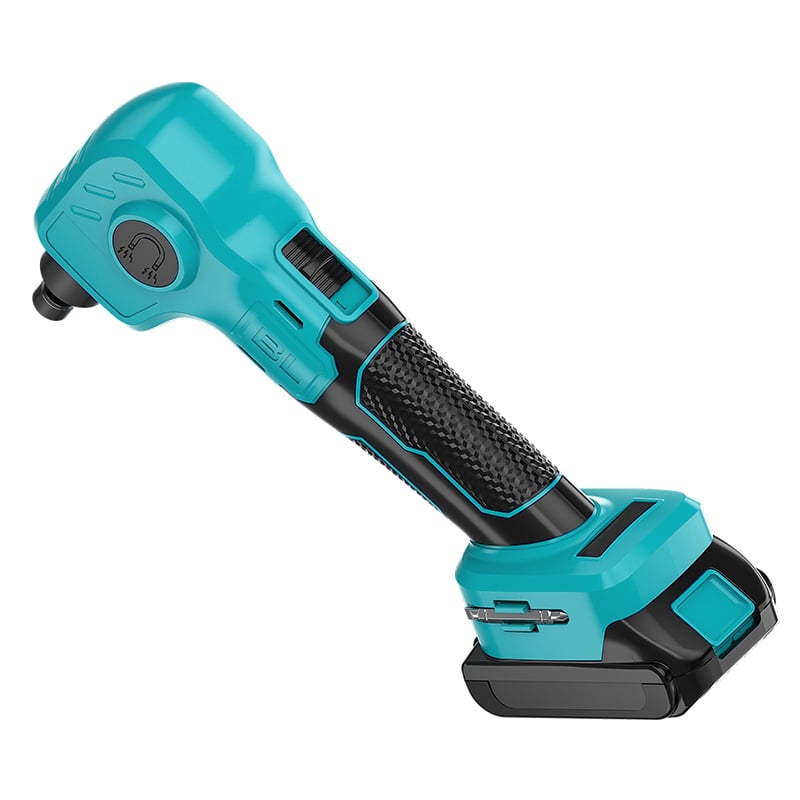
Winter preparation requires attention to every component of your snow blower, and one often-overlooked element is the hammer mechanism that powers snow ejection. Understanding how to maintain your snow blower's hammer system ensures reliable performance throughout the harsh winter months ahead. A well-maintained hammer in your snow blower prevents unexpected breakdowns when you need the equipment most, protecting your investment and keeping driveways clear when conditions deteriorate.

The hammer component works under extreme stress during winter operation, facing repeated impacts and exposure to moisture, salt, and ice buildup. Proper maintenance of your snow blower's hammer extends equipment lifespan and maintains consistent snow removal efficiency. This guide covers practical maintenance strategies that protect your hammer investment and ensure peak performance throughout winter 2025.
Understanding Your Snow Blower's Hammer Mechanism
How the Hammer Functions in Snow Removal
Your snow blower's hammer operates as the core impact device responsible for breaking apart and ejecting compacted snow. This hammer works by striking accumulated snow repeatedly, creating the force necessary to propel frozen material through discharge chutes. The hammer's efficiency directly correlates to your snow blower's overall performance, making maintenance critical for winter success.
Understanding the hammer's role helps you recognize warning signs of wear. When your snow blower's hammer loses effectiveness, you'll notice reduced throwing distance, incomplete snow clearance, or unusual vibrations. These symptoms indicate that your hammer requires immediate attention to prevent further equipment damage.
The Hammer's Working Environment During Winter
Winter conditions subject your snow blower's hammer to harsh elements including moisture, road salt, ice accumulation, and temperature fluctuations. The hammer experiences constant mechanical stress as it impacts frozen snow at high speeds. This challenging environment makes proactive maintenance essential to prevent rust, corrosion, and mechanical failure of your hammer system.
Pre-Winter Maintenance for Your Snow Blower's Hammer
Inspection and Cleaning Procedures
Begin your winter preparation by thoroughly inspecting your snow blower's hammer for visible damage, rust, or loose components. Clean away any dirt, debris, or old snow residue that accumulated during previous seasons. A hammer free from buildup operates more efficiently and allows you to spot developing problems early.
Use a soft brush or cloth to remove surface rust from your hammer before winter arrives. Apply a protective lubricant designed for metal components to prevent corrosion throughout the season. This preventive step protects your hammer from salt spray and moisture damage that accelerates deterioration during extended winter use.
Tightening and Lubrication Best Practices
Check all bolts and fasteners connecting your snow blower's hammer to the machine frame and ensure they remain securely tightened. Vibration during operation naturally loosens these connections, so verify tightness before each major snowfall. Your hammer's performance depends on stable mounting that prevents excessive movement or misalignment during impact cycles.
Apply appropriate lubricant to hammer pivot points and joints according to your equipment manufacturer's specifications. Select lubricants rated for cold weather operation, as standard oils thicken in freezing temperatures and reduce hammer mobility. Proper lubrication ensures smooth hammer movement and reduces friction-related wear that compromises performance.
Seasonal Maintenance Throughout Winter 2025
Regular Cleaning and Debris Management
After each snow removal session, take time to clean your snow blower's hammer and surrounding components. Wet snow and ice buildup create weight that stresses your hammer mechanism and reduces throwing power. Inspect your hammer surface for accumulated ice or compacted snow that restricts movement or impacts efficiency.
Remove salt residue promptly, as road salt corrodes hammer metal surfaces and accelerates rust formation on your equipment. Even light salt exposure causes significant damage over time, so routine cleaning throughout winter prevents major corrosion problems. Your hammer's maintenance during active season directly impacts its reliability for the following year.
Addressing Wear and Damage During the Season
Monitor your hammer's condition throughout winter and address any performance changes immediately. If your snow blower's hammer begins producing odd sounds, reduced snow ejection, or visible cracks, stop operation and inspect the mechanism thoroughly. Continued use of a damaged hammer risks destroying connected components and creating safety hazards during snow removal.
Replace your hammer if inspection reveals significant wear, bent metal, or structural damage affecting its striking ability. Attempting to repair severely damaged hammer components often proves less cost-effective than replacement, and substandard repairs compromise safety and performance. Keeping your hammer in peak condition ensures your snow blower remains reliable through harsh winter conditions.
Post-Winter Storage and End-of-Season Care
Protecting Your Hammer After Winter Use
As winter 2025 concludes, prepare your snow blower's hammer for extended storage with thorough cleaning and protective treatment. Remove all ice, snow, and salt deposits that accumulated during winter operation. Your hammer's condition during off-season storage determines its readiness when winter returns, making end-of-season care vital for equipment longevity.
Apply a heavy-duty corrosion preventative specifically formulated for metal hammer components before storing your equipment. This protective coating shields your hammer from moisture and oxygen exposure during spring and summer months when equipment remains idle. Proper storage preparation prevents rust formation that weakens your hammer structure and compromises future performance.
Documentation and Maintenance Records
Maintain detailed records documenting all maintenance performed on your snow blower's hammer throughout winter. Note inspection dates, lubrication intervals, repairs completed, and any performance issues observed. These records help you identify maintenance patterns and predict when your hammer requires additional attention before problems develop.
FAQ
How frequently should I inspect my snow blower's hammer during winter?
Inspect your hammer after every three to five hours of active snow removal, or following each major snowfall. Regular inspection catches developing problems early and prevents catastrophic failure during critical snow removal periods. More frequent inspection during intense winter weather protects your hammer investment and ensures consistent performance when conditions demand peak efficiency.
What signs indicate my hammer needs professional maintenance or replacement?
Visible cracks, severe rust, bent or deformed metal, unusual grinding sounds, or significantly reduced snow throwing distance all indicate your hammer requires professional assessment. If your snow blower's hammer produces excessive vibration, fails to eject snow effectively, or shows structural damage, contact a qualified technician for evaluation. Prompt professional attention prevents further equipment damage and restores your machine to safe working condition.
Can I use standard machine oil to lubricate my snow blower's hammer?
Standard machine oil thickens in freezing temperatures and becomes ineffective for lubricating your hammer in winter conditions. Always use cold-weather-rated lubricants specifically designed for snow removal equipment as specified in your manufacturer's manual. Proper lubricant selection ensures your hammer's mechanisms move freely regardless of temperature and maintains equipment performance throughout harsh winter conditions.
