 EN
EN

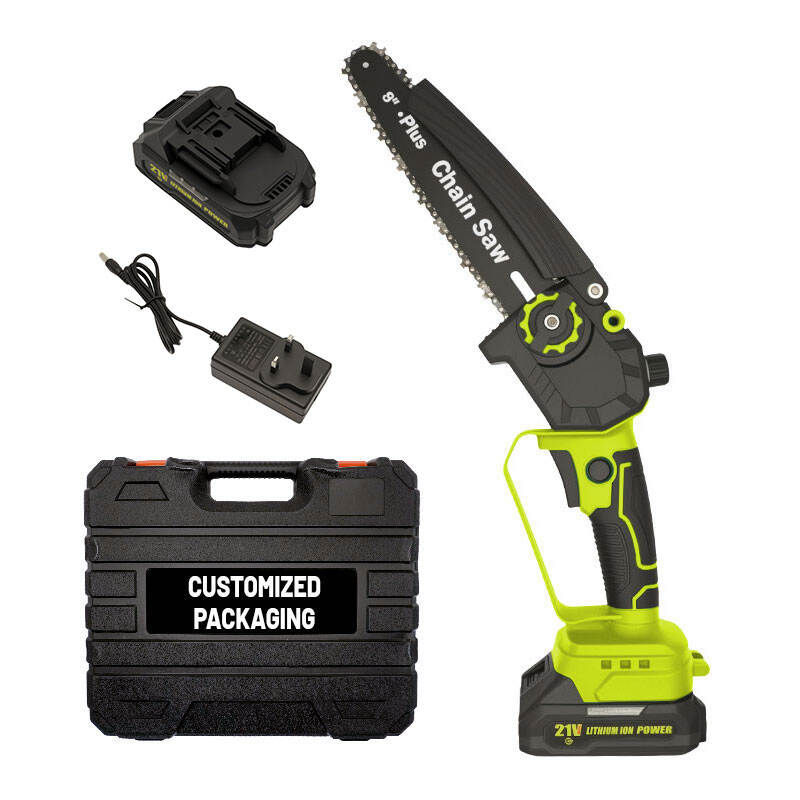
The chainsaw industry continues to evolve rapidly as manufacturers introduce innovative technologies and enhanced performance features to meet the diverse needs of professionals and homeowners alike. In 2025, selecting the right chainsaw requires careful consideration of factors such as engine power, durability, safety features, and intended applications. Whether you need a lightweight model for occasional pruning or a heavy-duty chainsaw for commercial forestry operations, understanding the leading brands and their unique strengths will help you make an informed decision that delivers long-term value and reliable performance.
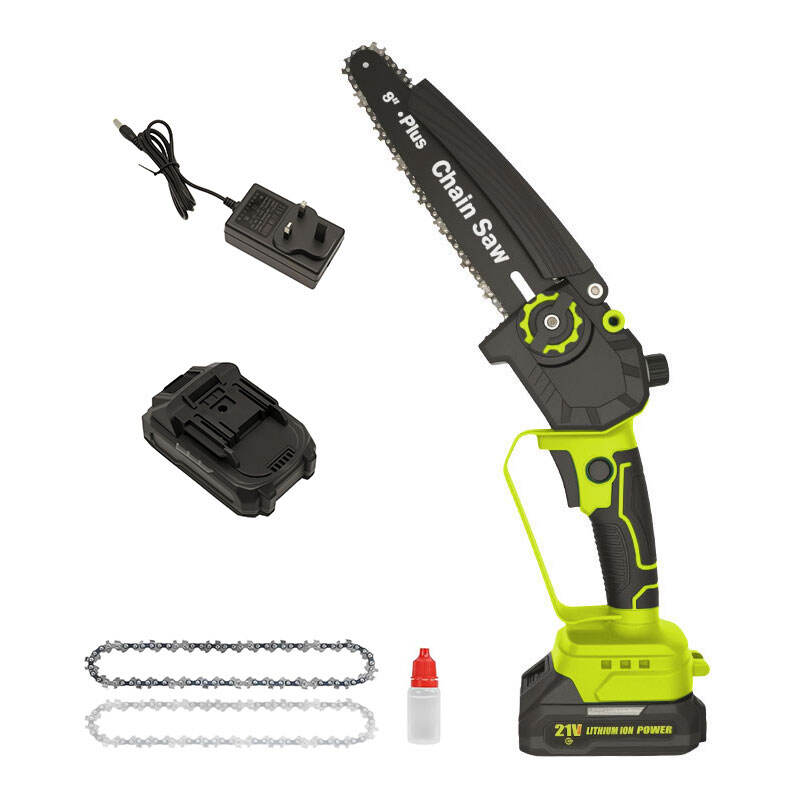
Premium Professional Chainsaw Manufacturers
Stihl Leading Market Innovation
Stihl consistently ranks as the world's leading chainsaw manufacturer, holding approximately 30% of the global market share through continuous innovation and exceptional build quality. The German company specializes in producing both gas-powered and battery-operated models that cater to professional arborists, landscaping contractors, and demanding homeowners. Their MS series chainsaws feature advanced anti-vibration systems, quick-start mechanisms, and proprietary Oilomatic chains that significantly reduce kickback risks while maintaining superior cutting efficiency.
Recent Stihl chainsaw models incorporate intelligent engine management systems that automatically adjust fuel mixture and ignition timing to optimize performance across varying operating conditions. The company's commitment to environmental responsibility has led to the development of low-emission engines that meet stringent EPA and CARB regulations without compromising power output. Professional users particularly appreciate Stihl's comprehensive dealer network, which ensures readily available parts, expert servicing, and technical support throughout the product lifecycle.
Husqvarna Professional Excellence
Swedish manufacturer Husqvarna represents another pinnacle of chainsaw engineering, with over 330 years of experience in outdoor power equipment development. Their professional-grade models feature X-Torq engines that deliver up to 20% lower fuel consumption and 75% reduced emissions compared to conventional two-stroke designs. Husqvarna chainsaws incorporate advanced air filtration systems, heated handles for cold-weather operation, and Smart Start technology that reduces starting effort by up to 40%.
The company's flagship models include integrated connectivity features that allow operators to monitor runtime, maintenance intervals, and performance metrics through smartphone applications. Husqvarna's commitment to user safety extends beyond standard features with their TrioBrake system that combines conventional chain brake functionality with additional rear-handle protection. Professional forestry operations frequently choose Husqvarna chainsaws for their exceptional durability, consistent performance under extreme conditions, and comprehensive warranty coverage that includes commercial use applications.
Emerging Battery-Powered Chainsaw Technologies
Milwaukee Cordless Performance Revolution
Milwaukee Tool has revolutionized the battery-powered chainsaw segment through their M18 FUEL platform, which delivers performance comparable to gas-powered models while eliminating emissions, noise concerns, and maintenance complexities. Their brushless motor technology generates maximum torque and extends battery runtime significantly compared to traditional brushed motor designs. Professional contractors increasingly adopt Milwaukee chainsaws for urban tree care, indoor construction applications, and noise-sensitive environments where gas-powered alternatives prove impractical.
The company's innovative REDLINK PLUS intelligence system communicates between the battery, motor, and electronic controls to optimize performance while preventing damage from overload, overheating, or over-discharge conditions. Milwaukee chainsaws feature tool-free chain tensioning mechanisms, automatic oiling systems, and compatibility with their extensive M18 battery ecosystem that powers over 250 different tools. This compatibility factor provides significant cost advantages for contractors who can utilize existing batteries across multiple tools rather than investing in separate power systems.
DeWalt Integrated System Advantages
DeWalt's FLEXVOLT chainsaw technology represents a significant advancement in cordless power tool design, utilizing 60V MAX batteries that automatically adjust voltage output based on tool requirements. This innovative system enables a single chainsaw to deliver exceptional runtime while maintaining compatibility with DeWalt's extensive 20V MAX tool lineup. Professional users benefit from consistent power delivery throughout the discharge cycle, ensuring reliable cutting performance from full charge to empty battery condition.
DeWalt chainsaw models incorporate advanced safety features including low-kickback chains, wrap-around front handles, and integrated chain brakes that activate within milliseconds of detecting kickback motion. The company's focus on user experience extends to ergonomic design elements such as balanced weight distribution, comfortable grip surfaces, and intuitive control placement that reduces operator fatigue during extended use periods. Their comprehensive service network ensures professional-grade support for commercial users who require minimal downtime and maximum productivity.
Value-Oriented Chainsaw Solutions
Echo Reliability and Affordability
Echo Power Equipment has established a strong reputation for producing reliable, affordable chainsaws that deliver consistent performance for homeowners and light commercial applications. The Japanese manufacturer focuses on simplified design principles that prioritize ease of use, straightforward maintenance, and long-term durability over complex feature sets. Echo chainsaw models feature proven two-stroke engine technology that provides dependable starting characteristics and sustained power output across varying environmental conditions.
The company's commitment to value extends beyond initial purchase price through competitive warranty terms, readily available parts inventory, and dealer service networks that support rural and suburban markets effectively. Echo chainsaws incorporate essential safety features including chain brakes, throttle locks, and anti-vibration systems while maintaining competitive pricing that makes professional-quality tools accessible to budget-conscious consumers. Their CS series models particularly excel in residential applications such as storm cleanup, firewood processing, and property maintenance tasks.
Poulan Pro Homeowner Focus
Poulan Pro targets the homeowner chainsaw market with models designed specifically for occasional use, seasonal maintenance, and light-duty cutting applications. Their chainsaw lineup emphasizes user-friendly features such as easy-start systems, automatic chain oilers, and simplified controls that minimize learning curves for inexperienced operators. The brand's value proposition centers on providing essential chainsaw functionality at accessible price points without compromising basic safety and performance requirements.
Recent Poulan Pro models incorporate modern engine technologies that meet current emission standards while delivering adequate power for typical homeowner tasks including pruning, small tree removal, and firewood cutting. The company's distribution through major retail channels ensures widespread availability and competitive pricing, while their warranty coverage provides reasonable protection for residential use patterns. Professional contractors occasionally utilize Poulan Pro chainsaws as backup units or for specific applications where tool loss risk makes premium models impractical.
Specialized Industrial Chainsaw Applications
Professional Forestry Requirements
Commercial forestry operations demand chainsaws that withstand continuous daily use under challenging conditions including extreme temperatures, high humidity, and abrasive cutting environments. Professional-grade models must deliver consistent power output throughout extended work cycles while maintaining precise cutting control for selective harvesting, felling accuracy, and limbing efficiency. These applications require chainsaws with robust construction, superior air filtration systems, and comprehensive safety features that protect operators during high-risk cutting scenarios.
Leading manufacturers design specialized forestry chainsaws with reinforced components, advanced cooling systems, and professional-grade chains that maintain sharpness longer while resisting premature wear from sand, dirt, and resin exposure. These models typically feature larger displacement engines, extended reach bars, and sophisticated suspension systems that reduce operator fatigue during prolonged use. Professional forestry chainsaws incorporate specialized features such as heated carburetors for cold-weather operation, dual air filtration systems, and reinforced starter assemblies that withstand frequent daily starting cycles.
Emergency Response and Utility Applications
Emergency response teams, utility companies, and disaster recovery operations require chainsaws that deliver immediate reliable performance under unpredictable conditions and time-critical scenarios. These applications demand models with exceptional starting reliability, maximum power-to-weight ratios, and comprehensive safety systems that protect operators working in hazardous environments. Emergency response chainsaws must function effectively in adverse weather conditions, contaminated environments, and situations where operator experience levels may vary significantly.
Specialized emergency response models feature rapid-start mechanisms, reinforced construction that withstands impact damage, and advanced chain brake systems that provide maximum operator protection during high-stress cutting operations. These chainsaws typically incorporate larger fuel tanks for extended runtime, professional-grade chains optimized for rapid cutting through various materials, and ergonomic designs that minimize operator fatigue during extended emergency response activities. Many emergency response organizations maintain standardized chainsaw fleets to ensure consistent training, parts inventory, and operational procedures across multiple units and personnel.
Maintenance and Performance Optimization
Essential Chainsaw Maintenance Practices
Proper chainsaw maintenance significantly extends equipment lifespan, ensures consistent performance, and maintains critical safety systems that protect operators from injury. Regular maintenance schedules should include daily inspections of chain tension, bar oil levels, and air filter condition, along with periodic deep cleaning of cooling fins, exhaust systems, and fuel filtration components. Professional operators typically follow manufacturer-specified maintenance intervals that correlate with operating hours rather than calendar schedules to account for varying usage patterns.
Critical maintenance tasks include chain sharpening using appropriate file angles and depths, regular bar rotation to ensure even wear patterns, and carburetor adjustments that optimize fuel mixture for current operating conditions. Advanced maintenance procedures such as compression testing, ignition timing verification, and exhaust port cleaning require specialized knowledge and tools but significantly impact long-term chainsaw reliability and performance. Operators who maintain detailed service records often achieve substantially longer equipment lifecycles while minimizing unexpected failures and costly emergency repairs.
Performance Enhancement Strategies
Optimizing chainsaw performance involves selecting appropriate chains, bars, and operational techniques that match specific cutting applications and working conditions. Professional users often maintain multiple chain types including standard cutting chains for general applications, low-kickback chains for safety-critical operations, and specialized chains optimized for specific materials such as frozen wood, dirty conditions, or precision cutting requirements. Bar selection impacts cutting efficiency, operator control, and overall chainsaw balance during extended use periods.
Fuel quality significantly affects chainsaw performance, with premium two-stroke oils and ethanol-free gasoline providing superior protection against carbon deposits, fuel system degradation, and premature component wear. Professional operators frequently utilize pre-mixed fuels that ensure consistent octane ratings and oil ratios while eliminating mixing errors that can cause catastrophic engine damage. Environmental factors such as altitude, temperature, and humidity may require carburetor adjustments or different fuel mixtures to maintain optimal performance across varying operating conditions.
Safety Standards and Regulatory Compliance
Industry Safety Requirements
Chainsaw safety standards continue evolving as regulatory agencies, insurance companies, and professional organizations develop comprehensive requirements that address operator protection, environmental impact, and workplace safety considerations. Modern chainsaw designs must incorporate multiple safety systems including chain brakes that activate within predetermined time limits, throttle lockouts that prevent accidental acceleration, and anti-vibration systems that reduce operator exposure to harmful vibration levels during extended use.
Professional chainsaw operations require comprehensive safety protocols including personal protective equipment specifications, training requirements, and operational procedures that minimize injury risks during routine and emergency cutting activities. Industry standards typically mandate protective equipment including cut-resistant clothing, eye and hearing protection, steel-toed footwear, and hard hats designed specifically for forestry applications. These requirements vary significantly between residential use, commercial applications, and specialized industrial environments such as utility line clearance or emergency response operations.
Environmental Impact Considerations
Environmental regulations increasingly influence chainsaw design and operational requirements as governments implement stricter emission standards and noise limitations for outdoor power equipment. Modern chainsaws must meet EPA Tier regulations that limit hydrocarbon, nitrogen oxide, and carbon monoxide emissions while maintaining performance standards that satisfy user requirements. Battery-powered models offer zero-emission operation that enables use in environmentally sensitive areas, indoor applications, and noise-restricted environments where gas-powered alternatives prove impractical.
Manufacturers respond to environmental concerns through advanced engine technologies, improved fuel efficiency, and comprehensive recycling programs that address end-of-life disposal considerations. Professional operators increasingly evaluate chainsaw selections based on total environmental impact including manufacturing processes, operational emissions, and disposal requirements rather than focusing solely on initial performance characteristics. These considerations influence purchasing decisions across commercial forestry, landscaping, and municipal operations where environmental stewardship represents a significant operational priority.
Future Trends and Technology Developments
Advanced Battery Technology Integration
Battery technology advancements continue transforming the chainsaw industry as lithium-ion systems achieve energy densities and power outputs that rival traditional gas-powered models while offering superior convenience, reduced maintenance, and zero operational emissions. Next-generation battery platforms incorporate intelligent management systems that monitor cell temperatures, optimize charging cycles, and predict remaining runtime based on current load conditions and historical usage patterns.
Emerging solid-state battery technologies promise even greater improvements in energy density, charging speed, and operational temperature ranges that could eliminate remaining performance gaps between battery and gas-powered chainsaws. Professional contractors increasingly adopt battery-powered models as primary tools rather than supplements to gas-powered fleets, driven by improved runtime, consistent power delivery, and reduced total cost of ownership when factoring fuel, maintenance, and operational efficiency considerations.
Smart Technology and Connectivity Features
Internet connectivity and smart technology integration represent growing trends in professional-grade chainsaw development as manufacturers incorporate sensors, wireless communication, and data analytics capabilities that enhance operational efficiency, maintenance scheduling, and user safety. Advanced models may include GPS tracking systems, usage monitoring, automatic maintenance alerts, and performance optimization features that adapt operating parameters based on cutting conditions and operator preferences.
Future chainsaw development may incorporate artificial intelligence systems that provide real-time cutting guidance, automatically adjust chain speed for optimal efficiency, and detect potential safety hazards before they result in operator injury or equipment damage. These technologies could revolutionize professional forestry operations, emergency response capabilities, and training programs by providing unprecedented insight into equipment performance, operator behavior, and cutting efficiency across diverse applications and environmental conditions.
FAQ
What factors should determine chainsaw selection for different applications
Chainsaw selection depends primarily on intended use frequency, cutting diameter requirements, operator experience level, and working environment conditions. Occasional homeowners typically benefit from lightweight battery-powered or small gas models with safety features and easy maintenance. Professional users require robust construction, consistent power output, and comprehensive dealer support. Consider bar length, engine displacement, anti-vibration systems, and warranty coverage when comparing models across different price ranges and performance categories.
How do battery-powered chainsaws compare to gas-powered models in 2025
Modern battery-powered chainsaws offer comparable performance to gas models for most applications while providing significant advantages including instant starting, zero emissions, reduced noise levels, and minimal maintenance requirements. Battery technology improvements enable extended runtime and consistent power delivery throughout discharge cycles. However, gas-powered models still maintain advantages for continuous heavy-duty applications, extreme cold weather operation, and remote locations where battery charging proves impractical.
What safety equipment is essential for chainsaw operation
Essential chainsaw safety equipment includes cut-resistant chaps or pants, safety glasses or face shields, hearing protection, steel-toed boots, work gloves, and hard hats for overhead hazards. Professional operators should wear complete chainsaw protective systems including chainsaw-specific helmets with face screens and ear protection, cut-resistant upper body protection, and steel-shanked boots designed for forestry applications. Regular safety training and proper cutting techniques remain equally important as protective equipment.
How frequently should chainsaws undergo professional maintenance
Professional maintenance intervals depend on usage intensity and operating conditions, with light residential use requiring annual service while commercial applications may need quarterly or monthly attention. Daily maintenance should include chain tension checks, bar oil verification, and air filter inspection. Professional service typically includes carburetor cleaning, spark plug replacement, fuel filter changes, and comprehensive safety system testing. Maintain detailed service records and follow manufacturer recommendations for optimal equipment lifespan and reliable performance.
