 EN
EN

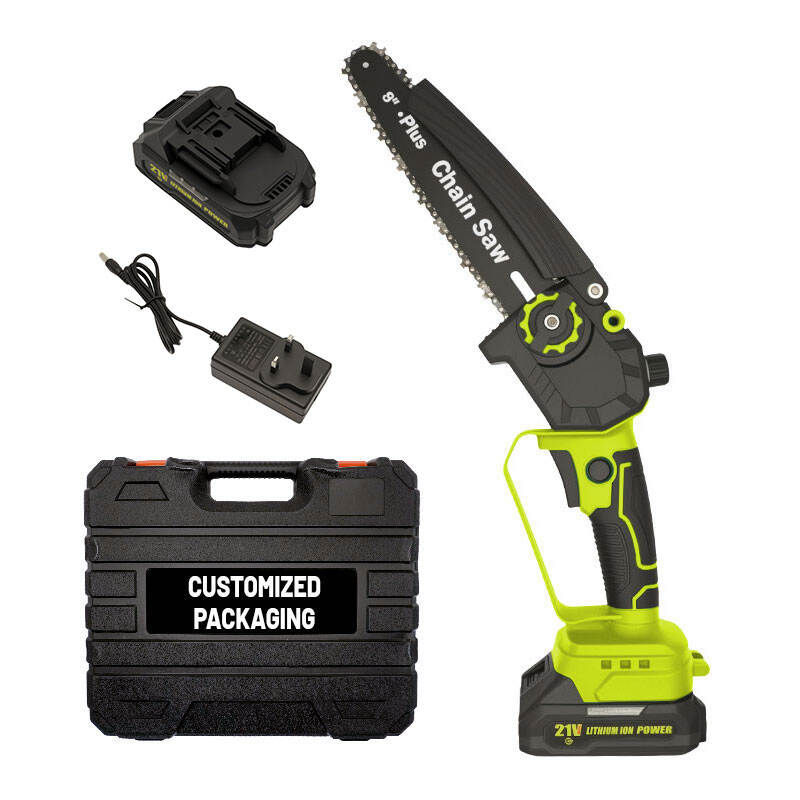
Choosing the right chainsaw for your cutting needs involves understanding the fundamental differences between electric and gas-powered models. Modern chainsaw technology has evolved significantly, offering users distinct advantages depending on their specific applications. Whether you're a professional arborist, DIY enthusiast, or homeowner tackling yard maintenance, the decision between electric and gas chainsaw options will impact your efficiency, cost, and overall satisfaction with the tool.
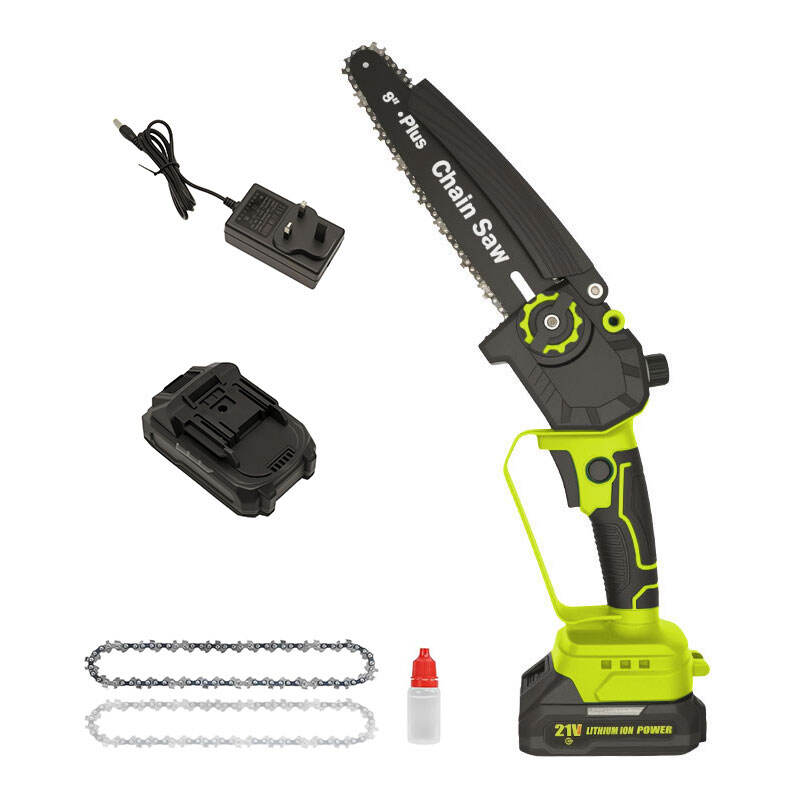
The landscape of chainsaw manufacturing has transformed dramatically over the past decade. Electric chainsaw models now compete directly with traditional gas engines in terms of power output and cutting capacity. This technological advancement has created new opportunities for users who previously considered only gas-powered options due to power limitations. Understanding these developments helps consumers make informed decisions based on their specific cutting requirements and operational preferences.
Power Source Fundamentals
Electric Chainsaw Technology
Electric chainsaw systems operate using either corded connections or battery-powered configurations. Corded electric models deliver consistent power output without concerns about fuel mixing or engine maintenance. These units typically range from 8 to 15 amps, providing adequate cutting force for most residential and light commercial applications. The instant startup capability eliminates the pull-cord frustrations commonly associated with gas engines.
Battery-powered electric chainsaw units offer portability advantages while maintaining the convenience of electric operation. Modern lithium-ion battery technology provides extended runtime and consistent power delivery throughout the discharge cycle. Professional-grade battery systems can operate for 45-60 minutes of continuous cutting, making them viable alternatives for many commercial applications. The rapid charging capabilities of contemporary battery systems minimize downtime between cutting sessions.
Gas Engine Performance Characteristics
Gas chainsaw engines deliver maximum power output and extended operational capacity for heavy-duty cutting applications. Two-stroke engines commonly found in gas models produce higher torque levels compared to electric alternatives. This power advantage becomes particularly apparent when cutting through hardwood species or large-diameter timber. Professional forestry operations typically rely on gas chainsaw units due to their superior cutting speed and fuel-based operational independence.
The fuel capacity of gas chainsaw models enables extended cutting sessions without interruption. Tank capacities ranging from 10 to 20 fluid ounces support several hours of continuous operation depending on cutting intensity. This operational endurance makes gas models essential for remote locations where electrical charging infrastructure is unavailable. However, the complexity of two-stroke engines requires more sophisticated maintenance procedures and fuel mixture preparation.
Operational Convenience Comparison
Startup and User Experience
Electric chainsaw operation begins with simple trigger activation, eliminating the physical effort required for pull-cord starting. This convenience factor particularly benefits users with limited upper body strength or those requiring frequent on-off cycling during cutting operations. The absence of engine warm-up periods allows immediate full-power cutting, improving overall work efficiency. Electric models also eliminate concerns about flooding engines or adjusting choke settings in varying temperature conditions.
Gas chainsaw startup procedures involve multiple steps including fuel verification, choke adjustment, and pull-cord operation. Experienced users develop efficient starting techniques, but novice operators often struggle with proper starting sequences. Cold weather conditions can complicate starting procedures and require additional warm-up time before achieving optimal cutting performance. However, once operational, gas units provide immediate mobility without cord limitations or battery depletion concerns.
Maintenance Requirements
Electric chainsaw maintenance focuses primarily on chain sharpening, bar lubrication, and general cleanliness. The absence of internal combustion components eliminates oil changes, spark plug replacement, and carburetor adjustments. Battery-powered models require periodic battery conditioning and storage protocols to maintain optimal performance. Overall maintenance time and costs remain significantly lower compared to gas alternatives.
Gas chainsaw maintenance involves comprehensive engine care including oil changes, air filter cleaning, spark plug inspection, and fuel system maintenance. Proper fuel storage and mixture ratios require ongoing attention to prevent engine damage and performance degradation. Carburetor adjustments may become necessary as engines age or operating conditions change. Despite higher maintenance requirements, properly serviced gas engines often achieve longer operational lifespans compared to electric alternatives.
Performance Analysis
Cutting Power and Speed
Modern electric chainsaw models achieve impressive cutting speeds when properly matched to appropriate cutting tasks. High-torque electric motors provide excellent low-end power delivery, making them effective for precision cutting and detailed work. However, sustained heavy cutting can cause thermal protection systems to temporarily reduce power output. This characteristic limits electric models in demanding commercial applications requiring continuous high-power operation.
Gas chainsaw engines excel in sustained high-power cutting applications where maximum speed and aggressive cutting are priorities. The power-to-weight ratio of gas engines typically exceeds electric alternatives, particularly in professional-grade models. This advantage becomes pronounced when cutting large-diameter hardwood or performing extensive limbing operations. The unlimited operational duration of gas models supports intensive cutting schedules without performance degradation.
Precision and Control
Electric chainsaw operation provides superior control characteristics for detailed cutting work. The absence of engine vibration and consistent power delivery enhance cutting precision, particularly for decorative work or careful pruning operations. Variable speed triggers on electric models offer fine control over cutting speeds, enabling delicate operations that might be challenging with gas alternatives. The quiet operation of electric units allows better communication and situational awareness during cutting operations.
Gas chainsaw vibration and power characteristics can make precision work more challenging but provide excellent feedback for experienced operators. The aggressive cutting action of gas engines suits applications where cutting speed takes priority over precision. Professional operators often prefer the tactile feedback provided by gas engines when working in challenging cutting conditions. However, the higher vibration levels may contribute to operator fatigue during extended use periods.
Cost Considerations
Initial Investment
Electric chainsaw pricing typically ranges from moderate to premium depending on power output and battery system specifications. Entry-level corded electric models offer excellent value for occasional users, while professional battery-powered systems command higher prices due to advanced battery technology. The initial investment in a chainsaw system should consider long-term operational costs and performance requirements.
Gas chainsaw pricing varies significantly based on engine size, professional features, and brand reputation. Consumer-grade gas models often cost less than equivalent electric alternatives, while professional forestry equipment commands premium pricing. The initial cost advantage of basic gas models can be offset by ongoing fuel and maintenance expenses over the tool's operational lifetime. Budget considerations should include total ownership costs rather than purchase price alone.
Operating Expenses
Electric chainsaw operating costs primarily involve electricity consumption for corded models or battery replacement for portable units. The cost per cutting hour remains relatively low and predictable for electric operation. Battery replacement costs can be significant after 3-5 years of regular use, but gradual degradation allows budget planning for replacement. Overall operating expenses typically favor electric models for most residential and light commercial applications.
Gas chainsaw operating expenses include fuel costs, oil consumption, and periodic maintenance parts. Fuel costs vary with gasoline prices and cutting intensity, making operating expenses less predictable. Maintenance parts including spark plugs, air filters, and oil changes add recurring costs throughout the engine's operational life. However, the longer potential lifespan of well-maintained gas engines can offset higher operating costs for intensive users.
Environmental Impact
Emissions and Pollution
Electric chainsaw operation produces zero direct emissions, contributing to cleaner air quality during cutting operations. The environmental impact depends on the electricity generation methods used to power the equipment. In regions with renewable energy infrastructure, electric chainsaws offer significant environmental advantages. Even when powered by fossil fuel electricity generation, the centralized power production typically achieves better efficiency than small two-stroke engines.
Gas chainsaw engines produce direct emissions including carbon dioxide, nitrogen oxides, and unburned hydrocarbons. Two-stroke engines are particularly inefficient compared to modern automotive engines, contributing disproportionately to air pollution. The environmental impact extends beyond operation to include fuel transportation and storage. Regulatory pressure in urban areas increasingly restricts gas-powered equipment usage due to air quality concerns.
Noise Pollution Considerations
Electric chainsaw operation generates significantly lower noise levels compared to gas alternatives, typically producing 75-85 decibels during cutting operations. This noise reduction benefits both operators and surrounding communities, making electric models suitable for noise-sensitive environments. Reduced noise levels also improve communication and safety awareness during cutting operations. Many municipalities restrict gas chainsaw usage during certain hours due to noise ordinances that don't apply to electric models.
Gas chainsaw operation typically generates 95-110 decibels, requiring hearing protection for safe operation. The high noise levels can disturb neighbors and limit operating hours in residential areas. Professional operators must consider noise regulations and community impact when scheduling cutting operations. Despite the noise concerns, the distinctive sound of gas engines provides audible feedback that many experienced operators prefer for operational awareness.
Application-Specific Recommendations
Residential and Light Commercial Use
Electric chainsaw models excel in residential applications including pruning, firewood cutting, and storm cleanup activities. The convenience of instant startup and minimal maintenance appeals to occasional users who lack extensive small engine experience. Battery-powered electric units provide adequate cutting capacity for most residential tree care while offering the portability needed for various cutting locations. The quiet operation respects neighborhood noise considerations while maintaining effective cutting performance.
Light commercial applications including landscaping and property maintenance often benefit from electric chainsaw advantages. The reduced maintenance requirements and consistent performance support efficient business operations. However, battery capacity limitations may require multiple battery systems for extended commercial use. The professional appearance and reduced operator fatigue of electric models can enhance customer interactions in residential service environments.
Professional and Heavy-Duty Applications
Professional forestry and logging operations typically require gas chainsaw power and operational endurance. The unlimited cutting capacity and maximum power output of gas engines suit demanding cutting schedules and challenging wood species. Professional operators often maintain multiple gas units to ensure continuous operation during equipment maintenance periods. The established service infrastructure for gas chainsaw repair supports professional operational requirements.
Specialized applications including emergency response and remote location cutting depend on gas chainsaw reliability and fuel-based operation. The ability to operate independently of electrical infrastructure makes gas models essential for emergency services and remote forestry operations. However, professional-grade electric systems are gaining acceptance in applications where power access is available and environmental considerations are priorities.
FAQ
How long do electric chainsaw batteries typically last during operation
Modern electric chainsaw batteries provide 30-60 minutes of continuous cutting time depending on battery capacity, cutting intensity, and wood density. Professional-grade battery systems with higher amp-hour ratings can extend operational time up to 90 minutes. Battery performance gradually decreases over 3-5 years of regular use, but replacement batteries restore original performance capabilities.
What maintenance differences exist between electric and gas chainsaws
Electric chainsaws require minimal maintenance including chain sharpening, bar lubrication, and general cleaning. Gas chainsaws need comprehensive engine maintenance including oil changes, spark plug replacement, air filter service, and carburetor adjustments. Electric models eliminate fuel mixing requirements and engine storage procedures, significantly reducing maintenance time and costs.
Can electric chainsaws handle the same cutting tasks as gas models
Electric chainsaws effectively handle most residential and light commercial cutting tasks including pruning, firewood cutting, and storm cleanup. However, gas chainsaws maintain advantages in heavy-duty applications requiring sustained high-power cutting, large-diameter timber processing, and remote location operation. The choice depends on specific cutting requirements and operational conditions.
Which chainsaw type offers better value for occasional users
Electric chainsaws typically provide better value for occasional users due to lower maintenance requirements, instant startup capability, and reduced operating costs. The convenience factors and reliability of electric operation suit users who lack small engine maintenance experience. Gas chainsaws may offer better value for users requiring maximum power or frequent cutting in locations without electrical access.
