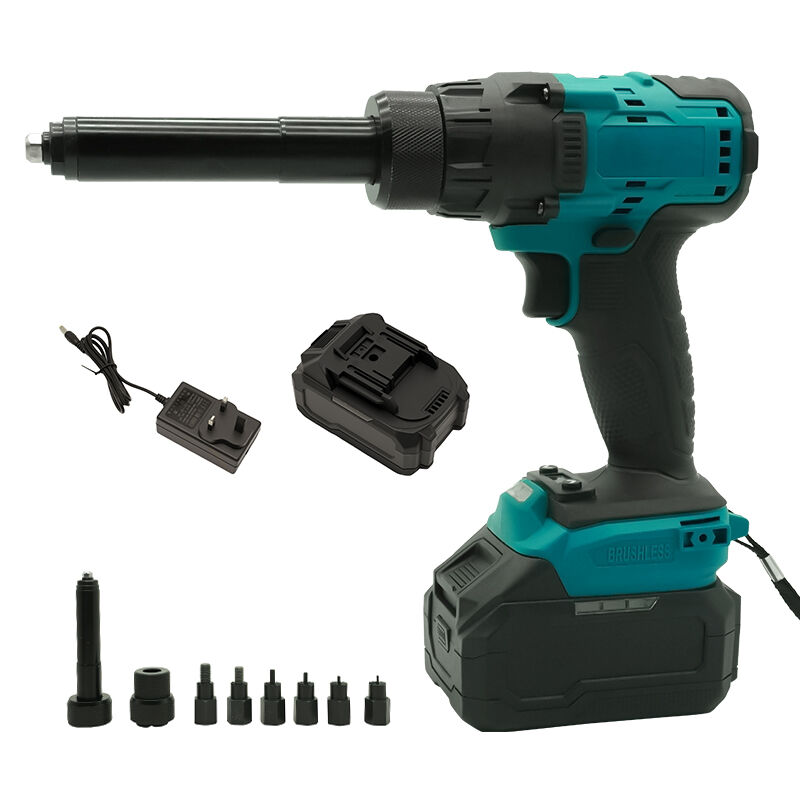
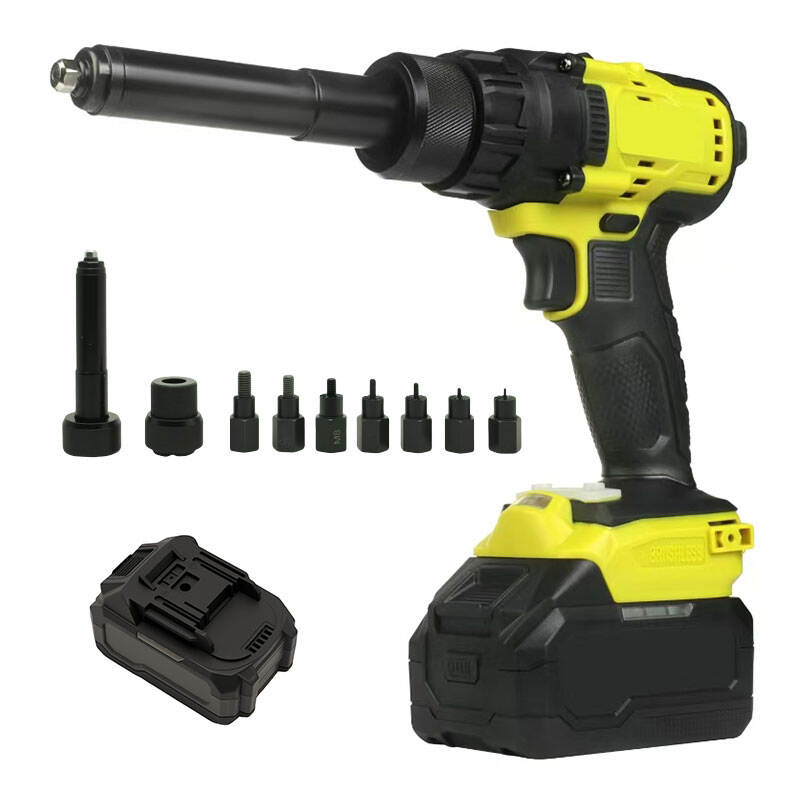
Professional Auto Feed Rivet Gun - Advanced Automated Riveting Solutions for Industrial Applications

Get a Free Quote

Our representative will contact you soon.
Email
Name
Company Name
Message
0/1000

auto feed rivet gun

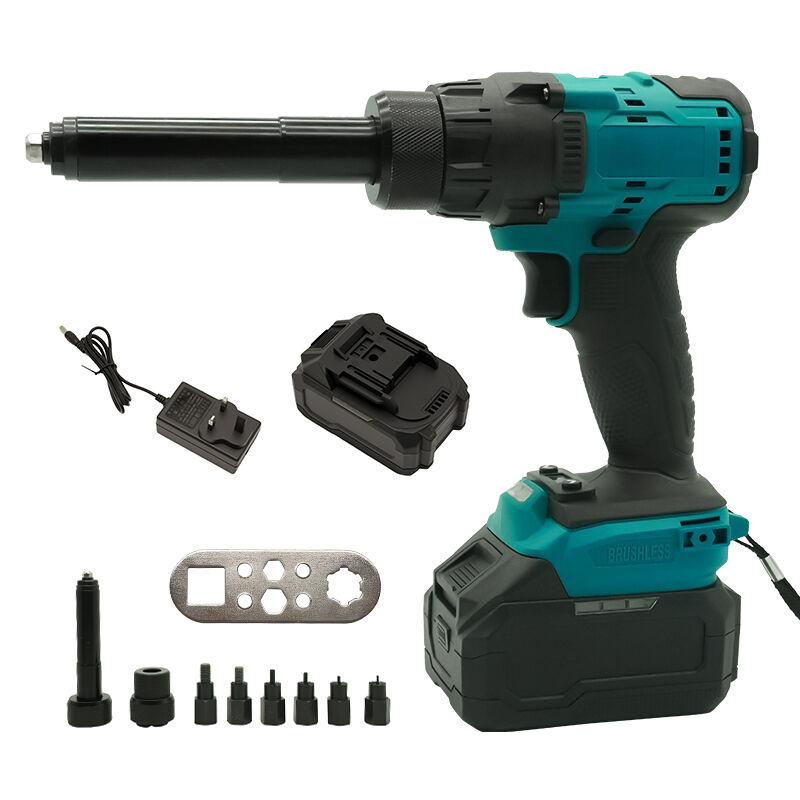
The auto feed rivet gun represents a significant advancement in fastening technology, designed to streamline riveting operations across various industrial applications. This innovative tool combines automated feeding mechanisms with powerful pneumatic or hydraulic systems to deliver consistent, high-quality results. Unlike traditional manual rivet guns that require operators to load each rivet individually, the auto feed rivet gun features an integrated magazine system that automatically positions rivets for continuous operation. The primary function revolves around creating permanent mechanical joints by deforming rivets through controlled force application. The tool's feeding mechanism ensures precise rivet placement while maintaining optimal alignment throughout the installation process. Advanced models incorporate sophisticated sensors that detect rivet presence and positioning, preventing misfires and ensuring reliable operation. The technological framework includes variable speed controls, adjustable pressure settings, and ergonomic design elements that reduce operator fatigue during extended use periods. Modern auto feed rivet gun systems utilize lightweight materials and balanced weight distribution to enhance maneuverability without compromising durability. The applications span across aerospace manufacturing, automotive assembly lines, construction projects, marine vessel fabrication, and general metalworking operations. These tools excel in high-volume production environments where speed and consistency are paramount. The automated feeding system significantly reduces cycle times compared to manual alternatives, making them indispensable for mass production scenarios. Quality control features include force monitoring systems that ensure each rivet receives appropriate installation pressure. The versatility extends to accommodating various rivet materials including aluminum, steel, stainless steel, and specialized alloys. Installation depth control mechanisms guarantee uniform joint integrity across entire assemblies. Safety features incorporate trigger locks, pressure relief valves, and protective guards that minimize operational hazards while maintaining productivity levels.

New Product Recommendations

The auto feed rivet gun delivers substantial productivity improvements that directly translate into cost savings for manufacturing operations. By eliminating the need for manual rivet loading, operators can achieve installation rates that are three to four times faster than conventional methods. This increased speed stems from the continuous feeding mechanism that maintains steady workflow without interruptions for reload procedures. The precision engineering ensures consistent rivet placement accuracy, reducing the likelihood of rework and material waste that commonly occurs with manual processes. Quality consistency represents another major advantage, as the automated system applies uniform force and positioning for every rivet installation. This reliability eliminates variations that can compromise joint integrity and structural performance. The ergonomic design significantly reduces operator fatigue by minimizing repetitive motions and awkward positioning requirements. Workers can maintain comfortable postures throughout extended operating periods, leading to improved safety records and reduced workplace injuries. The tool's balanced weight distribution and vibration dampening features further enhance user comfort during prolonged use. Cost effectiveness becomes evident through reduced labor requirements and increased throughput capabilities. Manufacturing facilities can complete projects faster while maintaining superior quality standards, improving overall competitiveness in demanding markets. The automated feeding system also reduces training time for new operators, as the simplified operation requires less manual dexterity and specialized technique development. Maintenance requirements are minimal due to robust construction and self-monitoring capabilities that alert users to potential issues before they cause operational disruptions. The versatility to handle multiple rivet sizes and materials through quick-change magazine systems eliminates the need for multiple specialized tools. This adaptability reduces equipment investment costs and simplifies inventory management for facilities handling diverse fastening requirements. The precise force control prevents over-installation that can damage surrounding materials or under-installation that compromises joint strength. Advanced models feature digital displays that provide real-time feedback on installation parameters, enabling immediate adjustments when needed. The reduced noise levels compared to impact-based alternatives create more comfortable working environments while meeting increasingly strict workplace regulations. Energy efficiency improvements result from optimized pneumatic systems that deliver maximum power with minimal air consumption, reducing operational costs over time.

Tips And Tricks

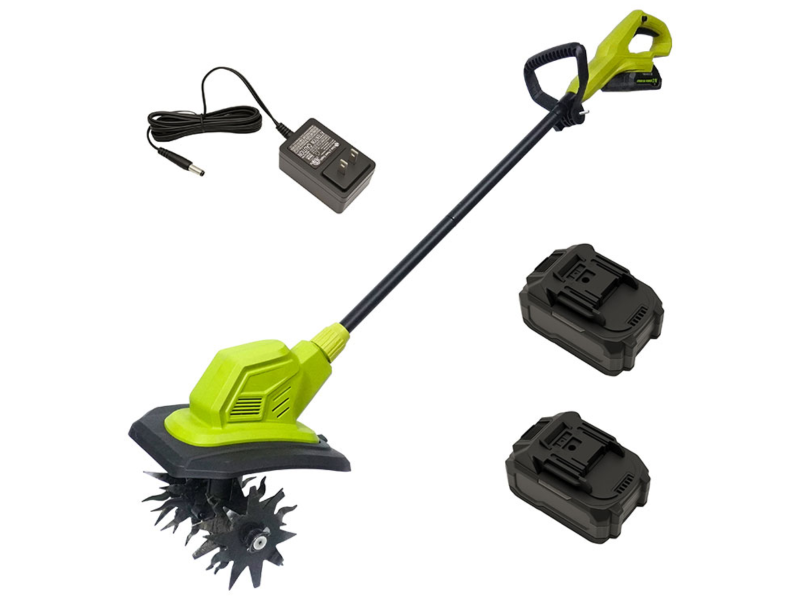
New Product Launch: Nantong Panjin Electromechanical Technology Co., Ltd. Releases the BL-DT9120-3 Electric Household Lithium-Ion Micro Small Weeding and Plowing Machine

11

Nov

New Product Launch: Nantong Panjin Electromechanical Technology Co., Ltd. Releases the BL-DT9120-3 Electric Household Lithium-Ion Micro Small Weeding and Plowing Machine

View More
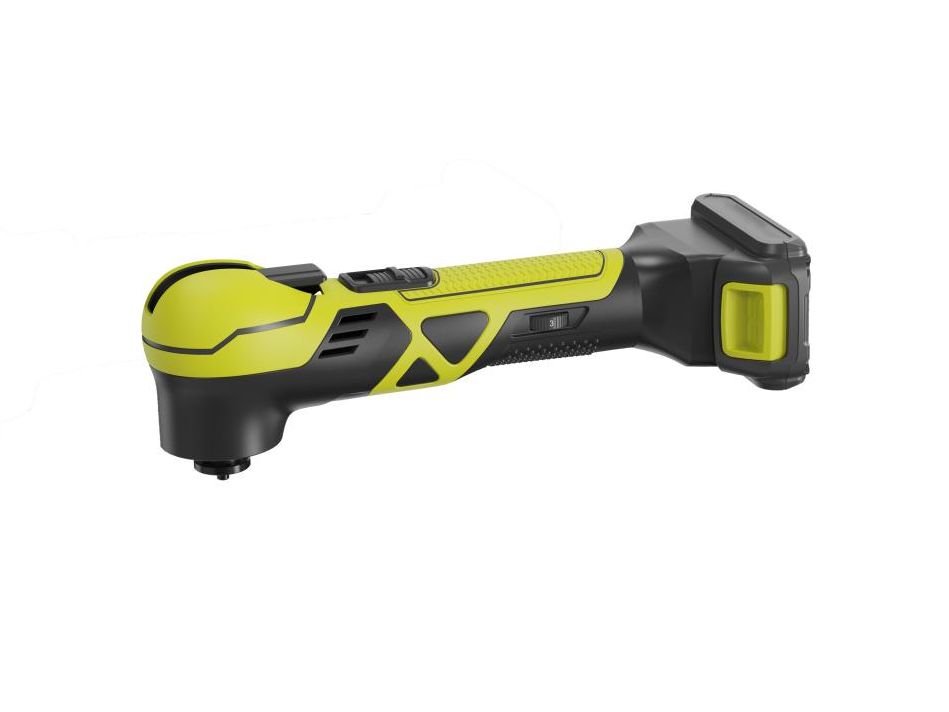
Nantong Panjin Electromechanical Technology Co., Ltd. Launches New BL-TD3421 Oscillating Multi Tool

11

Nov

Nantong Panjin Electromechanical Technology Co., Ltd. Launches New BL-TD3421 Oscillating Multi Tool

View More
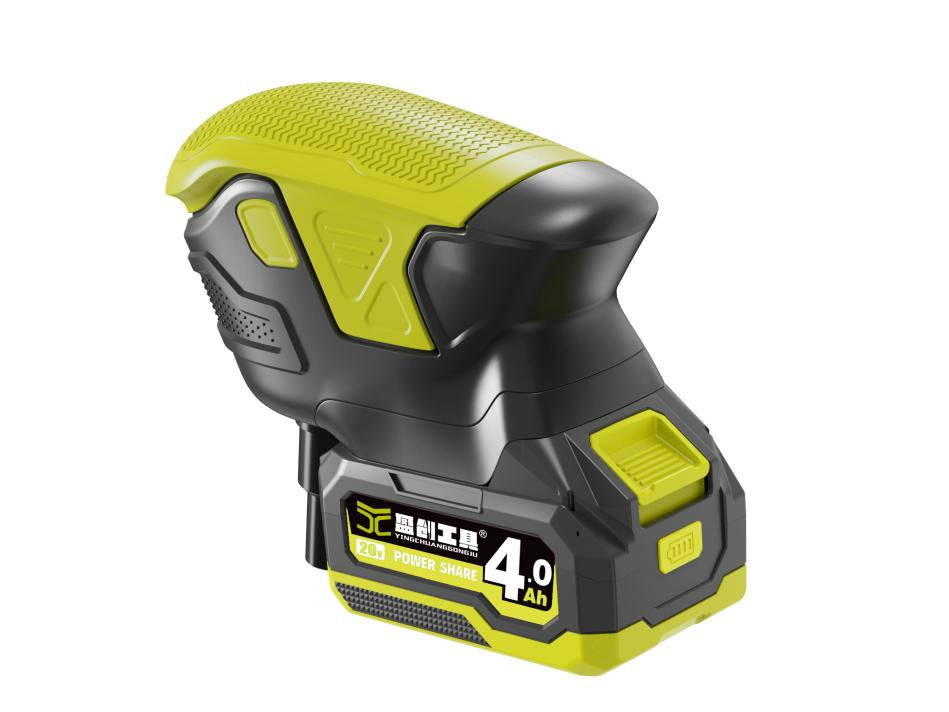
Nantong Panjin Electromechanical Technology Co., Ltd. Launches the Revolutionary BL-9220 Palm Nailer: Power and Precision in the Palm of Your Hand

11

Nov

Nantong Panjin Electromechanical Technology Co., Ltd. Launches the Revolutionary BL-9220 Palm Nailer: Power and Precision in the Palm of Your Hand

View More

Get a Free Quote

Our representative will contact you soon.
Email
Name
Company Name
Message
0/1000

auto feed rivet gun

Revolutionary Automated Feeding System

Revolutionary Automated Feeding System

The automated feeding mechanism stands as the cornerstone innovation that sets the auto feed rivet gun apart from conventional riveting tools. This sophisticated system incorporates precision-engineered magazine assemblies that hold multiple rivets in perfect alignment, ready for sequential installation without manual intervention. The feeding mechanism utilizes spring-loaded advancement systems or pneumatic pusher assemblies that smoothly transport rivets from the magazine to the installation position with remarkable consistency. Each rivet receives proper orientation and positioning through carefully designed guide channels that prevent jamming or misalignment during the feeding process. The magazine capacity varies depending on rivet size and model specifications, typically accommodating between twenty to one hundred rivets per loading cycle. This substantial capacity dramatically reduces downtime associated with frequent reloading, enabling operators to focus on positioning and quality control rather than repetitive loading tasks. The feeding system incorporates fail-safe mechanisms that detect empty magazines and prevent dry firing, protecting both the tool and workpiece from potential damage. Advanced models feature transparent magazine windows or electronic sensors that provide visual or audible alerts when refilling becomes necessary. The quick-change magazine design allows operators to switch between different rivet sizes or materials within seconds, maximizing versatility without sacrificing productivity. The feeding accuracy ensures that each rivet enters the installation chamber with perfect alignment, eliminating the positioning errors that commonly occur with manual loading methods. This precision directly contributes to superior joint quality and reduced rejection rates in quality control inspections. The system's reliability has been proven through extensive testing in demanding industrial environments, demonstrating consistent performance even under continuous operation cycles. Maintenance requirements remain minimal due to the robust construction and self-lubricating components that resist wear and contamination. The automated feeding capability enables single-operator efficiency that previously required multiple workers, representing significant labor cost reductions for high-volume applications.
Precision Force Control Technology

Precision Force Control Technology

The precision force control system represents a critical technological advancement that ensures optimal rivet installation across diverse materials and applications. This sophisticated mechanism utilizes pressure regulation valves, force feedback sensors, and digital control units to maintain consistent installation parameters throughout the entire riveting process. The system continuously monitors the force applied during rivet deformation, making real-time adjustments to compensate for material variations or positioning differences. This dynamic control prevents the under-installation problems that can compromise joint integrity while avoiding over-installation that may damage surrounding materials or create stress concentrations. The force control technology accommodates various rivet materials and sizes by automatically adjusting pressure levels based on predetermined specifications or operator input settings. Digital displays provide immediate feedback on installation force, allowing operators to verify that each rivet meets quality requirements before proceeding to the next location. The system stores installation data for quality documentation purposes, creating traceable records that support compliance with industry standards and customer specifications. Advanced models incorporate programmable force profiles that can apply variable pressure throughout the installation cycle, optimizing deformation patterns for specific joint requirements. The precision control eliminates the guesswork associated with manual riveting, where operator experience and technique significantly influence installation quality. Consistent force application results in uniform joint appearance and performance characteristics, essential factors for applications where aesthetic considerations are important alongside structural requirements. The technology prevents the fatigue-related variations that commonly occur during extended manual operations, maintaining installation quality throughout entire production runs. Safety benefits include automatic shut-off mechanisms that activate when excessive force conditions are detected, protecting both operators and equipment from potential damage. The force control system integrates seamlessly with quality monitoring protocols, enabling automated pass-fail determinations based on predetermined force criteria. This capability supports lean manufacturing principles by reducing inspection requirements and preventing defective products from advancing through production processes.
Enhanced Ergonomic Design Philosophy

Enhanced Ergonomic Design Philosophy

The enhanced ergonomic design philosophy behind modern auto feed rivet gun development prioritizes operator comfort, safety, and productivity through comprehensive human factors engineering. This approach recognizes that tool design directly impacts worker performance, fatigue levels, and long-term health outcomes in industrial environments. The balanced weight distribution eliminates the front-heavy characteristics common in traditional rivet guns, reducing wrist strain and enabling precise control during extended operation periods. Strategic placement of the feeding mechanism and magazine assembly creates a neutral balance point that feels natural in various working positions. The grip design incorporates non-slip surfaces and ergonomic contours that accommodate different hand sizes while providing secure control during operation. Vibration dampening systems utilize advanced materials and isolation techniques to minimize hand-arm vibration transmission, reducing the risk of repetitive strain injuries associated with prolonged tool use. The trigger mechanism features adjustable sensitivity and smooth activation characteristics that prevent finger fatigue during high-repetition tasks. Sound dampening technologies reduce noise levels to comfortable ranges, protecting hearing while enabling clear communication in team environments. The compact profile design allows access to confined spaces and awkward angles without compromising operator positioning or comfort. Heat dissipation systems prevent excessive tool heating during continuous operation, maintaining comfortable grip temperatures even under demanding production schedules. The modular design philosophy enables customization options that adapt to specific user preferences or application requirements. Quick-disconnect fittings for air or hydraulic connections reduce setup time and eliminate the physical strain associated with threading heavy hose assemblies. The maintenance-friendly design provides easy access to serviceable components without requiring special tools or extensive disassembly procedures. Visual indicators and intuitive controls reduce the learning curve for new operators while minimizing the potential for operational errors. The lightweight construction, achieved through advanced materials and optimized geometry, reduces overall operator fatigue without sacrificing tool durability or performance capabilities. Protective features include guards and shields that prevent accidental contact with moving components while maintaining full visibility of the work area.

Get a Free Quote

Our representative will contact you soon.
Email
Name
Company Name
Message
0/1000