 EN
EN
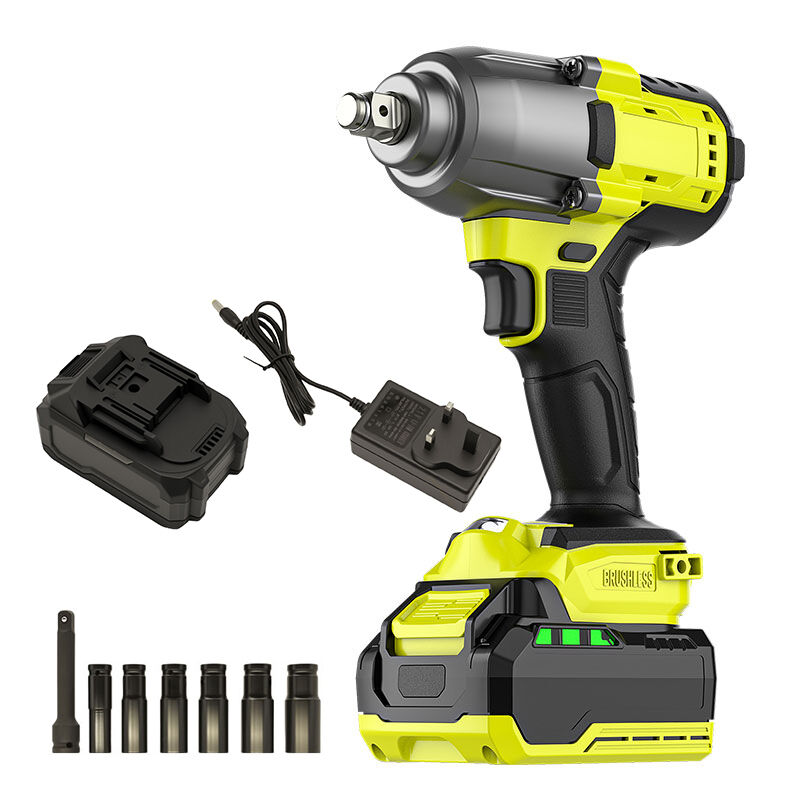
In today's competitive business landscape, selecting the right tools can dramatically impact productivity, efficiency, and bottom-line results. Organizations across industries are continuously seeking innovative solutions that streamline operations while delivering exceptional value. The modern workplace demands versatile, reliable tools that adapt to evolving challenges and support diverse workflows. Whether you're managing construction projects, automotive repairs, or industrial maintenance, having access to high-quality tools forms the foundation of successful operations.
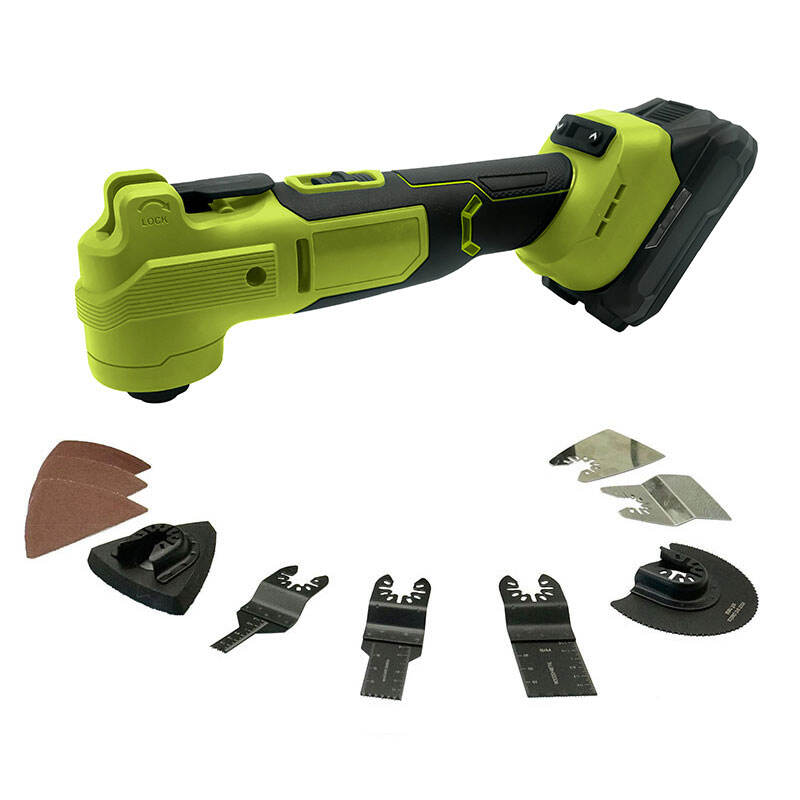
The evolution of professional tools has transformed how businesses approach complex tasks and daily operations. Advanced engineering, ergonomic design, and cutting-edge technology have revolutionized traditional tool applications. Modern professionals expect tools that combine durability, precision, and user-friendly features to maximize their investment. Understanding the critical factors that distinguish superior tools from mediocre alternatives helps organizations make informed purchasing decisions that support long-term success.
Essential Characteristics of High-Performance Tools
Durability and Build Quality Standards
Professional-grade tools must withstand demanding environments, frequent use, and challenging conditions without compromising performance. Materials selection plays a crucial role in determining tool longevity, with manufacturers utilizing advanced alloys, reinforced plastics, and protective coatings. Quality tools feature robust construction that resists wear, corrosion, and impact damage while maintaining operational integrity. The investment in durable tools ultimately reduces replacement costs and minimizes downtime associated with equipment failures.
Manufacturing processes significantly influence tool reliability and consistency across production batches. Rigorous testing protocols ensure that tools meet stringent quality standards before reaching end users. Heat treatment, precision machining, and quality control measures contribute to tools that perform reliably under stress. Professional users recognize that superior build quality translates to enhanced safety, improved accuracy, and reduced maintenance requirements throughout the tool's operational lifespan.
Ergonomic Design and User Experience
Modern tools prioritize user comfort and operational efficiency through thoughtful ergonomic design principles. Balanced weight distribution, comfortable grips, and intuitive controls reduce operator fatigue during extended use periods. Well-designed tools minimize strain on hands, wrists, and arms while maximizing control and precision. The integration of user-centered design philosophy results in tools that enhance productivity while promoting workplace safety and operator wellbeing.
Advanced grip technologies, vibration dampening features, and adjustable components accommodate diverse user preferences and working conditions. Tools that adapt to different hand sizes and grip styles ensure consistent performance across varied user demographics. Thoughtful placement of controls, indicators, and adjustment mechanisms streamlines operation while reducing the learning curve for new users. Ergonomic excellence in tool design directly correlates with improved job satisfaction and reduced workplace injuries.
Technology Integration in Modern Tools
Smart Features and Connectivity Options
Contemporary tools increasingly incorporate intelligent features that enhance functionality, monitoring, and user interaction capabilities. Digital displays, programmable settings, and automated calibration systems provide unprecedented control over tool operation. Smart tools can store multiple configuration profiles, track usage patterns, and provide real-time feedback to optimize performance. These technological advancements enable users to achieve consistent results while adapting quickly to changing project requirements.
Connectivity features allow tools to integrate with mobile applications, cloud platforms, and enterprise management systems. Data logging capabilities provide valuable insights into tool utilization, maintenance schedules, and performance trends. Remote monitoring and diagnostic functions enable proactive maintenance strategies that prevent unexpected failures and extend tool lifespan. The convergence of traditional tool functionality with digital innovation creates opportunities for enhanced productivity and operational intelligence.
Power Systems and Energy Efficiency
Advanced power management systems in modern tools optimize energy consumption while delivering consistent performance across diverse applications. Battery technology improvements have revolutionized portable tools, providing extended runtime without compromising power output. Intelligent charging systems, thermal management, and power delivery optimization ensure reliable operation in demanding environments. Energy-efficient tools reduce operational costs while supporting sustainability initiatives and environmental responsibility.
Brushless motor technology, variable speed controls, and adaptive power management contribute to superior efficiency and performance characteristics. These innovations enable tools to automatically adjust power delivery based on application requirements, maximizing battery life and motor longevity. Smart power systems also provide diagnostic information about battery health, charging cycles, and optimal usage patterns. The integration of sophisticated power management enhances both tool performance and user experience while reducing total cost of ownership.
Application-Specific Tool Selection Strategies
Industry Requirements and Compliance Considerations
Different industries impose unique requirements on tools, including safety certifications, environmental resistance, and performance specifications. Regulatory compliance ensures that tools meet industry standards for safety, accuracy, and reliability. Understanding specific industry needs helps organizations select tools that not only perform effectively but also satisfy regulatory obligations. Compliance with standards such as OSHA, ANSI, and ISO demonstrates commitment to workplace safety and quality assurance.
Specialized applications often require tools with specific certifications, materials, or design features to ensure safe and effective operation. Hazardous environments may necessitate explosion-proof tools, while precision applications demand calibrated instruments with traceable accuracy. Industry-specific tools incorporate features that address unique challenges, environmental conditions, and operational requirements. Selecting tools with appropriate certifications and specifications reduces liability risks while ensuring optimal performance in specialized applications.
Scalability and Future-Proofing Considerations
Organizations benefit from selecting tools that accommodate growth, technological advancement, and evolving operational requirements. Modular tool systems enable incremental expansion while maintaining compatibility across components and accessories. Future-proofing strategies involve choosing tools with upgrade potential, expandable functionality, and long-term manufacturer support. Investment in scalable tools reduces the need for complete system replacements while supporting organizational growth and adaptation.
Compatibility with existing systems, standardized interfaces, and common accessories ensures seamless integration within established workflows. Tools that support multiple applications, interchangeable components, and accessory ecosystems provide greater flexibility and value. Forward-thinking tool selection considers emerging technologies, industry trends, and potential future applications. Organizations that prioritize scalability and future-proofing achieve better return on investment while maintaining competitive advantages through technological advancement.
Cost-Benefit Analysis and ROI Optimization
Total Cost of Ownership Evaluation
Comprehensive cost analysis extends beyond initial purchase price to include operational expenses, maintenance requirements, and productivity impacts. High-quality tools often justify premium pricing through reduced downtime, lower maintenance costs, and extended service life. Calculating total cost of ownership involves assessing acquisition costs, training requirements, consumables, and replacement schedules. Organizations that consider long-term costs make more informed decisions that optimize budget allocation and operational efficiency.
Productivity gains from superior tools can significantly offset higher initial investments through improved efficiency, quality, and throughput. Tools that enhance worker productivity, reduce error rates, and minimize rework contribute to measurable financial benefits. Quantifying productivity improvements helps organizations justify tool investments and demonstrate value to stakeholders. Comprehensive ROI analysis considers both direct cost savings and indirect benefits such as improved safety, employee satisfaction, and competitive positioning.
Procurement Strategies and Vendor Relationships
Strategic procurement approaches optimize tool acquisition while building valuable vendor relationships that support long-term success. Volume purchasing agreements, preferred vendor programs, and partnership arrangements can reduce costs while ensuring consistent quality and support. Effective procurement strategies balance cost considerations with quality requirements, delivery schedules, and service capabilities. Organizations benefit from establishing relationships with suppliers who provide technical support, training, and ongoing consultation.
Vendor evaluation criteria should encompass product quality, technical support, warranty coverage, and financial stability to ensure reliable partnerships. Suppliers who invest in research and development, maintain robust quality systems, and provide comprehensive customer support offer greater long-term value. Diversifying supplier relationships while maintaining strategic partnerships reduces risk while promoting competitive pricing. Successful procurement strategies align tool selection with organizational goals, budget constraints, and operational requirements while fostering mutually beneficial vendor relationships.
Maintenance and Lifecycle Management
Preventive Maintenance Programs
Systematic maintenance programs extend tool life, ensure consistent performance, and prevent costly failures that disrupt operations. Regular inspection schedules, calibration procedures, and component replacement protocols maintain tools at peak efficiency levels. Preventive maintenance reduces unexpected downtime while preserving accuracy, safety, and reliability characteristics. Well-implemented maintenance programs also support warranty compliance and regulatory requirements while optimizing tool performance throughout their operational lifespan.
Documentation of maintenance activities, performance metrics, and component history provides valuable data for optimizing maintenance schedules and identifying improvement opportunities. Digital maintenance management systems streamline record-keeping, schedule notifications, and resource allocation for maintenance activities. Predictive maintenance techniques using sensor data and performance monitoring enable proactive interventions before problems impact operations. Organizations that invest in comprehensive maintenance programs achieve better tool reliability, extended service life, and improved return on investment.
Replacement Planning and Technology Refresh Cycles
Strategic replacement planning ensures continuous operational capability while incorporating technological improvements and efficiency gains. Establishing replacement criteria based on performance metrics, maintenance costs, and availability helps organizations optimize tool refresh cycles. Technology advancement cycles influence replacement timing as newer tools offer enhanced capabilities, improved efficiency, and better integration options. Proactive replacement planning prevents unexpected failures while enabling organizations to benefit from technological innovations.
Budget allocation for tool replacement should consider depreciation schedules, performance degradation patterns, and technology evolution timelines. Organizations benefit from establishing replacement reserves that enable timely upgrades without disrupting operational budgets. Coordinated replacement strategies can achieve economies of scale while ensuring compatibility across tool systems. Effective lifecycle management balances operational continuity with continuous improvement through strategic tool modernization and capability enhancement.
FAQ
What factors should organizations prioritize when comparing professional tools
Organizations should evaluate tool durability, performance specifications, ergonomic design, and total cost of ownership when making comparisons. Industry-specific requirements, compliance standards, and integration capabilities with existing systems also influence selection decisions. Quality certifications, manufacturer reputation, and available technical support contribute to long-term tool success. Additionally, considering scalability potential, upgrade options, and compatibility with future technologies ensures tools remain valuable investments over time.
How do smart features in modern tools improve workplace productivity
Smart tool features enhance productivity through automated settings, real-time performance monitoring, and data-driven optimization capabilities. Digital interfaces provide precise control while reducing setup time and minimizing user error potential. Connectivity options enable integration with enterprise systems, facilitating better project management and resource allocation. Advanced tools also offer predictive maintenance alerts, usage analytics, and remote diagnostics that prevent downtime while optimizing operational efficiency.
What maintenance practices extend professional tool lifespan most effectively
Regular cleaning, proper storage, and scheduled calibration represent fundamental maintenance practices that preserve tool performance and longevity. Following manufacturer-recommended maintenance intervals, using appropriate lubricants, and replacing wear components proactively prevent major failures. Documentation of maintenance activities, performance tracking, and component history enables data-driven maintenance optimization. Training operators on proper usage techniques and handling procedures also contributes significantly to extended tool lifespan and consistent performance.
How should organizations evaluate return on investment for premium tool purchases
ROI evaluation should encompass initial costs, operational expenses, productivity improvements, and maintenance savings over the tool's expected lifespan. Quantifying benefits such as reduced downtime, improved quality, enhanced safety, and increased throughput helps justify premium investments. Comparing total cost of ownership between alternatives provides clearer financial perspectives than initial price comparisons alone. Organizations should also consider intangible benefits like improved employee satisfaction, competitive advantages, and enhanced reputation when evaluating tool investments.
Table of Contents
- Essential Characteristics of High-Performance Tools
- Technology Integration in Modern Tools
- Application-Specific Tool Selection Strategies
- Cost-Benefit Analysis and ROI Optimization
- Maintenance and Lifecycle Management
-
FAQ
- What factors should organizations prioritize when comparing professional tools
- How do smart features in modern tools improve workplace productivity
- What maintenance practices extend professional tool lifespan most effectively
- How should organizations evaluate return on investment for premium tool purchases
