 EN
EN

Choosing the right saw for your woodworking, construction, or home improvement project can make the difference between professional results and frustrating setbacks. With countless saw varieties available in 2025, understanding which tool suits your specific needs requires careful consideration of cutting capacity, power source, and intended applications. Whether you're a seasoned contractor or weekend DIY enthusiast, this comprehensive guide will help you navigate the extensive world of saws and make informed decisions for every cutting task.
Essential Hand Saw Varieties
Traditional Crosscut and Rip Saws
Hand saws remain fundamental tools in any woodworker's arsenal, offering precision control and quiet operation without electrical dependencies. Crosscut saws feature angled teeth designed to slice across wood grain fibers cleanly, making them ideal for cutting boards to length or trimming lumber. The tooth geometry creates small knife-like edges that sever wood fibers rather than tearing them, resulting in smoother cuts with minimal splintering.
Rip saws utilize chisel-shaped teeth arranged to cut along the grain direction, efficiently removing wood material as you work with the natural fiber structure. These tools excel at breaking down lumber into smaller widths or creating rough cuts that require further refinement. Professional carpenters often maintain both saw types, recognizing that using the appropriate tool for grain direction significantly improves cutting efficiency and finish quality.
Specialty Hand Saws for Precision Work
Dovetail saws represent the pinnacle of fine woodworking tools, featuring reinforced backs and extremely fine teeth for creating precise joinery cuts. These compact tools typically measure 8-12 inches in length with tooth counts ranging from 15-22 per inch, allowing craftsmen to execute delicate operations like cutting dovetail joints or trimming small moldings. The rigid spine prevents blade flexing during detailed work, ensuring straight cuts even in hardwoods.
Coping saws offer unique versatility through their thin, replaceable blades stretched within a C-shaped frame, enabling curved cuts and intricate shaping impossible with conventional straight-blade tools. The blade's ability to rotate within the frame allows users to navigate complex patterns while maintaining consistent cutting angles. These saws prove invaluable for scroll work, creating decorative elements, or fitting irregular shapes in trim carpentry projects.
Power Saw Categories and Applications
Circular Saw Fundamentals
Circular saws dominate construction sites and workshops due to their exceptional versatility and cutting speed across various materials. These portable tools feature rotating blades ranging from 6.5 to 10 inches in diameter, with blade selection determining cutting capacity and material compatibility. Standard carbide-tipped blades handle most general construction tasks, while specialized blades tackle specific materials like metal, masonry, or laminate flooring.
Cordless circular saws have revolutionized portable cutting, eliminating extension cord limitations while delivering impressive power through advanced battery technology. Modern lithium-ion systems provide runtime sufficient for full workdays, with many models offering brushless motors that extend battery life and reduce maintenance requirements. Professional contractors increasingly favor these tools for framing, roofing, and siding applications where mobility outweighs the slight power reduction compared to corded versions.
Table Saw Precision and Safety
Table saws serve as the cornerstone of serious woodworking shops, offering unmatched accuracy for ripping lumber and crosscutting panels with consistent results. Cabinet-style models provide the highest precision through heavy cast-iron construction that minimizes vibration, while contractor saws balance performance with portability for job site applications. The ability to adjust blade height and angle enables bevel cuts, dadoes, and complex joinery operations that would prove difficult with handheld tools.
Modern safety features like SawStop technology have transformed table saw operation by detecting blade contact with skin and stopping rotation within milliseconds. These systems prevent severe injuries that historically made table saws among the most dangerous workshop tools, giving users confidence to perform complex operations safely. Proper technique, quality blades, and appropriate safety equipment remain essential regardless of available safety systems.
Specialized Cutting Solutions
Chain Saw Power and Versatility
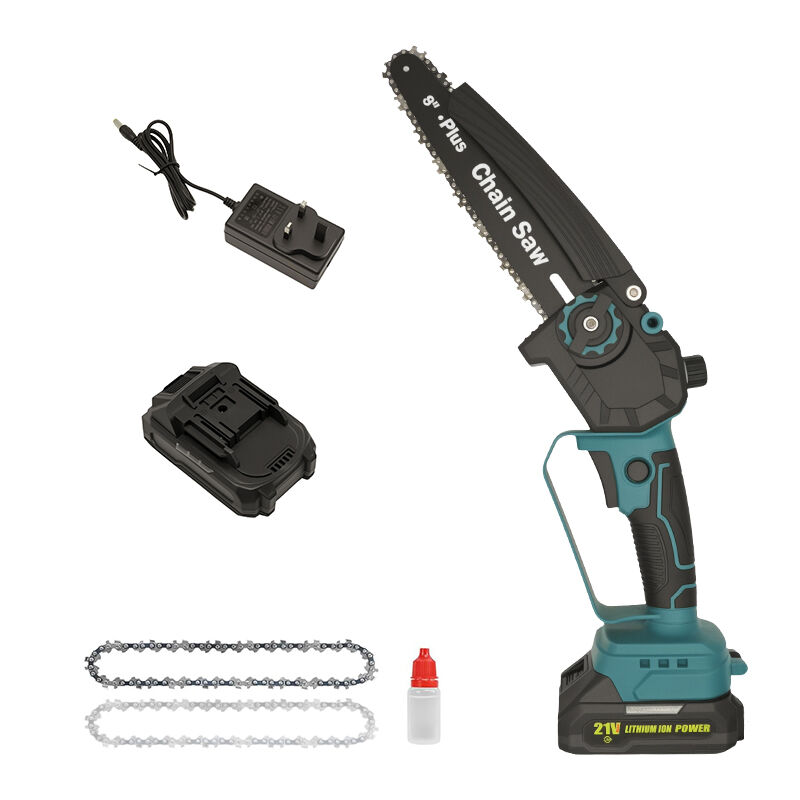
Chain saws excel at heavy-duty cutting tasks involving thick wood, fallen trees, and large-scale pruning operations that overwhelm conventional saws. Gas-powered models deliver maximum cutting capacity for professional arborists and forestry workers, while electric versions provide adequate power for homeowner applications with reduced noise and emissions. The rotating chain mechanism efficiently removes large amounts of material quickly, making these tools indispensable for storm cleanup and land clearing projects.
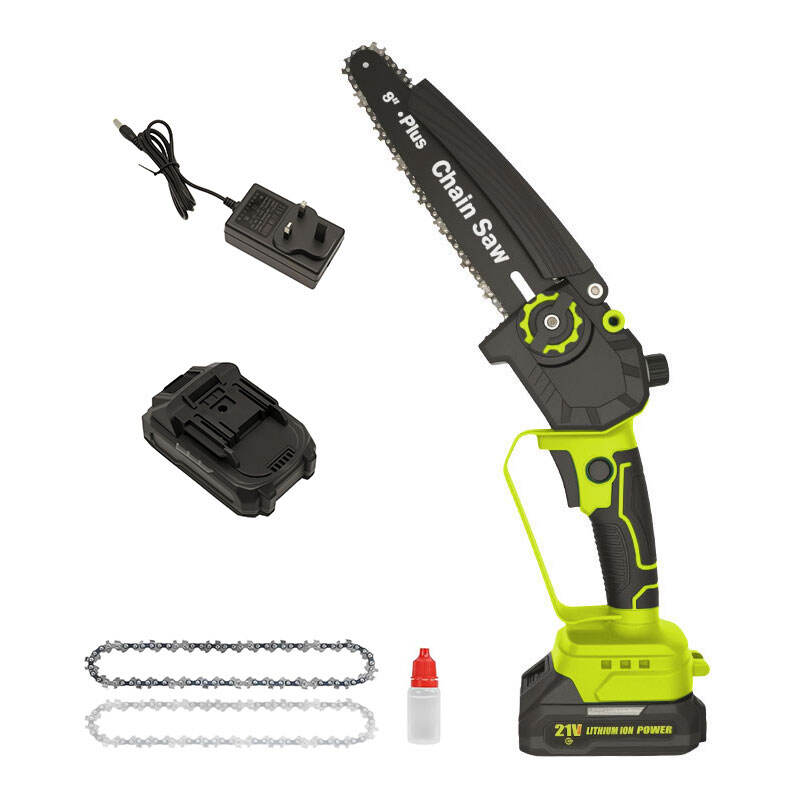
Battery-powered chain saws have gained significant traction among casual users who require occasional cutting power without the maintenance demands of gas engines. These tools offer instant starting, reduced vibration, and virtually silent operation compared to their gas counterparts. For homeowners dealing with moderate pruning tasks or small firewood preparation, cordless saw models provide sufficient capability while eliminating fuel mixing and carburetor maintenance concerns.
Reciprocating and Jigsaw Capabilities
Reciprocating saws function as demolition workhorses, capable of cutting through walls, pipes, nails, and mixed materials that would destroy conventional blades. The aggressive back-and-forth blade motion combined with various blade types enables these tools to tackle diverse materials from wood and metal to PVC and drywall. Construction crews rely on reciprocating saws for renovation work, emergency repairs, and situations requiring quick material removal without precision concerns.
Jigsaws provide controlled curved cutting capabilities that bridge the gap between hand tools and larger power saws, offering maneuverability impossible with circular or table saws. Variable speed controls allow users to optimize cutting rates for different materials, while orbital action settings increase cutting aggression for faster material removal in appropriate applications. These versatile tools excel at cutting sink openings in countertops, creating decorative shapes, and following template patterns for repetitive curved cuts.
Choosing the Right Saw for Your Project
Material Considerations and Blade Selection
Successful saw selection begins with understanding your primary cutting materials and matching tool capabilities accordingly. Softwood lumber requires different approaches than hardwood, engineered products, or metal components, with blade tooth configuration and cutting speed playing crucial roles in achieving quality results. Fine-toothed blades minimize tear-out in finished surfaces, while aggressive tooth patterns maximize cutting speed in rough construction applications.
Thickness requirements directly influence saw choice, as each tool category offers specific cutting depth limitations that must accommodate your material dimensions. Thin sheet materials work well with jigsaws or circular saws using fine blades, while thick timber demands powerful tools with adequate blade exposure. Consider both current project needs and future applications when investing in saw equipment, ensuring your selection provides long-term versatility rather than single-purpose functionality.
Power Source and Portability Factors
Jobsite conditions heavily influence optimal power source selection, with corded tools offering consistent performance and cordless versions providing mobility advantages. Battery technology continues advancing rapidly, with many cordless saws now matching corded performance while eliminating extension cord dependencies and electrical safety concerns. Evaluate your typical work environment to determine whether cord limitations or power consistency takes priority for your applications.
Tool weight and ergonomics become increasingly important during extended use periods, affecting both user fatigue and cutting accuracy. Lightweight models reduce strain during overhead cuts or prolonged sessions, while heavier tools often provide better stability and reduced vibration for precision work. Balance these competing factors against your physical capabilities and typical usage patterns to select tools that enhance rather than hinder productivity.
Maintenance and Safety Best Practices
Blade Care and Replacement Guidelines
Regular blade maintenance extends tool life while ensuring consistent cutting performance and user safety throughout the blade's service period. Sharp blades require less pressure and produce cleaner cuts with reduced tear-out, while dull blades create excessive heat, burn marks, and potential kickback situations. Establish regular inspection routines checking for damaged teeth, excessive wear patterns, and proper blade tension on tools equipped with adjustable systems.
Quality replacement blades represent worthwhile investments that dramatically impact cutting results regardless of saw sophistication. Premium carbide-tipped blades maintain sharpness significantly longer than basic steel versions, justifying higher initial costs through extended service life and superior performance. Match blade specifications exactly to manufacturer recommendations, paying particular attention to arbor size, maximum RPM ratings, and tooth configuration appropriate for intended materials.
Safety Equipment and Proper Technique
Personal protective equipment remains non-negotiable when operating any saw type, with eye and hearing protection forming the minimum safety foundation. Safety glasses or face shields protect against flying debris, while hearing protection prevents long-term damage from prolonged exposure to high-decibel cutting noise. Dust masks or respirators become essential when cutting treated lumber, composite materials, or working in enclosed spaces with poor ventilation.
Proper cutting technique reduces accident risk while improving cut quality and extending equipment life through reduced wear and tear. Maintain stable footing and secure workpiece positioning before beginning cuts, ensuring adequate support prevents binding or unexpected material movement. Never force tools through materials or attempt cuts beyond design limitations, as these practices increase injury risk and often damage both tools and workpieces beyond repair.
FAQ
What factors determine the best saw choice for beginners
Beginners should prioritize safety features, ease of use, and versatility when selecting their first saw. Circular saws offer excellent starting points due to their straightforward operation and broad application range, while quality hand saws provide valuable skill-building opportunities without power tool risks. Focus on tools with good safety guards, comfortable ergonomics, and clear instruction manuals that support proper technique development.
How do I maintain consistent cutting accuracy across different saw types
Accuracy depends on proper setup, sharp blades, and consistent technique regardless of saw type. Use quality measuring tools and guides to establish accurate cut lines, ensure workpieces are securely supported and properly aligned, and maintain steady feed rates without forcing the tool. Regular blade sharpening or replacement prevents wandering cuts caused by dull edges that follow grain patterns rather than intended cut lines.
Which saw type offers the best value for occasional home use
Cordless circular saws provide exceptional value for homeowners due to their versatility, convenience, and moderate cost compared to specialized tools. These saws handle most household projects from deck building to trim work, while battery power eliminates extension cord limitations common in residential settings. Quality models offer sufficient power for typical home applications while remaining manageable for occasional users without extensive experience.
What safety considerations are most critical when using power saws
Always wear appropriate personal protective equipment including safety glasses, hearing protection, and dust masks when conditions warrant. Maintain tools in proper working condition with sharp, undamaged blades and functioning safety guards, never bypassing safety features for convenience. Ensure adequate lighting and stable work surfaces, avoid loose clothing or jewelry that could catch in moving parts, and never operate tools when fatigued or distracted.
