 EN
EN

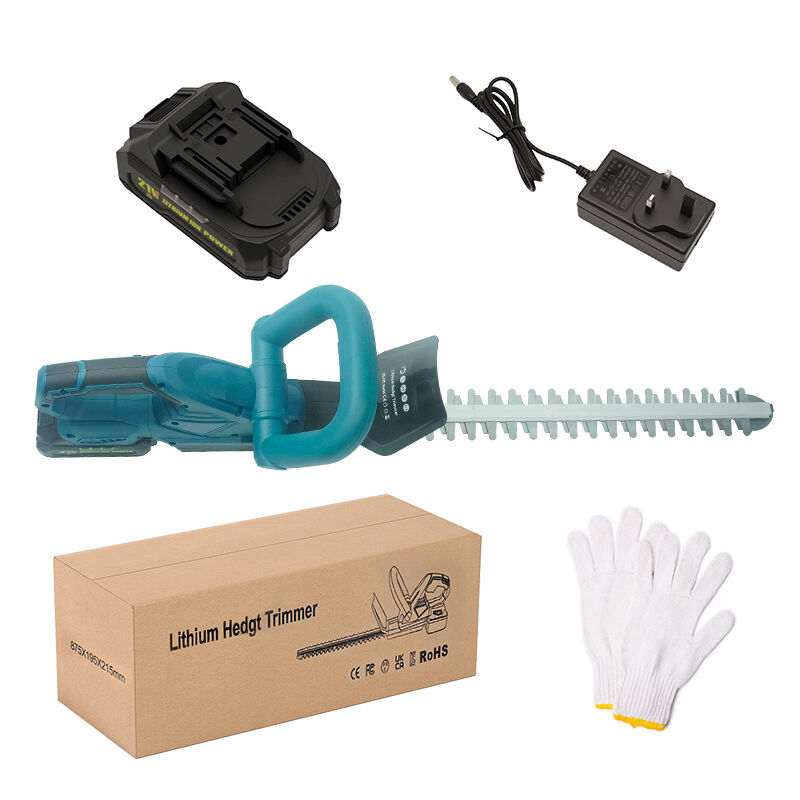
Selecting the perfect saw for your woodworking projects requires careful consideration of numerous factors that directly impact the quality and efficiency of your work. Whether you're a seasoned craftsman or just beginning your woodworking journey, understanding the various types of saws available and their specific applications will help you make informed decisions. Modern woodworking demands precision, versatility, and reliability from your tools, making the choice of saw one of the most crucial investments in your workshop arsenal. The right saw can transform challenging cuts into smooth, accurate operations while the wrong choice can lead to frustration, wasted materials, and compromised project outcomes.
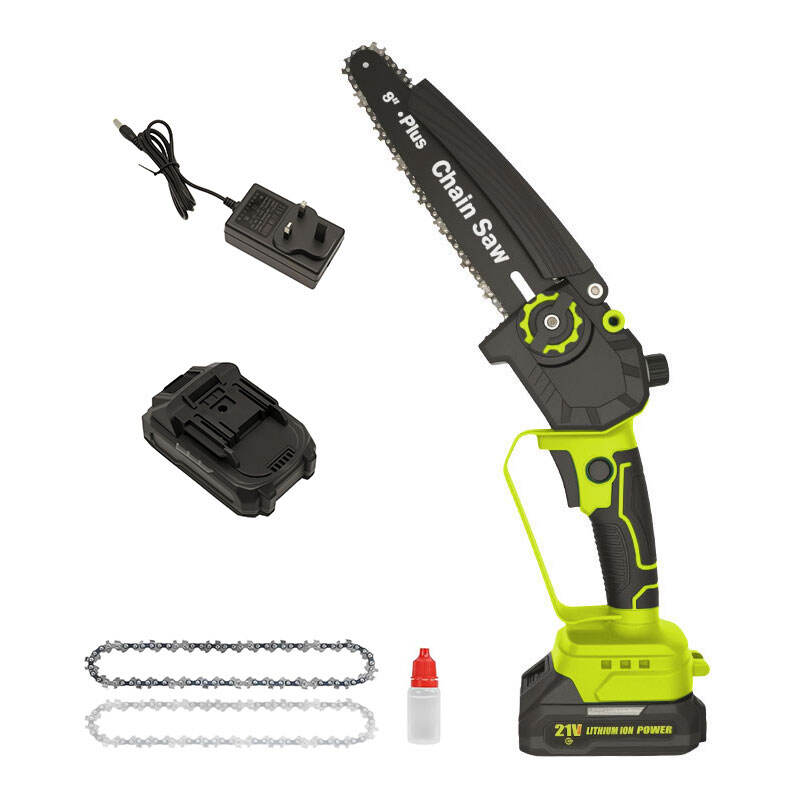
Understanding Different Saw Categories and Their Applications
Hand Saws for Precision Work
Traditional hand saws remain indispensable tools for fine woodworking applications where precision and control take precedence over speed. These manual cutting instruments offer unmatched tactile feedback, allowing experienced woodworkers to feel the grain direction and adjust their cutting technique accordingly. The absence of electrical power eliminates vibration issues that can compromise delicate joints or thin material cuts. Hand saws excel in situations where noise restrictions apply, making them ideal for apartment workshops or late-night project sessions. Their portability means you can work anywhere without concerns about power sources or battery life.
Dovetail saws, tenon saws, and crosscut saws each serve specific purposes within the hand saw category. Dovetail saws feature fine teeth and rigid backs that ensure straight cuts in delicate joinery work, while tenon saws handle larger joint cutting with their deeper blades and coarser teeth. Crosscut saws specialize in cutting across wood grain efficiently, featuring alternating tooth angles that slice through fibers cleanly. The key to selecting the right hand saw lies in matching the tooth count and blade geometry to your intended application, considering factors like wood species, cut direction, and required finish quality.
Power Saws for Production Efficiency
Electric and battery-powered saws revolutionize woodworking productivity by delivering consistent cutting power and speed that manual tools cannot match. These power tools enable rapid material processing, making them essential for production work, large projects, or situations where time constraints demand efficiency. Modern power saws incorporate advanced safety features, dust collection systems, and precision guides that enhance both user protection and cut accuracy. The variety of power saw types ensures that virtually any cutting task can be accomplished with the appropriate tool selection.
Circular saws, miter saws, and table saws represent the core power saw categories that most woodworkers rely upon. Circular saws provide portability and versatility for rough cutting operations, while miter saws excel at precise crosscuts and angle cuts for trim work and furniture components. Table saws serve as the workshop centerpiece for ripping lumber and making repetitive cuts with consistent accuracy. Each power saw type offers unique advantages that complement different aspects of woodworking, from initial material breakdown to final detail work.
Material Considerations and Blade Selection Strategies
Wood Species Impact on Saw Choice
Different wood species present varying challenges that influence saw selection and blade requirements. Hardwoods like oak, maple, and cherry demand sharp, high-quality blades with appropriate tooth configurations to prevent burning, tear-out, or premature dulling. These dense materials generate more heat during cutting, requiring saws with adequate power reserves and effective cooling mechanisms. Softwoods such as pine, cedar, and fir cut more easily but can cause resin buildup on blades, necessitating frequent cleaning and possibly different blade materials or coatings.
Exotic woods and engineered materials introduce additional complexity to saw selection decisions. Materials like bamboo, composite lumber, and laminated products require specialized blade designs that can handle varying densities and potential adhesive content. The abrasive nature of some engineered materials accelerates blade wear, making carbide-tipped or diamond-ground blades more economical despite higher initial costs. Understanding your primary material types helps narrow down saw options and ensures you invest in tools that will perform reliably throughout their service life.
Blade Technology and Performance Features
Modern saw blades incorporate sophisticated metallurgy, tooth geometry, and surface treatments that dramatically affect cutting performance and longevity. Carbide-tipped blades offer exceptional durability and maintain sharp edges far longer than traditional steel blades, making them ideal for production environments or frequent use applications. Advanced tooth designs, including alternate top bevel, triple chip grind, and combination patterns, optimize cutting efficiency for specific materials and applications. Anti-vibration slots, expansion slots, and laser-cut bodies minimize blade deflection and reduce noise levels during operation.
Coating technologies such as Teflon, titanium nitride, and diamond-like carbon reduce friction, prevent resin buildup, and extend blade life significantly. These surface treatments also improve cut quality by reducing heat generation and material adhesion that can cause binding or burning. Premium blades often feature micro-grain carbide tips, precision-ground bevels, and computer-balanced bodies that deliver superior performance justifying their higher cost. Selecting blades with appropriate features for your specific applications ensures optimal results and maximum value from your saw investment.
Safety Features and Ergonomic Considerations
Modern Safety Technologies
Contemporary saw designs prioritize user safety through innovative technologies that prevent accidents and reduce injury severity when incidents occur. Blade guards, riving knives, and anti-kickback pawls represent fundamental safety features that should be present and properly functioning on any power saw. More advanced systems include flesh-sensing technology that stops blades instantly upon detecting human contact, electronic brakes that halt blade rotation within milliseconds, and automatic blade depth adjustment systems that minimize exposure during cuts.
Dust collection systems serve dual purposes by improving visibility and reducing health hazards associated with airborne particles. Effective dust management prevents accumulation that can interfere with saw operation while protecting respiratory health during extended use periods. LED lighting systems illuminate cut lines clearly, reducing eye strain and improving accuracy, particularly in poorly lit workshop environments. These safety enhancements contribute to both accident prevention and improved work quality, making them valuable considerations in saw selection decisions.
Ergonomic Design Elements
Proper ergonomics significantly impact user comfort, control, and fatigue levels during extended cutting operations. Handle design, weight distribution, and vibration dampening directly affect how well you can control the saw and maintain accuracy throughout demanding projects. Rubber over-molded grips, anti-vibration systems, and balanced motor placement reduce hand strain and improve cutting precision by minimizing unwanted movement during operation. Adjustable components allow customization to individual user preferences and physical characteristics, enhancing both comfort and performance.
Cord placement, switch accessibility, and adjustment mechanism design influence operational efficiency and user satisfaction. Well-designed saws position controls intuitively, allowing quick adjustments without interrupting workflow or compromising safety. Cordless models eliminate trip hazards and provide unrestricted mobility, though battery life and power output require careful consideration for demanding applications. The physical interface between user and tool ultimately determines how effectively you can translate skills and intentions into precise, consistent cuts.
Budget Planning and Value Assessment
Initial Investment Considerations
Establishing a realistic budget for saw purchases requires balancing immediate needs against long-term value and performance expectations. Entry-level saws may satisfy occasional users or budget-conscious beginners, but frequent use typically reveals limitations in power, accuracy, and durability that compromise project outcomes. Professional-grade tools command higher prices but deliver superior performance, reliability, and longevity that often justify the investment through reduced replacement costs and improved work quality. Consider the total cost of ownership, including consumables like blades, maintenance requirements, and potential productivity gains when evaluating options.
Used and refurbished saws present opportunities for acquiring quality tools at reduced costs, though careful inspection and testing become critical to avoid inheriting problems or safety issues. Vintage tools sometimes offer superior build quality compared to modern alternatives, but parts availability and service support may be limited. Rental options allow evaluation of specific models before purchase while providing access to expensive specialized saws for infrequent applications. Financial planning should account for accessory costs, including additional blades, guides, stands, and safety equipment necessary for complete functionality.
Long-term Value and Upgrade Pathways
Investing in quality saws that can grow with your skills and expanding project requirements provides better long-term value than repeatedly upgrading entry-level tools. Modular systems that accept various attachments or upgrade components offer flexibility to enhance capabilities without completely replacing the base unit. Consider compatibility with existing tools, particularly for battery-powered systems where sharing power sources reduces overall investment and simplifies maintenance requirements. Warranty coverage, service network availability, and manufacturer reputation influence total ownership experience and should factor into selection decisions.
Resale value considerations become important for woodworkers who frequently upgrade or change their tool inventory. Premium brands typically retain value better than budget alternatives, making them more attractive for users who anticipate future changes in their requirements. Tool technology evolution continues rapidly, with new features and capabilities emerging regularly that may make current models obsolete. Balancing current needs against future developments requires careful consideration of how quickly your requirements might change and whether cutting-edge features justify premium pricing.
FAQ
What factors should I prioritize when selecting my first woodworking saw
Beginners should prioritize safety features, ease of use, and versatility over advanced capabilities or maximum power. Start with a quality circular saw or miter saw that can handle the majority of basic cutting tasks while you develop fundamental skills and determine your specific interests within woodworking. Focus on tools with clear instruction manuals, readily available support, and safety features that prevent common beginner mistakes. Consider purchasing from retailers that offer training or demonstration opportunities to ensure you understand proper operation before taking the tool home.
How do I determine the appropriate blade size and tooth count for my projects
Blade size depends primarily on your saw's specifications and the maximum thickness of materials you plan to cut, while tooth count relates to cut quality and material type. Higher tooth counts produce smoother finishes but cut more slowly, making them ideal for finished surfaces and cross-grain cuts. Lower tooth counts remove material faster and work better for ripping operations or rough cutting where finish quality matters less. Match blade diameter to your saw's requirements and select tooth count based on whether you prioritize speed or surface finish for each specific application.
Should I choose corded or cordless saws for my workshop setup
Corded saws provide unlimited runtime and consistent power output, making them ideal for stationary workshop use and demanding applications. Cordless models offer mobility and convenience but require battery management and may have power limitations for heavy-duty tasks. Consider your workshop layout, typical project locations, and power requirements when deciding. Many professionals maintain both types, using corded tools for primary workshop tasks and cordless versions for installation work or situations where mobility matters more than maximum power.
What maintenance practices will extend my saw's service life and performance
Regular cleaning, proper blade maintenance, and appropriate lubrication form the foundation of effective saw care. Keep cutting surfaces free from resin buildup, dust, and debris that can interfere with operation or cause premature wear. Maintain sharp blades through professional sharpening services or timely replacement, as dull blades stress motors and produce poor results. Store tools in dry environments, follow manufacturer lubrication schedules, and address minor issues promptly before they develop into major problems requiring expensive repairs or replacement.
