 EN
EN

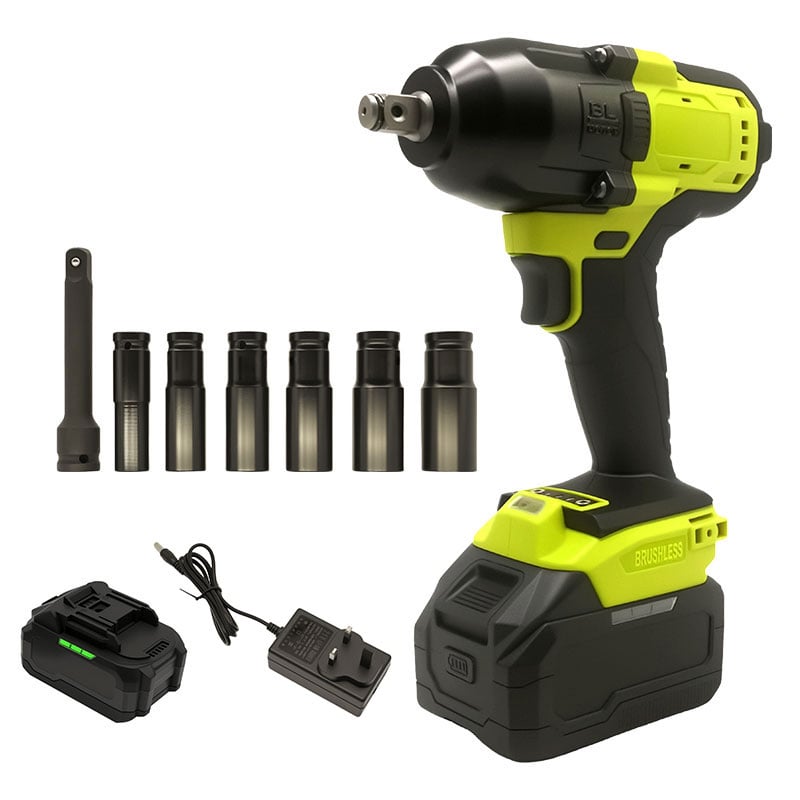
Understanding torque is the foundation of every precision fastening task. Whether you are a professional mechanic, a construction worker, or a serious DIY enthusiast, applying the correct torque to bolts and fasteners determines the safety, durability, and performance of every assembly. Too little torque leaves joints loose and unstable. Too much torque strips threads, cracks components, and creates dangerous failure points. In 2025, having the right torque tool is not optional — it is essential.

The torque tool market has expanded significantly, offering everything from manual torque wrenches to advanced battery-powered torque impact tools. Selecting the right torque solution depends on your application, the torque range required, and how frequently you work with fasteners under specific torque demands. This guide explores the critical factors that define professional torque performance, helping you make a confident and well-informed decision for 2025 and beyond.
What Torque Means for Professional Fastening
Torque Defined in Practical Terms
Torque is the rotational force applied to a fastener to achieve a specific clamping load. In mechanical terms, torque is measured in Newton-meters (Nm) or foot-pounds (ft-lb), and each fastener in every application has a manufacturer-specified torque value. Professional fastening depends on delivering that precise torque value consistently. When torque is applied correctly, the bolt stretches slightly, creating the clamping force that holds the assembly together under load and vibration.
Torque consistency matters most in high-stakes environments such as automotive repair, structural assembly, and industrial maintenance. A torque error in these settings can cause joint failure, warranty voids, or serious injury. This is why professional-grade torque tools are calibrated, verified, and designed to deliver repeatable torque output across thousands of cycles. Choosing a reliable torque tool is an investment in both safety and quality.
Torque Range and Application Matching
Every torque tool is designed for a specific torque range. A lightweight torque wrench suitable for bicycle assembly operates in a very different torque range than a heavy-duty torque impact wrench used for lug nuts or structural bolts. Matching the torque range of your tool to the torque demands of your application is critical. Operating a torque tool outside its rated torque range reduces accuracy and accelerates wear. Always verify the maximum and minimum torque specifications before selecting a tool for a given job.
Types of Torque Tools for Professional Use
Manual Torque Wrenches
Manual torque wrenches remain the standard in precision torque applications. Click-style torque wrenches are the most common, producing an audible click when the preset torque value is reached. Beam-style torque wrenches display torque on a scale, allowing continuous torque monitoring. Digital torque wrenches provide electronic torque readings, making them ideal for applications where torque documentation is required. Each type delivers reliable torque results when used correctly and maintained regularly.
Proper storage and calibration are essential for maintaining torque accuracy. A torque wrench stored under tension will lose its calibration over time, resulting in inaccurate torque delivery. Most professional torque wrenches should be recalibrated annually or after a significant drop or overload event. Maintaining your torque tools ensures consistent torque output throughout the tool's working life.
Power Torque Impact Tools
Battery-powered torque impact wrenches have transformed professional fastening workflows. These tools deliver high torque output rapidly, reducing operator fatigue and dramatically increasing productivity on repetitive fastening tasks. A quality torque impact wrench operating on a 21V battery platform provides the torque capacity needed for automotive work, equipment assembly, and demanding DIY projects alike. The combination of portability and high torque output makes these tools indispensable in modern workshops.
When evaluating power torque tools, consider maximum torque output, torque settings or modes, battery runtime, and the quality of the drive mechanism. Multi-torque setting tools allow professionals to switch between lower torque values for delicate fasteners and maximum torque for stubborn bolts without changing tools. This torque versatility adds genuine value in environments where multiple fastener types are encountered daily.
How to Select the Right Torque Tool in 2025
Key Torque Specifications to Compare
When comparing torque tools, the most important specification is the maximum torque rating. However, torque accuracy — typically expressed as a percentage of the set torque value — is equally critical for precision work. A torque tool with high maximum torque but poor torque accuracy is unsuitable for critical fastening. Look for torque tools that specify accuracy within plus or minus four percent of the set torque value across the full torque range. This torque accuracy standard is the benchmark for professional-grade equipment.
Drive size is another torque-related factor that influences tool selection. A half-inch drive torque wrench handles higher torque values and larger fasteners, while a three-eighths-inch drive torque wrench suits medium torque applications in tighter spaces. Quarter-inch drive torque tools are used for low torque, precision assembly tasks. Selecting the correct drive size ensures safe and accurate torque application without adapter-induced torque loss or measurement error.
Torque Tool Durability and Long-Term Value
Professional torque tools must withstand daily use in demanding environments. Look for torque tools built with hardened steel internal components, corrosion-resistant finishes, and robust housing. A torque tool that maintains its calibration and torque accuracy under heavy use represents genuine long-term value. Cheap torque tools may deliver acceptable initial torque readings but degrade rapidly, resulting in inconsistent torque output that can compromise work quality and safety.
Warranty coverage and manufacturer support are also important torque tool evaluation criteria. A torque tool backed by a strong warranty signals manufacturer confidence in the torque tool's build quality and torque precision. In professional environments, torque tool downtime has a direct cost. Choosing a torque tool with reliable after-sales support protects your investment and ensures your torque capacity is never interrupted unexpectedly.
FAQ
What is the ideal torque range for automotive use?
For most automotive torque tasks, a torque wrench covering 20 to 150 Nm handles the majority of engine and chassis fastening work. Lug nut torque typically falls between 80 and 130 Nm depending on the vehicle. A higher-torque impact wrench with a maximum torque output above 200 Nm is recommended for heavy-duty automotive and truck applications where bolt torque demands are significantly greater.
How often should a torque wrench be recalibrated?
Professional torque wrenches should be recalibrated at least once per year under normal use conditions. In high-frequency torque applications, recalibration every 5,000 torque cycles is the recommended standard. Always recalibrate a torque tool after it has been dropped, subjected to overload torque, or if torque readings seem inconsistent. Maintaining calibration ensures accurate torque delivery and compliance with quality standards.
Can a power torque impact wrench replace a manual torque wrench?
A power torque impact wrench is excellent for rapid torque application and removal but is generally not a substitute for a calibrated manual torque wrench in precision torque work. Power torque tools are ideal for first-pass tightening and loosening operations. For final torque verification to a specific torque value, a calibrated click or digital torque wrench remains the professional standard. Many technicians use both tools together — a power torque tool for speed and a manual torque wrench for final torque confirmation.
