 EN
EN

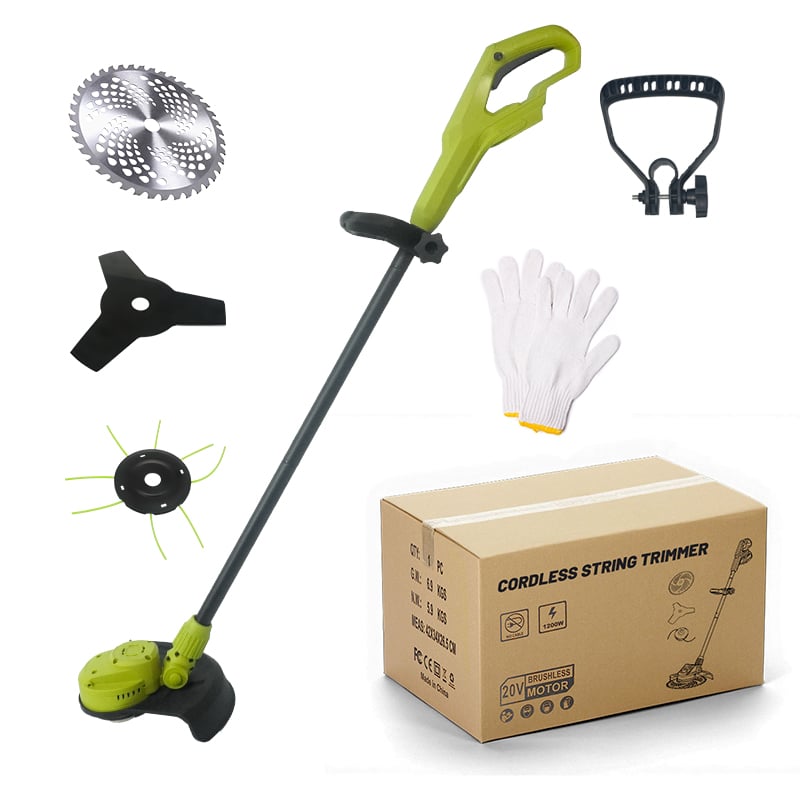
A brush cutter is one of the most powerful outdoor tools available for clearing dense vegetation, thick grass, and woody shrubs. Whether you are a professional landscaper or a homeowner tackling overgrown land, understanding how to use a brush cutter safely is absolutely essential. Every year, preventable injuries occur because users skip basic precautions or underestimate the risks involved. This guide covers the safety knowledge every brush cutter user must have before starting any job.

Operating a brush cutter without proper preparation puts both you and bystanders at serious risk. Flying debris, blade kickback, and physical fatigue are among the most common hazards associated with brush cutter use. By following structured safety practices, you protect yourself and anyone nearby while also extending the working life of your equipment. The sections below walk through protective gear, safe operating techniques, and critical maintenance habits every brush cutter operator should adopt.
Personal Protective Equipment for Brush Cutter Use
Essential Gear Before You Start
Before you even start a brush cutter, wearing the right personal protective equipment is non-negotiable. Eye protection is the first priority since a brush cutter blade can launch stones, wood chips, and debris at high velocity. Safety goggles or a full-face visor provide adequate coverage and should be worn throughout the entire session. Hearing protection is equally important because a brush cutter engine generates significant noise levels that can cause hearing damage over prolonged exposure.
A brush cutter operator should also wear cut-resistant gloves to maintain a firm grip while reducing the risk of hand injury. Long trousers and heavy-duty boots protect the legs and feet from flying fragments. Lightweight work boots may seem sufficient, but steel-toed footwear provides much stronger protection when using a brush cutter near uneven terrain or hard obstacles. Never operate a brush cutter in open sandals or loose clothing that could catch on moving parts.
Body Harness and Balance Support
Many brush cutter models come with a shoulder harness or body harness that distributes the tool's weight evenly across your torso. Using the harness correctly reduces fatigue and improves control during extended brush cutter sessions. Proper balance is crucial because a tired operator is more likely to lose control of the brush cutter, especially when working on slopes or uneven ground. Always adjust the harness to your body size before beginning work, and never remove it mid-task.
Safe Operating Techniques for Brush Cutter Users
Pre-Operation Site Assessment
Before activating a brush cutter, walk the entire work area to identify hidden hazards. Rocks, wire fencing, irrigation pipes, and thick roots can all cause a brush cutter blade to kick back violently if struck unexpectedly. Marking or removing these obstacles in advance greatly reduces the risk of sudden loss of control. Keep bystanders, children, and pets at a minimum distance of fifteen meters from any active brush cutter operation at all times.
Working on slopes requires additional brush cutter safety awareness. When cutting on an incline, position yourself so the brush cutter blade moves across the slope rather than directly uphill or downhill. This stance gives you better footing and reduces the chance of the brush cutter pulling you off balance. Always be especially cautious on wet grass or muddy terrain, where your footing can shift unexpectedly during brush cutter operation.
Correct Cutting Posture and Swing Technique
A correct stance while using a brush cutter involves keeping your feet shoulder-width apart and maintaining a slight bend in your knees. Grip the brush cutter handle firmly but not rigidly, allowing for natural movement without fatigue. Most brush cutter models are designed to swing in a controlled arc from right to left, with the blade cutting through vegetation on the return stroke. Understanding this motion helps you maintain rhythm and reduces unnecessary strain on your arms and back.
Never attempt to cut above waist height with a brush cutter, as this dramatically increases the risk of injury from blade contact or debris deflection. Keep the brush cutter blade close to the ground during normal cutting passes and avoid forcing the blade into extremely thick material without proper blade selection. Overloading the brush cutter motor by cutting material beyond its rated capacity can also cause the tool to stall or behave unpredictably, creating additional hazard.
Fueling and Starting Safety
Always refuel a brush cutter when the engine is completely cool. Spilling fuel onto a hot brush cutter engine is a serious fire hazard that must never be ignored. Store fuel in approved containers away from heat sources, and wipe off any spills before starting the brush cutter. When starting a brush cutter with a pull cord, ensure the blade guard is in place and the blade is not in contact with the ground or any solid surface. Electric brush cutter models require battery checks and secure connections before activation.
Brush Cutter Maintenance and Inspection Habits
Blade Condition and Replacement Schedule
The condition of the blade directly affects brush cutter safety and cutting efficiency. A worn or damaged brush cutter blade vibrates more during operation, which accelerates operator fatigue and reduces cutting accuracy. Inspect the brush cutter blade before each use for cracks, chips, or signs of bending. A compromised blade should be replaced immediately because continuing to use a damaged brush cutter blade significantly increases the risk of blade failure during operation.
Brush cutter blade replacement should be performed with the tool completely powered off and the spark plug disconnected for petrol models. Use the correct blade size and type specified by the brush cutter manufacturer to ensure safe performance. Always torque the blade bolt to the recommended specification and double-check that the blade guard is securely re-installed before restarting the brush cutter. Following these steps ensures that your brush cutter remains both safe and effective across every use.
Post-Use Cleaning and Storage
After completing a brush cutter job, allow the tool to cool before cleaning debris from the blade, guard, and ventilation areas. Built-up vegetation around the brush cutter motor or blade assembly can cause overheating during future use. Store the brush cutter in a dry location away from direct sunlight, and keep the blade guard in place to prevent accidental contact. Regular maintenance intervals, including air filter cleaning and bolt tightening, extend the operational life of your brush cutter and maintain consistent safety performance.
FAQ
What should I do if my brush cutter blade strikes a hidden rock?
If your brush cutter blade strikes a hidden rock, release the throttle immediately and allow the blade to stop completely. Inspect the brush cutter blade for damage before resuming work. A blade that has been struck hard against a solid object may develop invisible stress fractures that can cause it to fail during the next use. Replace the brush cutter blade if there is any doubt about its integrity.
How often should I inspect my brush cutter before use?
You should inspect your brush cutter before every single use. Check the blade condition, blade guard attachment, harness straps, fuel level, and all visible fasteners each time. A brief brush cutter inspection takes only a few minutes but can prevent serious accidents caused by overlooked mechanical issues. Regular pre-use checks are one of the most effective habits for maintaining brush cutter safety long-term.
Is a brush cutter safe for beginners to use?
A brush cutter can be used safely by beginners provided they receive proper instruction before their first operation. New users should start with a brush cutter on flat, clear terrain and practice basic swing technique at low throttle before progressing to dense vegetation. Reading the brush cutter manual thoroughly and wearing full protective gear from the very first use significantly reduces the likelihood of beginner-related injuries. Consider supervised practice sessions to build confidence and technique.
