 EN
EN

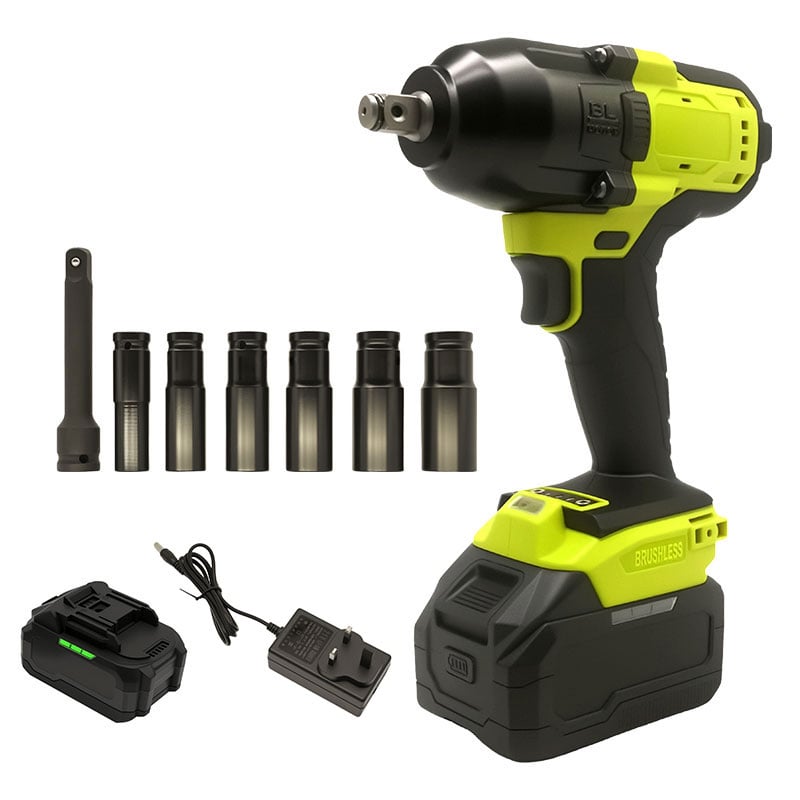
When discussing engine performance, mechanical tools, or industrial equipment, two terms come up repeatedly: torque and horsepower. Many people use these words interchangeably, but they represent fundamentally different physical forces. Understanding torque and how it differs from horsepower is essential for anyone selecting tools, evaluating machinery, or making informed decisions on the job site. Torque is the rotational force that actually does the physical work, while horsepower describes the rate at which that work is performed over time.
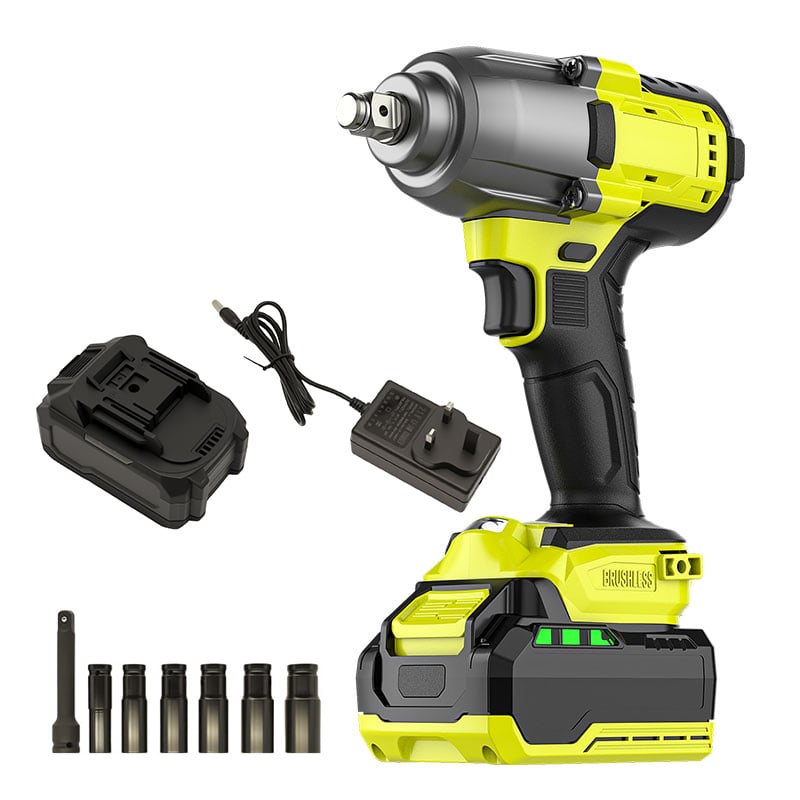
For B2B buyers, construction professionals, and maintenance engineers, the distinction matters greatly. A high-torque tool can loosen a rusted bolt that a low-torque tool simply cannot move, regardless of horsepower ratings. Torque determines the immediate pulling and twisting power available at the point of contact. This article breaks down what torque means, how it compares to horsepower, and why torque is often the more critical specification when choosing industrial tools and equipment.
Defining Torque and Its Role in Mechanical Work
What Torque Actually Measures
Torque is a measurement of rotational force applied around a pivot point or axis. It is expressed in Newton-meters or foot-pounds, representing how much twisting force is generated. When you tighten a bolt with a wrench, the force you apply multiplied by the length of the wrench handle equals the torque delivered. Greater torque means more rotational force is applied, making it easier to drive fasteners, break free corroded parts, or handle heavy resistance. Torque is the foundational force behind every rotary tool, from simple hand tools to heavy-duty industrial machinery.
In practical terms, torque tells you how much resistance a tool can overcome at the point of contact. A cordless impact wrench with high torque output can handle large-diameter bolts and heavy structural connections that a standard drill simply cannot manage. Torque is what physically moves, turns, or holds material in place. Without sufficient torque, even a powerful motor will fail to complete demanding fastening tasks on construction sites or in mechanical assembly environments.
How Torque Is Generated in Power Tools
In electric power tools, torque is generated by the motor converting electrical energy into rotational mechanical energy. The motor design, gear ratio, and battery voltage all influence how much torque is produced. Higher voltage platforms, such as 18V or 21V systems, generally allow motors to generate greater torque output compared to lower voltage alternatives. The gear system then amplifies or regulates torque delivery depending on the application. Impact mechanisms in impact wrenches further enhance torque by delivering rapid rotational strikes, dramatically increasing the effective torque at the fastener without increasing motor strain.
Horsepower vs Torque: Understanding the Core Difference
The Mathematical Relationship Between Both
Horsepower and torque are mathematically related but describe different aspects of mechanical performance. The standard formula connecting them is: horsepower equals torque multiplied by RPM, divided by a constant. This means that at any given torque level, higher rotational speed produces more horsepower. Conversely, at the same horsepower, an engine or motor operating at lower speed will produce more torque. This relationship explains why diesel engines, which operate at lower RPM, are known for high torque output, making them ideal for towing and heavy hauling even though their horsepower may be moderate.
For industrial tool selection, this relationship has direct practical meaning. A tool optimized for high torque at low to moderate speed is better suited for fastening, loosening, and driving applications. A tool optimized for high speed at lower torque is more appropriate for cutting, sanding, or drilling light materials. Understanding that torque and horsepower serve different operational purposes helps buyers select the right tool for the right job rather than defaulting to the highest number on the specification sheet.
Why Torque Is the Priority in Fastening Applications
When fastening bolts, screws, or structural connections, torque is the specification that directly determines whether the job gets done. Horsepower alone cannot tighten a bolt to the correct specification or break loose a corroded fastener. Torque does that work. In construction, automotive service, and heavy equipment maintenance, technicians rely on torque ratings to match tools to fasteners and ensure structural integrity. Under-torqued connections can fail under load, while over-torqued fasteners can strip threads or fracture components. Precise torque application is therefore a safety-critical requirement in professional environments.
This is why professional-grade impact wrenches are rated and selected based on their maximum torque output, typically measured in Newton-meters or foot-pounds. The torque specification directly communicates the tool's capability in practical terms. A tool delivering 300 Nm of torque will handle a much wider range of fastening tasks than one rated at 150 Nm, regardless of their comparative horsepower figures. For procurement teams sourcing tools for construction sites, torque should always be the primary selection metric.
Applying Torque Knowledge to Industrial Tool Selection
Matching Torque Output to Application Requirements
Selecting a tool with the right torque rating begins with understanding the demands of the application. Light assembly work may require modest torque levels, while structural steel connections, heavy machinery maintenance, and large fastener applications demand significantly higher torque output. Professional impact wrenches designed for construction and industrial environments typically deliver high torque in the range of 300 to 600 Nm or higher. Matching the tool's torque capacity to the actual job requirements ensures efficiency, reduces wear on both the tool and the fastener, and maintains work quality.
Battery-powered tools have made high-torque performance more accessible on job sites without the constraints of air compressors or power cords. Modern cordless impact wrenches operating on 18V or 21V platforms now deliver torque levels that match or exceed many corded and pneumatic alternatives. This shift has changed how construction crews and maintenance teams approach fastening work, enabling high torque application in remote locations and confined spaces where traditional tools were impractical.
Torque Control and Consistency in Professional Settings
Beyond raw torque output, control and consistency are equally important for professional applications. Tools with adjustable torque settings allow operators to apply the correct torque for each specific fastener size and material, reducing the risk of over-tightening or under-tightening. Consistent torque application across multiple fasteners ensures uniform clamping force, which is critical in structural, automotive, and industrial assembly contexts. High-quality impact wrenches incorporate variable speed triggers and selectable torque modes that give operators precise control over torque delivery at every stage of the fastening process.
Torque consistency also protects the longevity of both the tool and the workpiece. Tools that deliver stable, repeatable torque under load experience less internal stress and maintain performance over extended service life. For businesses managing large tool fleets or operating in demanding industrial environments, investing in high-torque, well-controlled tools reduces replacement costs and downtime, contributing directly to operational efficiency and project profitability.
FAQ
Is torque more important than horsepower when choosing an impact wrench?
Yes, torque is the primary specification for impact wrenches and fastening tools. Torque directly determines the tool's ability to drive or remove fasteners under resistance. Horsepower is a useful general performance indicator but does not tell you how much rotational force the tool applies at the point of contact. Always prioritize torque ratings when selecting tools for construction, maintenance, or industrial fastening tasks.
What is a good torque rating for a cordless impact wrench used on construction sites?
For heavy-duty construction use, an impact wrench delivering at least 300 Nm of torque is generally recommended. Applications involving large structural bolts, heavy steel connections, or automotive wheel fasteners may require tools rated at 400 Nm or higher. Always match the torque rating to your specific fastener sizes and application requirements to ensure reliable and safe performance on the job site.
Can high torque damage fasteners or workpieces?
Yes, applying excessive torque beyond the fastener's specified rating can strip threads, shear bolt heads, or damage the workpiece material. This is why adjustable torque settings and controlled torque delivery are important features in professional-grade tools. Using a tool with selectable torque modes allows operators to match the output precisely to each application, preventing over-tightening while still delivering the torque needed to complete the job correctly and safely.
