 EN
EN

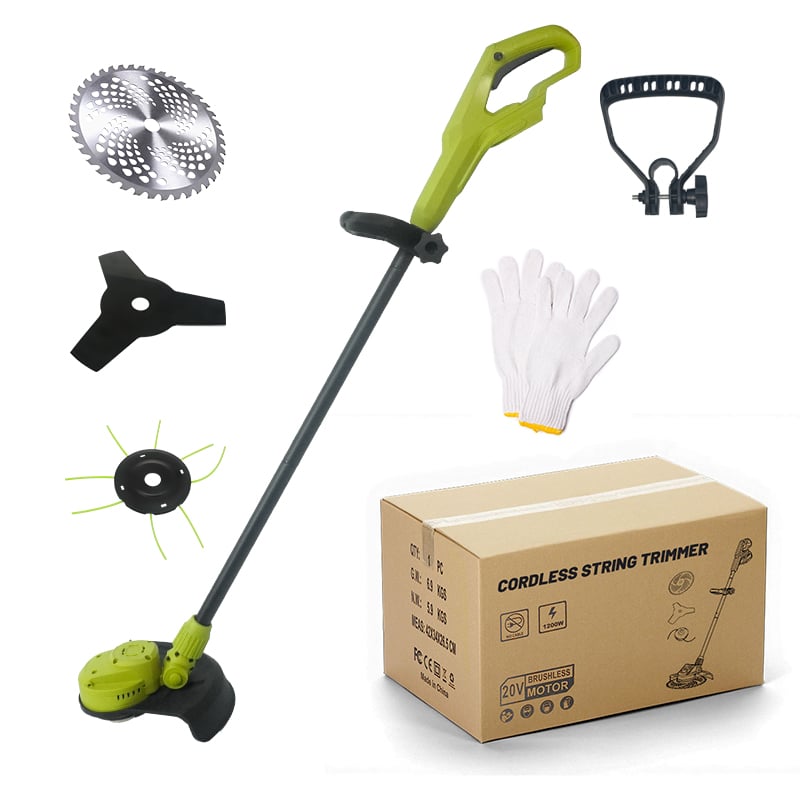
When it comes to maintaining overgrown land, tackling thick weeds, or keeping your lawn edges clean, choosing the right tool matters enormously. The debate between a brush cutter and a string trimmer is one that many homeowners, landscapers, and property managers face regularly. Each tool serves a distinct purpose, and selecting the wrong one can mean wasted time, poor results, and unnecessary wear on your equipment. Understanding the core differences between a brush cutter and a lighter trimmer helps you make a smarter, more cost-effective decision.
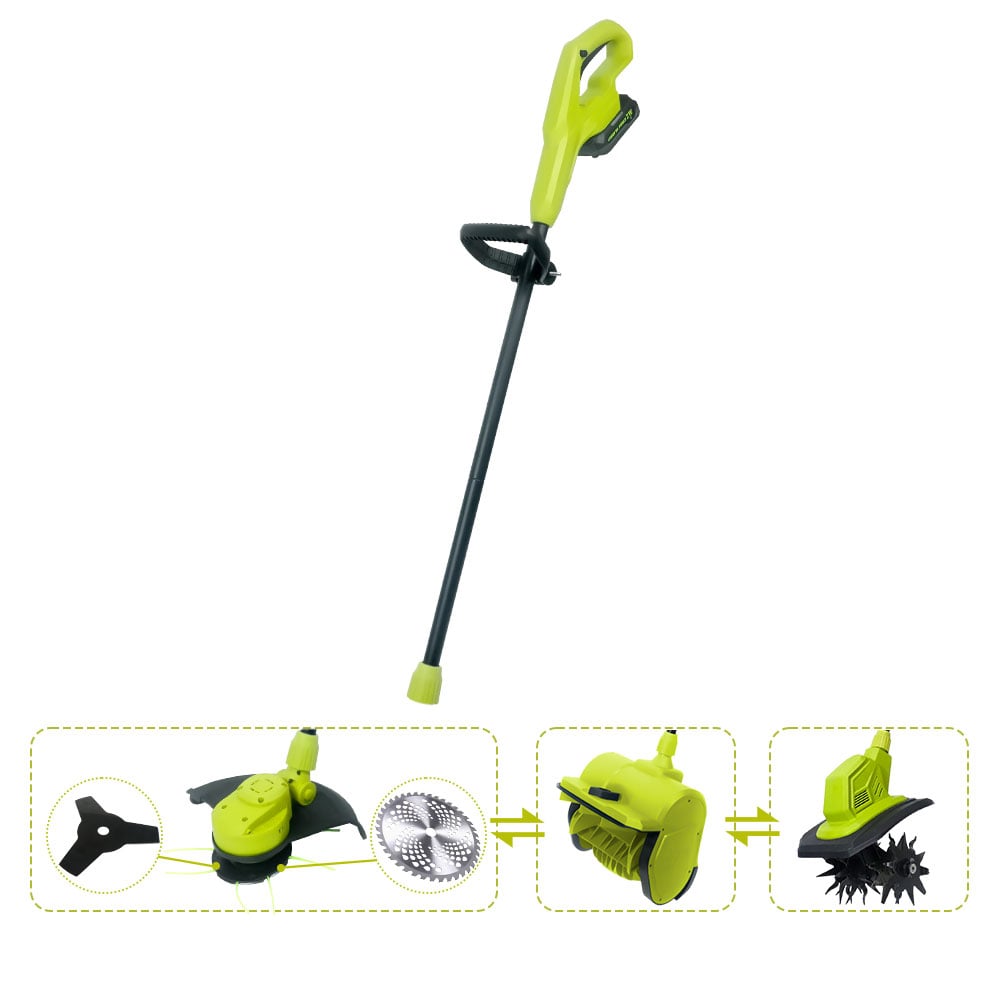
A brush cutter is engineered for demanding outdoor work. It features a rigid metal blade or heavy-duty cutting head designed to slice through dense vegetation, woody shrubs, and thick stems that would destroy a standard string trimmer in minutes. A string trimmer, by contrast, uses a flexible nylon line to trim light grass and thin weeds along edges and fence lines. Both tools have real value, but they win in very different situations. This article breaks down exactly which tool wins under which conditions so you can choose with confidence.
Core Design Differences That Define Performance
How a Brush Cutter Is Built for Power
The brush cutter is a heavy-duty cutting machine. Its drive shaft is typically solid or semi-rigid, transferring high torque from the engine or motor directly to a metal blade. That blade — often a steel tri-blade or circular saw-type disc — can cut through saplings, brambles, and dense undergrowth that no nylon line could handle. The brush cutter is generally heavier and requires a shoulder harness during extended use, but that weight reflects the robust engineering inside. For anyone managing land with serious overgrowth, the brush cutter is not optional — it is essential.
A string trimmer is built for agility and light-duty work. It uses a flexible nylon line that spins at high speed to cut soft grass and thin weeds. The trimmer is lighter, easier to maneuver, and well-suited for finishing work along driveways, walkways, and garden beds. However, when a string trimmer encounters thick stems or woody growth, the line snaps repeatedly, wasting time and costing more in replacement line. The brush cutter eliminates that frustration entirely in heavy-duty scenarios.
Blade Versus Nylon Line: A Critical Distinction
The cutting medium is the most decisive factor in this comparison. A brush cutter uses a fixed metal blade that retains its cutting edge through dense material without breaking. A string trimmer relies on a consumable nylon line that degrades quickly against anything harder than soft grass. When a brush cutter faces a thicket of invasive shrubs, it cuts steadily and efficiently. When a string trimmer faces the same task, it fails quickly. Choosing the brush cutter for tough terrain is not just a preference — it is the logical, practical decision.
Terrain and Vegetation: Matching Tool to Task
When the Brush Cutter Clearly Wins
The brush cutter wins decisively on rough, uneven terrain covered with thick vegetation. If your property has slopes, rocky ground, overgrown fields, or dense weed patches, a brush cutter is the superior tool. It handles tall grass, thick stems, small woody shrubs, and even light saplings without hesitation. Farmers, rural landowners, and professional landscapers rely on the brush cutter for land clearing jobs that need to be done efficiently and thoroughly. The brush cutter also performs well in wet or dry conditions, making it a versatile choice across seasons.
The brush cutter is also the preferred tool when vegetation has been left unmanaged for an extended period. Overgrown plots that have not been maintained for months or years require the cutting power that only a brush cutter can deliver. Attempting to use a string trimmer in these conditions results in equipment damage, poor coverage, and operator frustration. The brush cutter converts an unmanageable space into a manageable one in a fraction of the time.
Where a String Trimmer Holds Its Own
A string trimmer is the right choice for regular lawn maintenance on soft, well-managed grass. For trimming edges, cleaning up around flower beds, or cutting light weeds in already maintained areas, the string trimmer is lighter, easier to use, and perfectly sufficient. It does not require the physical effort that a brush cutter demands. For users who only manage small lawns with minimal overgrowth, a string trimmer can cover all their needs without the added weight and cost of a brush cutter. The key is honest assessment of your terrain and vegetation density.
Practical Selection Factors for Buyers
Power Source, Weight, and Operator Comfort
Modern brush cutter models are available in petrol-powered and battery-powered versions. Cordless electric brush cutter designs have improved dramatically in recent years, offering substantial cutting power with reduced noise and zero fuel costs. A quality brush cutter with a lithium battery and stainless steel blade delivers the durability and performance needed for serious land clearing without the maintenance demands of a petrol engine. Weight remains a consideration, and using a proper harness with the brush cutter significantly reduces operator fatigue during extended sessions.
String trimmers are generally lighter and easier to handle for short sessions. However, for any job requiring sustained cutting of heavy vegetation, the brush cutter remains the more sensible investment. Buyers should evaluate how frequently they face dense growth and how large their property is. If the answer involves regular encounters with thick vegetation, the brush cutter pays for itself quickly in time and effort saved.
Cost Versus Long-Term Value
A brush cutter typically costs more upfront than a string trimmer. However, the long-term value calculation favors the brush cutter for anyone managing challenging terrain. Nylon line replacement, repeated trimming sessions, and potential motor damage from forcing a string trimmer through thick material add up quickly. The brush cutter, used appropriately, requires fewer passes, causes less self-damage, and completes larger jobs more efficiently. For professional landscapers and serious property owners, the brush cutter is the higher-value tool over time.
FAQ
Can a brush cutter replace a string trimmer for all lawn care tasks?
A brush cutter is not ideal for delicate edging work along flower beds or tight spaces near fencing. For fine finishing tasks on soft grass, a string trimmer is more precise and easier to control. However, for heavy-duty cutting, the brush cutter is clearly the superior tool. Many professionals own both, using the brush cutter for land clearing and the string trimmer for detail work.
Is a cordless brush cutter as powerful as a petrol model?
Modern cordless brush cutter models with high-capacity lithium batteries have closed the performance gap significantly. For most residential and light commercial applications, a quality cordless brush cutter provides sufficient power for dense grass, thick weeds, and light woody material. Petrol models still hold an advantage for very large-scale commercial clearing, but the cordless brush cutter is a practical and convenient choice for the majority of users.
How often should the blade on a brush cutter be replaced?
The blade on a brush cutter should be inspected after every major use session and replaced when visible wear, chipping, or balance issues appear. With normal use on thick vegetation, a quality brush cutter blade can last through multiple seasons before requiring replacement. Keeping the blade clean, properly balanced, and free of debris extends its lifespan and maintains the cutting efficiency that makes the brush cutter so effective on challenging terrain.
