 EN
EN

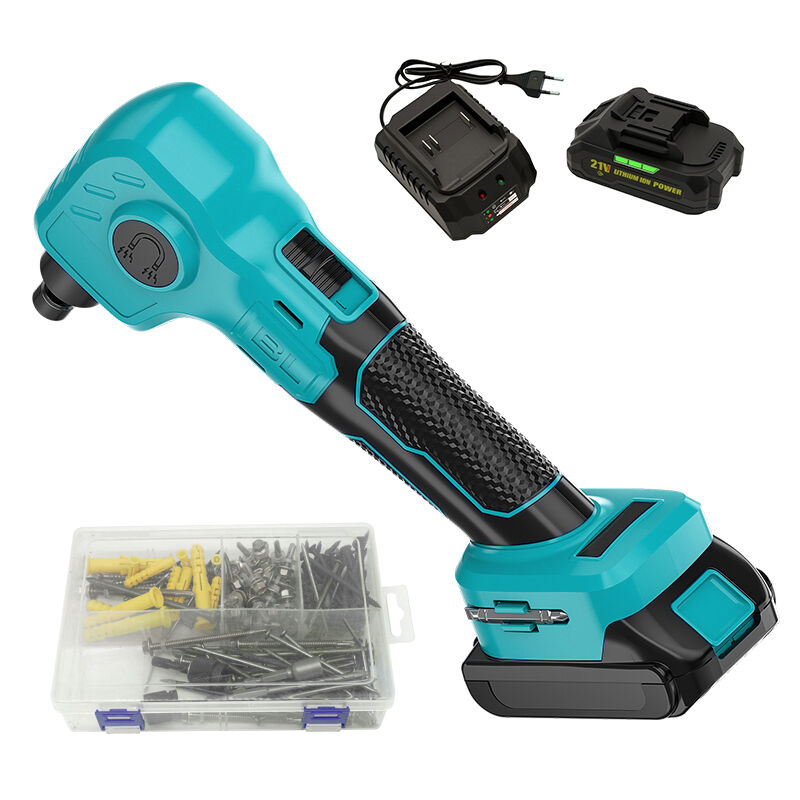
Modern construction, manufacturing, and DIY projects rely heavily on efficient power tools that deliver consistent performance and reliability. Whether you're a professional contractor or an enthusiastic homeowner, selecting the right power tools can significantly impact project outcomes, productivity, and overall satisfaction. The market offers an extensive range of options, from basic handheld devices to comprehensive combo kits that provide multiple functions in a single purchase. Understanding the key features, specifications, and pricing structures helps buyers make informed decisions that align with their specific requirements and budget constraints.
Essential Power Tool Categories for Different Applications
Drilling and Fastening Equipment
Cordless drills represent the cornerstone of most power tools collections, offering versatility for drilling holes, driving screws, and performing light-duty mixing tasks. Modern cordless drills feature variable speed triggers, clutch settings, and LED work lights that enhance precision and safety during operation. Professional-grade models typically include brushless motors that extend battery life and reduce maintenance requirements while delivering consistent torque output across various materials.
Impact drivers complement traditional drills by providing superior torque for heavy-duty fastening applications. These specialized power tools utilize rotational impacts to drive screws and bolts with minimal user effort, making them essential for framing, decking, and automotive work. The hexagonal chuck design accepts standard hex-shank bits, while the compact form factor allows access to tight spaces where conventional drills cannot operate effectively.
Cutting and Shaping Tools
Circular saws and reciprocating saws constitute fundamental cutting power tools for construction and renovation projects. Circular saws excel at making straight cuts through lumber, plywood, and composite materials, while adjustable depth and bevel settings accommodate various cutting angles and material thicknesses. Battery-powered models offer portability advantages, though corded versions typically provide more consistent power output for extended use periods.
Reciprocating saws handle demolition tasks, pruning, and rough cutting applications where precision matters less than cutting speed and versatility. The reciprocating blade action allows these power tools to cut through wood, metal, plastic, and masonry with appropriate blade selections. Variable speed controls and orbital cutting actions enhance cutting efficiency while reducing blade wear and user fatigue during prolonged operation.
Battery Technology and Power Management Systems
Lithium-Ion Battery Advantages
Contemporary power tools predominantly utilize lithium-ion battery technology due to superior energy density, reduced weight, and minimal memory effects compared to older nickel-based alternatives. Lithium-ion batteries maintain consistent voltage output throughout discharge cycles, ensuring power tools deliver steady performance until battery depletion occurs. Advanced battery management systems monitor cell temperatures, voltage levels, and charging rates to prevent overheating and extend overall battery lifespan.
Multiple voltage platforms allow users to share batteries across different power tools within the same manufacturer's ecosystem. Common voltage ratings include 12V for compact applications, 18V-20V for general-purpose tasks, and 36V-40V for heavy-duty professional use. Higher voltage systems generally provide increased power output and longer runtime, though they also increase tool weight and battery replacement costs.
Charging Infrastructure and Runtime Considerations
Fast-charging capabilities have become standard features in modern power tools battery systems, with many chargers capable of achieving 80% capacity within 30-45 minutes. Rapid charging reduces downtime between tasks while temperature monitoring prevents damage during the charging process. Some manufacturers offer multi-port chargers that simultaneously charge multiple batteries, optimizing workflow efficiency for professional users.
Battery runtime varies significantly based on application demands, with light-duty tasks like drilling pilot holes consuming less energy than heavy-duty operations such as cutting hardwood or mixing concrete. Fuel gauge indicators help users monitor remaining capacity, while some advanced power tools automatically adjust performance parameters to extend runtime when battery levels decrease.
Motor Technologies and Performance Characteristics
Brushed versus Brushless Motor Design
Traditional brushed motors utilize carbon brushes that make physical contact with the rotating commutator, creating friction and generating heat during operation. While brushed motors cost less to manufacture and repair, they require periodic brush replacement and generally offer shorter operational lifespans compared to brushless alternatives. These power tools typically provide adequate performance for occasional use scenarios where initial cost considerations outweigh long-term durability requirements.
Brushless motors eliminate physical brush contact through electronic commutation, resulting in reduced friction, lower heat generation, and improved efficiency ratings. These advanced power tools deliver up to 50% longer runtime per battery charge while providing superior torque characteristics and variable speed control. Although brushless models command higher initial prices, reduced maintenance requirements and extended tool life often justify the additional investment for frequent users.
Power Output and Torque Specifications
Motor power ratings indicate the maximum electrical input rather than mechanical output, making direct comparisons between different power tools challenging without considering efficiency factors. Torque measurements provide more meaningful performance indicators, with specifications typically expressed in inch-pounds or foot-pounds depending on the application scale. Higher torque ratings enable power tools to handle more demanding tasks without stalling or requiring excessive user pressure.
Variable speed controls allow operators to match tool performance with material requirements and application demands. Electronic speed control systems maintain consistent motor rpm under varying load conditions, while some power tools include preset speed modes optimized for specific materials or operations. Soft-start features gradually increase motor speed to prevent sudden torque application that could damage workpieces or cause operator injury.
Ergonomics and User Comfort Features
Handle Design and Grip Optimization
Ergonomic handle designs significantly impact user comfort and control during extended power tools operation periods. Rubberized grip surfaces provide secure handling even when wearing work gloves, while contoured shapes accommodate natural hand positions to reduce strain and improve precision. Some manufacturers conduct extensive ergonomic studies to optimize handle diameter, texture, and positioning relative to the tool's center of gravity.
Anti-vibration systems incorporate dampening mechanisms that reduce transmitted vibrations from motor operation and cutting actions. These features help prevent hand fatigue and potential repetitive stress injuries during prolonged use sessions. Professional-grade power tools often include adjustable auxiliary handles that allow operators to customize grip positions based on specific tasks and working angles.
Weight Distribution and Balance
Proper weight distribution affects both user comfort and operational precision when using power tools for extended periods. Manufacturers strategically position batteries, motors, and other components to achieve optimal balance points that minimize wrist strain and improve control accuracy. Compact tool designs reduce overall weight while maintaining structural integrity and performance capabilities.
Belt clips, carrying cases, and storage systems help organize power tools while protecting them from damage during transport and storage. Modular storage solutions allow users to customize organization layouts based on their specific tool collections and workflow requirements. Some combo kits include wheeled cases or stackable containers that facilitate job site mobility and equipment management.
Safety Features and Protection Systems
Electronic Protection Mechanisms
Modern power tools incorporate multiple electronic safety systems that monitor operating conditions and prevent potentially dangerous situations. Thermal protection circuits automatically shut down motors when internal temperatures exceed safe operating limits, preventing damage and reducing fire risks. Current limiting features prevent motor damage when tools encounter binding or overload conditions that could cause mechanical failures.
Electronic brakes quickly stop rotating components when triggers are released, reducing injury risks and improving operational precision. Some power tools include kickback detection systems that sense sudden rotational resistance and automatically disengage motor power to prevent loss of control. These advanced safety features particularly benefit inexperienced users who may not recognize potentially hazardous operating conditions.
Physical Safety Design Elements
Guard systems protect operators from rotating blades, bits, and other moving components while allowing necessary access for material manipulation and cutting operations. Adjustable guards accommodate different material sizes and cutting angles while maintaining adequate protection coverage. Quick-release mechanisms allow rapid guard adjustments without requiring additional tools or complex procedures.
LED work lights illuminate cutting areas and work surfaces, improving visibility in dimly lit environments where accidents commonly occur. Some power tools include multiple light positions or automatic activation systems that turn on lights when triggers are engaged. Bright, energy-efficient LED arrays provide clear illumination without significantly impacting battery runtime or generating excessive heat.
Price Analysis and Value Considerations
Entry-Level versus Professional Grade Pricing
Entry-level power tools typically range from $30-100 for basic handheld models, offering adequate performance for occasional DIY projects and light-duty applications. These budget-friendly options often feature brushed motors, basic plastic housings, and limited warranty coverage, making them suitable for homeowners who require infrequent tool usage. While initial costs remain low, replacement and repair expenses may accumulate over time due to reduced durability and component quality.
Professional-grade power tools command premium prices ranging from $150-500 or more for individual units, reflecting superior materials, advanced features, and extended warranty coverage. These investments typically prove cost-effective for contractors and frequent users who depend on reliable performance and minimal downtime. Enhanced durability, serviceability, and manufacturer support justify higher initial expenses through reduced replacement frequency and improved productivity.
Combo Kit Value Propositions
Power tools combo kits bundle multiple compatible units with shared battery systems, chargers, and carrying cases at discounted prices compared to individual purchases. Typical combo packages include drill/drivers, impact drivers, circular saws, and reciprocating saws, providing comprehensive functionality for most construction and maintenance tasks. These packages often cost 20-40% less than equivalent individual tool purchases while ensuring battery compatibility across all included units.
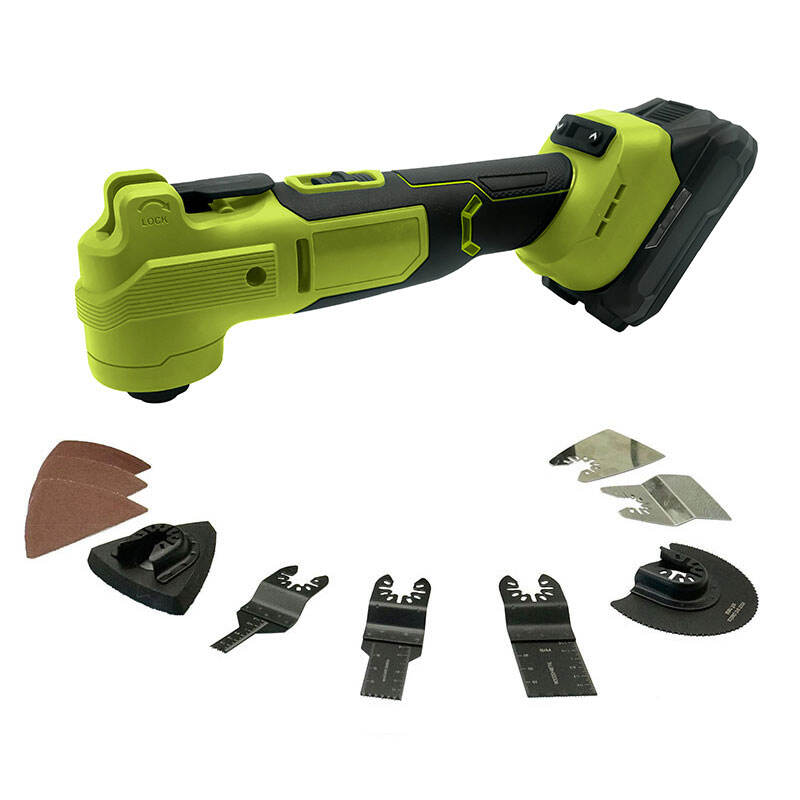
Extended combo kits may include specialty power tools such as oscillating multi-tools, angle grinders, or work lights that expand operational capabilities without requiring separate battery investments. Some manufacturers offer expandable systems where users can add individual tools to existing battery platforms, allowing gradual collection growth based on evolving needs and budget availability. These flexible purchasing options help users optimize their power tools investments while avoiding unnecessary duplication of batteries and chargers.
Maintenance and Longevity Factors
Preventive Maintenance Procedures
Regular cleaning and lubrication extend power tools operational lifespans while maintaining optimal performance characteristics. Dust and debris accumulation can clog air vents, interfere with moving parts, and cause premature wear of internal components. Compressed air cleaning, combined with appropriate lubricants for gears and bearings, helps prevent costly repairs and unexpected failures during critical projects.
Battery maintenance practices significantly impact overall system longevity and performance reliability. Proper storage temperatures, regular charging cycles, and avoiding complete discharge help preserve battery capacity over extended periods. Some power tools include battery conditioning modes that optimize cell performance through controlled charging and discharging sequences designed to maintain peak capacity.
Repair Services and Parts Availability
Manufacturer service networks and authorized repair centers provide professional maintenance and repair services for power tools under warranty and beyond. Access to genuine replacement parts, technical documentation, and trained technicians helps ensure proper repairs that maintain original performance specifications and safety standards. Some manufacturers offer tool trade-in programs that provide discounts on new purchases when older units reach end-of-life status.
Third-party repair services may offer cost advantages for older power tools no longer covered under manufacturer warranties. However, generic replacement parts and unofficial repair procedures could compromise safety features and performance characteristics. Users should weigh repair costs against replacement expenses when making decisions about aging tool maintenance and upgrades.
Frequently Asked Questions
What factors should I consider when choosing between corded and cordless power tools
Corded power tools provide unlimited runtime and consistent power output, making them ideal for extended use sessions and high-demand applications. However, cord limitations restrict mobility and require access to electrical outlets. Cordless models offer superior portability and convenience but require battery management and may experience power reduction as batteries discharge. Consider your typical work environment, project duration, and power requirements when making this decision.
How do I determine the appropriate voltage rating for my power tool needs
Lower voltage systems (12V-18V) suit light-duty applications like assembly work, cabinet installation, and precision drilling tasks. Mid-range voltages (18V-20V) handle most general construction and maintenance activities effectively. Higher voltage platforms (36V-40V) provide maximum power for demanding applications such as concrete drilling, heavy timber cutting, and professional construction work. Match voltage selection to your typical task requirements and consider future expansion needs.
What maintenance schedule should I follow to maximize power tool lifespan
Perform basic cleaning after each use session, removing dust and debris from air vents, chucks, and moving parts. Lubricate gears and bearings according to manufacturer specifications, typically every 50-100 hours of operation. Store batteries at room temperature with partial charge levels, and cycle them monthly if not used regularly. Annual professional inspection helps identify potential issues before they cause failures or safety hazards.
How can I evaluate the total cost of ownership for different power tool options
Calculate initial purchase price plus estimated battery replacement costs, maintenance expenses, and potential repair fees over your expected ownership period. Factor in productivity benefits from improved performance and reduced downtime when comparing budget versus premium options. Consider warranty coverage, parts availability, and manufacturer support quality as components of long-term value. Professional users should also evaluate how tool reliability impacts project completion schedules and client satisfaction.
Table of Contents
- Essential Power Tool Categories for Different Applications
- Battery Technology and Power Management Systems
- Motor Technologies and Performance Characteristics
- Ergonomics and User Comfort Features
- Safety Features and Protection Systems
- Price Analysis and Value Considerations
- Maintenance and Longevity Factors
-
Frequently Asked Questions
- What factors should I consider when choosing between corded and cordless power tools
- How do I determine the appropriate voltage rating for my power tool needs
- What maintenance schedule should I follow to maximize power tool lifespan
- How can I evaluate the total cost of ownership for different power tool options
