 EN
EN

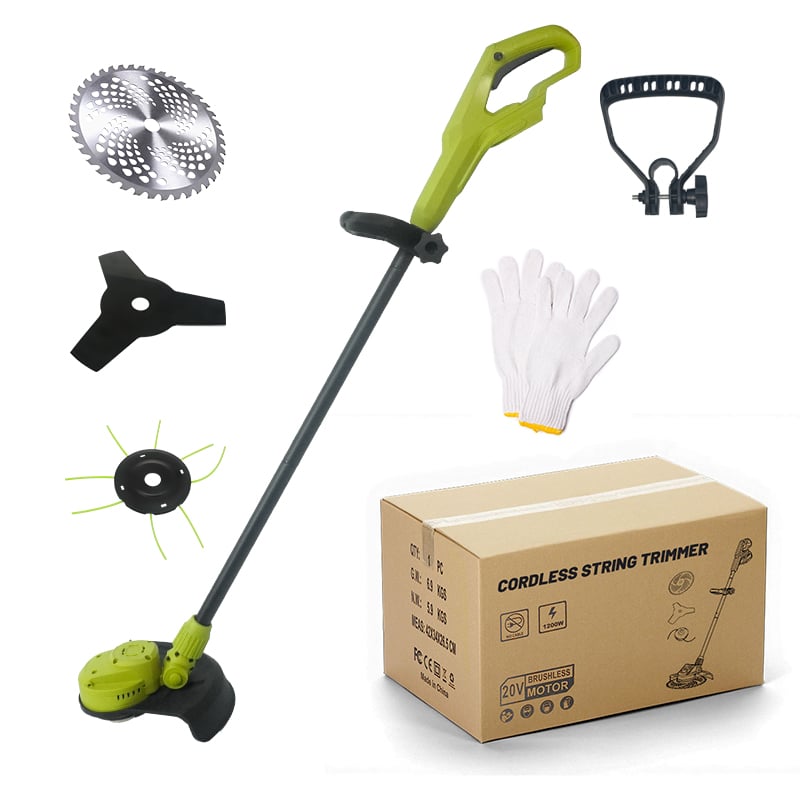
Choosing between an electric and gas brush cutter can significantly impact your landscaping efficiency, maintenance costs, and operational convenience. A brush cutter is an essential tool for professional groundskeeping, property maintenance, and agricultural work, yet the debate between electric and gas-powered models remains a critical decision point for many users. Understanding the distinct advantages and limitations of each brush cutter type helps you make an informed choice that aligns with your specific needs, budget, and work environment. This comprehensive comparison explores the practical performance metrics, cost implications, and real-world scenarios where each brush cutter excels or falls short.
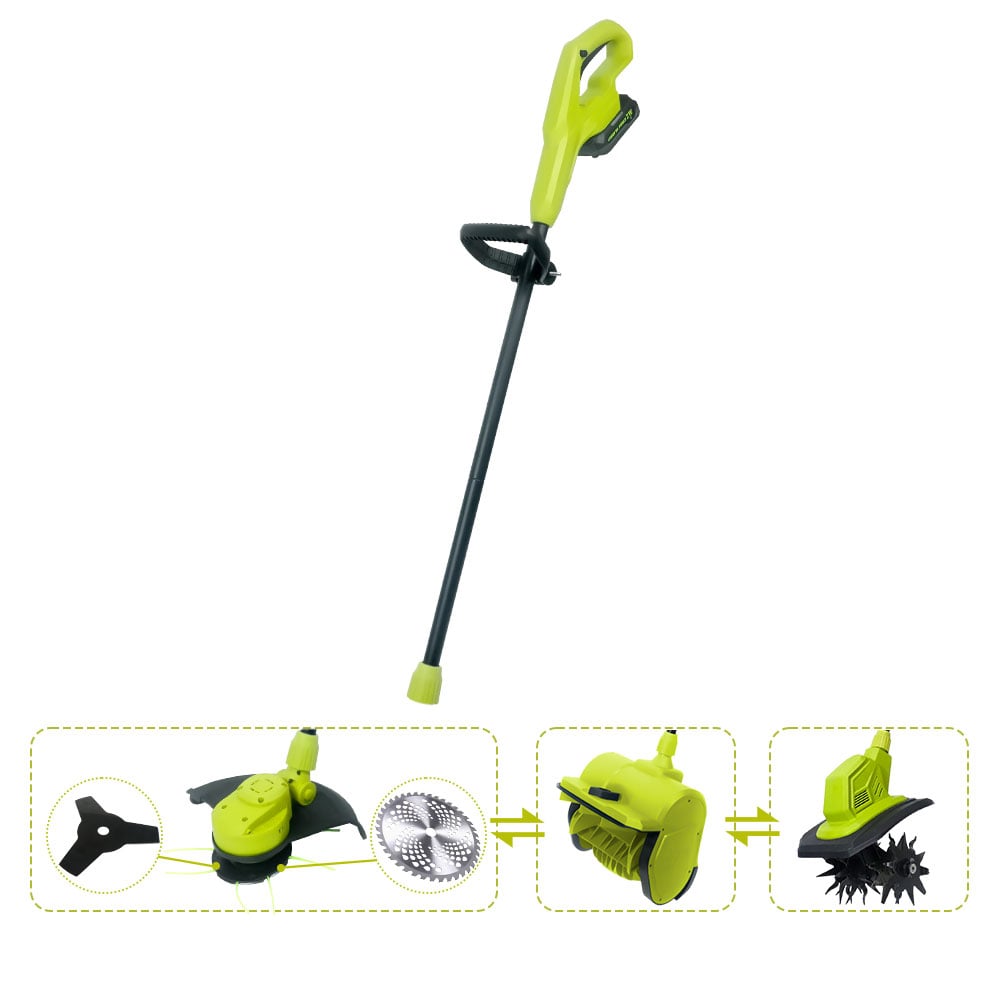
The brush cutter market has evolved dramatically over the past decade, with battery technology and motor innovation transforming what users expect from cordless electric models. Meanwhile, gas-powered brush cutter units continue to dominate heavy-duty and professional applications due to their raw power and unrestricted runtime. Selecting the ideal brush cutter requires weighing performance capabilities against environmental concerns, operator safety, regulatory compliance, and long-term ownership expenses. This guide breaks down each brush cutter category to help property managers, contractors, and homeowners identify which option delivers the best return on investment for their particular landscape maintenance profile.
Performance and Power Comparison
Power Output and Cutting Capacity
Electric brush cutter models have reached impressive power levels, with modern units delivering cutting performance that rivals entry-level gas alternatives. The brush cutter powered by electricity operates through rechargeable lithium-ion batteries that drive brushless motors, capable of reaching speeds between 6,500 and 8,500 rotations per minute depending on the model. A high-quality electric brush cutter can handle thick weeds, tall grass, and light brush effectively, making it suitable for residential properties and smaller commercial landscapes. Gas-powered brush cutter engines typically produce higher sustained torque, achieving blade speeds above 10,000 RPM and maintaining consistent power even when cutting dense or fibrous vegetation. For demanding applications such as clearing overgrown fields or working with extremely thick brush, the gas brush cutter maintains a decisive advantage in raw cutting force and sustained performance across extended work sessions.
Runtime and Fuel Considerations
Runtime represents one of the most significant practical differences between electric and gas brush cutter categories. A typical electric brush cutter equipped with a standard battery provides 30 to 60 minutes of continuous operation before requiring a recharge, though premium models with extended battery packs can reach 90 minutes or longer. Gas brush cutter units operate until fuel runs out, offering virtually unlimited runtime provided fuel supply is available, though a single tank typically lasts between 60 and 120 minutes depending on engine size and workload intensity. For maintenance contractors handling multiple properties throughout a single day, the gas brush cutter eliminates downtime associated with battery recharging, whereas electric brush cutter users must plan around charging cycles or invest in multiple battery systems. However, electric brush cutter batteries can be charged overnight, making them practical for residential users who work in shorter sessions.
Cost Analysis and Maintenance
Initial Purchase and Operating Costs
The electric brush cutter typically carries a lower upfront purchase price compared to comparable gas models, with quality cordless brush cutter units ranging from $200 to $600 depending on brand and battery capacity. A gas-powered brush cutter usually costs between $400 and $1,200 for professional-grade equipment, reflecting the more complex engine design and manufacturing requirements. Over the machine's lifetime, operating cost differences become more pronounced—an electric brush cutter requires only electricity for charging, while a gas brush cutter demands regular fuel purchases, adding $10 to $30 monthly in typical residential use. The electric brush cutter eliminates fuel storage requirements and reduces environmental exposure to gasoline vapors, whereas gas brush cutter owners must manage fuel quality, prevent fuel degradation, and comply with storage regulations. When calculating true ownership cost, the efficient electric brush cutter often demonstrates superior cost-effectiveness for residential and light commercial applications, though professional contractors may find gas brush cutter economics more favorable due to superior runtime and productivity gains.
Maintenance and Reliability
An electric brush cutter requires minimal maintenance, typically limited to blade sharpening, occasional battery cleaning, and housing inspection. Battery replacement on a brush cutter may eventually be necessary after 300 to 500 charging cycles, representing a significant but infrequent expense. Gas brush cutter maintenance demands considerably more attention, including regular spark plug replacement, air filter cleaning, carburetor adjustment, and seasonal fuel system treatment to prevent deposits and corrosion. A brush cutter with gas power requires annual pre-season tune-ups and winterization procedures to ensure reliable starting and consistent performance, adding labor costs and mechanical complexity. The electric brush cutter eliminates engine-related complications such as starting difficulties, carbon buildup, or fuel quality issues, making it substantially more reliable and user-friendly for operators with limited mechanical expertise. However, professional operators managing large fleets may prefer gas brush cutter equipment due to familiarity with established maintenance routines and availability of repair infrastructure in most communities.
Environmental and Operational Considerations
Emissions and Environmental Impact
An electric brush cutter produces zero direct emissions, making it an environmentally responsible choice for communities with air quality concerns or regulatory emission standards. The brush cutter powered by electricity eliminates outdoor air pollution from small-engine exhaust, reducing operator exposure to harmful fumes and protecting surrounding wildlife habitats. Gas-powered brush cutter engines emit nitrogen oxides, particulate matter, and volatile organic compounds that contribute to ground-level ozone formation and respiratory health problems. A typical brush cutter using gasoline produces emissions equivalent to several modern automobiles operating for the same duration, highlighting the environmental cost of gas-powered landscaping tools. For municipalities, school districts, and environmentally conscious property managers, an electric brush cutter aligns with sustainability goals and carbon reduction initiatives. Regulatory trends increasingly restrict or ban gas-powered equipment in certain regions, making the electric brush cutter a future-proof investment for users in jurisdictions considering emission controls.
Noise and User Experience
The electric brush cutter operates at approximately 60 to 75 decibels, roughly equivalent to a conversation at normal volume, allowing early morning or evening use without disturbing neighbors or residential communities. A gas brush cutter typically produces 85 to 105 decibels depending on muffler design and engine size, requiring hearing protection and limiting operation times in noise-sensitive areas. Operator fatigue decreases significantly with a brush cutter using electric motors due to reduced vibration, lighter overall weight typically between 4 and 7 pounds, and the absence of engine-related shaking during operation. Gas brush cutter equipment generally weighs between 6 and 12 pounds and produces considerably more vibration, potentially contributing to repetitive strain injury and operator fatigue during extended use. The quieter and lighter electric brush cutter makes it particularly attractive for residential users, facilities requiring noise restrictions, and operators concerned about long-term health impacts from vibration exposure. This operational advantage often justifies the brush cutter investment for users prioritizing comfort and community compatibility over maximum cutting power.
FAQ
Which brush cutter is better for residential property maintenance?
The electric brush cutter is typically superior for residential applications because it offers quieter operation, lower maintenance requirements, minimal emissions, and reduced upfront costs. A residential brush cutter user benefits from the electric model's ability to charge between use sessions and its compatibility with existing battery ecosystems common in modern residential tool collections. Unless your residential property exceeds two acres or features extremely dense brush requiring professional-grade equipment, the electric brush cutter delivers excellent value and performance for typical homeowner needs.
Can a brush cutter powered by gas handle commercial landscaping contracts?
Yes, a gas-powered brush cutter remains the preferred choice for commercial landscaping companies managing multiple properties daily because of its unlimited runtime and superior power output. The brush cutter using gas fuel allows contractors to complete jobs without battery recharge delays, increasing productivity and reducing equipment costs associated with purchasing multiple battery systems. Professional crews often prefer the gas brush cutter for heavy-duty applications, though many forward-thinking contractors now integrate electric brush cutter models into their fleets for noise-sensitive areas and tasks suitable for cordless operation.
How does battery technology affect electric brush cutter performance?
Modern lithium-ion battery technology has dramatically improved the electric brush cutter's practicality by providing reliable power delivery, faster charging times, and extended runtime compared to older nickel-cadmium batteries. A contemporary brush cutter equipped with advanced batteries maintains consistent cutting speed throughout the charge cycle, whereas older battery technologies experienced voltage drop during use. Investing in a brush cutter with premium battery technology ensures better performance consistency and longer tool lifespan, making battery quality an important factor when evaluating electric brush cutter options for your specific needs.
