 EN
EN

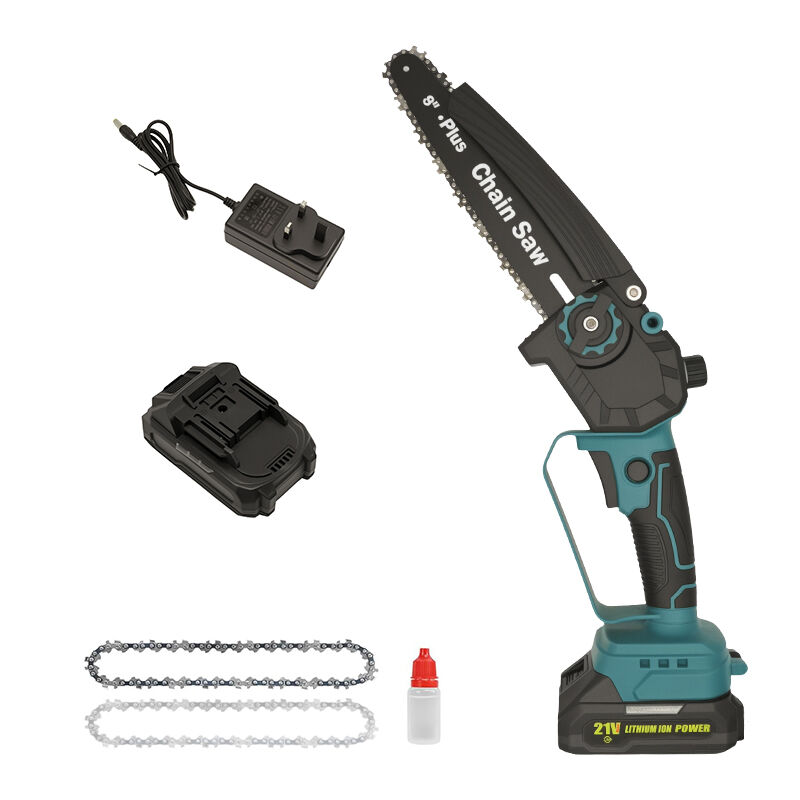
Professional chainsaws have become indispensable tools for arborists, landscapers, and property maintenance professionals worldwide. The evolution of chainsaw technology has revolutionized how we approach tree care, lumber processing, and outdoor maintenance tasks. Modern chainsaw designs incorporate advanced engineering principles that deliver superior cutting performance while maintaining operator safety standards. Understanding the intricate details of chainsaw specifications, performance metrics, and pricing structures enables informed purchasing decisions for both commercial and residential applications. The contemporary chainsaw market offers an extensive range of options, from lightweight battery-powered models to heavy-duty professional-grade equipment designed for demanding industrial environments.
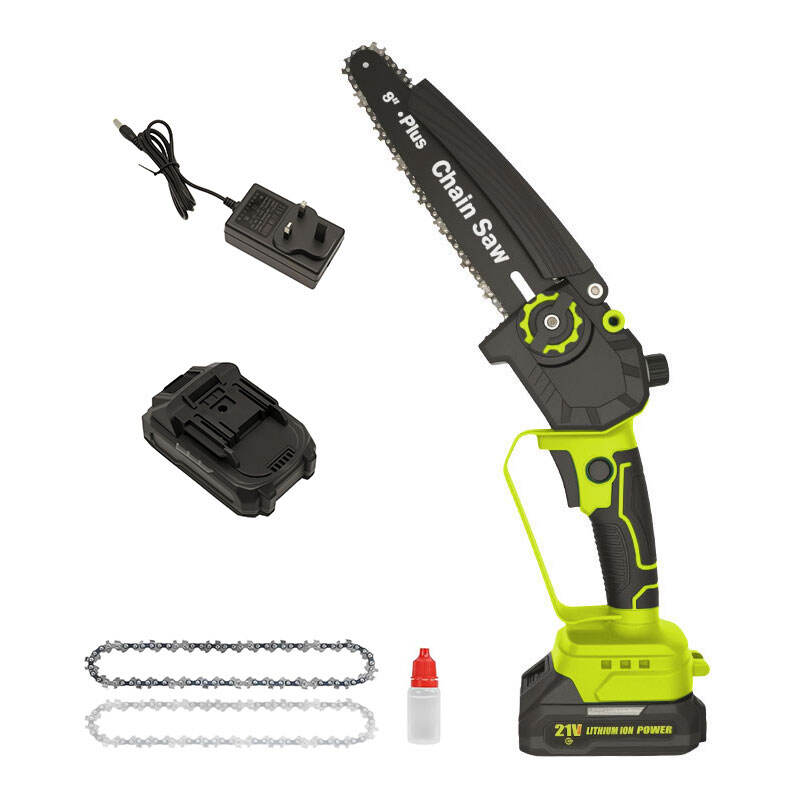
Essential Chainsaw Performance Characteristics
Engine Power and Displacement Specifications
The fundamental performance foundation of any chainsaw relies heavily on its engine displacement and power output capabilities. Professional-grade chainsaw engines typically range from 35cc to 120cc, with larger displacement engines delivering increased cutting power for demanding applications. Two-stroke engines remain the industry standard due to their exceptional power-to-weight ratio and simplified maintenance requirements. Modern chainsaw engines incorporate advanced carburetor systems that automatically adjust fuel mixture ratios based on operating conditions, ensuring optimal performance across varying altitudes and temperatures. Understanding engine specifications allows operators to select the appropriate chainsaw for specific cutting tasks and environmental conditions.
Contemporary chainsaw manufacturers have invested substantially in engine efficiency improvements, resulting in reduced fuel consumption and lower emissions output. Advanced engine technologies include stratified charging systems that enhance combustion efficiency while minimizing environmental impact. Professional chainsaw operators recognize that engine displacement directly correlates with cutting capacity, making proper sizing critical for productivity optimization. The relationship between engine power and bar length determines overall cutting effectiveness, with manufacturers providing specific recommendations for optimal performance combinations. Regular engine maintenance, including proper fuel mixture ratios and air filter cleaning, ensures consistent performance throughout the chainsaw operational lifespan.
Cutting Bar and Chain Configuration Options
The cutting bar and chain combination represents the primary cutting mechanism of any chainsaw system, directly influencing cutting speed, precision, and overall performance. Professional chainsaw bars are manufactured from high-strength steel alloys that resist bending and maintain straightness under extreme cutting loads. Bar lengths typically range from 12 inches for light-duty applications to 36 inches for heavy-duty professional forestry work. The nose sprocket design affects chain rotation smoothness and cutting efficiency, with replaceable sprockets offering long-term maintenance advantages. Understanding bar specifications enables operators to select appropriate configurations for specific cutting requirements and operational environments.
Chain selection significantly impacts cutting performance, with various tooth configurations designed for specific cutting applications and wood types. Full-chisel chains provide aggressive cutting action ideal for clean, dry wood, while semi-chisel chains offer versatility across different wood conditions and require less frequent sharpening. Chain pitch measurements, typically ranging from .325 inches to .404 inches, must match both the bar and drive sprocket specifications for proper fitment and performance. Professional chainsaw operators maintain multiple chain sets with different configurations to optimize cutting performance for various applications. Proper chain tensioning and regular sharpening maintain optimal cutting efficiency and extend operational lifespan significantly.
Advanced Safety Features and Ergonomic Design
Anti-Vibration Technology Implementation
Modern chainsaw designs incorporate sophisticated anti-vibration systems that significantly reduce operator fatigue during extended cutting sessions. Professional-grade chainsaws utilize multiple isolation points between the engine assembly and handle system to minimize vibration transmission. Advanced rubber dampening systems absorb engine vibrations before they reach operator contact points, enhancing comfort and reducing the risk of vibration-related health issues. The implementation of anti-vibration technology allows operators to maintain precise control during cutting operations while minimizing hand and arm fatigue. Understanding vibration control mechanisms helps operators select chainsaws that prioritize long-term operational comfort and health considerations.
Contemporary anti-vibration systems employ spring-loaded isolation mounts that effectively separate the powerhead from the handle assembly. These systems undergo rigorous testing to ensure compliance with international vibration exposure standards and occupational health regulations. Professional chainsaw operators recognize that reduced vibration levels directly correlate with improved cutting precision and operator endurance. The effectiveness of anti-vibration systems varies significantly between manufacturers and model categories, making comparative evaluation essential for informed purchasing decisions. Regular maintenance of anti-vibration components ensures continued effectiveness throughout the chainsaw operational lifespan.
Emergency Safety System Integration
Professional chainsaws incorporate multiple emergency safety systems designed to protect operators during unexpected cutting situations and equipment malfunctions. Chain brake mechanisms automatically engage during kickback events, stopping chain rotation within milliseconds to prevent serious injuries. Throttle lockout systems prevent accidental acceleration, requiring deliberate operator input to engage cutting functions. Emergency stop switches provide immediate engine shutdown capability during critical situations or equipment malfunctions. Understanding safety system operation and regular functionality testing ensures optimal protection during chainsaw operations.
Advanced safety features include automatic chain tensioning systems that maintain optimal chain tension throughout cutting operations, reducing the risk of chain derailment or binding. Protective guards and shields minimize operator exposure to moving components and cutting debris. Professional chainsaw models often include additional safety features such as heated handles for cold weather operation and improved visibility cutting windows. Regular safety system inspection and maintenance ensures continued reliability and operator protection throughout the equipment operational lifespan.
Comprehensive Price Analysis and Value Assessment
Professional Grade Pricing Structure
The professional chainsaw market encompasses a broad pricing spectrum, with entry-level models starting around $200 and premium professional units exceeding $1,500. Price differentiation reflects significant variations in build quality, performance capabilities, and included features. Professional-grade chainsaws typically incorporate superior materials, advanced engineering, and comprehensive warranty coverage that justify higher initial investment costs. Commercial operators recognize that higher-quality chainsaws deliver improved reliability, reduced maintenance requirements, and extended operational lifespans that provide superior long-term value. Understanding pricing structures enables informed decision-making based on specific application requirements and budget considerations.
Mid-range professional chainsaws, priced between $400-800, offer excellent performance capabilities for most commercial applications while maintaining reasonable acquisition costs. These models typically feature quality construction, reliable performance, and adequate warranty coverage for professional use. Premium chainsaw models command higher prices due to advanced features, superior materials, and enhanced performance capabilities designed for demanding professional applications. Professional operators often justify premium pricing through increased productivity, reduced downtime, and lower long-term operating costs. Comprehensive price analysis should consider total ownership costs, including maintenance, replacement parts, and operational efficiency factors.
Cost-Benefit Analysis for Different Applications
Selecting the appropriate chainsaw requires careful analysis of application requirements, usage frequency, and performance expectations relative to acquisition costs. Light-duty residential applications may not justify premium chainsaw investments, while commercial operations benefit significantly from higher-quality equipment. Professional tree service companies typically require multiple chainsaw configurations to handle diverse cutting requirements efficiently. The relationship between chainsaw cost and operational productivity becomes particularly important for commercial applications where equipment downtime directly impacts profitability. Understanding application-specific requirements enables optimal chainsaw selection that balances performance capabilities with cost considerations.
Long-term cost analysis should include factors such as fuel consumption, maintenance requirements, replacement part availability, and resale value considerations. Premium chainsaw models often demonstrate superior fuel efficiency that reduces operational costs over extended periods. Professional chainsaw operators recognize that initial purchase price represents only one component of total ownership costs, with maintenance, repairs, and replacement parts contributing significantly to long-term expenses. Comprehensive cost-benefit analysis enables informed purchasing decisions that optimize both short-term acquisition costs and long-term operational value.
Technical Specifications and Performance Metrics
Engine Technology and Fuel Efficiency
Modern chainsaw engines incorporate advanced technologies that enhance performance while reducing environmental impact and operational costs. Stratified charging systems improve combustion efficiency by creating distinct fuel and air layers within the combustion chamber. Electronic ignition systems provide consistent spark timing across varying operating conditions, ensuring reliable starting and optimal engine performance. Advanced carburetor designs automatically compensate for altitude and temperature variations, maintaining consistent performance in diverse environmental conditions. Understanding engine technology enables operators to select chainsaws that deliver optimal performance for specific applications and operating environments.
Fuel efficiency improvements in contemporary chainsaw designs result from advanced engine management systems and improved combustion chamber designs. Low-emission engines meet increasingly stringent environmental regulations while maintaining professional performance standards. Professional chainsaw operators benefit from reduced fuel consumption through improved engine efficiency and reduced operational costs. Advanced engine technologies include automatic decompression systems that facilitate easier starting and reduced operator fatigue. Regular engine maintenance, including proper fuel mixture ratios and air filter cleaning, ensures optimal performance and extends engine operational lifespan significantly.
Cutting Performance and Productivity Metrics
Chainsaw cutting performance depends on multiple factors including engine power, chain speed, bar length, and chain configuration. Professional models typically achieve chain speeds exceeding 60 feet per second, enabling rapid cutting through various wood types and sizes. Cutting capacity measurements indicate the maximum diameter material that can be efficiently processed with specific chainsaw configurations. Professional operators recognize that cutting speed directly correlates with productivity in commercial applications, making performance optimization critical for operational success. Understanding performance metrics enables operators to select chainsaws that deliver optimal cutting efficiency for specific applications.
Advanced performance features include automatic chain lubrication systems that ensure consistent bar and chain lubrication during cutting operations. Variable speed triggers provide precise cutting control for detailed work and improved operator safety. Professional chainsaw models often include performance monitoring systems that indicate maintenance requirements and operational status. Cutting performance optimization requires proper chain sharpening, appropriate chain tension, and regular maintenance of all cutting components. Professional operators maintain detailed performance records to optimize cutting efficiency and identify maintenance requirements proactively.
Maintenance Requirements and Service Considerations
Routine Maintenance Protocols
Professional chainsaw maintenance requires systematic attention to multiple components including engine, cutting system, and safety features. Daily pre-operation inspections should include chain tension verification, bar groove cleaning, and fuel system checks. Regular air filter cleaning or replacement ensures optimal engine performance and prevents premature wear. Chain sharpening schedules depend on usage frequency and cutting conditions, with professional operators typically sharpening chains after every 2-3 hours of cutting time. Understanding maintenance requirements enables operators to maximize chainsaw performance and operational lifespan while minimizing unexpected downtime.
Long-term maintenance includes periodic carburetor adjustments, spark plug replacement, and comprehensive engine servicing. Professional chainsaw operators maintain detailed maintenance logs to track service intervals and identify potential issues before they result in equipment failure. Replacement part availability and service network accessibility significantly influence long-term ownership satisfaction and operational reliability. Quality maintenance tools and proper techniques ensure effective servicing and optimal chainsaw performance throughout the operational lifespan. Professional maintenance training enhances operator capabilities and reduces dependency on external service providers for routine maintenance tasks.
Service Network and Support Infrastructure
Comprehensive manufacturer support networks provide essential services including warranty coverage, technical support, and replacement part availability. Professional chainsaw operators require reliable access to qualified service technicians and genuine replacement parts to maintain optimal equipment performance. Service network quality varies significantly between manufacturers, influencing long-term ownership satisfaction and operational reliability. Understanding service infrastructure capabilities enables informed purchasing decisions based on long-term support requirements. Professional operators often establish relationships with local service providers to ensure rapid response for critical maintenance and repair needs.
Technical support resources include operator manuals, troubleshooting guides, and online support platforms that enhance operator knowledge and problem-solving capabilities. Professional chainsaw manufacturers typically provide comprehensive training programs for operators and service technicians. Warranty coverage terms vary significantly between manufacturers and model categories, influencing total ownership costs and risk considerations. Regular factory-authorized service ensures compliance with warranty requirements and maintains optimal equipment performance. Professional operators recognize that comprehensive service support represents a critical factor in chainsaw selection and long-term operational success.
FAQ
What factors determine the appropriate chainsaw size for professional applications
Professional chainsaw selection depends primarily on the diameter and hardness of materials being cut, with larger displacement engines required for bigger jobs. Bar length should typically be 2 inches longer than the diameter of the largest material being cut regularly. Professional operators often maintain multiple chainsaw sizes to optimize efficiency across different cutting tasks. Engine displacement recommendations range from 35-45cc for limbing and small tree work up to 70cc+ for large tree felling and lumber processing applications.
How does battery technology compare to gas-powered chainsaws for professional use
Battery-powered chainsaws offer advantages including reduced noise, zero emissions, and lower maintenance requirements, making them ideal for urban environments and indoor applications. Professional battery chainsaws provide sufficient power for most cutting tasks under 12 inches diameter but may lack the sustained power needed for heavy-duty applications. Runtime limitations require multiple battery systems for extended cutting sessions, while gas-powered units offer unlimited runtime with fuel availability. Professional operators often use battery chainsaws for precision work and gas models for heavy-duty applications.
What safety certifications should professional operators look for when purchasing chainsaws
Professional chainsaws should meet ANSI B175.1 safety standards and feature UL listing for electrical components where applicable. International operators should verify compliance with relevant regional safety standards such as CE marking for European markets. Professional models typically include chain brake systems, throttle lockouts, and anti-vibration features that exceed basic safety requirements. Regular safety training and proper personal protective equipment remain essential regardless of chainsaw safety features and certifications.
How often should professional chainsaws receive maintenance service
Professional chainsaw maintenance schedules depend on usage intensity, with daily operators requiring weekly comprehensive inspections and monthly professional servicing. Chain sharpening typically occurs every 2-3 hours of cutting time, while air filters need cleaning or replacement every 10-20 hours of operation. Annual professional servicing should include carburetor adjustment, spark plug replacement, and comprehensive safety system inspection. Operators working in dusty or demanding conditions may require more frequent maintenance intervals to ensure optimal performance and reliability.
Table of Contents
- Essential Chainsaw Performance Characteristics
- Advanced Safety Features and Ergonomic Design
- Comprehensive Price Analysis and Value Assessment
- Technical Specifications and Performance Metrics
- Maintenance Requirements and Service Considerations
-
FAQ
- What factors determine the appropriate chainsaw size for professional applications
- How does battery technology compare to gas-powered chainsaws for professional use
- What safety certifications should professional operators look for when purchasing chainsaws
- How often should professional chainsaws receive maintenance service
