 EN
EN

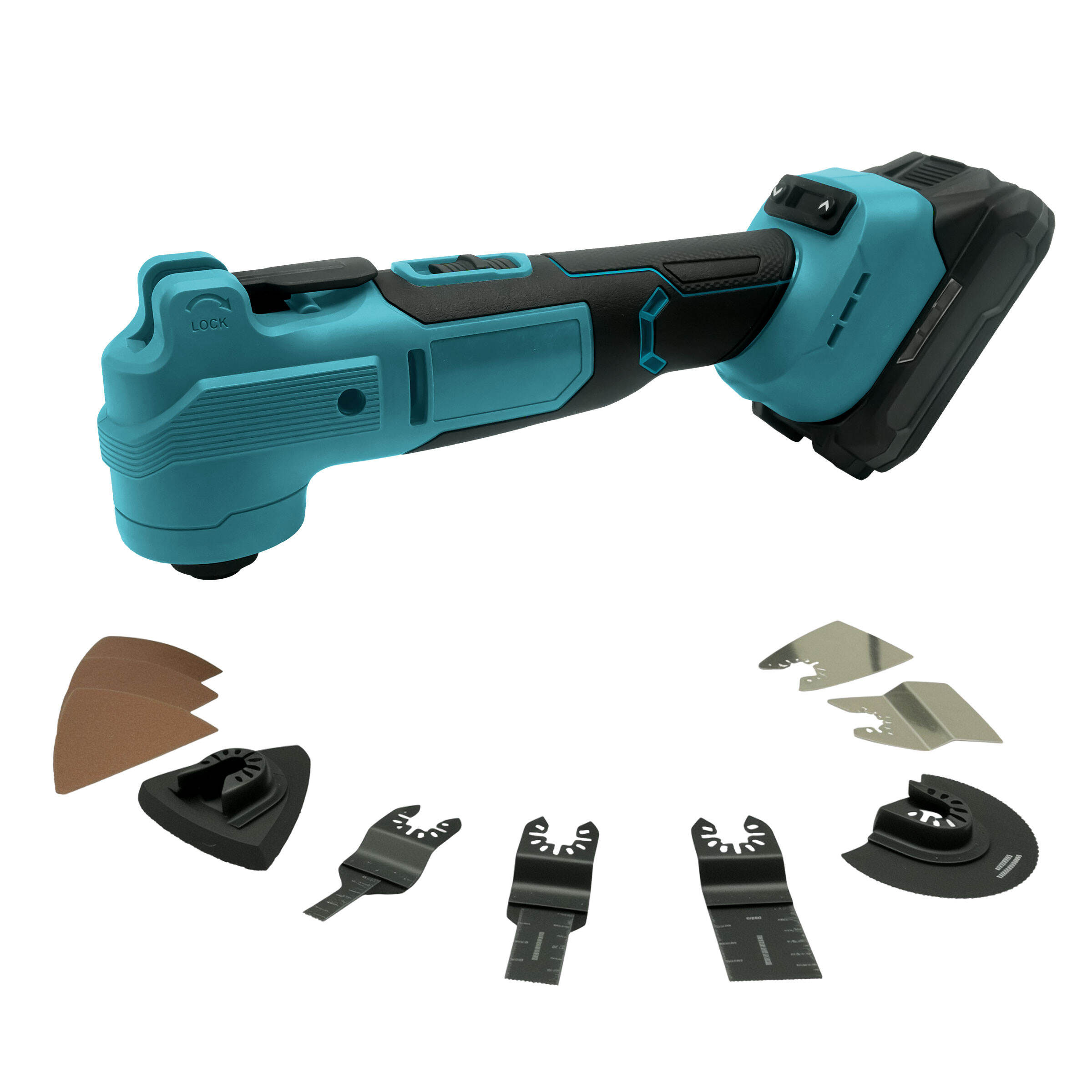
In today's demanding construction and manufacturing environments, having the right power tools can make the difference between completing projects efficiently and struggling with subpar equipment. Professional contractors, electricians, plumbers, and craftspeople rely on high-quality power tools to deliver exceptional results while maintaining productivity and safety standards. The selection of appropriate equipment directly impacts job performance, project timelines, and overall professional reputation in competitive markets.
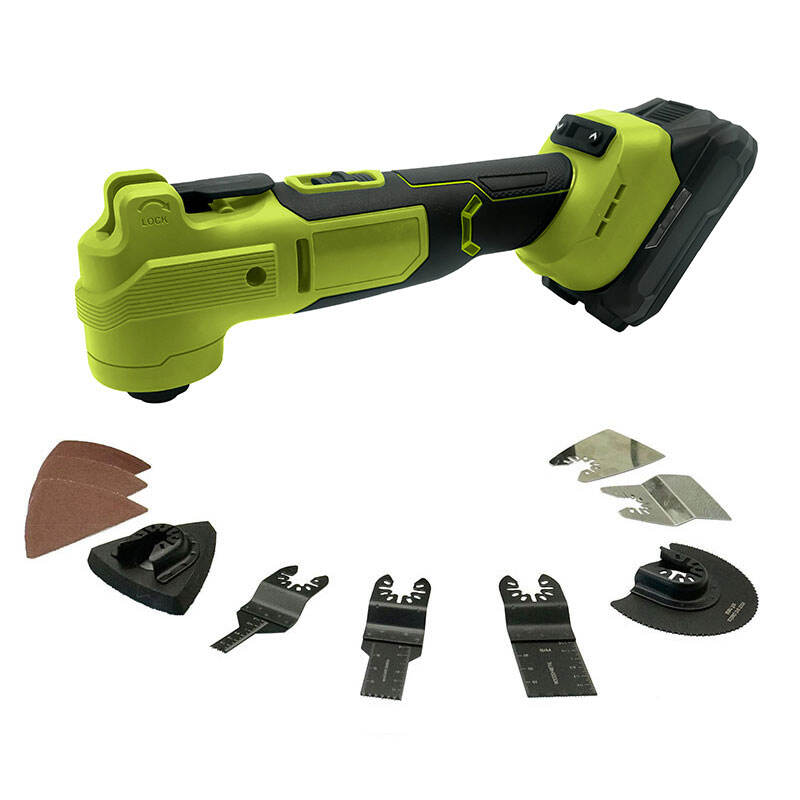
Modern power tools have evolved significantly from their predecessors, incorporating advanced battery technology, ergonomic designs, and intelligent control systems. These improvements have transformed how professionals approach their work, enabling greater precision, reduced fatigue, and enhanced safety protocols. Understanding which tools deserve investment priority helps professionals build comprehensive arsenals that support diverse project requirements while maximizing return on investment.
The construction industry continues experiencing rapid technological advancement, with smart tools, IoT connectivity, and brushless motor technology becoming standard features. Professional-grade equipment now offers longer operational life, reduced maintenance requirements, and superior performance characteristics compared to consumer-level alternatives. This evolution demands careful consideration when selecting tools that will serve demanding professional applications over extended periods.
Essential Drilling and Driving Tools
Cordless Drill Drivers
Cordless drill drivers represent the cornerstone of any professional toolkit, offering versatility for drilling holes and driving fasteners across various materials. Modern units feature brushless motors that provide extended runtime, reduced heat generation, and longer tool life compared to traditional brushed alternatives. Professional models typically offer multiple speed settings, adjustable torque control, and LED work lights for enhanced visibility in confined spaces.
Battery technology has revolutionized cordless drilling applications, with lithium-ion platforms delivering consistent power throughout discharge cycles. High-capacity battery packs enable extended operation between charges, while fast-charging systems minimize downtime during intensive projects. Professional contractors often maintain multiple battery packs to ensure continuous operation throughout demanding workdays.
Ergonomic considerations play crucial roles in drill driver selection, particularly for professionals who use these tools extensively throughout their careers. Balanced weight distribution, comfortable grip designs, and vibration reduction systems help prevent fatigue and repetitive strain injuries. Quality manufacturers invest heavily in ergonomic research to create tools that enhance user comfort during prolonged operation periods.
Impact Drivers
Impact drivers excel at driving long screws and lag bolts where standard drill drivers struggle to provide sufficient torque. The rotational hammering action generates significantly higher torque output while reducing user fatigue and wrist strain. These tools prove invaluable for deck construction, framing applications, and heavy-duty assembly projects requiring substantial fastening force.
Professional impact drivers feature variable speed triggers, multiple torque settings, and quick-change chuck systems for efficient bit changes. Advanced models incorporate electronic controls that adjust impact frequency based on application requirements, optimizing performance for different fastener types and materials. This intelligent functionality prevents over-driving screws while ensuring adequate penetration in challenging materials.
Noise reduction technologies have improved significantly in recent impact driver generations, addressing workplace comfort and hearing protection concerns. Manufacturers employ advanced dampening systems and precision engineering to minimize operational noise while maintaining peak performance characteristics. These improvements benefit both operators and surrounding personnel in noise-sensitive environments.
Cutting and Shaping Equipment
Circular Saws
Circular saws remain essential for dimensional lumber cutting, sheet material processing, and general construction applications. Professional-grade models offer powerful motors, precise bevel adjustments, and robust base plates that ensure accurate cuts throughout demanding projects. Cordless variants now match corded performance levels while providing enhanced portability and eliminating extension cord requirements in remote locations.
Blade selection significantly impacts cutting performance, with specialized blades designed for specific materials including hardwood, softwood, plywood, and composite materials. Professional contractors maintain diverse blade inventories to optimize cutting quality across different applications. Proper blade maintenance, including regular sharpening and replacement, ensures consistent performance and extends tool life.
Safety features have evolved considerably in modern circular saws, incorporating blade guards, electric brakes, and kickback protection systems. These enhancements reduce accident risks while maintaining cutting efficiency. Professional operators must understand proper technique, safety protocols, and maintenance procedures to maximize both performance and workplace safety.
Reciprocating Saws
Reciprocating saws excel at demolition work, rough cutting applications, and accessing confined spaces where other saws cannot operate effectively. The linear blade motion enables cutting in multiple orientations, making these tools invaluable for renovation projects, pipe cutting, and emergency rescue operations. Professional models feature orbital action settings that enhance cutting speed in wood materials while providing smoother operation in metal applications.
Blade variety enables reciprocating saws to tackle diverse cutting challenges, from fine woodworking to heavy-duty metal fabrication. Specialized blades incorporate different tooth configurations, blade lengths, and material compositions optimized for specific applications. Professional users benefit from maintaining comprehensive blade selections that support various project requirements without compromising cutting quality or efficiency.
Vibration control systems in premium reciprocating saws reduce operator fatigue during extended cutting sessions. Advanced dampening technologies minimize handle vibration while maintaining cutting performance, enabling professionals to work longer periods without experiencing excessive hand and arm fatigue. These ergonomic improvements contribute significantly to overall productivity and workplace comfort.
Fastening and Assembly Tools
Nail Guns
Pneumatic and cordless nail guns revolutionize fastening efficiency across framing, finish carpentry, and general construction applications. These tools eliminate manual hammering requirements while providing consistent nail placement and driving depth. Professional models offer adjustable depth settings, sequential and contact firing modes, and jam-clearing mechanisms that minimize downtime during intensive fastening operations.
Nail gun selection depends heavily on specific application requirements, with framing nailers handling dimensional lumber assembly while finish nailers excel at trim installation and cabinet work. Brad nailers provide precision for delicate applications, while roofing nailers incorporate specialized features for shingle installation. Understanding these distinctions helps professionals select appropriate tools for specific project phases.
Safety considerations remain paramount when operating nail guns, as improper use can result in serious injuries. Professional operators must understand proper handling techniques, safety equipment requirements, and maintenance procedures. Regular safety training and adherence to manufacturer guidelines ensure safe operation while maintaining productivity standards across diverse construction environments.
Screw Guns
Dedicated screw guns optimize drywall installation and other repetitive fastening applications where precise depth control is essential. These specialized tools feature adjustable depth settings, magnetic bit holders, and high-speed motors designed for continuous operation. Professional drywall installers rely on screw guns to achieve consistent fastener placement while maintaining installation speed requirements.
Cordless screw guns have largely replaced corded alternatives in most professional applications, offering enhanced mobility without compromising performance. Modern battery technology provides sufficient runtime for full workday operation, while brushless motors extend tool life and reduce maintenance requirements. These improvements have made cordless screw guns the preferred choice among professional contractors.
Ergonomic design considerations become critical for tools used in repetitive applications, as screw guns often see continuous operation throughout project phases. Balanced weight distribution, comfortable grip configurations, and reduced vibration systems help prevent operator fatigue and repetitive strain injuries. Quality manufacturers prioritize ergonomic research to create tools that support professional use patterns without compromising user health.
Measurement and Layout Tools
Laser Levels
Laser levels have transformed layout accuracy and efficiency across construction applications, providing precise reference lines for installation work, surveying, and general construction tasks. Self-leveling models automatically establish accurate horizontal and vertical references, eliminating manual adjustment requirements while ensuring consistent accuracy. Professional-grade units offer extended range capabilities, multiple laser line configurations, and robust construction suitable for demanding job site conditions.
Modern laser levels incorporate advanced features including remote operation, smartphone connectivity, and digital displays that enhance operational efficiency. These technological improvements enable single-operator setup procedures while maintaining precision requirements. Professional contractors benefit from these enhancements through reduced labor requirements and improved project accuracy across diverse applications.
Durability considerations prove essential for laser levels used in construction environments, where dust, moisture, and physical impact represent constant challenges. Professional models feature sealed housings, shock-absorbing designs, and weather-resistant construction that ensures reliable operation under adverse conditions. Proper storage, maintenance, and calibration procedures extend tool life while maintaining accuracy specifications.
Digital Calipers and Measuring Tools
Precision measurement tools enable accurate fabrication and quality control across manufacturing and construction applications. Digital calipers provide precise internal, external, and depth measurements with electronic displays that eliminate reading errors common with traditional measurement methods. Professional models offer data output capabilities, multiple measurement units, and enhanced accuracy specifications required for critical applications.
Advanced measuring tools incorporate features including memory functions, statistical analysis capabilities, and wireless data transmission that streamline quality control procedures. These technological improvements enable comprehensive measurement documentation while reducing manual recording requirements. Professional applications benefit from these enhancements through improved accuracy tracking and enhanced quality assurance protocols.
Calibration and maintenance procedures ensure measurement tool accuracy throughout their operational life. Professional users must understand proper calibration techniques, storage requirements, and maintenance schedules that preserve measurement precision. Regular calibration verification against certified standards maintains accuracy while identifying tools requiring professional calibration services.
Grinding and Finishing Equipment
Angle Grinders
Angle grinders provide versatile cutting, grinding, and polishing capabilities across metalworking, masonry, and general fabrication applications. Professional models feature powerful motors, robust gear cases, and advanced safety systems that ensure reliable operation under demanding conditions. Variable speed controls enable optimization for different abrasive types and materials while extending consumable life.
Disc selection significantly impacts grinding performance and safety, with specialized abrasives designed for specific materials and applications. Cutting discs, grinding wheels, and polishing pads incorporate different abrasive compositions and bonding systems optimized for particular tasks. Professional operators must understand proper disc selection, mounting procedures, and safety requirements to achieve optimal results while maintaining workplace safety.
Dust collection and personal protective equipment become critical considerations when operating angle grinders, particularly in enclosed environments. Proper ventilation, respiratory protection, and eye protection prevent health hazards associated with airborne particles generated during grinding operations. Professional operators must implement comprehensive safety protocols that address these exposure risks while maintaining operational efficiency.
Sanders
Power sanders optimize surface preparation and finishing across woodworking, automotive, and general refinishing applications. Different sander types including orbital, belt, and detail sanders address specific surface preparation requirements while providing consistent results. Professional models feature dust collection systems, variable speed controls, and ergonomic designs that enhance operator comfort during extended finishing operations.
Abrasive selection influences sanding performance and surface quality, with different grit sizes and backing materials designed for specific applications. Progressive grit sequences enable efficient material removal while achieving desired surface finishes. Professional finishers understand proper abrasive progression techniques that optimize efficiency while preventing surface damage or excessive material removal.
Dust management systems integrated into modern sanders improve workplace air quality while enhancing surface finish quality. Effective dust collection prevents abrasive loading while reducing airborne particle concentrations that can compromise respiratory health. Professional operations benefit from comprehensive dust management systems that maintain clean work environments while optimizing finishing results.
Specialized Professional Applications
Demolition Hammers
Demolition hammers tackle heavy-duty breaking and chiseling applications where standard power tools lack sufficient impact force. These specialized tools incorporate powerful pneumatic or electric systems that deliver high-energy impacts capable of breaking concrete, masonry, and other challenging materials. Professional models feature anti-vibration systems, dust management capabilities, and robust construction designed for continuous heavy-duty operation.
Chisel selection enables demolition hammers to address diverse breaking applications, from precision concrete removal to general demolition work. Specialized chisels incorporate different tip configurations, lengths, and hardness specifications optimized for particular materials and applications. Professional operators maintain diverse chisel inventories that support various project requirements while ensuring optimal breaking efficiency.
Operator protection becomes paramount when using demolition hammers, as the high-impact nature generates significant noise, vibration, and airborne debris. Comprehensive personal protective equipment including hearing protection, safety glasses, and respiratory equipment prevents exposure-related health issues. Professional demolition crews implement strict safety protocols that address these hazards while maintaining operational productivity.
Heat Guns
Heat guns provide controlled thermal applications including paint removal, plastic welding, and heat shrink installation across diverse professional applications. Variable temperature controls enable optimization for different materials and processes while preventing thermal damage. Professional models feature multiple airflow settings, precision nozzles, and overload protection systems that ensure reliable operation during demanding thermal applications.
Nozzle selection significantly impacts heat gun performance and application versatility, with specialized attachments designed for specific tasks including surface heating, focused heating, and deflected airflow patterns. Professional users benefit from comprehensive nozzle sets that support diverse thermal applications without requiring multiple heat gun units. Proper nozzle selection optimizes heating efficiency while preventing material damage.
Safety considerations remain critical when operating heat guns, as high temperatures and airflow can create fire hazards and burn risks. Professional operators must understand proper handling techniques, workspace preparation, and emergency procedures. Fire safety equipment, ventilation requirements, and material compatibility assessments ensure safe operation while maintaining thermal application effectiveness.
Maintenance and Care Strategies
Preventive Maintenance Protocols
Regular maintenance procedures extend tool life while maintaining peak performance characteristics throughout professional use cycles. Preventive maintenance includes cleaning, lubrication, inspection, and component replacement according to manufacturer specifications. Professional contractors implement systematic maintenance schedules that optimize tool reliability while minimizing unexpected downtime during critical project phases.
Battery maintenance becomes particularly important for cordless tool platforms, as proper charging, storage, and cycling procedures significantly impact battery life and performance. Professional users benefit from understanding battery chemistry, charging protocols, and storage requirements that maximize battery investment returns. Proper battery management practices can double or triple battery service life while maintaining consistent power delivery.
Documentation and tracking systems help professional operations monitor tool performance, maintenance schedules, and replacement requirements. Comprehensive records enable predictive maintenance planning while identifying tools requiring attention before failure occurs. These systems optimize maintenance efficiency while reducing unexpected equipment failures that can disrupt project schedules.
Storage and Organization
Proper tool storage protects equipment investments while maintaining organization systems that enhance operational efficiency. Climate-controlled storage prevents corrosion and moisture damage while organized systems enable quick tool location and inventory management. Professional contractors invest in quality storage solutions that protect tool investments while supporting efficient workflow patterns.
Tool organization systems including foam inserts, shadow boards, and mobile storage units optimize tool access while preventing loss or damage during transport. Systematic organization reduces time spent locating tools while ensuring complete tool inventories for specific project requirements. These systems prove particularly valuable for mobile operations where efficient packing and unpacking procedures impact overall productivity.
Security considerations become important for valuable tool collections, particularly in construction environments where theft represents significant risks. Professional operations implement comprehensive security measures including locked storage, inventory tracking, and insurance coverage that protects tool investments. These measures ensure tool availability while managing financial risks associated with equipment loss.
FAQ
What factors should professionals consider when selecting power tools for their arsenal
Professional tool selection requires careful evaluation of application requirements, frequency of use, and long-term operational costs. Consider the specific materials and tasks encountered in your work, as different tools excel in particular applications. Battery platform compatibility enables cost-effective expansion while ensuring consistent performance across tool types. Ergonomic factors become critical for tools used extensively, as comfort directly impacts productivity and long-term health. Professional-grade tools typically offer superior durability, warranty coverage, and service support compared to consumer alternatives, justifying higher initial investments through extended operational life and reliability.
How do cordless power tools compare to corded alternatives in professional applications
Modern cordless tools have largely achieved performance parity with corded alternatives while offering significant mobility advantages. Battery technology improvements provide extended runtime and consistent power delivery throughout discharge cycles, eliminating many traditional limitations. Cordless tools excel in remote locations, confined spaces, and applications requiring frequent position changes. However, corded tools still offer advantages for continuous heavy-duty applications where runtime limitations could impact productivity. Professional operations often maintain both cordless and corded options to optimize tool selection based on specific application requirements and operational constraints.
What maintenance practices are essential for maximizing professional tool life and performance
Regular cleaning and lubrication according to manufacturer specifications prevent premature wear while maintaining optimal performance. Battery maintenance including proper charging cycles, storage procedures, and temperature management significantly impacts cordless tool longevity. Inspection schedules help identify wear components before failure occurs, enabling preventive replacement that avoids unexpected downtime. Professional operations benefit from systematic maintenance tracking that documents service intervals, component replacements, and performance trends. Proper storage in clean, dry environments prevents corrosion while organized systems reduce handling damage and loss risks.
How should professionals approach tool investment planning and budget allocation
Strategic tool investment planning prioritizes essential tools based on application frequency and revenue generation potential. Start with versatile core tools that address multiple applications before expanding to specialized equipment. Consider total ownership costs including initial purchase price, maintenance requirements, consumable costs, and replacement intervals. Battery platform standardization reduces long-term costs while simplifying inventory management. Professional tools typically offer superior durability and performance characteristics that justify higher initial investments through extended service life and reduced downtime. Phased acquisition strategies enable systematic arsenal building while managing cash flow requirements and ensuring tools match evolving business needs.
Table of Contents
- Essential Drilling and Driving Tools
- Cutting and Shaping Equipment
- Fastening and Assembly Tools
- Measurement and Layout Tools
- Grinding and Finishing Equipment
- Specialized Professional Applications
- Maintenance and Care Strategies
-
FAQ
- What factors should professionals consider when selecting power tools for their arsenal
- How do cordless power tools compare to corded alternatives in professional applications
- What maintenance practices are essential for maximizing professional tool life and performance
- How should professionals approach tool investment planning and budget allocation
