 EN
EN

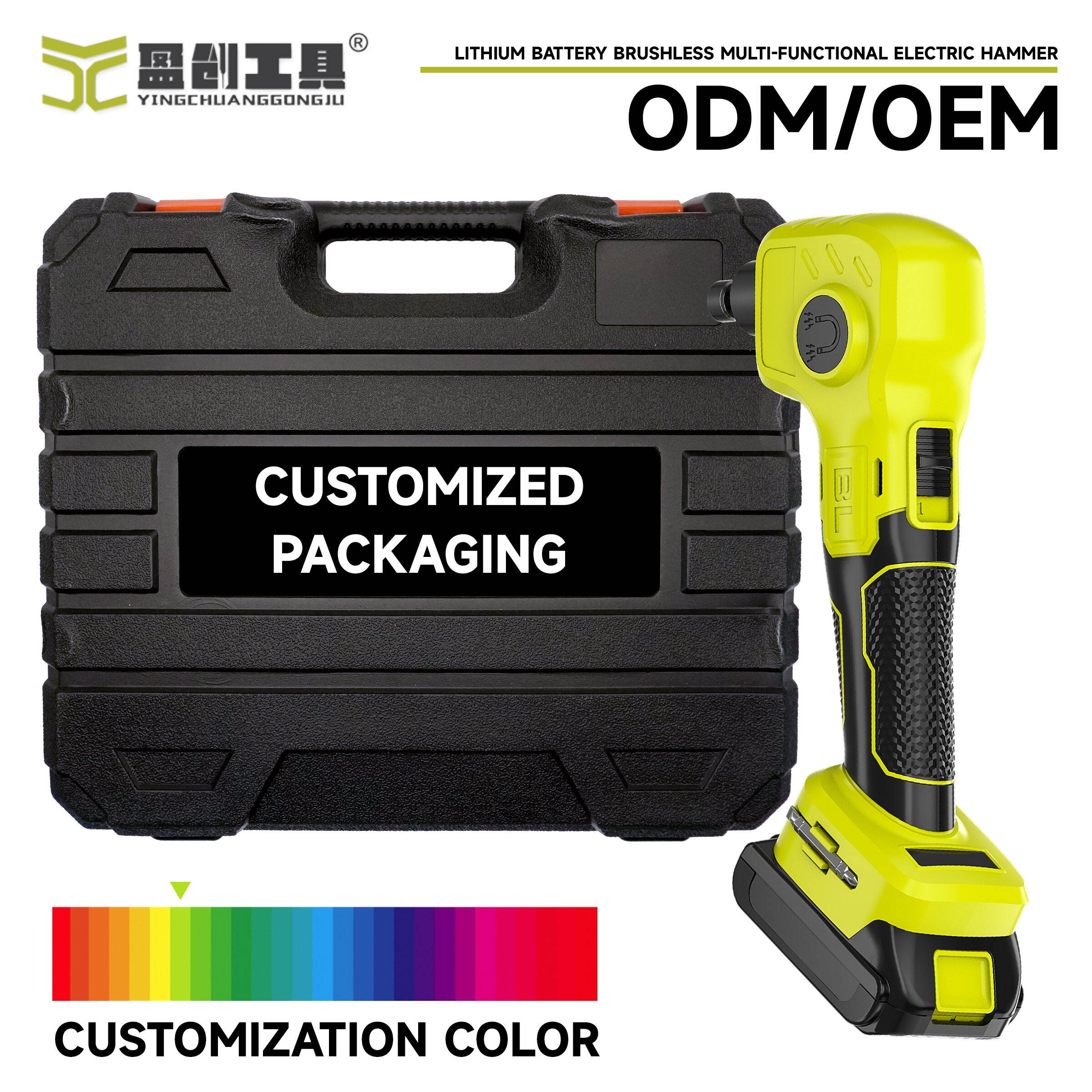
Finding a trustworthy oem partner is one of the most consequential decisions a business can make. Whether you are launching a new product line, expanding into new markets, or looking to scale your manufacturing operations, the quality of your oem relationship will directly shape your product quality, delivery timelines, and long-term brand reputation. The process is far more nuanced than simply searching for the lowest-cost supplier, and companies that treat it as such often face costly quality failures, missed deadlines, and intellectual property risks down the road.
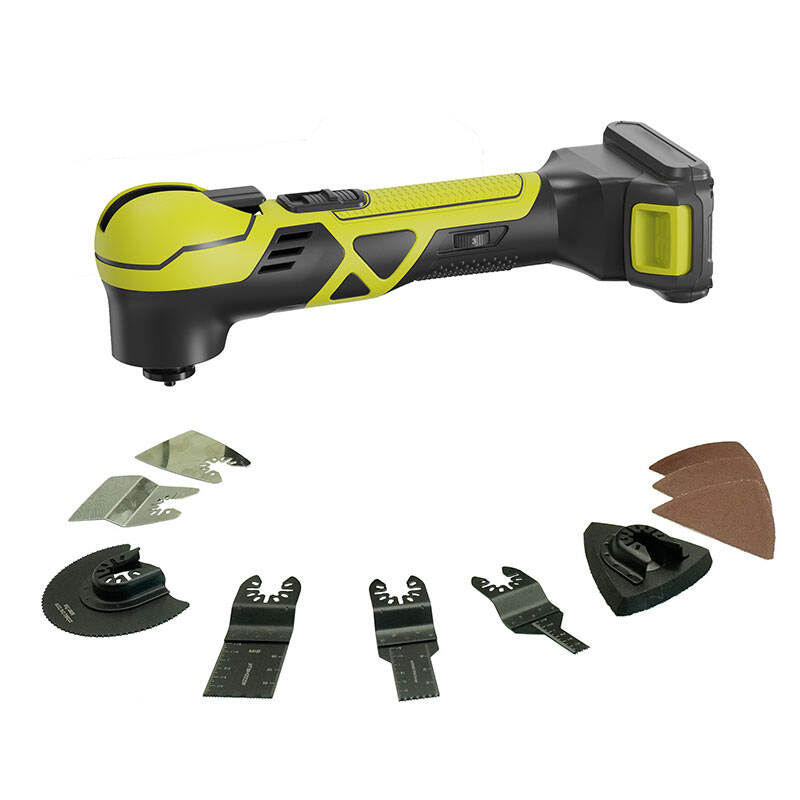
The good news is that there is a structured, proven approach to identifying and vetting reliable oem manufacturers. By applying the right screening criteria, asking the right questions, and building the right contractual foundations, you can dramatically reduce risk and increase your chances of forming a production partnership that grows with your business. This guide walks you through seven essential tips that experienced sourcing professionals rely on when evaluating oem candidates across any product category.
Understanding What Makes an OEM Partner Truly Reliable
Defining Reliability in an OEM Context
In the oem industry, reliability means far more than simply delivering products on time. A reliable oem partner demonstrates consistent quality output, transparent communication, financial stability, and the operational flexibility to adapt as your business requirements evolve. These qualities are not visible in a product catalog or a price sheet — they must be assessed through deliberate due diligence.
Reliability also encompasses ethical manufacturing practices, adherence to certifications, and the capacity to handle your volume requirements without overextending their production floor. An oem manufacturer that is stretched too thin across too many clients will inevitably deprioritize your orders when capacity becomes constrained. Understanding the full picture of a manufacturer's operational health is therefore non-negotiable before any agreement is signed.
When evaluating reliability, experienced sourcing teams look at historical performance records, client references, production facility conditions, and quality management system certifications. These data points collectively paint a much more accurate picture than any marketing material an oem supplier provides about itself.
Why Reliability Matters More Than Price in OEM Selection
Many buyers approach oem sourcing with price as the dominant selection criterion, only to discover that short-term savings are rapidly eroded by rework costs, returns, customer complaints, and supply chain disruptions. A slightly higher-cost oem partner with superior quality controls and communication practices will almost always deliver better total value over a product lifecycle.
Brand equity is another dimension that makes reliability paramount. When products manufactured under your brand name fail in the market, the resulting damage falls entirely on your brand — not on the oem manufacturer who produced them. This asymmetry of risk makes it essential to choose production partners whose quality standards match or exceed your own brand expectations.
Tip 1 and 2: Verify Certifications and Assess Factory Capabilities
Checking Quality Certifications and Compliance Records
The first essential tip when evaluating any oem candidate is to rigorously verify all claimed certifications. ISO 9001 quality management certification, for example, signals that a manufacturer has implemented structured quality control processes rather than relying on ad-hoc inspection. Depending on your product category, additional certifications such as CE, UL, RoHS, or industry-specific standards may also be required.
Do not accept certificates at face value. Certifications should be verified directly with the issuing bodies, and you should confirm that the specific production lines or facilities you intend to use are covered under those certifications. Some manufacturers obtain certifications for one facility or product type and then produce your items through uncertified processes — a common source of compliance problems for brands sourcing from oem factories for the first time.
Compliance records go beyond formal certifications. Ask potential oem partners for any records of failed audits, regulatory actions, or product recalls. A manufacturer with a clean and documented compliance history demonstrates the operational discipline that is essential for a reliable long-term partnership.
Evaluating Manufacturing Capacity and Technical Capabilities
The second essential tip is to conduct a thorough assessment of the oem manufacturer's actual production capabilities. This includes equipment quality, production line automation levels, tooling capabilities, and engineering support resources. For technically complex products — such as power tools, electronic assemblies, or precision mechanical components — the depth of in-house engineering capability can be a deciding factor in whether an oem partner can realistically handle your customization requirements.
Capacity alignment is equally important. Your oem partner's facility should be appropriately sized for your order volumes — not so small that your orders strain their resources, and not so large that you represent a negligible account that receives minimal attention. Factories that maintain a balanced client mix tend to offer more responsive communication and prioritized production scheduling for each account.
A factory audit — whether conducted in person or through a trusted third-party inspection agency — is the most reliable way to validate these capabilities. During an audit, pay close attention to material storage practices, quality checkpoints on the production line, equipment maintenance conditions, and workforce skill levels. These on-the-ground observations reveal what no supplier profile or brochure can.
Tip 3 and 4: Evaluate Communication Standards and Request Samples
Assessing Communication Quality and Responsiveness
The third tip focuses on an often-underestimated dimension of oem partnership quality: communication. The ability of your manufacturing partner to understand your specifications accurately, respond promptly to inquiries, and proactively flag potential production issues before they escalate is critical to smooth project execution. Poor communication is consistently cited among the top reasons that oem partnerships break down.
During your initial evaluation phase, pay careful attention to how quickly potential oem partners respond to your inquiries, how clearly they answer technical questions, and whether their project management team demonstrates a genuine understanding of your product requirements. A manufacturer that provides vague or evasive answers during the sales process is very likely to exhibit the same behavior once production has begun and problems arise.
Establishing clear communication protocols early — including designated contacts, agreed response time expectations, and regular progress reporting cadences — sets the foundation for a professional and accountable oem relationship. Manufacturers who are experienced with international business clients will typically have these processes already in place.
Requesting and Rigorously Evaluating Pre-Production Samples
The fourth tip is to never skip the sample evaluation phase, regardless of how convincing a manufacturer's credentials appear on paper. Requesting pre-production samples from any prospective oem manufacturer gives you direct, tangible evidence of their quality output and their ability to follow your technical specifications. This step is the most reliable predictor of what you can expect from mass production.
When evaluating samples, assess them against your detailed specification sheet point by point — not simply based on a general impression. Check dimensions, material quality, finish consistency, functional performance, and packaging. If a sample does not meet your standards, analyze whether the gap is due to a misunderstanding that can be resolved through clearer specifications, or whether it reflects fundamental capability limitations in the oem manufacturer's processes.
It is also worth ordering samples from multiple oem candidates simultaneously and comparing results side by side. This comparative evaluation provides valuable context for quality benchmarking and gives you stronger negotiating leverage when discussing terms with your preferred supplier.
Tip 5, 6, and 7: IP Protection, Contractual Clarity, and Long-Term Partnership Development
Protecting Intellectual Property in OEM Arrangements
The fifth tip addresses one of the most serious risks in any oem arrangement: intellectual property protection. When you share product designs, proprietary formulations, manufacturing processes, or brand assets with an oem manufacturer, you are exposing valuable business assets to potential misuse. Robust IP protection measures must be established before any technical information is shared.
Non-disclosure agreements (NDAs) should be signed at the very beginning of discussions, before any product specifications or design files are exchanged. Beyond NDAs, consider whether it is appropriate to file for applicable patents, trademarks, or design registrations in the manufacturing country prior to commencing production. These legal registrations provide important enforcement options if IP violations occur.
Work with legal advisors who have experience in international manufacturing agreements to structure your IP provisions appropriately. An experienced oem manufacturer that regularly works with international brands will typically be familiar with these requirements and will actively support appropriate IP protection processes as a sign of their professional operating standards.
Building Contractual Clarity and Performance Accountability
The sixth essential tip is to invest serious time and attention in building a comprehensive, clear manufacturing agreement with your chosen oem partner. A well-drafted contract is not just a legal safeguard — it is a communication tool that aligns both parties on expectations for quality standards, delivery timelines, defect resolution procedures, pricing terms, and change management processes.
Performance accountability clauses — including quality acceptance criteria, defect rate thresholds, and remediation procedures — should be explicitly defined in the contract. Many oem sourcing problems arise not from bad intentions but from ambiguous expectations that each party interpreted differently. A detailed contract eliminates this ambiguity and provides a clear reference point for resolving disputes if they occur.
For high-volume or technically complex oem programs, consider including provisions for periodic performance reviews, continuous improvement expectations, and defined escalation paths. These structures transform the contract from a static document into an active management framework that supports ongoing partnership health.
Investing in Long-Term OEM Partnership Development
The seventh tip is perhaps the most strategically important: approach your oem relationship as a genuine long-term business partnership, not a transactional vendor arrangement. Manufacturers who experience consistent, growing business from a client are strongly motivated to prioritize that client's orders, communicate proactively, and invest in capabilities that serve that client's evolving needs.
Building a strong oem partnership means investing time in relationship development beyond the transaction level. Regular factory visits, collaborative product development discussions, and honest feedback sharing build trust and mutual understanding that translate directly into better production outcomes. Manufacturers who feel valued as partners consistently outperform those treated purely as price-competitive vendors.
If you are looking for a capable and experienced oem manufacturing partner for power tools and related products, evaluating suppliers who already demonstrate strong customization capabilities, certifications, and established international client experience will save significant time and reduce onboarding risk considerably.
Applying These Tips Across Different OEM Product Categories
Adapting Your Evaluation Criteria to Product Complexity
The seven tips outlined above apply universally across oem product categories, but the relative weight you assign to each criterion should reflect the complexity and risk profile of your specific product. For mechanically complex items like cordless power tools, electromechanical assemblies, or precision instruments, engineering capability and quality system depth deserve heavier weighting. For simpler consumer goods, communication responsiveness and packaging quality may rise in relative importance.
Understanding the specific technical challenges of your product category will also sharpen your evaluation questions during factory assessments and sample reviews. The more specifically you can probe an oem manufacturer's capabilities relative to your actual product requirements, the more accurately you can predict their real-world performance as your production partner.
Recognizing When an OEM Relationship Needs Reassessment
Even after you have established a working oem partnership, it is important to continuously monitor performance against the standards set during your initial evaluation. Quality drift, communication deterioration, or changes in the manufacturer's ownership or management can erode partnership quality over time. Maintaining an active supplier performance management process ensures that you identify these signals early, before they create serious business disruption.
Periodic reassessment does not imply a lack of trust — it reflects mature supply chain management. The best oem manufacturers welcome performance reviews because they provide structured feedback that helps them improve and demonstrate their continued value. Partners who resist transparency should prompt careful scrutiny of the underlying reasons.
FAQ
How long does it typically take to evaluate and onboard a new OEM partner?
The timeline for evaluating and onboarding a new oem partner varies depending on product complexity, but a thorough process typically spans two to six months. This includes initial screening, factory audit scheduling, sample development and evaluation, contract negotiation, and initial production trial runs. Rushing this process to save time often leads to quality problems that are far more costly to resolve later.
Is a factory audit always necessary when selecting an OEM manufacturer?
For any significant oem program, a factory audit is strongly recommended. Whether conducted directly or through a qualified third-party inspection firm, an audit provides ground-truth visibility into production conditions, quality management practices, and workforce capabilities that cannot be obtained through documentation reviews alone. For lower-stakes or exploratory engagements, a thorough documentation review combined with a reference check may be an acceptable starting point, with a formal audit planned for before full-scale production begins.
What are the most common reasons OEM partnerships fail?
The most frequent causes of oem partnership failures include ambiguous specifications leading to quality misalignment, inadequate IP protection resulting in design misappropriation, poor communication creating production misunderstandings, and misaligned capacity expectations causing delivery failures. Most of these failures are preventable through the systematic due diligence approach outlined in this guide. Investing in thorough upfront evaluation is consistently more cost-effective than managing the consequences of a failed oem relationship.
Can small businesses effectively engage OEM manufacturers, or is it only for large enterprises?
Small and mid-sized businesses can absolutely work successfully with oem manufacturers, and many specialized manufacturers actively seek clients of varying sizes. The key for smaller buyers is to identify oem manufacturers whose minimum order quantities, communication style, and technical support capabilities align with their scale of operations. Being transparent about your current volumes and growth trajectory during early discussions helps both parties assess whether the relationship is a realistic fit from the outset.
Table of Contents
- Understanding What Makes an OEM Partner Truly Reliable
- Tip 1 and 2: Verify Certifications and Assess Factory Capabilities
- Tip 3 and 4: Evaluate Communication Standards and Request Samples
- Tip 5, 6, and 7: IP Protection, Contractual Clarity, and Long-Term Partnership Development
- Applying These Tips Across Different OEM Product Categories
- FAQ
