 EN
EN
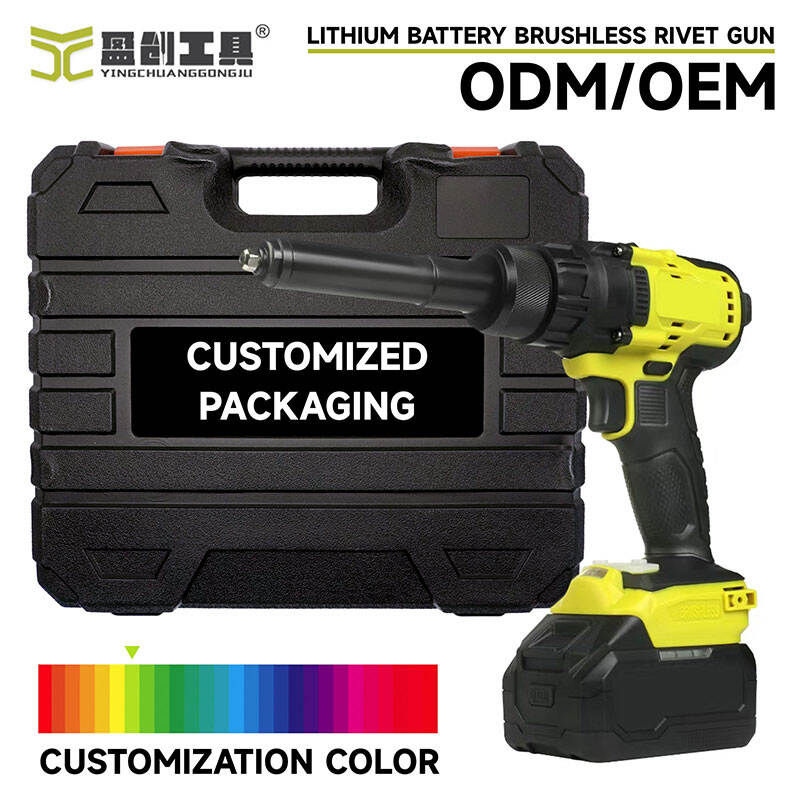
If you have ever sourced products from a manufacturer or explored private label manufacturing, you have almost certainly encountered the terms OEM, ODM, and OBM. These three business models define how products are designed, manufactured, and brought to market, and understanding the distinctions between them is essential for any buyer, brand owner, or procurement professional. While the acronyms may look similar, the operational logic, intellectual property implications, and strategic value of each model are fundamentally different. Getting clarity on these differences can save you significant time, money, and misaligned expectations when working with factories or planning your product roadmap.
This article breaks down OEM, ODM, and OBM in plain language, explains how each model works in practice, and helps you identify which approach fits your business situation. Whether you are a startup exploring manufacturing options, a distributor looking to expand your product line, or an established brand evaluating supply chain strategies, understanding these three models gives you a clearer framework for making smarter sourcing and branding decisions. The differences are not just technical — they carry real implications for cost, control, speed to market, and long-term brand equity.
What OEM Actually Means and How It Works
The Core Definition of OEM
OEM stands for Original Equipment Manufacturer. In the most precise sense, an oem arrangement means that a manufacturer produces goods based on the buyer's own specifications, designs, and intellectual property. The buyer — often called the brand owner or principal — provides the product design, technical drawings, material requirements, and branding. The factory's role is to manufacture the product exactly as specified and deliver it under the buyer's brand name.
This model is widely used in industries ranging from power tools and electronics to automotive components and industrial equipment. The key characteristic of a true oem relationship is that the design ownership stays with the buyer. The manufacturer does not hold rights to the product design and typically cannot sell the same product to other customers without permission. This gives the brand owner a strong degree of exclusivity and control over the final product.
In practice, an oem partnership requires the buyer to invest upfront in product development, tooling, and engineering. This means the barrier to entry is higher compared to other models, but the payoff is a product that is genuinely differentiated and proprietary. For companies with established R&D capabilities, the oem route offers the highest level of product customization and brand protection.
Who Benefits Most from OEM Arrangements
The oem model is best suited for companies that already have product designs or engineering teams capable of developing them. Large brands, technology companies, and industrial equipment manufacturers frequently use oem factories to scale production without building their own manufacturing infrastructure. The brand retains full design control while leveraging the factory's production capacity, quality systems, and supply chain efficiency.
For buyers in the power tools sector, for example, an oem service allows them to specify motor performance, battery compatibility, ergonomic dimensions, and safety certifications, then have those exact products manufactured at scale. The result is a product that carries the buyer's brand identity and meets their precise technical standards, without the buyer needing to own a factory.
Smaller companies can also use the oem model if they have invested in product development. The critical requirement is that the buyer owns or licenses the design. Without that, the arrangement typically shifts into ODM territory, which operates under a different set of rules and expectations.
Understanding ODM and How It Differs from OEM
The ODM Model Explained
ODM stands for Original Design Manufacturer. In an ODM arrangement, the factory itself owns the product design. The buyer selects from existing designs or platforms that the manufacturer has already developed, and then applies their own branding, color schemes, packaging, and sometimes minor modifications. The fundamental difference from oem is that the intellectual property and core design belong to the manufacturer, not the buyer.
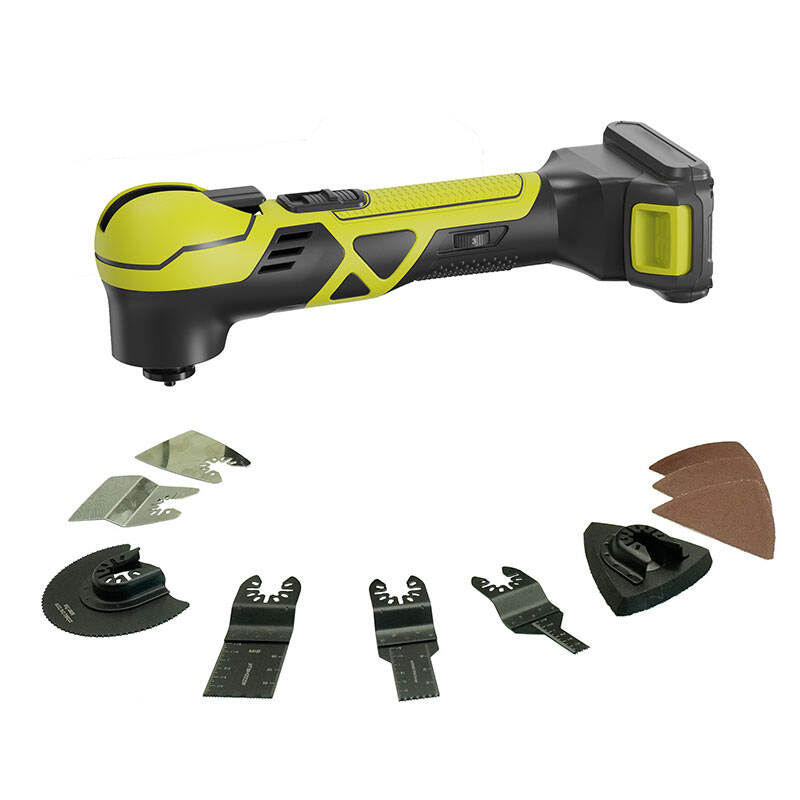
ODM is extremely common in consumer electronics, power tools, home appliances, and many other product categories. A factory may develop a base product platform — say, a cordless oscillating multi-tool — and then offer that platform to multiple buyers who each brand it differently. Each buyer gets a product that looks like their own, but the underlying engineering is shared across multiple clients. This is the defining characteristic that separates ODM from oem.
From a cost perspective, ODM is typically more accessible than oem because the buyer does not need to fund the initial design and tooling development. The factory has already absorbed those costs and spreads them across multiple clients. This makes ODM attractive for companies that want to launch products quickly without heavy upfront investment in engineering.
The Trade-offs Between ODM and OEM
The main trade-off with ODM compared to oem is exclusivity. Because the factory owns the design, they can sell the same or very similar products to your competitors. Your differentiation is limited to branding, packaging, and any surface-level customizations the factory allows. For companies competing primarily on price or distribution reach, this may be acceptable. For companies building a long-term brand around product innovation, it can be a significant vulnerability.
Another consideration is quality control. In an oem arrangement, the buyer specifies every detail of the product, which means they have direct influence over quality outcomes. In an ODM arrangement, the buyer is working within the factory's existing design constraints. If the base design has limitations, the buyer has less leverage to demand changes without renegotiating the entire product platform.
That said, ODM is not a lesser option — it is simply a different strategic fit. For companies entering a new product category, testing market demand, or operating with limited R&D resources, ODM offers a practical and cost-effective path to market. The key is understanding what you are getting and aligning your expectations accordingly, especially when comparing it to the deeper customization that oem provides.
What OBM Means and Where It Fits in the Picture
Defining the OBM Model
OBM stands for Original Brand Manufacturer. This model represents the highest level of vertical integration, where a company not only manufactures products but also owns and markets its own brand directly to end consumers or business buyers. An OBM company controls the entire value chain — from product design and manufacturing to marketing, distribution, and after-sales service.
Many factories that started as oem or ODM suppliers eventually evolve into OBM companies as they accumulate manufacturing expertise, capital, and market knowledge. By developing their own brand, they capture more of the value chain and reduce their dependence on third-party brand owners. This transition is common in markets where manufacturers have built strong technical capabilities and want to compete directly in end markets.
From a buyer's perspective, understanding OBM is important because it changes the nature of the relationship. When you work with a factory that has its own OBM brand, you need to consider whether your oem or ODM products might compete with the factory's own branded offerings in the same market. This potential conflict of interest is a real consideration in supplier selection and contract negotiation.
How OBM Relates to OEM and ODM Decisions
The three models — oem, ODM, and OBM — are not mutually exclusive. Many manufacturers operate across all three simultaneously. A factory might produce oem products for large international brands, offer ODM platforms to smaller buyers, and sell their own OBM products in domestic or emerging markets. Understanding which mode a factory is operating in for your specific engagement is critical for managing expectations and protecting your interests.
For brand owners, the strategic question is often whether to remain in an oem or ODM relationship or to invest in building OBM capabilities of their own. OBM requires significant investment in brand building, marketing infrastructure, and customer relationships, but it also offers the highest long-term margin potential and brand equity. The decision depends on your company's core competencies, capital position, and market ambitions.
In the power tools and industrial equipment space, this dynamic plays out frequently. A company might start by sourcing products through oem arrangements to build market presence, then gradually invest in proprietary designs and brand development as their market position strengthens. The path from oem buyer to OBM operator is a recognized growth trajectory in many manufacturing-intensive industries.
Practical Implications When Choosing Between OEM, ODM, and OBM
Factors That Drive the Choice
Choosing between oem, ODM, and OBM is not purely a technical decision — it is a strategic one that depends on your business stage, resources, and competitive positioning. If you have proprietary designs and want full control over your product's technical specifications, oem manufacturing is the appropriate model. It protects your intellectual property and ensures your product cannot be replicated by competitors sourcing from the same factory.
If you are entering a new product category and want to minimize upfront investment while still bringing a branded product to market, ODM offers a faster and more capital-efficient path. The trade-off is reduced exclusivity, but for many market entry scenarios, speed and cost efficiency outweigh the need for complete product uniqueness. The oem model can always be pursued later once market demand is validated.
If your long-term goal is to build a brand that competes directly in end markets, OBM is the destination — but it requires the most investment and organizational capability. Many successful companies use oem and ODM arrangements as stepping stones, building market knowledge and cash flow before committing to the full OBM model. Understanding where you are in that journey helps you make more deliberate sourcing decisions.
Contractual and IP Considerations
Regardless of which model you choose, the contractual framework matters enormously. In an oem arrangement, your contract should clearly establish that all designs, tooling, and intellectual property belong to you as the buyer. It should also include exclusivity clauses that prevent the factory from producing the same product for competitors. Without these protections, the practical benefits of oem manufacturing can be undermined.
In an ODM arrangement, the contract should specify exactly what customizations are permitted, what the minimum order quantities are, and whether the factory can sell the same base design to other buyers in your target market. Some ODM factories offer regional exclusivity for a premium, which can partially address the differentiation concern. Understanding these terms before committing is essential for managing competitive risk.
For companies transitioning toward OBM, protecting your brand through trademark registration in all relevant markets is a foundational step. The oem and ODM relationships you maintain during this transition should be structured to support your brand-building goals, not undermine them. Factories that understand your OBM ambitions can often become long-term strategic partners rather than just production vendors.
FAQ
What is the simplest way to explain the difference between OEM and ODM?
The simplest distinction is about who owns the design. In an oem arrangement, the buyer owns the product design and the factory manufactures it to those specifications. In an ODM arrangement, the factory owns the design and the buyer applies their branding to an existing product platform. OEM gives the buyer more control and exclusivity; ODM offers faster market entry at lower upfront cost.
Can a factory offer both OEM and ODM services at the same time?
Yes, many factories operate both models simultaneously. They may produce oem products for clients who bring their own designs while also offering ODM platforms to buyers who want ready-made product bases. When evaluating a factory, it is important to clarify which model applies to your specific engagement and ensure the contract reflects the appropriate terms for design ownership and exclusivity.
Is OEM always more expensive than ODM?
Not necessarily in terms of unit cost, but oem typically involves higher upfront investment because the buyer funds product development, tooling, and engineering. ODM spreads those costs across multiple clients, making the entry cost lower. However, over a long production run, oem products can be cost-competitive because the buyer has more control over material specifications and production processes, which can drive efficiency gains.
How do I know if a supplier is offering genuine OEM service?
A genuine oem service means the factory will manufacture strictly to your provided specifications and will not sell the same product to other buyers. Key indicators include willingness to sign NDA and IP protection agreements, acceptance of your technical drawings and tooling ownership terms, and clear contractual language about exclusivity. If a factory is reluctant to formalize these terms, the arrangement may be closer to ODM than true oem manufacturing.
