 EN
EN

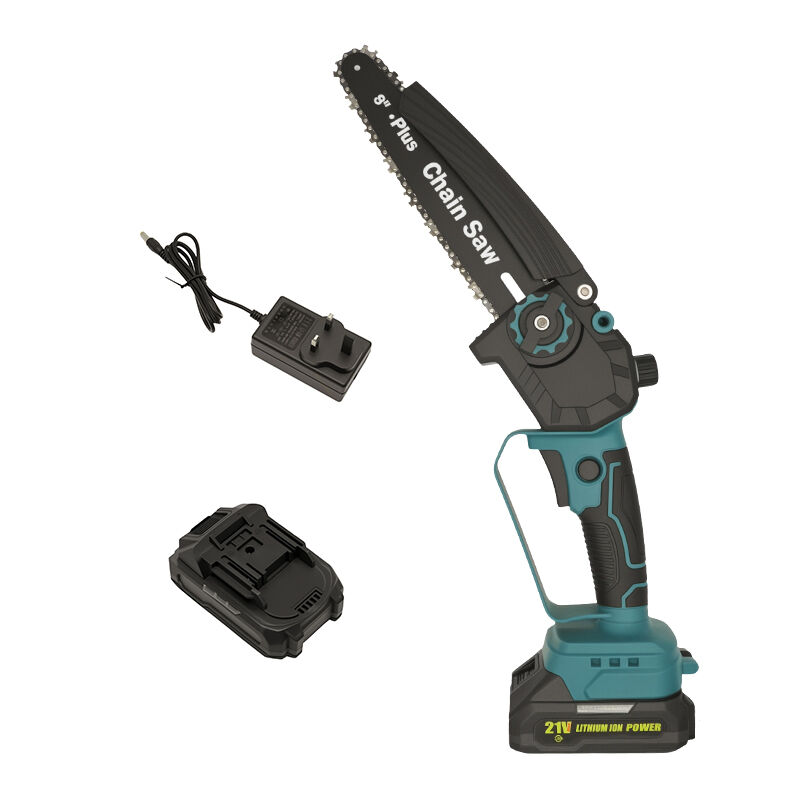
Working with power tools requires proper knowledge and safety awareness to prevent accidents and ensure successful project completion. When using any type of saw, whether electric, cordless, or manual, understanding fundamental safety principles can mean the difference between a productive workshop session and a dangerous incident. Every DIY enthusiast should prioritize learning proper saw handling techniques, maintenance procedures, and protective measures before operating these powerful cutting tools. The combination of sharp blades, high-speed motors, and various materials creates an environment where safety cannot be compromised.
Essential Pre-Operation Safety Checks
Blade Inspection and Maintenance
Before operating any saw, conducting a thorough blade inspection ensures optimal performance and prevents dangerous malfunctions. Check for damaged, dull, or bent teeth that could cause binding or kickback during operation. A properly maintained saw blade cuts more efficiently and reduces the risk of accidents caused by forcing the tool through resistant materials. Replace worn blades immediately, as attempting to use damaged cutting edges creates unnecessary strain on both the operator and the equipment.
Blade tension and alignment play crucial roles in safe saw operation, particularly with band saws and reciprocating models. Loose blades can slip or break during use, while overtightened blades may snap under pressure. Verify that the blade is securely fastened according to manufacturer specifications and properly aligned with the cutting guides. Regular maintenance extends blade life and maintains consistent cutting accuracy throughout your projects.
Power Source and Electrical Safety
Electrical safety becomes paramount when operating corded power saws in workshop environments with dust, moisture, and metal shavings. Inspect power cords for fraying, cuts, or exposed wiring that could create shock hazards or short circuits. Use ground fault circuit interrupter (GFCI) outlets when working in damp conditions or outdoor locations. Ensure adequate electrical capacity for your saw's power requirements to prevent overloading circuits and potential fire hazards.
Battery-powered cordless saws offer increased mobility and eliminate cord-related hazards, but require their own safety considerations. Check battery charge levels before beginning work to avoid unexpected power loss during critical cuts. Store and charge batteries according to manufacturer guidelines to prevent overheating or damage. Maintain spare batteries in good condition to avoid the temptation of continuing work with insufficient power, which can lead to poor cuts and increased accident risk.
Personal Protective Equipment Requirements
Eye and Face Protection
Flying debris represents one of the most common hazards when operating any type of saw, making proper eye protection absolutely essential. Safety glasses with side shields provide basic protection against wood chips, metal shavings, and dust particles generated during cutting operations. For more intensive work or when cutting materials that produce significant debris, full face shields offer comprehensive protection while maintaining clear visibility of the work area.
Consider the specific materials you plan to cut when selecting appropriate eye protection, as different substances create varying levels of hazard. Metal cutting generates hot sparks that can cause burns, while masonry work produces fine dust particles that can irritate eyes and respiratory systems. Choose protection rated for your specific applications and replace damaged or scratched lenses that compromise visibility and safety.
Hearing Protection and Respiratory Safety
Power saw operation generates significant noise levels that can cause permanent hearing damage with prolonged exposure. Wear appropriate hearing protection such as earplugs or noise-canceling headphones rated for industrial use. Many modern hearing protectors include communication capabilities that allow you to hear important sounds while blocking harmful noise levels. This feature proves particularly valuable when working with others or in environments where situational awareness is critical.
Dust and particle inhalation presents serious long-term health risks when using saws for extended periods or cutting specific materials. Use properly fitted dust masks or respirators appropriate for the materials being cut. Wood dust, metal particles, and synthetic material fragments can cause respiratory irritation and long-term health problems. Combine personal respiratory protection with adequate ventilation and dust collection systems for optimal safety.
Proper Cutting Techniques and Material Handling
Workpiece Securing and Support
Properly securing workpieces prevents dangerous movement during cutting operations and ensures accurate, clean cuts. Use appropriate clamps, vises, or fixtures to hold materials firmly in position while allowing for proper saw movement and debris clearance. Avoid attempting to hold small pieces by hand, as this increases the risk of contact with the blade and reduces cutting accuracy. Plan cuts to ensure adequate support on both sides of the cutting line to prevent binding or pinching.
Consider the weight and size of materials when planning cutting operations, as heavy or unwieldy pieces require additional support and handling precautions. Use roller stands, sawhorses, or helper supports for long boards or panels that extend beyond your work surface. Proper material support reduces operator fatigue and maintains better control throughout the cutting process. Position yourself comfortably with good balance and clear escape routes in case of unexpected events.
Cutting Speed and Feed Rate Control
Maintaining appropriate cutting speed and feed rate prevents blade overheating, reduces wear, and minimizes the risk of kickback or binding. Allow the saw to reach full operating speed before making contact with the workpiece, and maintain steady, controlled pressure throughout the cut. Forcing the blade through resistant materials increases heat buildup and stress on both the blade and motor, potentially leading to premature failure or dangerous situations.
Different materials require specific cutting speeds and techniques for optimal results and safety. Hardwoods typically require slower feed rates than softwoods, while metals need careful speed control to prevent overheating and blade damage. Learn the characteristics of materials you commonly work with and adjust your technique accordingly. Practice on scrap pieces to develop proper feel and timing before attempting critical cuts on finished projects.
Workshop Environment and Safety Measures
Lighting and Workspace Organization
Adequate lighting ensures clear visibility of cutting lines, blade position, and potential hazards throughout saw operation. Position work lights to eliminate shadows on the cutting area while avoiding glare that could impair vision or create distractions. LED work lights provide bright, cool illumination that doesn't generate excessive heat in confined workshop spaces. Maintain consistent lighting levels across your work area to prevent eye strain and ensure accurate cuts.
Keep your workspace clean and organized to prevent tripping hazards and ensure easy access to tools and materials. Remove sawdust, debris, and off cuts regularly to maintain safe footing and clear sightlines. Store cutting tools in designated locations when not in use, and maintain clear pathways around saw operation areas. A well-organized workshop reduces distractions and allows you to focus completely on safe saw operation.
Emergency Procedures and First Aid
Establish clear emergency procedures and ensure first aid supplies are readily accessible in your workshop area. Know the location of power shutoffs for all electrical equipment and practice emergency shutdown procedures. Keep a well-stocked first aid kit designed for workshop injuries, including supplies for treating cuts, burns, and eye injuries. Consider taking a basic first aid course to improve your ability to respond effectively to accidents.
Develop communication plans for workshop emergencies, especially when working alone or in isolated locations. Keep emergency contact numbers posted prominently and ensure cell phone access for summoning help if needed. Inform family members or neighbors of your workshop schedule when working alone, and establish check-in procedures for extended work sessions. Preparation and planning significantly improve outcomes in emergency situations.
Tool Selection and Maintenance Best Practices
Choosing the Right Saw for Specific Applications
Selecting the appropriate saw type for specific cutting tasks enhances both safety and efficiency while reducing the risk of tool misuse accidents. Circular saws excel at straight cuts in sheet goods and lumber, while reciprocating saws handle demolition and curved cuts effectively. Miter saws provide precise crosscuts and angle cuts for trim work and framing applications. Understanding each saw type's strengths and limitations helps you choose the right tool for every project.
Consider the materials you work with most frequently when investing in saw equipment, as specialized blades and features can significantly improve performance and safety. Variable speed controls allow adjustment for different materials, while laser guides improve cutting accuracy and reduce the need for rework. Quality saws with proper safety features may cost more initially but provide better long-term value through improved performance and reduced accident risk.
Regular Maintenance and Inspection Schedules
Implementing regular maintenance schedules ensures your saw equipment remains in optimal condition and operates safely throughout its service life. Clean saw components after each use session to prevent dust and debris buildup that can interfere with proper operation. Lubricate moving parts according to manufacturer recommendations and inspect critical components for wear or damage during routine maintenance intervals.
Document maintenance activities and blade changes to track equipment condition and identify patterns that might indicate developing problems. Replace worn or damaged parts promptly rather than attempting to extend their service life beyond safe limits. Professional servicing may be required for complex repairs or when manufacturer warranties are involved. Proper maintenance extends tool life and maintains the safety features that protect operators during use.
Advanced Safety Considerations for Experienced Users
Kickback Prevention and Recovery
Understanding kickback mechanisms and prevention strategies becomes crucial as DIY projects become more complex and demanding. Kickback occurs when the saw blade binds in the material and the tool is forced back toward the operator, potentially causing serious injury. Maintain proper grip and stance to control the saw if kickback occurs, and never operate saws from positions where kickback could cause loss of balance or control.
Modern saws include various kickback prevention features such as chain brakes, riving knives, and electronic controls that detect dangerous conditions. Learn how these safety systems work and ensure they remain functional through regular testing and maintenance. Never disable or bypass safety features, even if they seem to interfere with specific cutting operations. The momentary inconvenience is insignificant compared to the protection they provide.
Working with Challenging Materials
Some materials present unique challenges that require modified techniques and additional safety precautions when using saw equipment. Pressure-treated lumber contains chemicals that can be harmful if inhaled, requiring enhanced respiratory protection and proper ventilation. Green or wet wood can cause increased blade binding and unpredictable cutting behavior. Adjust your technique and expectations when working with these challenging materials.
Metal cutting requires different blade types, cutting speeds, and cooling considerations compared to wood cutting applications. Use cutting fluids or cooling systems when appropriate to prevent overheating and extend blade life. Be aware that metal cutting produces hot chips and sparks that present fire hazards in workshop environments containing flammable materials. Take additional precautions to prevent ignition of sawdust, solvents, or finishing materials.
FAQ
What safety gear is absolutely essential when operating a saw
Essential safety gear includes safety glasses or face protection, hearing protection, dust masks or respirators, and appropriate clothing that won't catch in moving parts. Avoid loose sleeves, jewelry, or ties that could become entangled in saw components. Steel-toed boots provide foot protection if heavy materials are dropped, while non-slip soles improve stability during operation. The specific gear required may vary based on the type of saw and materials being cut.
How often should saw blades be replaced or sharpened
Blade replacement frequency depends on usage intensity, materials cut, and blade quality, but signs of dullness include increased cutting effort, burn marks on materials, or rough cut surfaces. Professional sharpening can extend blade life for quality blades, while disposable blades should be replaced when performance degrades. Keep spare blades available to avoid the temptation of continuing work with dull cutting edges that increase accident risk and produce poor results.
What should I do if my saw starts producing unusual noises or vibrations
Stop operation immediately when unusual noises, vibrations, or performance changes occur, as these often indicate developing problems that could become dangerous. Check for loose bolts, damaged blades, or debris interfering with moving parts. If problems persist after basic checks, discontinue use and seek professional service rather than attempting complex repairs. Operating damaged equipment significantly increases accident risk and can cause additional damage requiring expensive repairs.
Is it safe to make freehand cuts with power saws
Freehand cutting should be avoided whenever possible, as it reduces accuracy and increases the risk of blade binding, kickback, or contact accidents. Use guides, fences, or jigs to control saw movement and ensure straight, accurate cuts. When freehand cutting is absolutely necessary, such as with handheld circular saws for rough carpentry, maintain firm grip and proper stance while being extra cautious about blade position and material support. Practice proper technique on scrap materials before attempting critical cuts.
