 EN
EN

If you've ever purchased a product under a well-known brand name only to discover it was manufactured by an entirely different company, you've already encountered the concept of oem without necessarily knowing it. OEM, which stands for Original Equipment Manufacturer, is one of the most foundational business models in global manufacturing and supply chains. From consumer electronics to power tools, automotive components to industrial machinery, the oem model enables brands to bring high-quality products to market without owning a single production line. Understanding what oem truly means—and how it functions in practice—is essential knowledge for procurement professionals, brand owners, entrepreneurs, and anyone navigating the world of B2B commerce.
The oem model has grown more sophisticated and more strategically important over the past several decades. As global competition intensifies and product development timelines shorten, companies increasingly rely on oem partnerships to accelerate speed to market, reduce capital expenditure, and leverage specialized manufacturing expertise. This article provides a complete definition of oem, explains how it works across different industries, explores key business examples, and helps you understand when and why an oem arrangement makes strategic sense for your organization.
The Complete Definition of OEM
What OEM Actually Means
OEM stands for Original Equipment Manufacturer. In its most precise definition, an oem is a company that manufactures products or components that are then sold under another company's brand name. The purchasing company—often called the brand owner or the buyer—markets, distributes, and supports the product, while the oem handles the physical production. This division of responsibility allows each party to focus on its core strengths.
It's important to note that the term oem has evolved over time and can carry slightly different meanings depending on the industry context. In some sectors, particularly technology and automotive, oem refers to the company that assembles a final product using components sourced from multiple suppliers. In other contexts, especially in manufacturing and private-label commerce, oem refers to a factory that produces finished goods to be sold under a client's brand. Both usages are valid, and understanding which definition applies in a given context is critical.
At its core, the oem model is built on a contractual relationship that defines specifications, quality standards, intellectual property ownership, production volume, and branding rights. The oem manufacturer produces exactly what the client specifies, and the resulting product carries the client's brand identity rather than the factory's name. This arrangement is what allows a single factory to produce goods for dozens of different brands simultaneously.
OEM vs. ODM: A Key Distinction
A concept closely related to oem is ODM, or Original Design Manufacturer. While an oem manufactures products based on the client's own design and specifications, an ODM designs the product itself and then manufactures it for multiple brand clients. The brand owner purchasing from an ODM typically has less control over the product design but benefits from faster go-to-market timelines and lower development costs.
Many modern manufacturers offer both oem and ODM services, giving clients a choice between customizing a pre-existing design or bringing their own proprietary blueprint to the factory floor. For example, a power tool manufacturer might offer an ODM solution where a client selects from existing tool platforms and applies their own branding, or a full oem solution where the client's engineering team provides unique schematics for a custom-built product. This dual capability makes such manufacturers highly attractive partners for brands at various stages of product development.
Understanding the difference between oem and ODM is not merely academic—it directly affects intellectual property ownership, production cost, lead time, and the degree of product differentiation a brand can achieve in the marketplace. Brands seeking a unique competitive advantage typically prefer the oem route, while those prioritizing speed and cost efficiency often start with ODM before transitioning to oem as their volume grows.
How the OEM Business Model Works
The Core Mechanics of an OEM Partnership
An oem partnership typically begins with a brand owner identifying a manufacturing need. This could be a startup that has designed a new product but lacks production facilities, or an established company looking to expand its product line without investing in new machinery. The brand owner approaches an oem manufacturer, shares their specifications, and negotiates the terms of production.
Once an agreement is reached, the oem manufacturer procures raw materials, sets up production processes, and manufactures the product to the agreed specifications. Quality control checkpoints are established throughout the process to ensure every unit meets the brand owner's standards. After production, the finished goods—often already packaged with the brand owner's labeling—are shipped directly to the buyer's warehouses or distribution centers.
The brand owner then handles all aspects of sales, marketing, customer service, and after-sales support. From the end consumer's perspective, they are buying a product from a brand they trust. The oem manufacturer remains invisible to the market, operating entirely in the background. This invisibility is by design and is typically protected by non-disclosure agreements that prevent the oem from publicly identifying its clients.
Pricing, Volume, and Contract Structures in OEM
Pricing in an oem arrangement is typically volume-dependent. The more units a brand owner commits to purchasing, the lower the per-unit cost the oem manufacturer can offer. This is because larger production runs allow the factory to amortize tooling costs, optimize material purchasing, and reduce per-unit overhead. Minimum order quantities (MOQs) are a standard feature of oem agreements and reflect the manufacturer's need to make each production run economically viable.
Contracts in oem relationships are comprehensive documents that cover product specifications, quality standards, delivery timelines, pricing tiers, intellectual property clauses, exclusivity terms, and warranty obligations. A well-drafted oem contract protects both parties: the brand owner retains ownership of its designs and brand identity, while the oem manufacturer is protected against unauthorized use of its production processes and trade secrets.
Long-term oem partnerships often evolve into deeply collaborative relationships. The brand owner may provide feedback that leads to product improvements, and the oem manufacturer may proactively suggest process enhancements that reduce cost or improve quality. This collaborative dynamic is one reason why successful oem relationships tend to be sticky—both parties invest significant time, money, and institutional knowledge into making the partnership work efficiently.
Real-World Business Examples of OEM
OEM in the Power Tools Industry
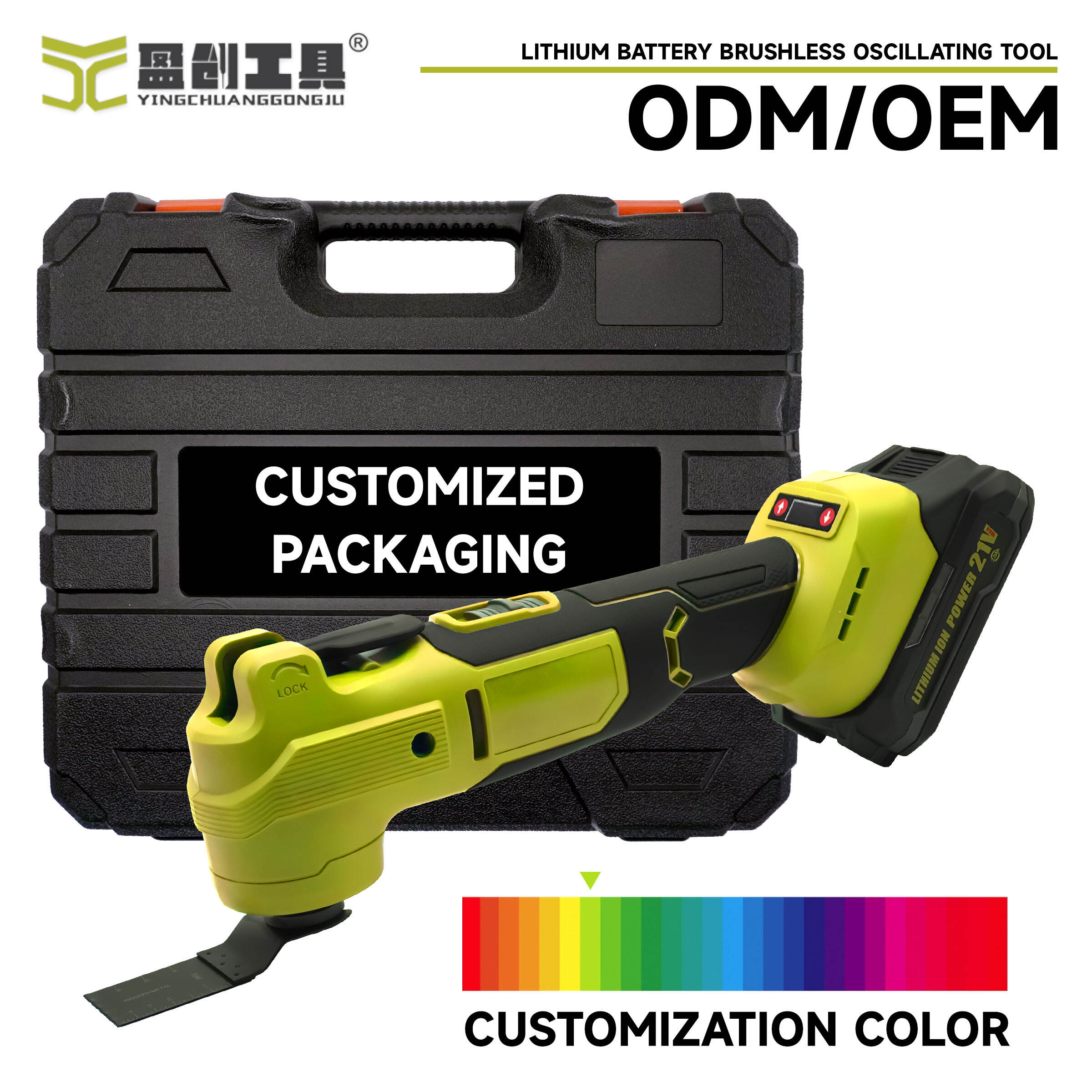
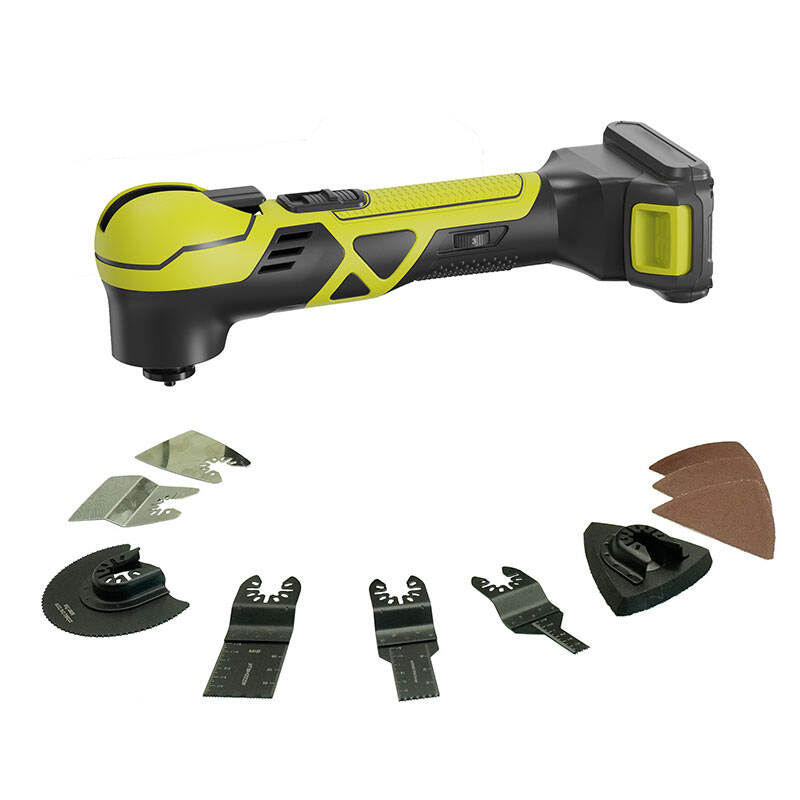
The power tools industry offers some of the most instructive examples of oem relationships in action. Many well-known tool brands sell products that are manufactured by specialized oem factories, particularly in markets where precision engineering, battery technology, and motor performance are critical differentiators. A cordless brushless oscillating multi-tool, for instance, might be designed by a brand's engineering team but produced entirely by an oem facility equipped with advanced assembly lines and rigorous testing equipment.
In this context, an oem manufacturer specializing in power tools might produce the same platform for multiple brand clients, each receiving a version customized to their specific voltage requirements, ergonomic preferences, and accessory compatibility. The oem factory's deep expertise in motor winding, lithium battery integration, and brushless drive systems makes it a more capable production partner than most brand owners could build in-house at comparable cost.
This model benefits the end consumer as well. Because oem factories focus exclusively on manufacturing excellence, they often achieve higher consistency and tighter quality tolerances than brand-owned factories that must divide attention between production and commercialization. The result is a product that performs reliably under demanding conditions—whether used for cutting, grinding, or polishing in professional trade settings.
OEM Across Other Industries
The automotive industry is perhaps the most historically prominent arena for oem relationships. Major vehicle manufacturers source engines, transmissions, braking systems, and electronic components from oem suppliers who specialize in those specific subsystems. A passenger vehicle might contain components produced by dozens of different oem manufacturers, each contributing expertise in a particular domain while the vehicle brand integrates and markets the final product.
In consumer electronics, the oem model is equally pervasive. Contract manufacturers produce smartphones, laptops, and wearable devices for global technology brands. The brand owner manages design, software, marketing, and retail relationships, while the oem handles component sourcing, assembly, and logistics. This arrangement allows technology brands to launch new products rapidly and scale production in response to market demand without the burden of owning global manufacturing infrastructure.
Healthcare equipment, industrial machinery, and even food processing equipment rely heavily on oem partnerships. In each case, the fundamental value proposition is the same: specialization, scalability, and cost efficiency. The oem model allows industries to concentrate manufacturing expertise in facilities optimized for production, while allowing brands to concentrate their resources on innovation, customer relationships, and market development.
Strategic Advantages and Considerations of OEM
Why Companies Choose OEM Manufacturing
The strategic case for oem manufacturing begins with capital efficiency. Building and operating a manufacturing facility requires substantial investment in equipment, real estate, labor, and supply chain infrastructure. By partnering with an oem manufacturer, a brand owner can bring products to market with a fraction of that capital outlay, redirecting resources toward research and development, brand building, and sales expansion.
Speed to market is another compelling advantage. An experienced oem manufacturer already has established production lines, supplier relationships, and quality management systems in place. A brand owner can move from finalized design to first production run in a matter of weeks rather than the months or years required to establish an in-house facility. In fast-moving markets where product life cycles are short and consumer preferences shift rapidly, this speed advantage is enormously valuable.
Access to specialized expertise is perhaps the most underappreciated benefit of oem partnerships. A factory that has spent decades manufacturing a specific category of products—whether precision cutting tools, brushless motors, or electronic assemblies—accumulates deep technical knowledge that is very difficult for a brand owner to replicate. Partnering with such a manufacturer means gaining access to that expertise immediately, with quality outcomes that would take years to achieve independently.
Risks and Mitigation Strategies in OEM Relationships
While the oem model offers significant advantages, it also carries risks that brand owners must manage carefully. Intellectual property protection is the most frequently cited concern. When a brand owner shares proprietary designs or technology with an oem manufacturer, there is a risk that those designs could be replicated or disclosed to competitors. Robust contractual protections, patent filings, and careful vetting of oem partners are essential safeguards.
Quality consistency is another risk inherent in oem arrangements. A brand owner who is not physically present on the factory floor must rely on inspection protocols, third-party audits, and clear specification documents to ensure every production batch meets standards. Establishing ongoing quality oversight mechanisms—rather than relying solely on pre-shipment inspection—is a best practice for brands managing oem relationships at scale.
Supply chain dependency is a structural risk that has become more visible in recent years. Brand owners who rely on a single oem manufacturer for a critical product are exposed to disruptions caused by factory shutdowns, raw material shortages, or geopolitical events. Diversifying oem partnerships across multiple facilities or geographies is a risk mitigation strategy increasingly adopted by sophisticated brand owners who have experienced the consequences of supply chain concentration.
FAQ
What does OEM mean in simple terms?
OEM stands for Original Equipment Manufacturer. In simple terms, an oem is a factory or company that produces goods on behalf of another brand. The brand owner sells and markets the product under its own name, while the oem handles the physical production. This arrangement is extremely common in industries ranging from electronics to automotive to power tools.
Is OEM the same as private label?
OEM and private label are closely related but not identical. Private label typically refers to a retailer selling a product manufactured by a third party under the retailer's own brand name. OEM is a broader concept that encompasses any arrangement where a manufacturer produces goods for another company's brand, including cases where the brand owner has provided detailed proprietary designs. All private label products involve an oem-style manufacturing arrangement, but not all oem products are private label—many oem products are sold under well-established brand names with strong consumer recognition.
How do I find a reliable OEM manufacturer?
Finding a reliable oem manufacturer involves evaluating several factors: production capacity, quality management certifications, technical expertise in your specific product category, track record with other brand clients, and willingness to sign robust contractual protections. Trade shows, industry directories, and direct referrals from trusted partners are common starting points. Before committing to an oem relationship, visiting the manufacturing facility, reviewing quality audit reports, and requesting sample production runs are essential steps to validate the manufacturer's capabilities.
Can small businesses use OEM manufacturing?
Yes, small businesses can and do use oem manufacturing, though they typically face higher per-unit costs due to lower order volumes. Many oem manufacturers offer flexible minimum order quantities for new clients, especially in competitive markets where factories are eager to establish long-term relationships. For small businesses, the oem model can be a powerful way to launch branded products without the prohibitive cost of establishing in-house production, provided that quality standards and intellectual property protections are clearly defined from the outset of the relationship.
